
 admin
admin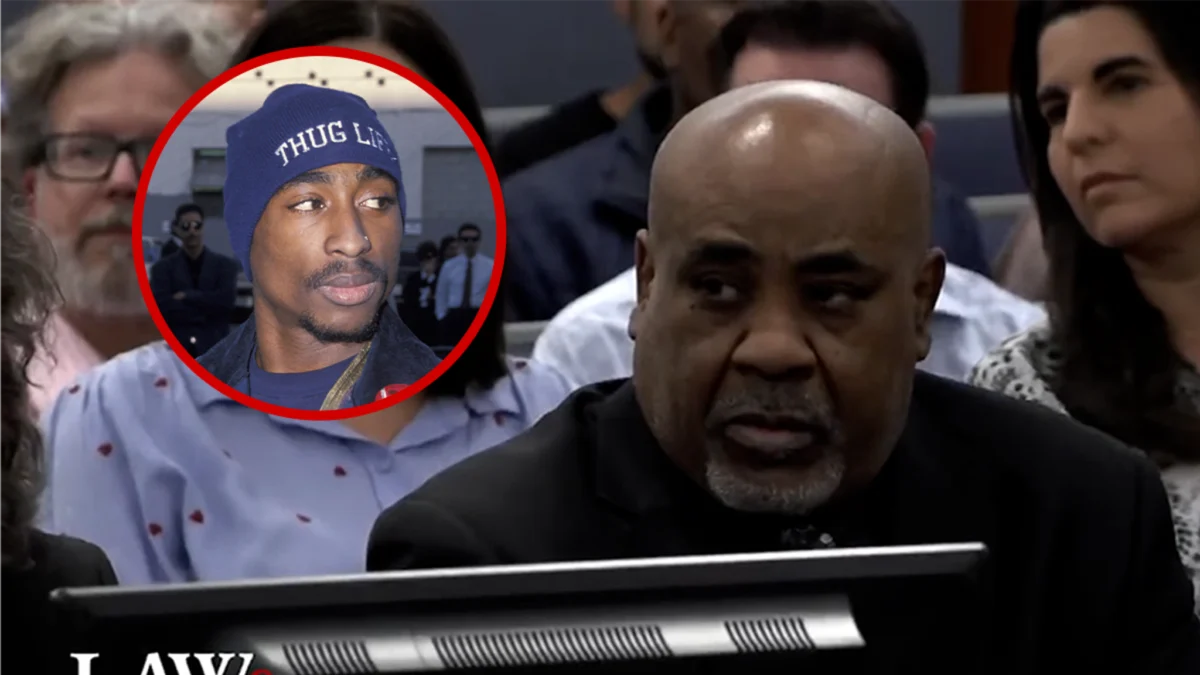
A Las Vegas jury has found Duane "Keffe D" Davis guilty of murder in the first degree in the death of legendary rapper Tupac Shakur, closing a chapter on one of music history’s most enduring and notorious cold cases. The verdict, delivered on Monday, August 31, 2026, marks a seismic shift in a criminal investigation that has spanned nearly three decades, captivating fans and true-crime enthusiasts worldwide. Davis, 63, was convicted of murder with the use of a deadly weapon with the intent to promote, further, or assist a criminal gang, a charge that now carries a possible maximum sentence of life in prison.
The conviction of Davis is particularly significant as prosecutors never contended that he pulled the trigger himself. Instead, their case hinged on the assertion that Davis acted as the "shot caller," orchestrating the fatal drive-by shooting and supplying the weapon to the individual who fired the fatal shots. This individual is widely believed to have been his nephew, Orlando "Baby Lane" Anderson, or another associate seated in the rear of the vehicle. This legal strategy focused on the concept of principal liability, holding Davis accountable for directing the criminal act rather than directly committing the physical violence. The verdict provides the first official legal resolution in connection with Tupac Shakur’s assassination, a crime that has long symbolized the dark underbelly of the 1990s hip-hop scene and its associated rivalries.
A Decades-Long Pursuit of Justice
The murder of Tupac Amaru Shakur on September 13, 1996, sent shockwaves through the music industry and beyond. At just 25 years old, Shakur was a towering figure, a multi-platinum artist, poet, and actor whose lyrical genius and charismatic, often controversial, persona had cemented his status as one of the most influential artists of his generation. His death, just six days after he was shot multiple times in a drive-by incident in Las Vegas, Nevada, following a Mike Tyson fight, plunged the hip-hop world into mourning and ignited an almost immediate firestorm of speculation, conspiracy theories, and accusations that would linger for decades.
The initial investigation into Shakur’s killing was fraught with challenges. A lack of immediate cooperation from witnesses, the transient nature of many individuals involved in the events leading up to the shooting, and the complex web of gang affiliations and rap rivalries (specifically the East Coast-West Coast hip-hop feud involving Death Row Records and Bad Boy Records) complicated efforts to identify and apprehend suspects. Despite intense public scrutiny and continuous media attention, the case remained officially unsolved, a testament to the difficulties law enforcement faced in penetrating the code of silence prevalent in certain criminal circles.
The Events of September 7, 1996: A Chronology
The timeline leading to Tupac Shakur’s demise and, eventually, Keffe D’s conviction, is critical to understanding the complexities of the case:
- September 7, 1996, Evening: Tupac Shakur, along with Death Row Records CEO Suge Knight, attended the Mike Tyson vs. Bruce Seldon boxing match at the MGM Grand Garden Arena in Las Vegas.
- Post-Fight Altercation: Following the fight, security footage captured an altercation in the MGM Grand lobby involving Tupac Shakur, members of his entourage, and Orlando "Baby Lane" Anderson, Keffe D’s nephew and a known member of the South Side Compton Crips. The confrontation was reportedly in retaliation for an earlier incident where Anderson allegedly robbed a Death Row associate.
- The Drive-By Shooting: Later that night, around 11:15 PM, Shakur and Knight were driving in a black BMW sedan, part of a larger convoy, heading to a nightclub. While stopped at a red light at the intersection of East Flamingo Road and Koval Lane, a white Cadillac pulled alongside their vehicle. Occupants of the Cadillac opened fire, striking Shakur multiple times. Knight sustained minor injuries from bullet fragments.
- Shakur Hospitalized: Shakur was rushed to the University Medical Center of Southern Nevada, where he underwent emergency surgery. Despite efforts to save him, he remained in critical condition.
- September 13, 1996: Six days after the shooting, Tupac Shakur succumbed to his injuries and was pronounced dead. His official cause of death was respiratory failure and cardiopulmonary arrest in connection with multiple gunshot wounds.
- Years of Cold Case Status: For nearly three decades, the official investigation yielded no arrests or charges, despite numerous theories, documentaries, and books speculating on the perpetrators. Orlando Anderson, who was questioned by police early in the investigation, consistently denied involvement and was killed in an unrelated gang shooting in 1998, further complicating the case.
Keffe D’s Admissions: The Critical Breakthrough
The turning point in the long-dormant investigation came largely from Duane "Keffe D" Davis’s own public admissions. Over the years, Davis, a self-proclaimed former leader of the South Side Compton Crips, had spoken extensively about the night of Tupac’s murder. These disclosures included a 2008 interview with law enforcement officials and, most notably, his 2019 memoir titled "Compton Street Legend."
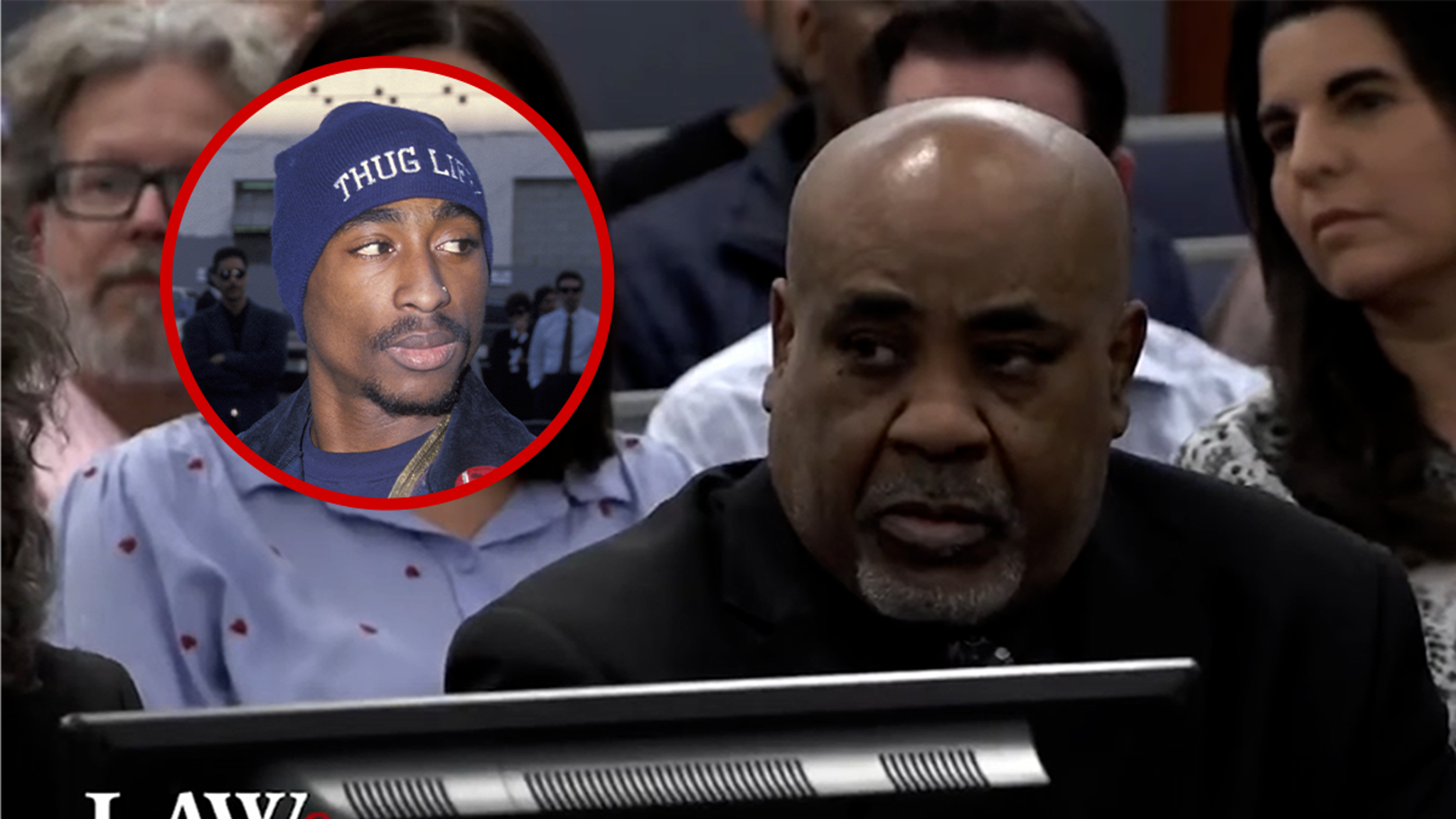
In these accounts, Davis detailed his presence in the white Cadillac from which the fatal shots were fired. Crucially, he admitted to being in the front passenger seat and stated that he handed the murder weapon to someone in the back seat, who then fired at Tupac’s vehicle. While he never explicitly named the shooter in his memoir, he strongly implicated his nephew, Orlando Anderson, and another individual. These admissions, initially dismissed by some as mere "tall tales" or attempts to gain notoriety, ultimately provided prosecutors with crucial evidence, corroborating existing theories and adding a first-person perspective that had been missing for so long.
Prosecutors presented Davis’s own words as the cornerstone of their case. They argued that his detailed accounts, given in various contexts over the years, were not fabrications but rather truthful recounts of his involvement as the orchestrator of the retaliatory shooting. The motive, as laid out by the prosecution, was a direct response to the earlier assault on Orlando Anderson by Tupac and his entourage at the MGM Grand. Davis, as the "shot caller," sought revenge for the perceived disrespect to his nephew and his gang.
The Legal Battle: Prosecution vs. Defense
The trial itself was a culmination of painstaking investigative work and a complex legal strategy. Prosecutors brought forth a total of two dozen witnesses, presenting a mosaic of evidence that included Keffe D’s own statements, forensic analysis (though no direct ballistic match was publicly confirmed for the weapon used), and circumstantial evidence linking Davis to the events of that night. They painted a picture of a calculated act of gang retaliation, with Davis at the helm.
The defense, led by Davis’s attorney, countered by arguing that Keffe D’s admissions were unreliable. His lawyer portrayed Davis as a chronic exaggerator, someone who "was full of crap" and sought to embellish his involvement in the notorious murder for personal gain, whether for book sales or attention. The defense questioned why, if these admissions were credible, charges had not been filed decades earlier. They suggested that law enforcement, frustrated by the cold case, had seized on Davis’s self-incriminating narratives without sufficient corroborating evidence. The defense called only three witnesses and Keffe D himself opted not to testify in his own defense, a common legal strategy to avoid cross-examination that could further damage his case.
The jury’s deliberation, though not lengthy, reflected the gravity of the decision. Their unanimous verdict affirmed the prosecution’s theory that even without pulling the trigger, Davis bore direct criminal responsibility for the murder of Tupac Shakur due to his role in planning and facilitating the crime. The conviction under the charge of murder with the use of a deadly weapon with the intent to promote, further, or assist a criminal gang underscores the legal framework used to connect Davis to the gang-related nature of the shooting.
Implications and Legacy
The conviction of Duane "Keffe D" Davis carries profound implications, both for the legal system and for the cultural legacy of Tupac Shakur.
For the legal system, this case serves as a powerful example of the enduring pursuit of justice in cold cases, even after decades. It highlights how modern investigative techniques, combined with historical evidence, witness testimony, and even a defendant’s own words, can eventually lead to resolution. It may also set a precedent for prosecuting "shot callers" or accessories to murder in complex gang-related crimes, even when the direct perpetrator is deceased or unknown. The reliance on Davis’s self-incriminating statements, initially viewed with skepticism, demonstrates their eventual evidentiary power when corroborated and presented effectively.
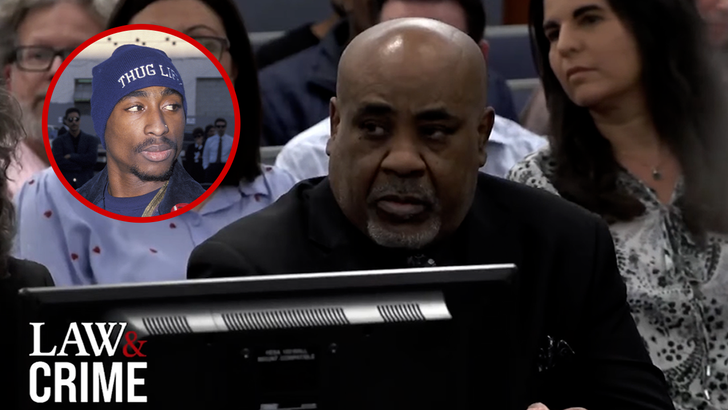
Culturally, this verdict offers a measure of closure for millions of Tupac Shakur fans worldwide and, most importantly, for his family. For nearly 30 years, the question of "who killed Tupac?" has fueled endless documentaries, songs, and discussions, maintaining his relevance as a cultural icon even decades after his death. While the verdict may not quell all conspiracy theories, it provides an official answer from the judicial system, potentially allowing for a re-evaluation of the narrative surrounding his death. It also reaffirms Tupac’s status as a tragic figure whose life was cut short by the very gang violence he often depicted and warned against in his music.
The enduring fascination with Tupac Shakur is a testament to his artistic impact. His music, often socially conscious and deeply personal, continues to resonate with new generations. This conviction ensures that the circumstances of his death will forever be intertwined with his legacy, now with a definitive legal conclusion.
What Comes Next?
With the guilty verdict rendered, the legal process now moves to the sentencing phase. Duane "Keffe D" Davis faces a possible maximum sentence of life in prison, reflecting the severity of the first-degree murder conviction with gang enhancements. This will involve further court proceedings where both the prosecution and defense will present arguments regarding the appropriate punishment.
It is also highly probable that Davis’s legal team will file an appeal. Appeals are a standard part of the criminal justice process, particularly in high-profile cases, and can focus on various aspects of the trial, including evidentiary rulings, jury instructions, or prosecutorial conduct. Such an appeal could prolong the legal saga for several more years, though it would not immediately overturn the jury’s verdict.
Regardless of future appeals, the conviction of Duane "Keffe D" Davis marks a monumental moment in the history of crime and music. It represents a hard-won victory for justice, bringing a degree of finality to a case that has haunted the public consciousness for nearly three decades. For the family of Tupac Shakur, and for his legions of fans, this verdict offers a long-awaited answer to a question that has echoed through the corridors of hip-hop history.


 Nila Kartika Wati
 Jia Lissa
 Yuyun Lusiyani
 Pevita Pearce
 Eva Lovia