
 Eva Lovia
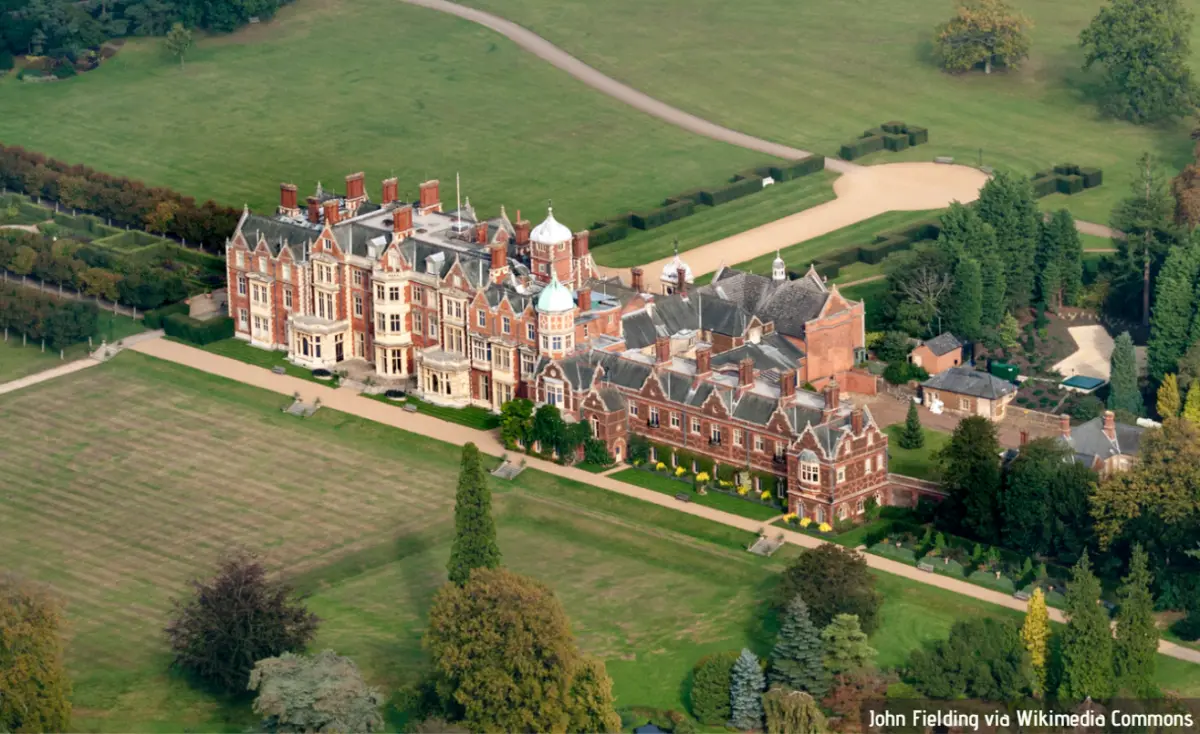
A paranormal historian has brought to light a startling alleged incident involving King Charles III, claiming the monarch was once left "terrified" by a ghostly presence at the Royal Family’s Sandringham estate. Richard Felix, a recognized figure in paranormal investigations, shared the account during an appearance on HELLO!’s "Right Royal Podcast," detailing a purported encounter that took place at the Norfolk residence prior to Charles’s ascension to the throne.
The Alleged Sandringham Incident
According to Felix’s recollection, the then-Prince of Wales was in the library at Sandringham, accompanied by a footman, when both individuals reportedly experienced an inexplicable phenomenon. Felix described the situation as the pair being "followed around the library by a ghost," an event that, he claims, left the future King deeply unnerved. "Prince Charles was apparently terrified at Sandringham when he was again in the library at Sandringham; he and a footman were in there and followed around the library by a ghost!" Felix stated, emphasizing the startling nature of the alleged encounter.
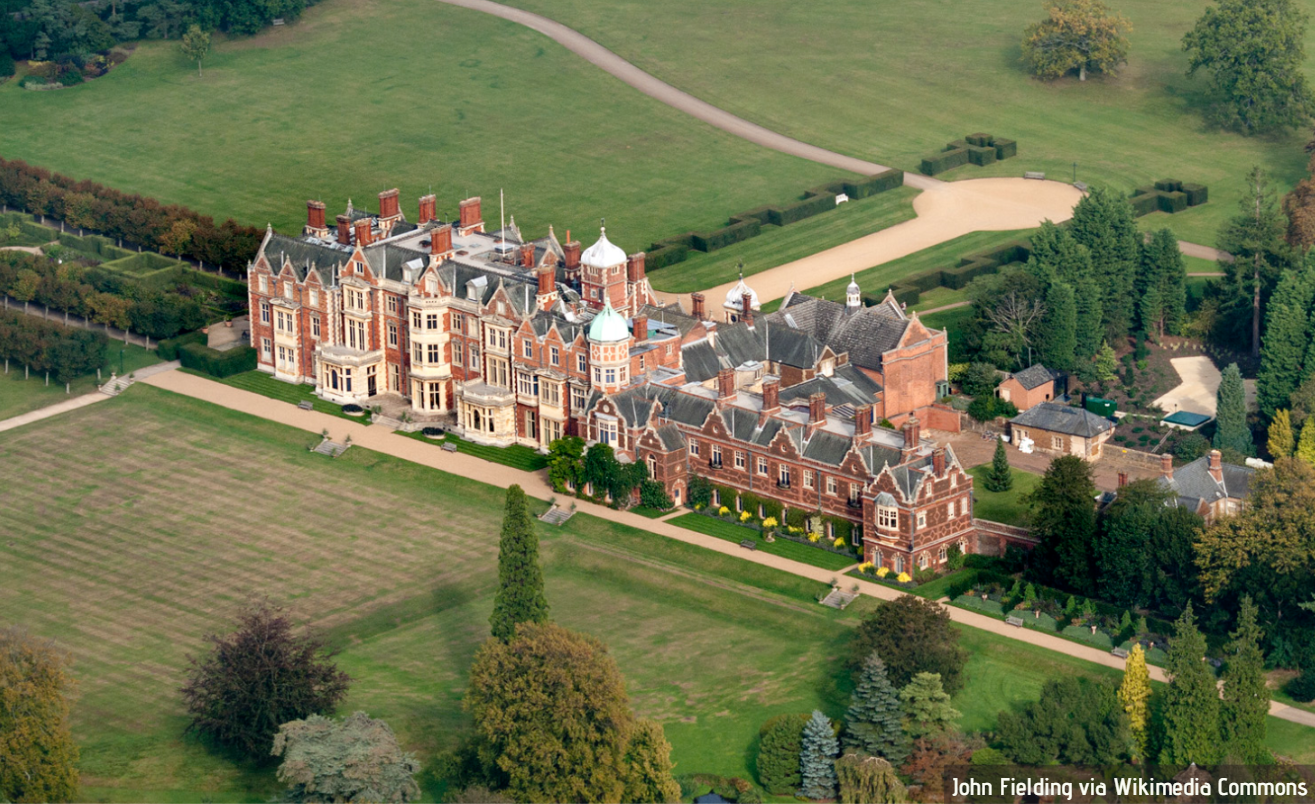
Sandringham House, a Grade I listed building, has been a cherished private residence for the British Royal Family since its purchase by Queen Victoria in 1862. It is particularly significant as the traditional location for the Royal Family’s Christmas celebrations, a practice that has continued for generations. The estate, comprising Sandringham House, its gardens, and the surrounding country estate, offers a vast and historic backdrop, rich with centuries of family history and, as some suggest, spectral residents.
A Pattern of Royal Ghostly Accounts
This alleged incident involving King Charles is not the sole instance of a royal figure reporting an unsettling supernatural experience. Queen Camilla herself has previously spoken of a distinct encounter at Dumfries House in Scotland, a property that underwent extensive restoration under the patronage of King Charles. During an appearance in the documentary "The Real Camilla," the Queen described a profound sense of an "overwhelming presence" upon entering the Scottish stately home, which rendered her unable to proceed further.
"There was definitely a ghost – without a shadow of a doubt," Queen Camilla stated in the documentary, her voice conveying a sense of conviction. She recalled her initial visit to Dumfries House during its renovation phase, recounting, "I remember the first time I walked up the steps, got into the hall and I thought, ‘I can’t go any further.’ I literally froze. If my hair could stand on end, it would have done." The Queen further elaborated on the profound impact of this experience, admitting that she left the property with a firm resolve not to return for a considerable period. "I remember leaving and thinking, ‘I don’t want to come back here again,’ and I didn’t for a few years," she recalled.
Interestingly, Queen Camilla also suggested that the atmosphere at Dumfries House underwent a noticeable transformation following the completion of the renovation works. "Whatever was there had disappeared. The whole thing seemed to be smiling again," she observed, hinting at a possible resolution or dissipation of the spectral presence.
Buckingham Palace: A Reported Haunting Ground
The spectral whispers extend beyond Sandringham and Dumfries House, with Richard Felix also pointing to Buckingham Palace as a site of alleged paranormal activity. The historian claims that the official London residence of the monarch is reportedly haunted by the spirit of a monk. Felix’s explanation for this alleged haunting is rooted in the historical context of the Palace’s location. He asserts that Buckingham Palace was constructed on a site that was previously associated with the monks of Westminster Abbey.
Describing the purported apparition, Felix detailed that the monk is often seen wearing a cowl, or hood, as he is observed wandering through the corridors of the iconic royal residence. This imagery evokes a sense of historical continuity and a lingering presence from centuries past, adding another layer to the mystique surrounding the Royal Palaces.
Historical Context of Royal Residences and Folklore
The association of historical buildings, particularly those with a long and storied past like royal residences, with ghostly tales is a recurring theme in folklore and popular culture. These narratives often emerge from the deep historical layers of these locations, which have witnessed centuries of human events, both grand and intimate. The psychological impact of such venerable structures, coupled with the inherent mystery surrounding life and death, can foster an environment where such stories take root and flourish.
Sandringham, as a private royal retreat, has been the backdrop for numerous significant family moments, from joyous celebrations to private reflections. Its extensive grounds and historic architecture provide fertile ground for imaginative speculation. Similarly, Dumfries House, with its rich history and architectural significance, has its own narrative tapestry. The accounts shared by King Charles and Queen Camilla, whether interpreted literally or metaphorically, contribute to the enduring mystique of these iconic landmarks.
The Nature of Paranormal Claims and Royal Secrecy
It is important to note that paranormal claims, by their very nature, are difficult to verify through empirical evidence. Accounts of ghosts and supernatural encounters often rely on personal testimony and subjective experiences. In the context of the Royal Family, where privacy and decorum are paramount, such personal anecdotes, when they do emerge, carry a unique weight. The fact that senior members of the Royal Family have, on occasion, shared such experiences suggests a genuine conviction or a deeply felt impression on their part.
The British monarchy, while a symbol of tradition and continuity, also operates within a sphere where public interest often intersects with private lives. Stories of a more unconventional nature, such as alleged ghost sightings, tend to capture public imagination, offering a glimpse into the human side of royal figures and the historical depth of their ancestral homes.
Implications and Broader Significance
The recurrence of such ghostly narratives surrounding prominent royal figures and their residences raises several points of interest. Firstly, it highlights the enduring power of folklore and the human fascination with the unexplained. Secondly, it provides a unique lens through which to view the historical and architectural significance of these royal properties, imbuing them with an added layer of intrigue.
Furthermore, these accounts, even if unverified, contribute to the rich tapestry of royal history and legend. They offer a different perspective on the lived experiences within these historic walls, moving beyond the formal portraits and official duties to explore more personal and perhaps more primal encounters. The reported fear of King Charles, described as "terrified," in the Sandringham incident, underscores the potential impact of such an experience, regardless of its objective reality. Similarly, Queen Camilla’s vivid description of being "frozen" and her hair standing on end conveys a powerful, visceral reaction.
The continued discussion of these alleged supernatural events by paranormal historians and media outlets ensures that these stories persist, woven into the broader narrative of the British Royal Family and their storied estates. Whether these accounts are viewed as factual occurrences or as reflections of the atmospheric and historical weight of these locations, they undeniably add a captivating dimension to the public’s perception of royalty and its ancient abodes. The ongoing fascination with such tales suggests a deep-seated human curiosity about the unseen and the enduring allure of mystery surrounding even the most public of lives.



 Nila Kartika Wati

 Lina Irawan

 Yuyun Lusiyani

 Ana Megawati

 Joko Widodo
