
 Joko Widodo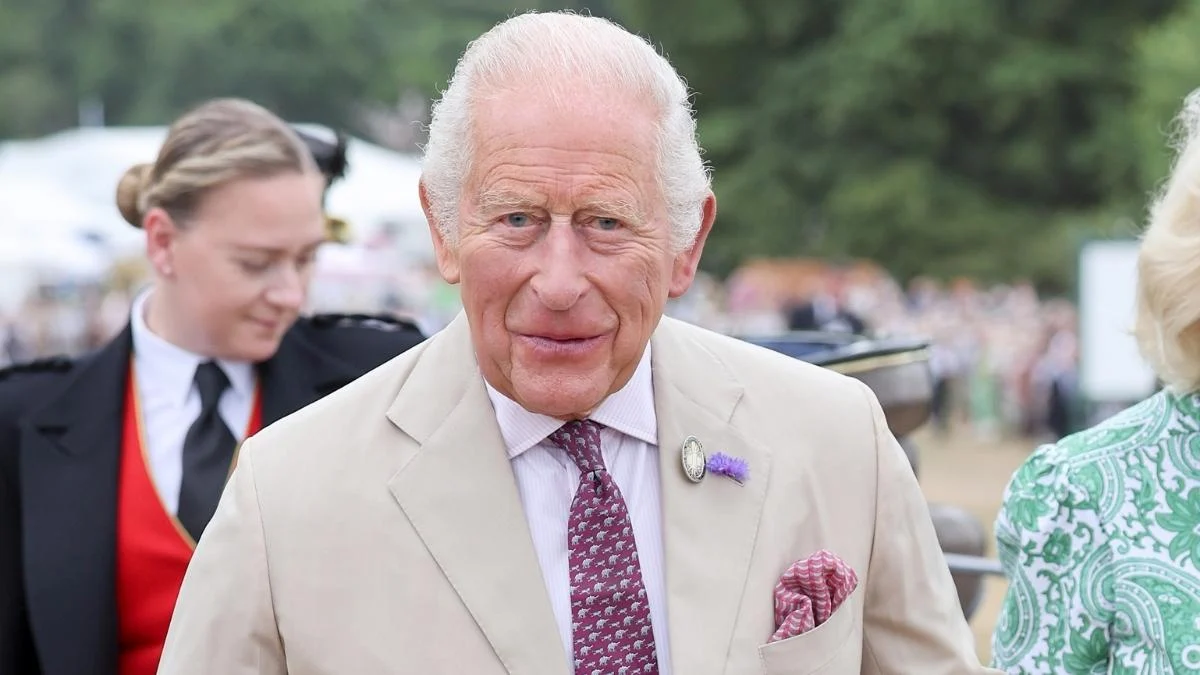
King Charles III, known for his enduring sense of humor, once again delighted the public with a characteristic display of wit during a recent engagement at the Sandringham Flower Show. The monarch’s quick, self-deprecating response came after a fellow 77-year-old attendee complimented his youthful appearance, a moment that quickly captured the attention of onlookers and media alike. The interaction, imbued with the King’s signature dry humor, underscored his ability to connect with the public on a personal level, even amidst his ongoing health treatments and the demanding schedule of royal duties.
A Royal Visit to Sandringham: Celebrating Horticulture and Community
The Sandringham Flower Show, a cherished annual event held on the Sandringham Estate in Norfolk, marks a significant date in the royal calendar. This year, King Charles III and Queen Camilla graced the opening day of the horticultural extravaganza, engaging with visitors, admiring the meticulously curated floral displays, and presenting awards to deserving participants. The show, which typically draws thousands of gardening enthusiasts and local residents, serves not only as a celebration of British gardening prowess but also as a vital platform for fostering community spirit and showcasing local talent. The estate itself, a private residence of the Royal Family since 1862, provides a picturesque and historically rich backdrop for such events, further enhancing their appeal.
The tradition of royal patronage at the Sandringham Flower Show dates back through generations, reflecting the Royal Family’s long-standing interest in agriculture, conservation, and the rural landscape. King Charles, in particular, has a well-documented passion for environmentalism and sustainable gardening practices, making his presence at the show particularly resonant. His personal involvement in various horticultural initiatives, including his own organic farming at Highgrove House, has been a hallmark of his public life. The show’s emphasis on showcasing innovative gardening techniques and promoting biodiversity aligns perfectly with the King’s long-held advocacy for ecological stewardship.
The Encounter: A Shared Age, A Witty Retort
During their tour of the show’s vibrant exhibits, King Charles and Queen Camilla made a point of interacting with the many well-wishers who had gathered to catch a glimpse of the royal couple. It was during one such exchange that a moment of charming serendipity unfolded. A member of the public, who revealed they were also 77 years old – the same age as the monarch – offered a sincere compliment, remarking, "You look good for your 77 years."
This observation, intended as a genuine appreciation, prompted an immediate and characteristically humorous response from King Charles. With a twinkle in his eye and a wry smile, the King replied, "It gets much harder, doesn’t it?" This concise, six-word retort, delivered with his characteristic understated delivery, elicited smiles and chuckles from those within earshot. The exchange, as reported by Sky News, underscored the monarch’s ability to find levity in everyday situations and his comfort in engaging with the public in a natural and relatable manner. The moment served as a poignant reminder of his public persona, one that balances regal duty with an accessible and good-humored disposition.
A Glimpse into Resilience: Health and Hope
The cheerful interaction at Sandringham comes at a significant juncture for King Charles, who has been undergoing treatment for an unspecified form of cancer. Buckingham Palace announced the diagnosis in February 2024, prompting a period of public reflection and widespread well-wishes for the monarch’s recovery. While details regarding his health have been kept largely private, as is customary for royal family matters, the King has continued to undertake a measured program of public duties, demonstrating a remarkable degree of resilience.
Earlier in the year, during his participation in Channel 4’s "Stand Up To Cancer" campaign, King Charles offered a hopeful perspective on his treatment. He revealed that, thanks to early diagnosis and effective medical intervention, his treatment schedule could potentially be reduced. "Thanks to early diagnosis, effective intervention and adherence to doctors’ orders, my own schedule of cancer treatment can be reduced," he stated, expressing a hope that his personal experience might encourage others facing similar health challenges to seek prompt medical attention. This candid, albeit brief, insight into his health journey provided reassurance to the public and highlighted his commitment to using his platform to promote important health messages.
A Pattern of Playful Banter: Age and Experience
This instance of the King using humor to address his age and current health situation is not an isolated event. Earlier in the month, during a visit to the Heroes on the Water charity on the Isle of Man, he shared another lighthearted exchange with a centenarian. Upon meeting 104-year-old Second World War veteran James Fenton, who inquired about the King’s well-being, Charles responded with a playful remark: "Not too bad, thank you very much, but I don’t know how you do it. It’s bad enough at my age." This recurring theme of self-deprecating humor in discussions about age and vitality suggests a conscious effort by the King to maintain a connection with his subjects through relatable and often amusing observations. These interactions, seemingly minor, contribute to a broader narrative of a monarch who is navigating significant personal challenges with grace and a consistent sense of humor.
Further Royal Interactions at Sandringham
Beyond the memorable exchange about age, the King’s visit to the Sandringham Flower Show was marked by several other noteworthy moments. One visitor observed a striking resemblance between King Charles and his late mother, Queen Elizabeth II, a comment that elicited a quiet, amused response from the monarch. Queen Camilla also shared in the lighthearted atmosphere, with both royals visibly enjoying a particularly whimsical floral display creatively fashioned within an upcycled toilet. These candid moments of shared amusement and observation further illustrate the relaxed and engaging nature of the royal couple’s public engagements.
The Sandringham Flower Show, with its emphasis on natural beauty and community connection, provided a fitting stage for these displays of royal warmth and wit. The event, which typically showcases hundreds of exhibitors ranging from professional horticulturalists to amateur gardeners, often features competitions for best in show, most innovative design, and, of course, the most stunning floral arrangements. The presence of the King and Queen serves to elevate the profile of the event and acknowledge the dedication and passion of those involved in the horticultural community. Data from previous years indicates that such royal visits often lead to increased public interest and participation in similar events, thereby supporting local economies and promoting the arts and crafts associated with gardening.
Broader Implications and Royal Diplomacy
King Charles’s ability to engage with the public through humor has significant implications for his role as a modern monarch. In an era where public perception is increasingly shaped by personal interactions and perceived authenticity, the King’s ready wit serves as a valuable tool for fostering goodwill and maintaining a connection with a diverse populace. His self-effacing remarks about age and the challenges of life can resonate with people from all walks of life, breaking down the traditional barriers that might exist between the Crown and its subjects.
Furthermore, these interactions can be seen as a subtle form of public diplomacy. By presenting himself as approachable and relatable, the King helps to project an image of a monarchy that is in touch with the concerns and experiences of ordinary people. This is particularly important at a time when the role and relevance of the monarchy are subjects of ongoing discussion. His continued public engagements, even while undergoing medical treatment, also send a powerful message of commitment and duty, demonstrating his dedication to serving the nation.
The fact that these moments of humor are occurring against the backdrop of his cancer treatment adds another layer of significance. It showcases a personal resilience and a determination to continue fulfilling his responsibilities, inspiring hope and demonstrating strength in the face of adversity. This public display of fortitude, coupled with his characteristic warmth, contributes to a positive and enduring public image, reinforcing his position as a respected and admired figurehead. The careful balance of personal vulnerability and unwavering duty is a delicate art, and King Charles appears to be navigating it with considerable skill and a consistent touch of humor.




 Jia Lissa
 Yuyun Lusiyani
 Eva Lovia

 Pevita Pearce