
 Amara Maple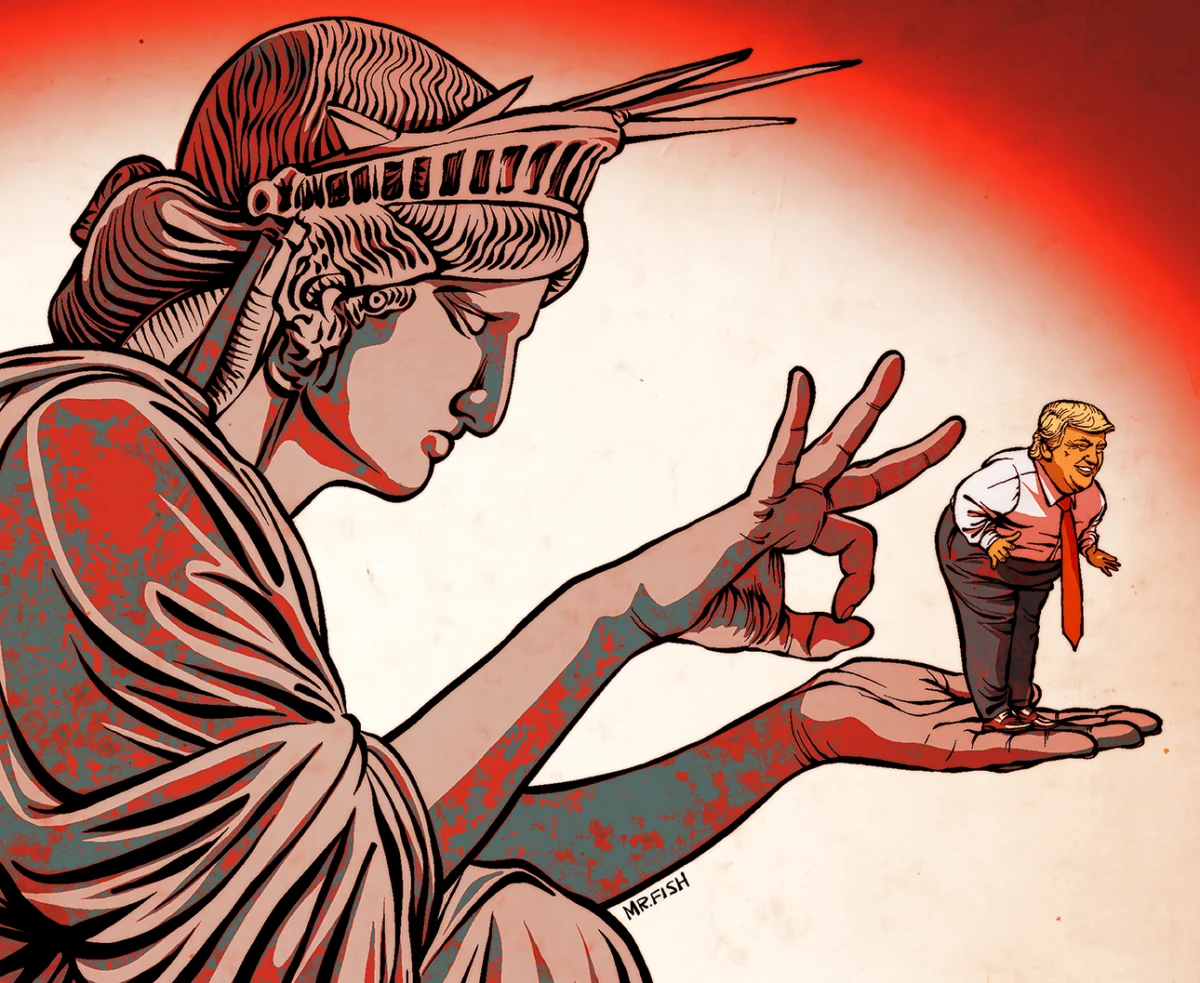
Washington D.C. – Esteemed consumer advocate Ralph Nader and distinguished constitutional lawyer and scholar Bruce Fein are set to convene the second in a pivotal series of symposia dedicated to exploring the imperative for the impeachment and removal of President Donald Trump. Scheduled for July 22, 2026, this significant gathering aims to delve into an expansive array of alleged constitutional breaches and abuses of power, drawing together a diverse consortium of legal experts, political figures, and public advocates to strategize on accountability measures. The event, poised to ignite further public discourse on presidential conduct and the rule of law, underscores a persistent effort by these influential figures to address concerns they deem critical to the nation’s democratic health.
The symposium will be hosted at the Senate Visitors Center, Room 201-00, in Washington, D.C., and is open to the public, emphasizing a commitment to transparent and accessible civic engagement. Potential attendees are required to respond by Monday, July 20, at 10:00 a.m., with registration available via a dedicated online form. This call for public participation highlights the organizers’ belief that the issues at stake transcend partisan politics and demand broad societal attention and understanding.
A Deep Dive into Allegations and Constitutional Scrutiny
The forthcoming discussions are slated to focus on a comprehensive list of serious allegations against President Trump, reflecting a profound concern for the integrity of the American presidency and the foundational principles of constitutional governance. The organizers have articulated a robust agenda, highlighting specific areas of concern that include, but are not limited to, criminal wars of aggression, murder, piracy, kidnapping, bribery, extortion, the alleged auctioning off of pardons, and a failure to faithfully execute the laws of the United States. Furthermore, the symposium will examine accusations of abusing prosecutorial discretion to favor political allies and donors while harassing opponents, employing government power to silence critics, and ruling by decree through what are termed "bogus declarations of national emergencies." The agenda also encompasses critical discussions on alleged racist and xenophobic attacks on immigrants and the purported systemic "decapitation" of crucial consumer welfare, health, safety, and environmental agencies.
These charges, collectively, represent a broad and deeply concerning indictment of presidential conduct as perceived by the organizers and participating scholars. The inclusion of allegations such as "criminal wars of aggression" points to a focus on foreign policy decisions and their adherence to international and domestic legal frameworks, echoing long-standing debates about presidential war powers and accountability. Similarly, the accusations surrounding bribery, extortion, and the auctioning of pardons touch upon core issues of corruption, abuse of office, and the integrity of the justice system, matters that have frequently emerged in public debate throughout various presidential administrations. The alleged weaponization of prosecutorial discretion and governmental power against critics raises fundamental questions about civil liberties, freedom of speech, and the non-partisan application of justice, while the focus on national emergencies speaks to concerns about executive overreach and the circumvention of legislative authority. Finally, the critique regarding environmental, health, and safety agencies reflects broader policy disagreements and concerns about regulatory capture or dismantling that could have long-term societal impacts.
Background and Chronology of the Impeachment Movement
The decision by Ralph Nader and Bruce Fein to host this symposium is not an isolated event but rather a continuation of a sustained effort to hold high-ranking officials accountable, particularly within the executive branch. Ralph Nader, a political activist, author, lecturer, and attorney, has been a towering figure in American public advocacy for over six decades. His pioneering work in consumer protection, environmentalism, and corporate accountability has established him as a relentless critic of unchecked power, whether corporate or governmental. Nader’s history of challenging established norms and advocating for systemic change provides significant context for his involvement in such a high-stakes constitutional debate. His previous presidential campaigns, though largely symbolic, consistently aimed to elevate issues of democracy, corporate influence, and governmental transparency, aligning perfectly with the symposium’s objectives.
Bruce Fein, a constitutional lawyer and former Associate Deputy Attorney General under President Ronald Reagan, brings a profound understanding of constitutional law and government ethics to the table. Fein has a long and distinguished career marked by his expertise on impeachment, having previously called for the impeachment of several presidents from both parties based on his interpretation of their actions violating constitutional principles. His conservative constitutionalist perspective lends a unique dimension to the impeachment debate, transcending typical partisan divides and grounding the discussion in fundamental legal and constitutional principles rather than purely political motivations. His involvement underscores the argument that the call for accountability is rooted in constitutional fidelity, not merely political opposition.
The "second in a series" designation implies a foundational first symposium, likely held earlier, which would have established the legal and constitutional precedents for their arguments, perhaps outlining the "high crimes and misdemeanors" threshold as applied to President Trump. While specific details of the first symposium are not provided in the original text, one can infer it likely laid the groundwork, articulated the legal framework, and perhaps assessed the initial feasibility and public reception of such an initiative. This current symposium, therefore, builds upon that foundation, shifting focus from why impeachment might be warranted to how it could be strategically pursued, examining specific avenues for action.
President Trump’s tenure was already marked by two impeachments by the House of Representatives, an unprecedented historical occurrence. The first impeachment in late 2019 centered on accusations of abuse of power and obstruction of Congress related to his dealings with Ukraine. The second, in early 2021, followed the January 6th Capitol insurrection, charging him with incitement of insurrection. Both instances, despite leading to House impeachment, did not result in conviction and removal by the Senate. This historical context informs the current symposium, as organizers and participants grapple with the complexities of securing accountability in a deeply polarized political environment. The fact that calls for impeachment persist even after two failed attempts, and after Trump has left office (and potentially considering a future run), highlights the depth of concern among certain segments of the legal and activist communities regarding his past actions and potential future conduct.
Strategies for Accountability and the Role of Key Stakeholders
A significant portion of the symposium will be dedicated to exploring concrete strategies for "defeating President Trump’s dictatorial ambitions." These strategies are envisioned to extend beyond traditional federal impeachment processes, encompassing state authorities, the influential role of law professors, and support for specific legislative initiatives like House Resolution 1155.
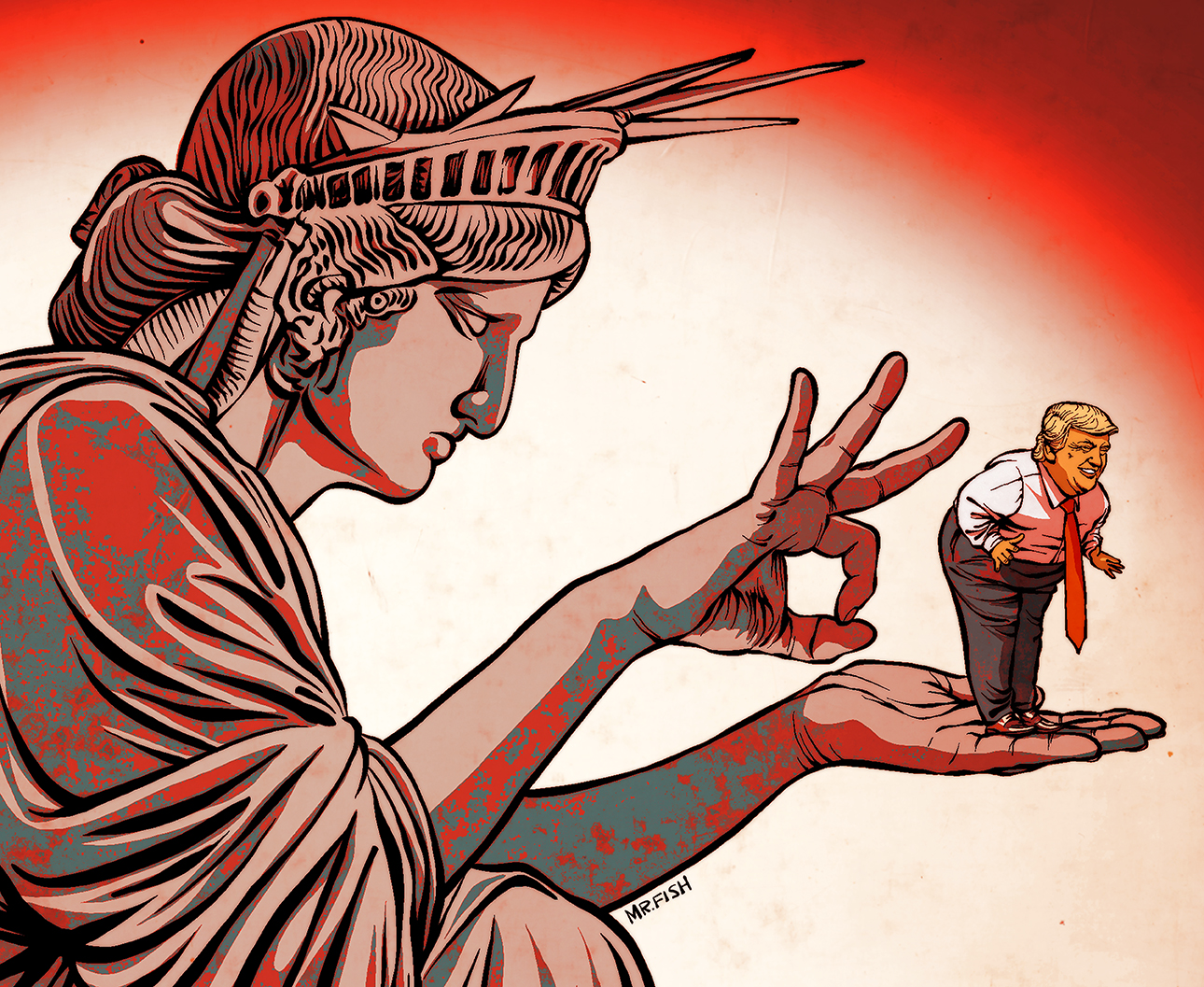
The concept of leveraging "state authorities" in presidential accountability is particularly intriguing and reflects an innovative approach. This could involve discussions on state-level investigations into alleged criminal conduct, state attorney generals pursuing legal actions where federal inaction is perceived, or even the potential for state legislative bodies to pass resolutions or take actions that put pressure on federal processes. Such an approach acknowledges the limitations of a federally-driven impeachment process, especially when political will in Congress might be lacking, and seeks alternative pathways for justice and accountability within the broader federal system.
Law professors are positioned as critical intellectual architects in this endeavor. Their role involves meticulously analyzing constitutional law, articulating legal arguments for impeachment and removal, educating the public, and advising policymakers. Their academic rigor and perceived impartiality can lend significant weight to arguments, shaping both public opinion and legislative strategies. By convening leading legal scholars, the symposium aims to solidify the intellectual and constitutional foundations for their proposed actions.
The mention of "House Resolution 1155" indicates a specific legislative target or model. While the exact details of this hypothetical resolution are not provided, it can be inferred to be a proposed legislative measure that either outlines new grounds for impeachment, calls for specific investigations, or perhaps aims to reform the impeachment process itself. Support for such a resolution would signify a push for congressional action, even if symbolic or aspirational, to reinforce the constitutional mechanisms for presidential oversight. This legislative component underscores the belief that, ultimately, congressional action remains a vital avenue for addressing alleged presidential misconduct.
Distinguished Speakers and Their Contributions
The symposium boasts an impressive roster of speakers, each bringing unique expertise and perspectives to the complex issues at hand. Ralph Nader will deliver the opening remarks, setting the tone and framing the overarching objectives of the gathering.
Among the confirmed speakers are:
- Congressman Steve Cohen (D-Tennessee): A prominent member of the House Judiciary Committee, Congressman Cohen has been a vocal proponent of presidential accountability and has actively participated in past impeachment proceedings. His legislative experience and insights into the political realities of Congress will be invaluable.
- Richard Painter (Chief White House ethics lawyer under George W. Bush): Painter’s participation is particularly significant. As a former Republican appointee and a staunch critic of President Trump’s ethical conduct, his perspective transcends partisan lines, lending credibility to the arguments for accountability based purely on legal and ethical principles.
- Erwin Chemerinsky (Dean, UC Berkeley Law School): One of the nation’s foremost constitutional scholars, Dean Chemerinsky’s expertise on presidential power, constitutional law, and civil liberties will provide a deep academic grounding for the discussions.
- Celinda Lake (President, Lake Research Partners): As a leading pollster and political strategist, Lake will offer insights into public opinion dynamics surrounding impeachment and accountability, crucial for understanding the broader political feasibility and impact of such efforts.
- Michael J. Gerhardt (Pre-eminent scholar on Impeachment and the Constitution): Gerhardt’s extensive academic work and prior testimony in impeachment proceedings establish him as a definitive authority on the constitutional framework and historical precedents of impeachment.
- Suparna Reddy (Senior Counsel, Free Speech For People): Reddy’s involvement highlights the focus on democratic integrity and free speech, particularly concerning allegations of governmental attempts to silence critics. Her organization’s work on defending democracy and challenging abuses of power aligns directly with the symposium’s themes.
- William D. Hartung (Senior Research Fellow, Quincy Institute for Responsible Statecraft): Hartung’s expertise in foreign policy and military spending will be crucial for addressing the charges related to "criminal wars of aggression," providing a critical perspective on international relations and responsible statecraft.
- Mark Green (former New York City Public Advocate): Green’s background in public advocacy and consumer rights connects directly to Ralph Nader’s enduring concerns about protecting ordinary citizens from powerful institutions, including an overreaching executive branch.
- Congressman Al Green (D- Texas): Tentatively confirmed, Congressman Green has been a long-standing and fervent advocate for President Trump’s impeachment, bringing a strong legislative voice and a history of activism on this issue.
This diverse group of speakers, encompassing legislative leaders, top legal scholars, ethics experts from across the political spectrum, and public advocacy specialists, reflects a deliberate attempt to present a multi-faceted and robust case for presidential accountability. Their combined expertise will provide a comprehensive examination of the constitutional, legal, ethical, and political dimensions of impeachment and removal.
Logistics and Broader Implications
The symposium is scheduled to run from 11:00 a.m. to 3:00 p.m., with coffee available from 11:00 a.m. and lunch served at 12:15 p.m., facilitating an engaging and productive environment for discussion. The detailed scheduling indicates a structured approach to covering the extensive agenda, allowing for in-depth presentations and presumably, opportunities for questions and further dialogue among attendees and panelists.
The implications of this symposium extend far beyond the immediate discussions. Firstly, it signals a continued, resolute effort by prominent public figures to keep the issue of presidential accountability at the forefront of national dialogue, even years after specific events have occurred. This persistence challenges the notion that constitutional breaches can be dismissed or forgotten over time, particularly when they involve potential threats to democratic norms and institutions.
Secondly, the focus on specific, serious allegations – from criminal wars to subverting democratic processes – serves as a powerful reminder of the responsibilities inherent in the highest office and the constitutional mechanisms designed to check executive power. By meticulously detailing these charges and discussing strategies for redress, the symposium aims to educate the public and galvanize support for stronger safeguards against presidential overreach.
Thirdly, the inclusion of strategies involving state authorities and legislative resolutions underscores a broader search for effective mechanisms of accountability in a political landscape often characterized by gridlock and partisan entrenchment. It suggests a recognition that traditional federal impeachment, while constitutionally defined, faces significant political hurdles, necessitating exploration of alternative or complementary avenues.
Finally, the participation of such a distinguished and ideologically diverse group of experts reinforces the argument that the issues at stake are not merely partisan grievances but fundamental concerns about the health and future of American democracy. This collaborative effort by legal scholars, ethicists, and political advocates aims to contribute to a more informed public discourse, ensuring that the principles of the rule of law and constitutional governance remain paramount in the national consciousness. The symposium, therefore, is not just a meeting but a declaration of ongoing vigilance and a call to action for the preservation of democratic integrity.



 Yuyun Lusiyani
 Ana Megawati
 Joko Widodo
 Eva Lovia
 Jia Lissa
 Pevita Pearce