
 Lina Irawan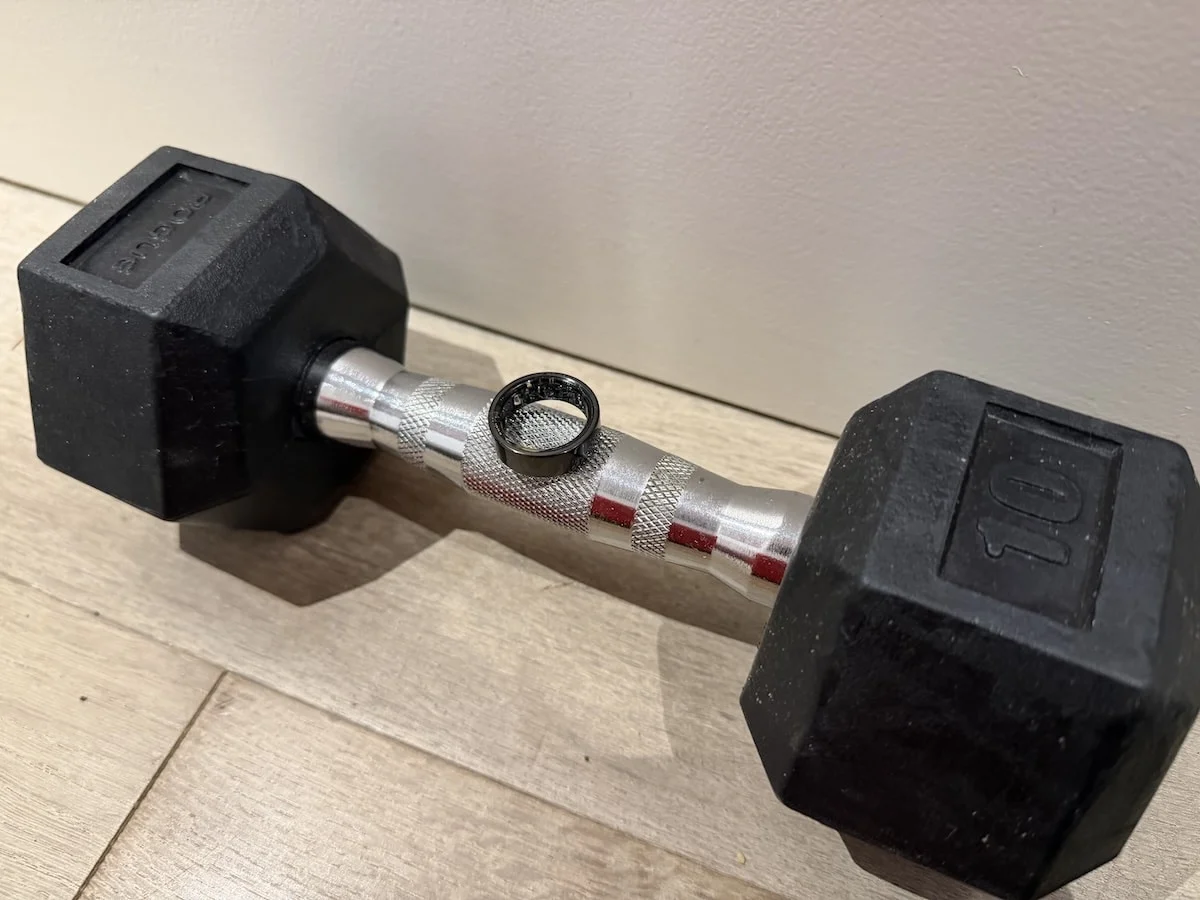
The wearable technology landscape is currently undergoing a significant paradigm shift as consumers increasingly move away from the notification-heavy environment of smartwatches toward the discreet, data-focused utility of smart rings. While the smartwatch has long been considered the gold standard for fitness tracking due to its multiple contact points and ample internal space for complex sensors, a growing segment of the market is seeking a more passive experience. The second-generation Luna Ring has emerged as a notable contender in this burgeoning sector, positioning itself as a high-performance alternative that eschews the monthly subscription models popularized by industry leaders like Oura. Priced at $499, the Luna Ring Gen 2 offers a comprehensive suite of health metrics designed for users who prioritize aesthetic flexibility and mental well-being by reducing "screen time" on the wrist.
The Evolution of Biometric Wearables: A Chronology
To understand the significance of the Luna Ring Gen 2, one must look at the broader timeline of fitness tracking technology. The journey began in the early 2000s with basic pedometers, eventually evolving into the wrist-based revolution led by Fitbit in the late 2000s and the Apple Watch in 2015. However, as smartwatches became increasingly tethered to the smartphone ecosystem—delivering texts, emails, and alerts—a "notification fatigue" began to set in among fitness enthusiasts.
By 2020, the smart ring market began to gain traction, promising a way to collect high-fidelity biometric data without the distractions of a digital interface. The first generation of smart rings proved the concept, but they often struggled with battery life and sensor accuracy. The 2024 release of the Luna Ring Gen 2 represents the "mature" phase of this technology, where the hardware has shrunk sufficiently to fit a week’s worth of battery and a medical-grade sensor array into a form factor no larger than a traditional wedding band.
Technical Specifications and Sensor Architecture
The Luna Ring Gen 2 is constructed using aerospace-grade titanium with a PVD coating, ensuring a high strength-to-weight ratio and resistance to daily abrasions. Despite its metallic exterior, the inner molding is composed of a non-allergenic, non-metallic resin that houses a sophisticated array of sensors. The device utilizes Photoplethysmography (PPG) technology, employing green LEDs for optical heart rate monitoring and red lights for blood oxygen (SpO2) saturation levels.
Complementing the optical sensors is a 3-axis accelerometer, which tracks movement patterns, and a dedicated skin temperature sensor. This combination allows the device to monitor a wide range of metrics, including heart rate variability (HRV), sleep stages, respiratory rate, and active calorie burn. One of the most significant technical achievements of the Gen 2 model is its power management. The ring provides up to five days of continuous monitoring on a single charge, while the included charging case—which contains its own internal battery—extends the total portable power to 30 days. This stands in stark contrast to the 18-to-48-hour battery life typical of high-end smartwatches.
The Psychological Shift: From Active to Passive Monitoring
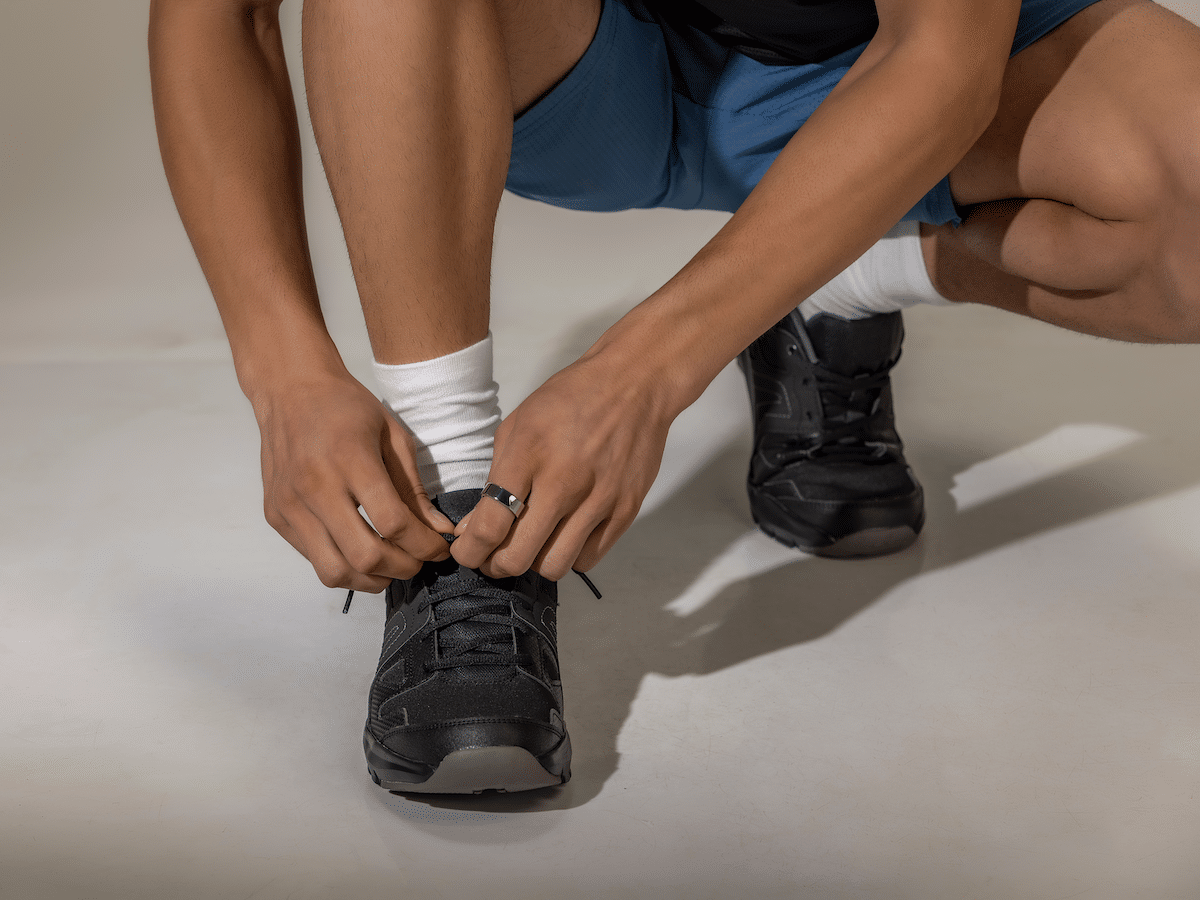
A critical aspect of the Luna Ring experience is the transition from real-time metric viewing to retrospective analysis. On a smartwatch, users are conditioned to check their heart rate or pace mid-workout. This "active" monitoring can often disrupt the "flow state" of exercise, turning a physical activity into a data-entry task. The Luna Ring, by virtue of having no screen, forces a "passive" approach.
Market analysts have noted that this shift encourages "interoception"—the ability to sense the internal state of one’s body. Users must rely on their perceived exertion during a workout and only consult the data afterward via the Luna app. For many, this leads to a healthier relationship with fitness, where the focus remains on the quality of the movement rather than the immediate gratification of a digital readout. However, this transition requires a period of adjustment. For athletes accustomed to interval training or pace-setting, the lack of a screen may initially feel like a loss of control, though the subsequent data richness often compensates for the lack of real-time feedback.

Data Integration and the Luna App Ecosystem
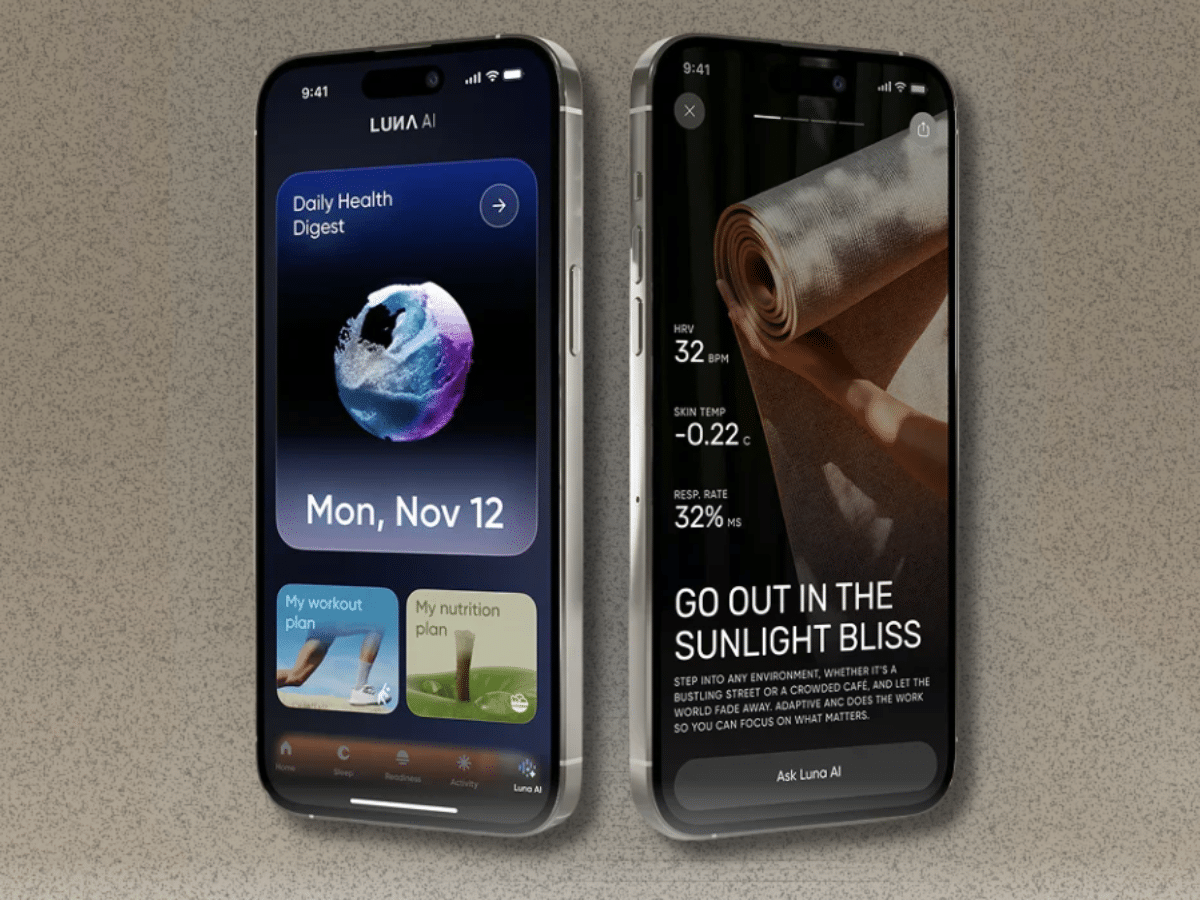
The hardware is only one half of the Luna Ring’s value proposition; the other is the software interface. The Luna app acts as a central repository for an exhaustive list of lifestyle factors. Beyond automated tracking, the app encourages manual logging of water intake, supplement usage, caffeine consumption, alcohol intake, and even sexual activity. This holistic approach aims to provide a "360-degree" view of how daily habits correlate with physiological recovery and sleep quality.
The inclusion of an AI assistant within the app reflects a broader trend in the health-tech industry to move toward "actionable insights" rather than raw data. While early fitness trackers simply told users how many steps they took, the Luna Ring’s AI attempts to interpret that data, offering suggestions on whether a user should push for a personal best or opt for a rest day based on their "readiness score." However, industry experts remain cautious about the utility of these AI features, often viewing them as secondary to the core biometric charts which provide the most objective value to the user.
Market Positioning and the Subscription Model Debate
The most significant disruptor introduced by the Luna Ring Gen 2 is its financial model. In recent years, the wearable market has moved toward a "Software as a Service" (SaaS) model. Leading competitors often require a monthly subscription fee (typically ranging from $6 to $15 USD) to access the full suite of data and long-term trends. Without this subscription, many devices become little more than expensive jewelry with limited functionality.
Luna has taken a different stance, offering all features and data analysis within the initial $499 AUD purchase price. This "buy once, own forever" philosophy has resonated with a consumer base that is increasingly weary of "subscription creep" in their monthly budgets. From a journalistic perspective, this positioning is a direct challenge to the market dominance of Oura and the recently launched Samsung Galaxy Ring, suggesting that there is a viable path for premium hardware that does not rely on recurring revenue streams.
Ergonomics, Design, and Daily Utility
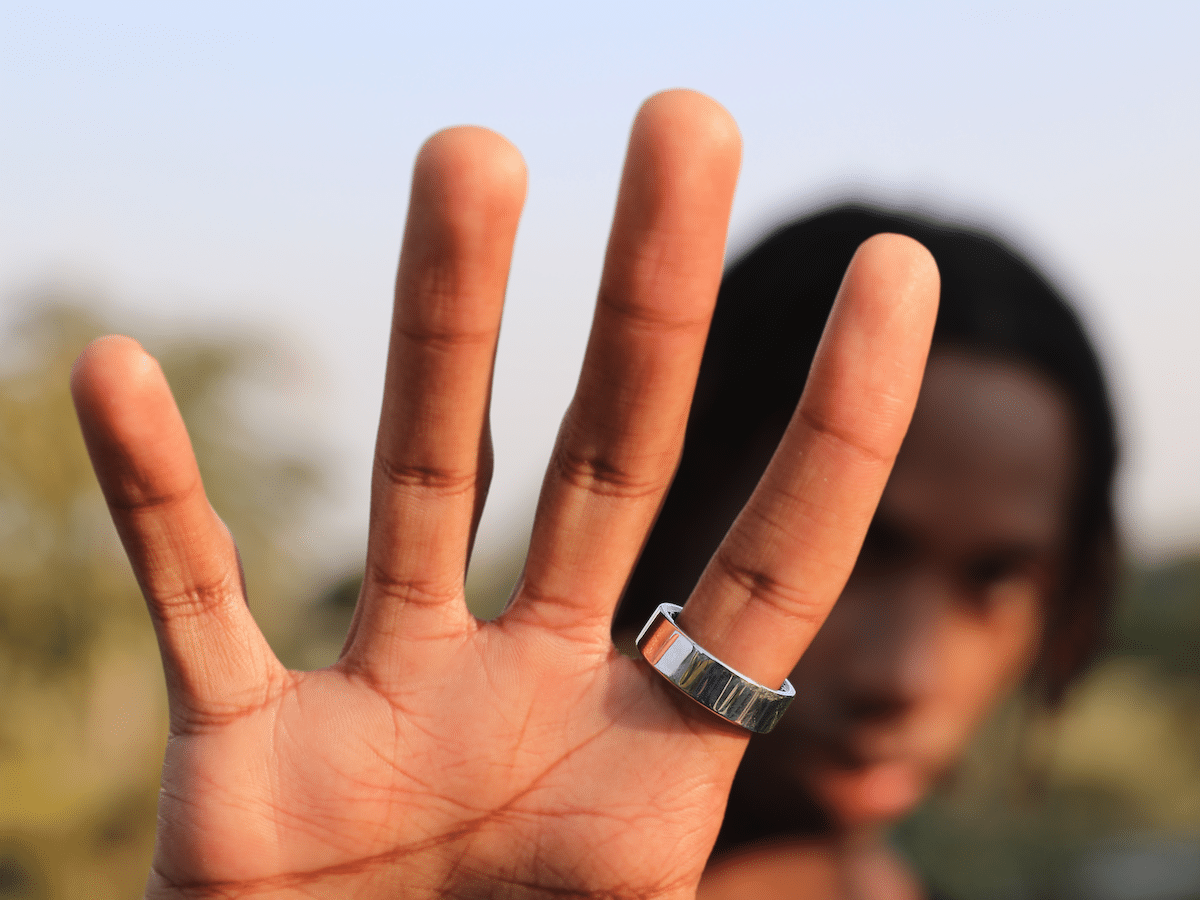
Despite the technological advancements, the physical form of the smart ring remains a point of contention. The Luna Ring Gen 2, while sleek, maintains a "chunky" profile that may not suit all users. With a thickness of 2.9mm and a width of 8mm, it is substantially larger than a traditional decorative ring. This thickness is a functional necessity to house the battery and sensors, but it can present challenges during activities like heavy weightlifting or playing musical instruments, where the ring may interfere with grip or finger dexterity.
Sizing also remains a hurdle for the industry. Unlike a watch strap, which is infinitely adjustable, a ring must fit perfectly to ensure sensor contact without restricting blood flow. The Luna Ring is available in sizes 6 through 14, and the company utilizes a plastic sizing kit to help users find their fit. However, because human fingers swell and contract based on temperature, hydration, and time of day, finding a "perfect" size that works both during a summer afternoon and a cold winter night remains a compromise for the wearer.
Broader Impact and Future Implications
The success of devices like the Luna Ring Gen 2 signals a broader trend in "invisible technology." As sensors become more efficient and smaller, the need for bulky, glowing screens on every limb is diminishing. This has profound implications for digital wellness, potentially reducing the constant urge to check devices and allowing technology to fade into the background of daily life.
Furthermore, the data collected by these devices is becoming increasingly valuable for preventative healthcare. By monitoring skin temperature and HRV over months rather than days, these rings can often detect the onset of illness or overtraining before the user feels physical symptoms. While the Luna Ring is not a medical device and should not be used for diagnosis, the democratization of high-level biometric data allows individuals to take a more proactive role in their health management.
In conclusion, the Luna Ring Gen 2 represents a significant milestone in the evolution of wearable health technology. By combining robust sensor hardware with a consumer-friendly pricing model and a focus on passive, non-intrusive monitoring, it offers a compelling alternative for those looking to exit the smartwatch ecosystem. While physical bulk and the lack of real-time feedback remain inherent trade-offs of the form factor, the device succeeds in its primary mission: providing deep, actionable health insights without the burden of constant digital noise or recurring monthly fees.



 Yuyun Lusiyani
 Joko Widodo
 Jia Lissa
 Pevita Pearce
 admin
admin
