
 Lina Irawan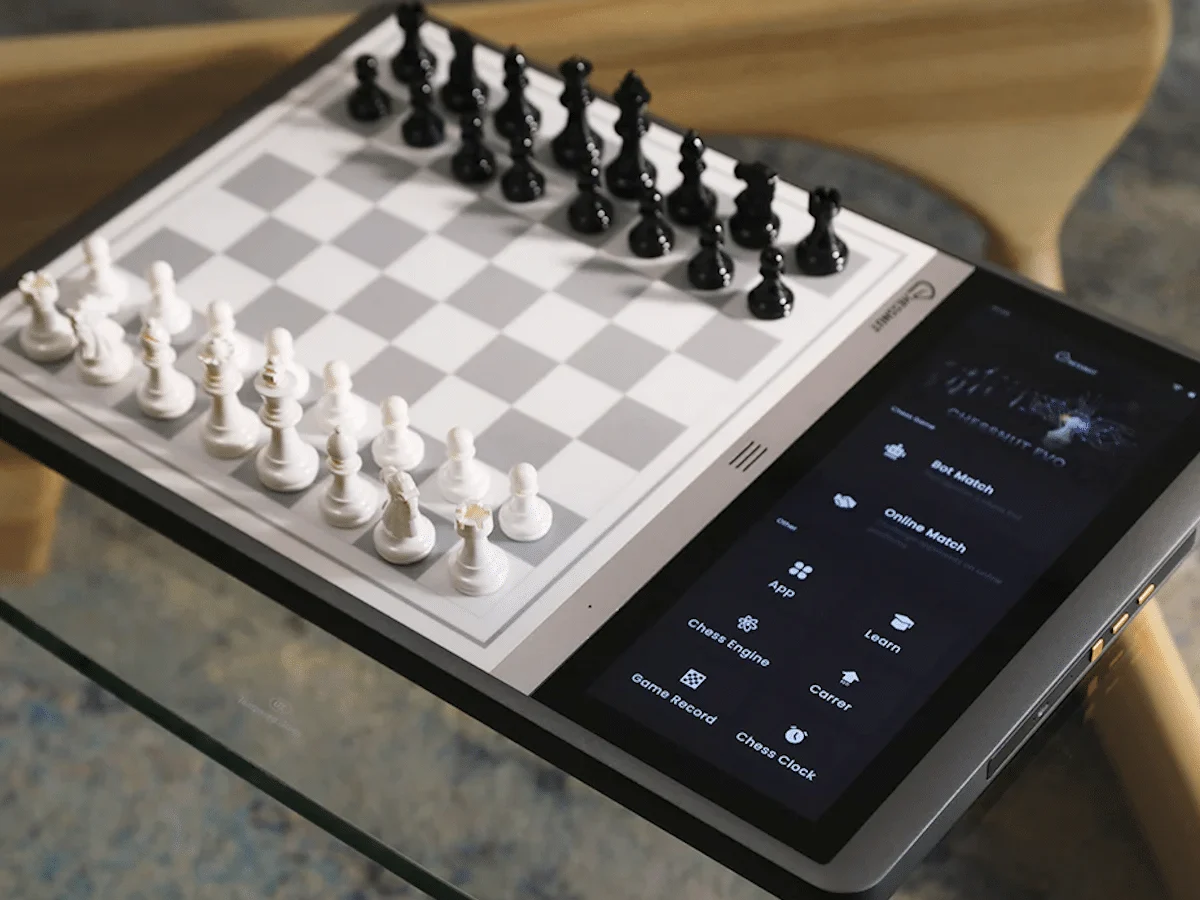
The luxury and technology sectors have seen a significant convergence in early 2026, as evidenced by the latest curated selections from industry experts at Man of Many. This week’s highlights underscore a growing consumer interest in high-age-statement spirits, integrated artificial intelligence in traditional tabletop gaming, and the continued evolution of screenless wearable health technology. These developments reflect broader market trends where heritage craftsmanship is being balanced against rapid digital innovation.
The Australian Spirits Market and the Milestone of Aged Single Malts
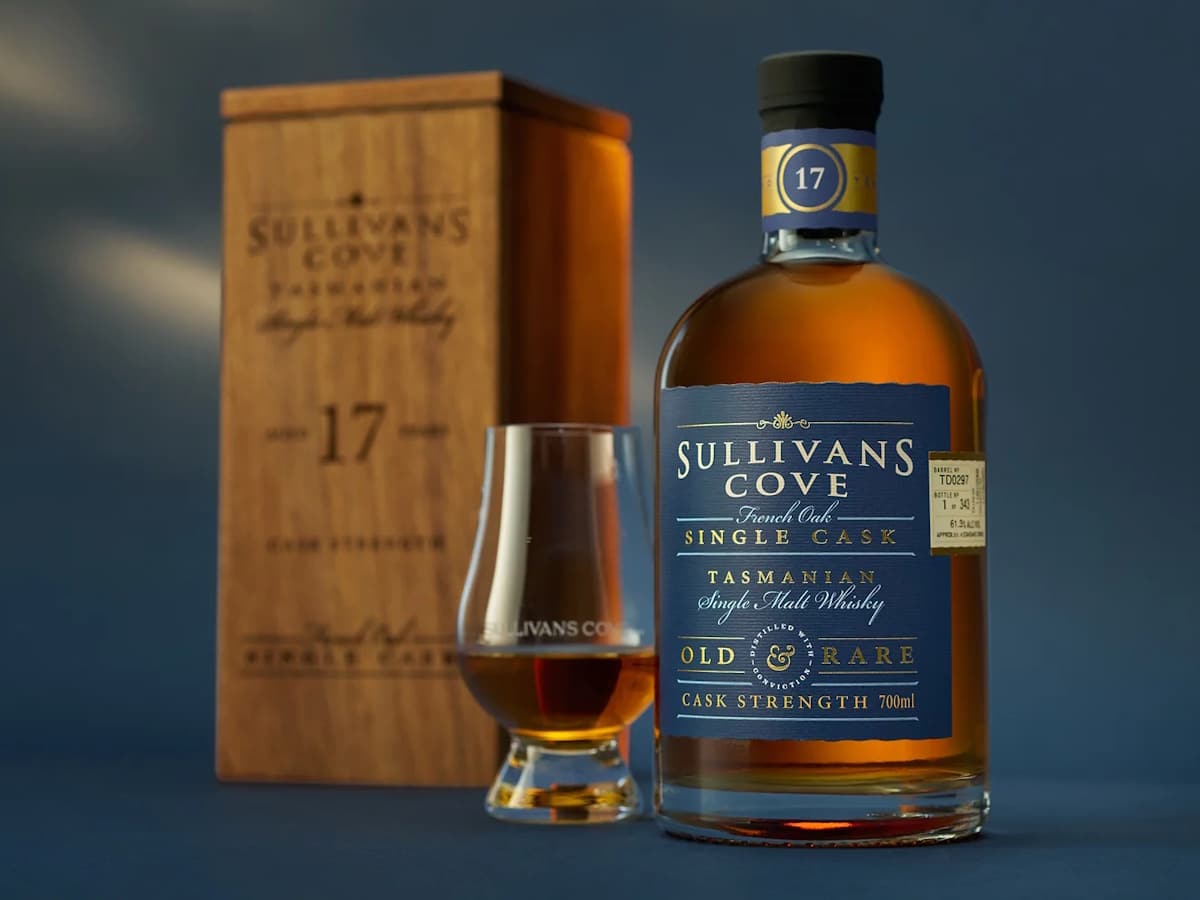
A primary focus in the luxury spirits sector this month is the release of the Sullivans Cove 17-Year-Old French Oak Cask Strength (TD0297). This release represents a significant moment for the Tasmanian distilling industry, which has spent the last two decades positioning itself as a global competitor to traditional Scotch whisky. Sullivans Cove, which gained international fame after winning the World’s Best Single Malt title in 2014, continues to push the boundaries of Australian maturation timelines.
The TD0297 expression is notable for its 17-year maturation period in a 300-litre French Oak cask previously used for Tawny wine. In the context of the Australian climate, which typically accelerates the aging process compared to the cooler Highlands of Scotland, a 17-year age statement is relatively rare and indicates a highly controlled maturation environment. Bottled at a cask strength of 61.3% ABV, the release is limited to just 343 bottles.
Market analysis suggests that the AU$2,500 price point reflects the increasing "premiumization" of the Australian whisky market. According to recent industry reports, the demand for "Old & Rare" Australian spirits has grown by 15% annually since 2023, driven by collectors in the Asia-Pacific region. The presentation of the bottle—housed in a handcrafted Tasmanian Blackwood box—further aligns the product with the high-end artisanal furniture industry of the region.
The Rise of Phygital Gaming: Chessnut Evo and AI Integration
The tabletop gaming industry is currently undergoing a "phygital" transformation, where physical components are seamlessly integrated with digital ecosystems. The Chessnut Evo, a high-end AI-integrated chessboard, exemplifies this trend. Priced at approximately USD$789, the device moves beyond the traditional "LED-suggestion" coaching boards by incorporating a 12.3-inch touchscreen and a dedicated Android-based operating system.
A critical technological advancement in the Chessnut Evo is the implementation of the Maia engine. Unlike traditional chess engines such as Stockfish, which prioritize "perfect" mathematical play that can often feel alien to human players, Maia is trained on millions of real human games. This allows the AI to mimic human-like errors and strategic tendencies based on specific ELO ratings.
This development addresses a common friction point in online chess: the "screen fatigue" associated with platforms like Chess.com and Lichess. By allowing players to interact with physical wood pieces while their moves are synchronized in real-time to global servers, Chessnut is targeting a demographic of "chess nerds" who value the tactile experience of the game without sacrificing the convenience of global matchmaking. The ability to create custom bots based on a specific player’s historical data suggests a future where professional players can "spar" against digital clones of their opponents.
Retail Volatility and the Persistence of Heritage Fashion
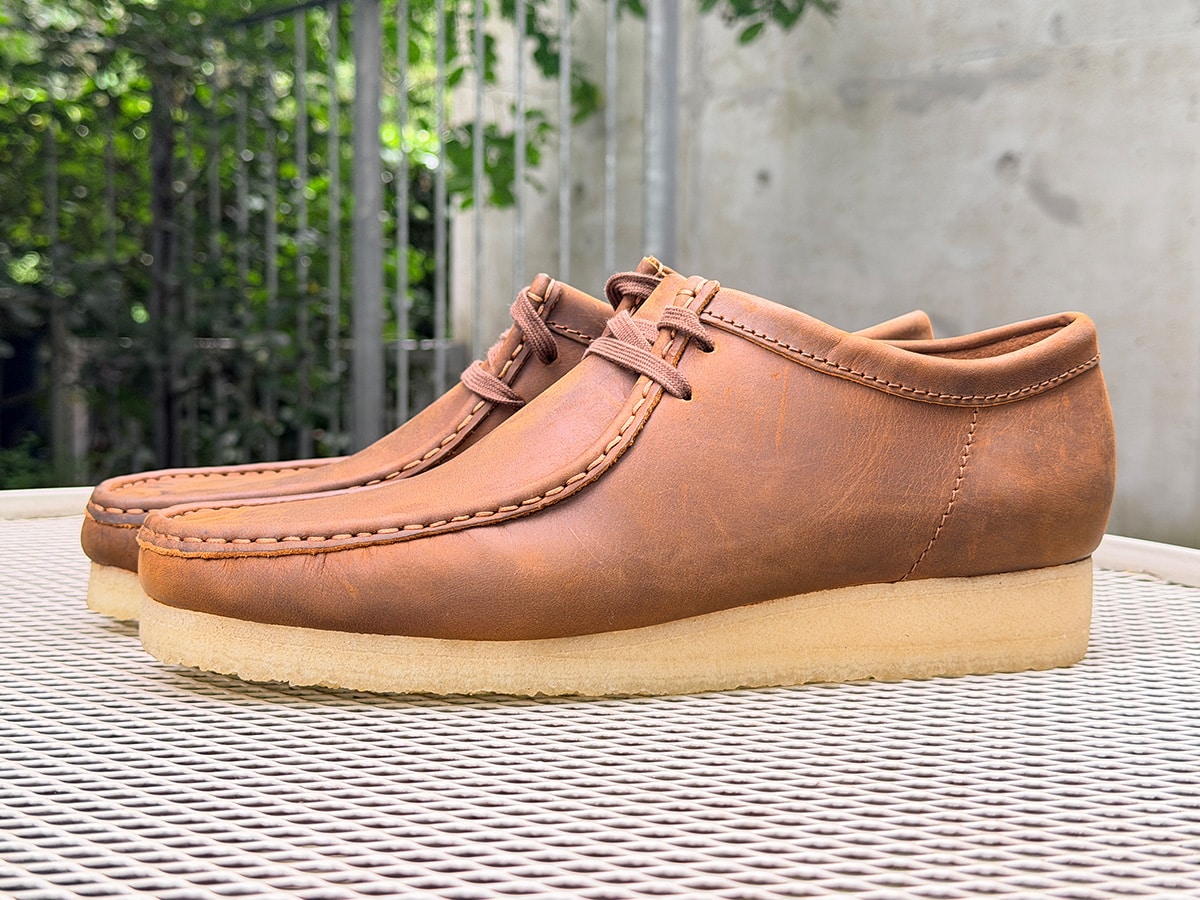
The footwear industry in 2026 continues to see a tension between established heritage designs and volatile retail pricing models. The Clarks Wallabee, a moccasin-style shoe that has remained largely unchanged since its debut in 1967, remains a staple of cultural significance. Its history is deeply rooted in various subcultures, most notably the 1990s New York hip-hop scene, where it was popularized by members of the Wu-Tang Clan.

Recent market observations have noted extreme price fluctuations for these heritage items. While the Wallabee maintains a standard retail price of approximately $260, significant inventory clearances have seen prices drop as low as $59 on official digital storefronts. Analysts suggest this may be a result of over-correction in post-2025 supply chain management or a shift in retail strategy toward high-volume, low-margin digital sales to clear seasonal warehouse stock.
Despite these pricing shifts, the Wallabee’s construction—utilizing a signature crepe sole and high-quality suede—remains a benchmark for the "timeless" fashion movement. As consumers increasingly move away from "fast fashion" in favor of items with longevity, the Wallabee serves as a case study in how a design can maintain relevance for over half a century without structural modification.
Wearable Technology: The Shift to "Invisible" Health Tracking
In the health and wellness sector, the release and adoption of the Oura Ring 4 signifies a departure from the "notification-heavy" era of smartwatches. As digital burnout becomes a recognized clinical concern in 2026, consumers are gravitating toward devices that offer data-rich insights without the intrusion of screens or haptic alerts.
The Oura Ring 4 focuses on biometric accuracy and biological mapping. One of its primary features is the identification of "chronotypes"—the natural inclination of the body to sleep at a certain time. By tracking heart rate variability (HRV), temperature, and sleep cycles, the device categorizes users into types such as the "Early Morning" chronotype. This data allows users to align their professional and social schedules with their internal biological clocks, a practice known as "circadian optimization."
The move toward ring-based wearables also reflects a shift in aesthetic preferences. Market data indicates that the "smart jewelry" segment has grown by 22% over the last year, particularly among professionals who find traditional fitness trackers aesthetically incompatible with formal attire. The Oura Ring 4’s ability to provide 24/7 monitoring with a battery life that accommodates rapid charging during daily routines (such as showering) has set a new standard for frictionless technology.
Media and Cultural Implications: AI in Gaming and the "Manosphere"
The broader cultural landscape of 2026 is also being shaped by new media formats and AI capabilities. The introduction of the Xbox Gaming Copilot AI has sparked a debate regarding the future of game walkthroughs and player assistance. By providing real-time, context-aware guidance, this AI potentially renders traditional YouTube "Let’s Play" tutorials and static text guides obsolete. This represents a fundamental shift in how players consume information and overcome challenges within digital environments.
Simultaneously, investigative journalism continues to tackle complex social issues, as seen in Louis Theroux’s latest documentary regarding the "Manosphere." This documentary has been identified by cultural critics as essential viewing for parents and educators, as it explores the digital radicalization of young men and the rise of controversial "alpha" influencers. The documentary’s release comes at a time when digital literacy and the understanding of algorithmic echo chambers are becoming critical components of modern parenting.
Broader Impact and Industry Analysis
The trends identified this week suggest a 2026 consumer market that is increasingly sophisticated and discerning. Whether in the realm of high-end spirits, gaming technology, or wearable health devices, there is a clear demand for products that offer a blend of high-performance data and artisanal quality.
The "premiumization" of Australian whisky indicates that regional brands are successfully challenging European dominance in the luxury sector. Meanwhile, the evolution of AI in chess and gaming suggests that artificial intelligence is moving away from being a mere "opponent" and toward being a nuanced "collaborator" or "coach" that understands human behavior.
Finally, the success of screenless wearables like the Oura Ring 4 and the enduring popularity of heritage footwear like the Clarks Wallabee suggest a growing "analog-plus" movement. Consumers are not rejecting technology; rather, they are seeking ways to integrate it into their lives more discreetly and meaningfully. As 2026 progresses, the brands that can offer this balance of invisible technology and tangible quality are likely to dominate the market.


 Jia Lissa
 Yuyun Lusiyani
 Joko Widodo
 Eva Lovia

 Pevita Pearce