
 Pevita Pearce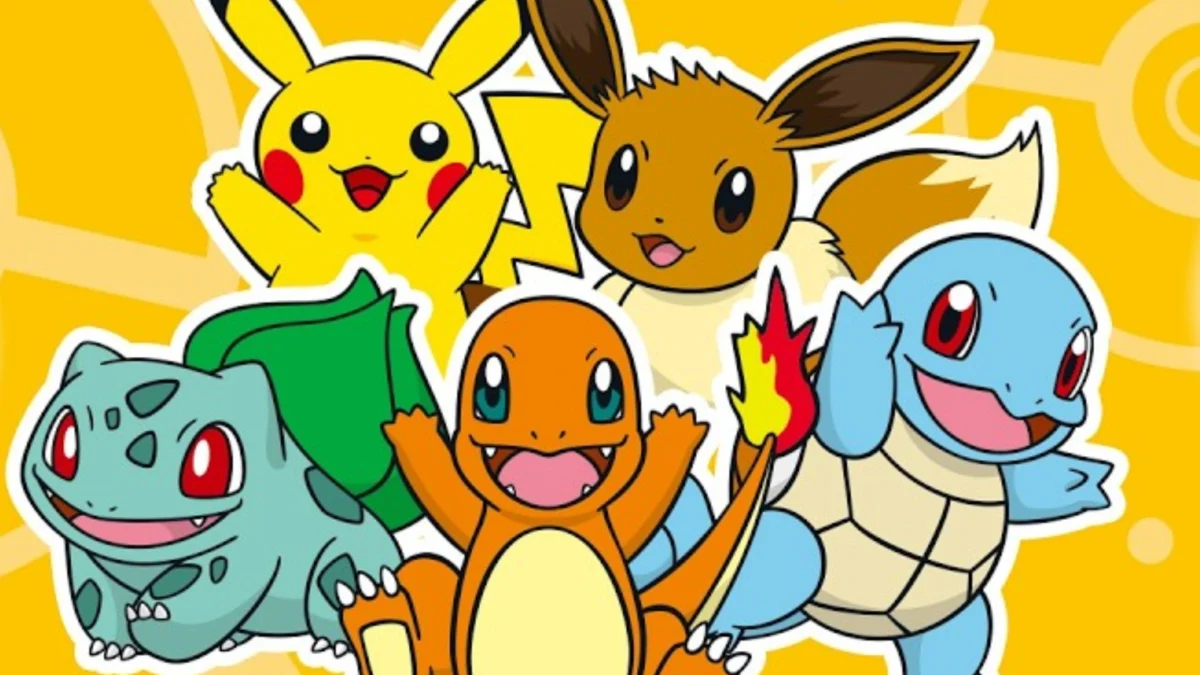
The fast-food industry in Japan is bracing for a surge in demand as McDonald’s Japan officially launches its latest high-profile collaboration with the Pokemon franchise on August 7. This new campaign, timed to coincide with the early celebrations surrounding the Pokemon franchise’s upcoming 30th anniversary, introduces a sprawling collection of toys that has already prompted the restaurant giant to implement stringent purchase restrictions. Despite the absence of the highly coveted trading cards that have historically fueled chaotic scenes at retail locations, McDonald’s is taking no chances, prioritizing order and accessibility over unrestricted sales volume.
The 2024-2025 period marks a significant era for the Pokemon brand, which debuted in 1996 and has since grown into the world’s most valuable media franchise. To honor this milestone, the new Happy Meal set features a comprehensive tribute to the series’ history, including 12 distinct toy designs that showcase a total of 30 different Pokemon. For the first time in a major fast-food promotion, all 27 "starter" Pokemon—representing the initial partner creatures from all nine generations of the video game series—are included in the collection. These are joined by three of the franchise’s most iconic mascots: Pikachu, Eevee, and Snorlax.
Strategic Purchase Limits and Operational Safeguards
In an effort to ensure that the promotion remains accessible to its intended audience of children and families, McDonald’s Japan has announced a temporary but strict ceiling on individual purchases. Between August 7 and August 9, customers will be restricted to a maximum of six Pokemon Happy Meals per group or transaction. This policy is designed to prevent "bulk-buying," a practice often employed by resellers who aim to corner the market on specific designs or complete sets early in the promotion’s lifecycle.
Furthermore, the company has taken the unusual step of suspending the availability of these Happy Meals on third-party delivery platforms during the initial three-day launch window. While customers can still utilize the proprietary McDonald’s delivery service, the exclusion of third-party apps is a calculated move to reduce the logistical strain on individual restaurants and to prevent professional "proxies" from using delivery services to bypass per-person limits.
Beyond the numerical restrictions, McDonald’s Japan has issued a public plea for consumer cooperation. The company has explicitly requested that customers refrain from purchasing the meals for resale or any other commercial purposes. In a bid to protect restaurant staff from harassment and to maintain operational efficiency, the company has also requested that fans do not contact individual locations via telephone to inquire about remaining inventory levels. These measures reflect a growing trend in Japanese retail where "anti-resale" (tenbai) policies have become a standard component of high-demand product launches.
A Three-Wave Release Strategy
The rollout of the collection is structured into three distinct phases to maintain momentum and manage foot traffic. This "wave" system is a common tactic used by McDonald’s to ensure that specific toys do not sell out instantly, giving collectors multiple opportunities to visit:
- Wave One (August 7 – August 13): The first six toy designs will be introduced to the public.
- Wave Two (August 14 – August 20): A second set of six unique designs will replace the initial offering.
- Wave Three (August 21 – Conclusion): All 12 toy designs will enter circulation simultaneously, continuing until local stocks are fully depleted.
The toys themselves are designed with interactive play in mind, moving away from static figurines. The collection includes disc shooters, spinners, ring toss games, and "Poké Ball rollers." Additionally, utility-based items such as a sticker case and a Snorlax-themed name tag are included, catering to the younger demographic’s preference for functional accessories.
Historical Context: The Ghost of Promotions Past
The decision to impose these restrictions, even in a campaign without trading cards, is rooted in the volatile history of Pokemon-themed promotions. In recent years, the intersection of "limited edition" collectibles and the booming secondary market has led to significant disruptions for McDonald’s.
In 2021, during the Pokemon 25th Anniversary campaign, the introduction of exclusive Trading Card Game (TCG) packs inside Happy Meals led to what many industry analysts described as "retail chaos." In North America and parts of Europe, resellers were documented purchasing dozens, and in some cases hundreds, of Happy Meals at a time. The primary goal for these individuals was to secure "holo" (holographic) cards, particularly those featuring Pikachu. This resulted in widespread shortages, leaving the target demographic of children unable to participate in the promotion.
The fallout from these events was not merely logistical but also ethical. Social media was flooded with images of "waste piles"—large quantities of discarded food found in trash cans outside McDonald’s locations, as scalpers kept the cards but threw away the meals. This created a PR crisis for both McDonald’s and The Pokemon Company, prompting the latter to issue a formal apology and a promise to increase production of cards to devalue the secondary market.
More recently, a 2025 card-based promotion (reflecting the most recent fiscal cycle of high-intensity releases) saw inventory sell out in less than 24 hours across multiple territories. The resulting frenzy underscored that as long as an item is branded with the Pokemon logo, the potential for market manipulation remains high, regardless of the item’s inherent complexity or utility.
Analysis of the Scalping Phenomenon and Secondary Markets
The persistence of the "scalping" issue highlights a shift in consumer behavior driven by platforms like Mercari, Yahoo! Auctions, and eBay. In Japan, the culture of "blind bags" or "randomized toys" encourages trading, but it also incentivizes resellers to buy in bulk to guarantee "complete sets," which often sell for a significant premium online.
While plastic toys generally hold less long-term value than rare trading cards, the "30th Anniversary" branding adds a layer of perceived collectability. For many adult fans, the inclusion of all 27 starters is a nostalgic draw that transcends the typical "kids’ toy" appeal. By including Pokemon from the most recent Scarlet and Violet games alongside classics from the Red and Blue era, McDonald’s is successfully targeting multiple generations of fans simultaneously.
Market analysts suggest that by limiting the initial purchase to six meals, McDonald’s is attempting to strike a balance between allowing a family to buy meals for several children and preventing a single individual from clearing out a restaurant’s daily allotment. The six-meal limit is particularly strategic, as it allows a customer to potentially receive half of a single wave’s variety in one visit, satisfying the urge to collect without depleting the store’s entire stock.
Environmental and Social Responsibility
One of the most critical aspects of the new policy is the focus on food waste. By discouraging resale and limiting bulk purchases, McDonald’s aims to avoid the "buy-and-dump" behavior seen in previous years. The company’s messaging emphasizes that the Happy Meal is a holistic experience intended for consumption.
From a social perspective, the "no-call" policy is an important step in employee welfare. During peak Pokemon "craze" periods, restaurant workers have reported being overwhelmed by hundreds of phone calls per hour from collectors tracking specific items. By setting clear boundaries and utilizing a phased rollout, McDonald’s Japan is attempting to normalize the retail experience and reduce the "scarcity mindset" that leads to aggressive consumer behavior.
Future Outlook for the 30th Anniversary
As the Pokemon franchise moves closer to its official 30th anniversary in 2026, industry experts expect a continued escalation in the scale and frequency of such collaborations. The current McDonald’s campaign serves as a litmus test for how major corporations can manage high-demand "fandom" events in a post-pandemic economy where supply chains are sensitive and the secondary market is more organized than ever.
The success of these preventative measures in Japan could provide a blueprint for other regions. If the August 7 launch proceeds without the "food waste" scandals or physical altercations seen in the past, it will validate the strategy of preemptive restriction. For fans, the message is clear: the 30th-anniversary celebrations are meant to be a shared experience, and the "Gotta Catch ‘Em All" mantra should not come at the expense of community standards or restaurant operations.
As the first wave of toys hits the counters this Wednesday, the eyes of the global retail and gaming communities will be on Japan to see if these measures are enough to tame the legendary "Pokemon fever." For now, McDonald’s stands firm in its commitment to keep the "Happy" in the Happy Meal, ensuring that for at least one weekend, the world’s most famous pocket monsters remain within reach of the children they were originally created to inspire.




 Yuyun Lusiyani
 Joko Widodo
 Eva Lovia
 admin
admin
 Lina Irawan