
 Pevita Pearce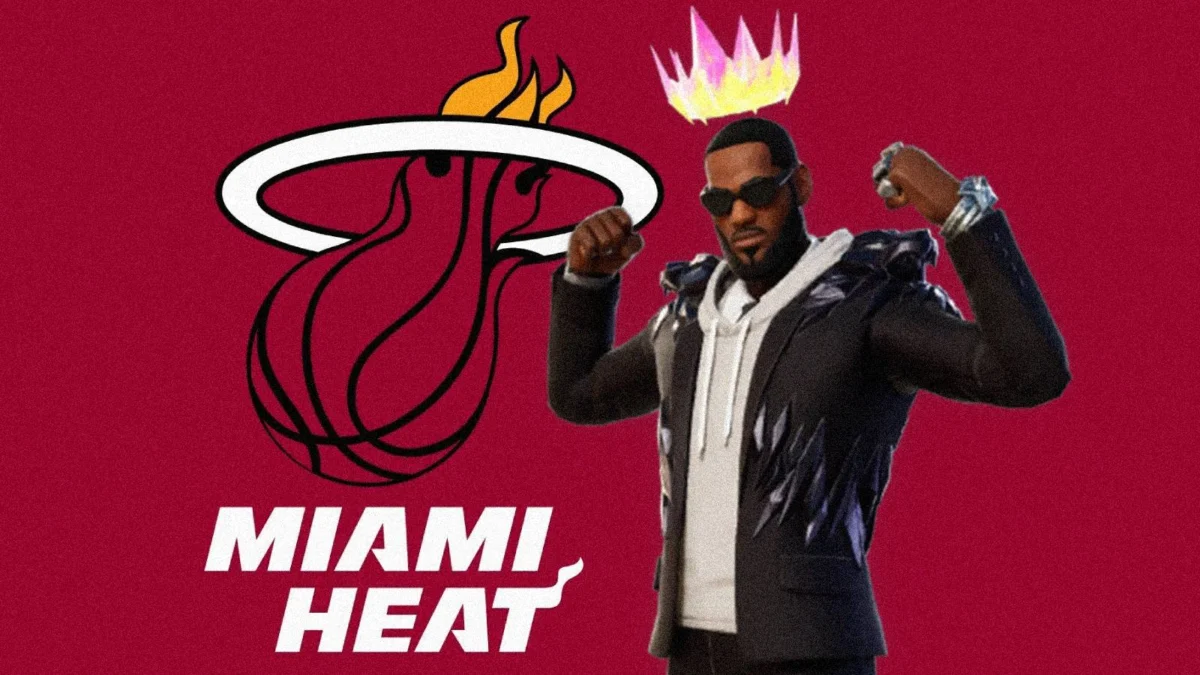
The professional basketball world was thrust into a state of high-alert on July 22, 2026, after the Miami Heat’s official YouTube channel briefly published a scheduled livestream link that appeared to confirm the return of LeBron James to the franchise. The incident, which occurred during a period of intense free-agency speculation, featured a placeholder for an event titled “LeBron James Introductory Press Conference,” scheduled for July 27, 2026. While the link was deactivated within minutes, the digital footprint left by the error has ignited a firestorm of analysis, memes, and corporate maneuvering across the sports landscape.
LeBron James, a four-time NBA champion and the league’s all-time leading scorer, is currently at a crossroads in his storied career. After a multi-year stint with the Los Angeles Lakers, James opted into unrestricted free agency, declining his player option to explore final chapters in his professional journey. The prospect of a return to Miami—where he spent four seasons from 2010 to 2014 and secured two championships—has remained a recurring theme among NBA insiders. However, until this week’s technical gaffe, there had been no formal indication from the Heat organization that a deal was imminent.
The Anatomy of a Digital Leak
The leak was first detected by vigilant fans and social media scrapers who noticed a new entry in the Miami Heat’s “Live” tab on YouTube. The video, though not yet broadcasting, displayed a thumbnail and a clear “LeBron James Introductory Press Conference.” The scheduled date of July 27 suggested that an announcement was planned for the following Monday, a timeline that would align with the traditional pace of high-profile NBA negotiations.
Screenshots of the listing proliferated across X (formerly Twitter), Reddit, and Instagram within seconds of the discovery. By the time the Heat’s social media department removed the link, the "LeBron to Miami" narrative had already become the dominant trend in global sports news. The specificity of the title, combined with the Heat’s history of high-profile acquisitions, led many to believe that the "King’s" return was a settled matter behind closed doors.
In the immediate aftermath, a spokesperson for the Miami Heat addressed the situation through veteran NBA reporter Shams Charania. The organization characterized the incident as a technical error stemming from routine administrative preparation. According to the statement, the team’s digital media department often creates "contingency assets" for various high-probability scenarios during the off-season. The spokesperson emphasized that there was "currently no validity" to the video and that no contract had been signed. This defense, while standard in the industry, did little to dampen the enthusiasm of a fanbase hungry for a championship resurgence.
Historical Context: The South Beach Era
To understand why a simple YouTube link caused such a tectonic shift in the sports world, one must look back at the historical significance of LeBron James’ tenure in Miami. In July 2010, James fundamentally changed the NBA landscape with "The Decision," a televised special where he announced he would "take his talents to South Beach." Joining forces with Dwyane Wade and Chris Bosh, James led the Heat to four consecutive NBA Finals appearances, winning titles in 2012 and 2013.
The "Big Three" era defined a decade of basketball, emphasizing player empowerment and the "superteam" model. When James departed in 2014 to return to the Cleveland Cavaliers, he did so having transformed the Heat into a global brand. A return in 2026, near the twilight of his career, would represent a poetic "full circle" moment for the franchise. Analysts suggest that the Heat’s current roster, which prides itself on "Heat Culture"—a philosophy of conditioning and mental toughness—would be an ideal fit for a veteran James looking to provide leadership and championship experience.
The Trolling Phenomenon: Jets and Police Join the Fray
The Heat’s digital mishap quickly transitioned from a serious sports news item into a viral marketing template. Seeing the engagement generated by the accidental leak, other organizations began to "troll" the situation by creating their own fake announcements.
The Winnipeg Jets of the National Hockey League (NHL) were among the first to capitalize. The team’s official social media accounts shared a screenshot of a mock YouTube livestream titled “LeBron James Introductory Press Conference,” also scheduled for July 27. The thumbnail featured a Photoshopped image of James wearing a Jets hockey jersey, complete with a caption reading, “Don’t upload this yet.” The post was widely praised for its humor, highlighting the absurdity of the original leak while garnering millions of impressions for the hockey franchise.
Similarly, the Philadelphia Police Department utilized the trend to engage with the public. They shared a simulated search result for a “LeBron James Philadelphia Police Department Introductory Press Conference.” This brand of "moment marketing" allowed non-sports entities to insert themselves into the conversation, turning the Heat’s internal error into a global social media event. These reactions underscore the power of LeBron James as a cultural icon whose movements transcend the boundaries of basketball.
Strategic Shifts in Sports Media Management
Amidst the chaos of the leak, internet sleuths discovered that the Miami Heat are currently in the process of restructuring their digital presence. A job listing for a “Director of YouTube Strategy” appeared on LinkedIn shortly before the incident. The role’s description involves defining the future of the Heat’s YouTube channel, building new content formats, and expanding the team’s reach beyond traditional game highlights.
While the job posting was published before the LeBron leak occurred, it provides crucial context for the organization’s current state. The Heat are clearly looking to modernize their content pipeline, a process that often involves pre-scheduling videos and preparing for various news cycles. The accidental publication of the LeBron placeholder is likely a symptom of this transition—a "dark post" or draft that was inadvertently set to "public" during a backend update.
Industry experts note that this is a common risk in the modern "always-on" media environment. Major news outlets often have pre-written obituaries for world leaders, and sports teams frequently have graphics ready for both winning and losing a championship. The error in Miami was not the creation of the asset, but the failure of the digital firewall intended to keep it hidden until necessary.
The Business of LeBron: Economic Implications of a Return
The potential return of LeBron James to Miami is not merely a sporting story; it is a significant economic event. During his first stint in Miami, the local economy saw a measurable "LeBron Effect." According to various economic studies conducted between 2010 and 2014, James’ presence contributed to increased hotel occupancy, higher sales at local bars and restaurants near the Kaseya Center (then American Airlines Arena), and a surge in jersey and merchandise sales.
In 2026, the stakes are even higher. The NBA is currently negotiating new domestic media rights deals, and the "star power" of a LeBron-led Heat team would significantly boost television ratings for national broadcasters. For the Heat organization, the signing would likely result in an immediate sell-out of season tickets and a premium on sponsorship valuations. Even at this stage of his career, James remains the league’s premier "needle-mover."
Current Status and Future Outlook
As of late July 2026, LeBron James remains an unrestricted free agent. He has made no public comments regarding the Miami Heat leak, maintaining his typical off-season silence. His representatives at Klutch Sports have also declined to comment on the "validity" of the YouTube livestream.
The NBA community now looks toward July 27—the date originally listed on the leaked stream—with heightened curiosity. While the Heat have officially denied the leak’s accuracy, the history of professional sports is filled with "accidental" truths. Whether the July 27 date was a random placeholder or a genuine internal deadline remains to be seen.
What is certain is that the Miami Heat’s digital department has inadvertently provided the most compelling storyline of the 2026 off-season. By providing a template for other teams to join the conversation, they have reinforced the idea that in the digital age, a single misclick can shape the global narrative. Until the "King" makes his official announcement, the sports world will continue to speculate on whether the deleted livestream was a glimpse into the future or merely a ghost in the machine of a team preparing for every possibility.




 Yuyun Lusiyani
 Joko Widodo
 Eva Lovia
 admin
admin
 Lina Irawan