
 Nila Kartika Wati
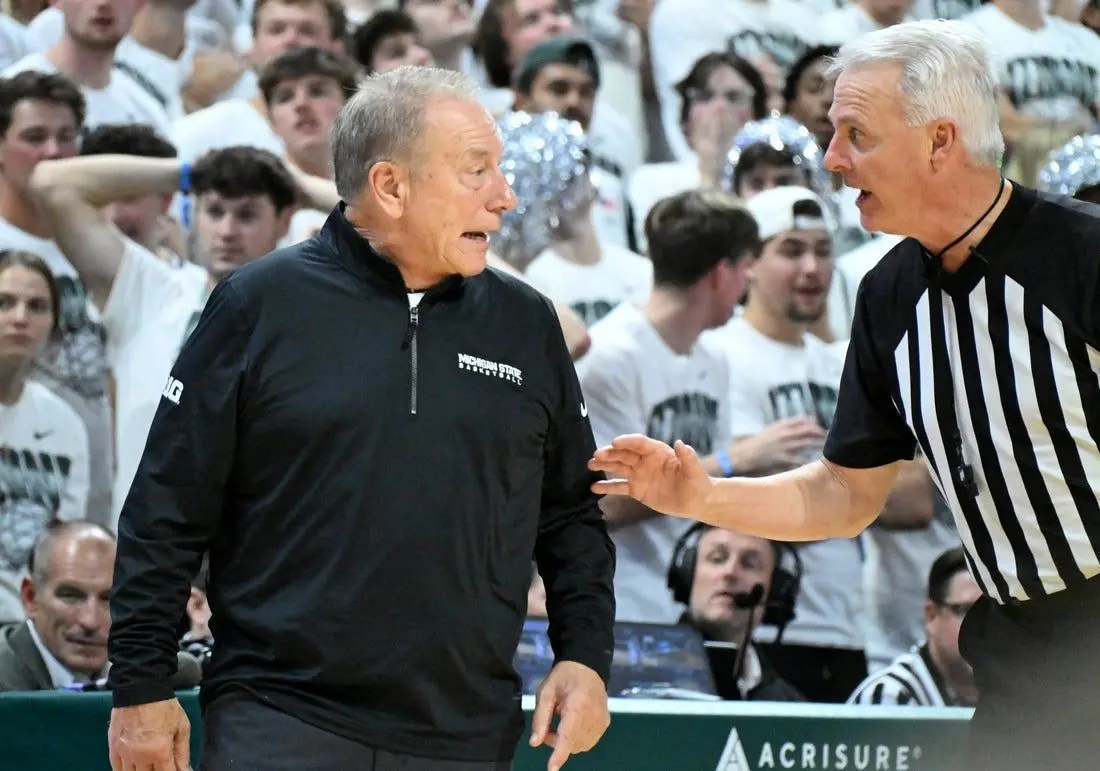
As the No. 6 Michigan State Spartans prepare to tip off their 2024-2025 season, head coach Tom Izzo is strategically leveraging a blend of seasoned leadership and an expanded bench to navigate the demanding landscape of college basketball and chase another deep postseason run. The Spartans, coming off a highly successful 27-8 campaign that saw them reach the Sweet Sixteen and secure a 15-5 record in the Big Ten, will host Quinnipiac University in their season opener on November 2nd in East Lansing, Michigan. This matchup marks the beginning of what Izzo hopes will be another chapter of sustained excellence for the program.
Entering his 32nd season at the helm of Michigan State, Izzo, a Hall of Fame coach with a reputation for developing talent and maximizing team potential, expressed confidence in the current roster’s versatility and depth. He anticipates having between 10 and 11 players capable of contributing significantly throughout the arduous season. This deep pool of talent is a crucial asset for a program that has consistently contended at the highest levels of collegiate athletics, often defined by its resilience and adaptability.
Core Leadership and Perimeter Prowess
The offensive and defensive anchors for the Spartans will undoubtedly be junior point guard Jeremy Fears Jr. and dynamic forward Coen Carr. Fears Jr., a consensus first-team All-Big Ten selection and a five-time All-American last season, was a statistical marvel, averaging a remarkable 15.2 points and a nation-leading 9.4 assists per game. His court vision and playmaking ability were instrumental in the Spartans’ offensive flow. Izzo highlighted Fears Jr.’s dedication to refining his shooting during the offseason, a development that could make him an even more potent scoring threat. Furthermore, Izzo emphasized his desire for Fears Jr. to evolve into an elite defender, a testament to the coach’s holistic approach to player development.
Coen Carr, another pivotal figure, contributed 12.0 points and 5.4 rebounds per contest last season. Izzo noted Carr’s significant improvements in ball-handling and passing, skills that will allow the Spartans to deploy him in a variety of offensive schemes, potentially creating mismatches and expanding their offensive playbook. His ability to attack the basket with increased confidence and effectiveness adds another dimension to Michigan State’s offensive attack.
The Spartans also benefit from the seasoned experience of Jordan Scott, who stepped into a starting role for the final 13 games of the previous season, and guard Kur Teng. Izzo lauded Scott’s enhanced physical strength and burgeoning confidence, suggesting he is poised for a more impactful season. Teng, when healthy, is considered by Izzo to be the team’s premier long-range shooter, a valuable asset in today’s perimeter-oriented game. The stability and offensive firepower provided by these perimeter players offer a solid foundation as the Spartans navigate the early stages of their schedule.
Addressing the Center Position: A Work in Progress
Despite the evident strengths on the perimeter, the center position remains an area of focused development for Michigan State. The departure of starting big men Jaxon Kohler and Carson Cooper necessitates a re-evaluation and strategic approach to interior play. Izzo candidly acknowledged this challenge, stating, "Yeah, we’re a work-in-progress at the center position." However, he expressed optimism that through coaching adjustments and offensive modifications, the team can mitigate these limitations.
The Spartans are looking to a combination of returning players and new additions to solidify their presence in the paint. Jesse McCulloch, a player who has reportedly made significant strides during the offseason, is expected to play a key role. The development of 7-foot-2 freshman Ethan Taylor, who has impressed Izzo with his mobility and soft hands, also offers promising potential. Additionally, the transfer of 7-foot-2 center Anton Bonke from Charlotte adds a significant physical presence. Bonke posted impressive numbers at Charlotte last season, averaging 10.6 points and 8.3 rebounds, though he experienced some challenges in an exhibition game against UConn, underscoring the need for him to adapt to the higher level of competition. Izzo’s plan to utilize offensive strategies that complement the strengths of his current big men suggests a tactical evolution to compensate for any perceived deficiencies.
Quinnipiac: A Rebuilding Bobcats Squad
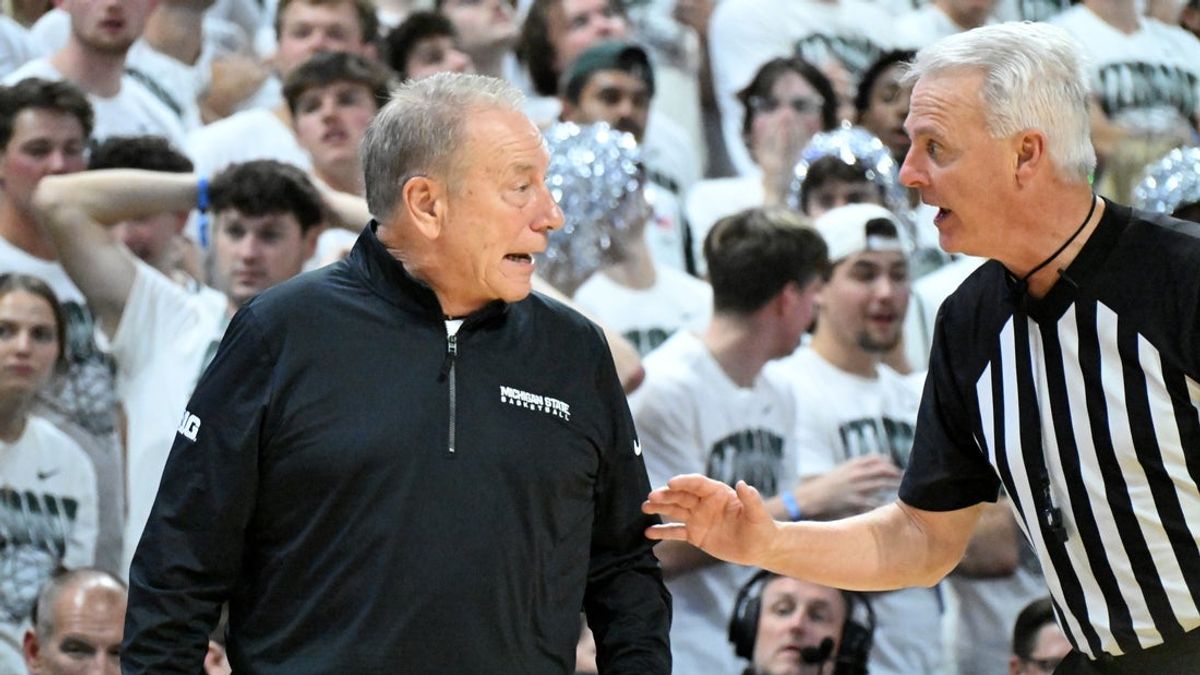
The season opener against Quinnipiac presents an intriguing matchup, as the Bobcats are also undergoing a period of transition. Quinnipiac is looking to rebuild its roster after a significant number of key players entered the transfer portal following a 19-13 season. Despite these departures, head coach Tom Pecora, who has guided Quinnipiac to regular-season conference titles in 2024 and 2025, has brought in eight new recruits to inject fresh talent and energy into the program.
A significant returning asset for Quinnipiac is guard Asim Jones. Having gained approval for an additional year of eligibility, Jones is poised to be a primary offensive catalyst. He averaged 12.5 points and led the Bobcats with 126 assists last season, showcasing his dual-threat capability as a scorer and distributor. His experience and proven production will be vital for a team integrating numerous new faces.
The Bobcats also feature Keith McKnight, a 6-foot-7 forward who emerged as a consistent contributor last season. As the team’s top reserve, McKnight averaged 11.0 points and 5.9 rebounds, shooting an efficient 54.6% from the field. Coach Pecora lauded McKnight’s exceptional athleticism, describing him as a "gazelle or a thoroughbred who gets up and down the floor incredibly quick and finishes at a very high level." McKnight’s decision to remain with Quinnipiac, despite other opportunities, provides the Bobcats with a valuable returning player to build around, alongside guard Tai Turnage.
The influx of new talent also includes guard Tayeshawn Cunningham-Pemberton, who arrives from Division II Assumption, where he averaged 14 points and 4.4 rebounds. Pecora’s primary challenge lies in integrating these eight newcomers and fostering cohesion within the team. "I think the pieces are there, but I think with eight new bodies it is going to take some time for it to come together," Pecora admitted, acknowledging the inherent challenges of team building with a significantly revamped roster.
Program Pedigree and Future Outlook
Michigan State’s consistent presence in the NCAA Tournament and their deep runs in recent years have established a culture of winning under Izzo. The program has a storied history of exceeding expectations, often peaking in March with strong defensive performances and timely offensive execution. The experience gained from last season’s Sweet Sixteen appearance, coupled with the development of key players, provides a solid foundation for continued success.
The strategic emphasis on versatility, particularly the ability to play with different lineups, suggests Izzo is preparing for a variety of opponents and game situations. The development of the center position, while a concern, also presents an opportunity for innovation and for emerging players to seize significant roles. The Spartans’ non-conference schedule, beginning with Quinnipiac, will serve as a crucial testing ground for these new lineups and evolving strategies.
For Quinnipiac, the early part of the season will be about finding their identity and establishing chemistry. Coach Pecora’s success in developing conference champions in previous years indicates a capacity to build winning programs, even with roster turnover. The opening game against a highly-ranked Michigan State squad will be a significant test of their readiness and potential.
Broader Implications for the Season
The success of Michigan State’s season will hinge on their ability to integrate new pieces, particularly at the center position, and for their star perimeter players to continue their high-level performance. The Big Ten Conference remains one of the most competitive in the nation, and every game presents a challenge. Izzo’s track record suggests that the Spartans will be well-prepared and resilient, aiming to peak at the right time for the NCAA Tournament.
The opener against Quinnipiac, while seemingly a mismatch on paper given Michigan State’s ranking, is precisely the kind of game where a disciplined and motivated opponent can pose problems, especially for a team still finding its rhythm. The Bobcats will be looking to make a statement, and their new additions will be eager to prove their worth. For Michigan State, it’s an opportunity to assess their strengths, identify areas for improvement, and begin the journey towards their ultimate goal: another deep postseason run. The narrative of the 2024-2025 season for the Spartans is one of building upon past success with a renewed focus on depth, versatility, and the enduring leadership of Tom Izzo.




 Eva Lovia

 Lina Irawan

 Yuyun Lusiyani

 Ana Megawati

 Joko Widodo
