
 Jia Lissa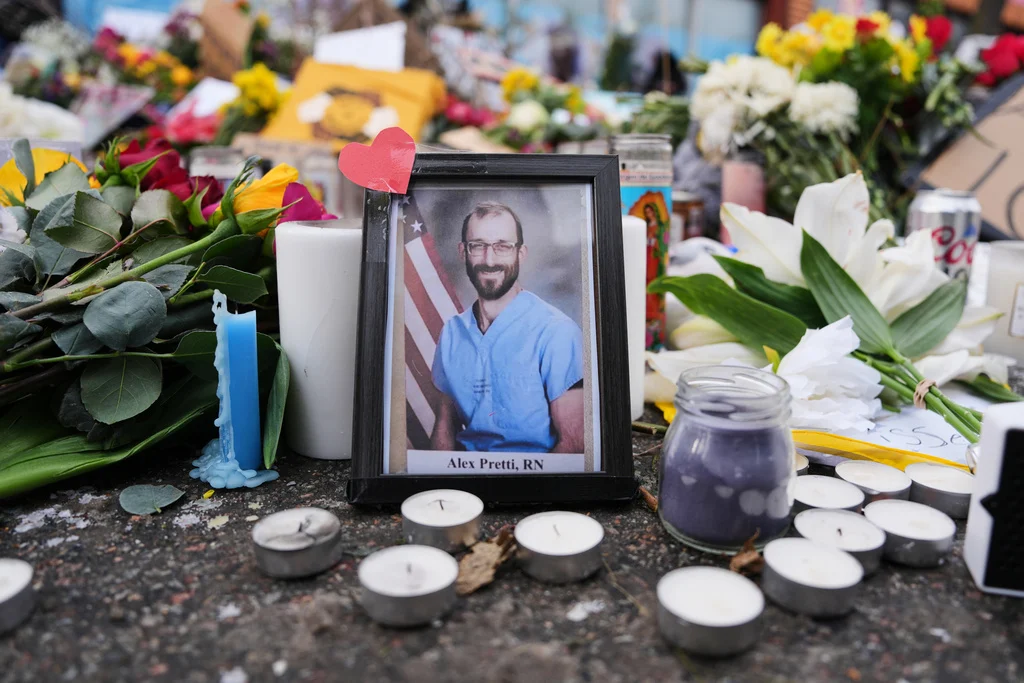
The State of Minnesota has initiated a significant legal challenge against the United States federal government, filing a lawsuit on Tuesday that accuses the Trump administration of obstructing state-level investigations into three recent shootings involving federal agents in Minneapolis. The lawsuit, filed in the U.S. District Court for the District of Columbia, marks a dramatic escalation in the ongoing tension between state authorities and federal law enforcement agencies operating under the administration’s intensified immigration enforcement mandate.
The 43-page complaint names several high-ranking federal officials as defendants, including the Department of Justice (DOJ), the Department of Homeland Security (DHS), Attorney General Pam Bondi, and former DHS Secretary Kristi Noem. The litigation comes during a period of leadership transition at the DHS; while Noem was originally named, the complaint is expected to be amended to include her successor, former Senator Markwayne Mullin of Oklahoma, who was confirmed by the Senate this week. At the heart of the legal battle is the State of Minnesota’s assertion that the federal government is unlawfully withholding critical evidence—including body camera footage, forensic reports, and witness statements—needed to determine if federal agents committed crimes under state law.
A Pattern of Noncooperation: The Investigative Breakdown
Minnesota authorities, led by the Minnesota Bureau of Criminal Apprehension (BCA), argue that the federal government has discarded decades of established inter-agency cooperation. Historically, when federal agents are involved in a use-of-force incident within a state’s jurisdiction, state and federal investigators work in tandem to ensure transparency and legal accountability. However, the complaint alleges that in three specific incidents occurring in January, federal authorities transitioned from initial promises of cooperation to active obstruction.
The state’s investigators reported that they "expected federal cooperation, consistent with longstanding historical practices," when they arrived at the scenes of the shootings. Instead, the complaint details a series of events where federal agents reneged on agreements to share information, seized exclusive control of evidence, and in one instance, physically prevented state investigators from entering a crime scene, despite the state having a valid judicial warrant.
This "unprecedented noncooperation" has, according to the state, created a vacuum of accountability. Minnesota officials argue that the federal government’s policy has "deprived state investigators of timely access to evidence in federal custody that is directly relevant to their investigations of potential violations of Minnesota criminal law."
Chronology of the Minneapolis Shootings
The lawsuit centers on three distinct incidents that occurred over a three-week span in January, all involving federal agents operating within the Minneapolis metropolitan area.
January 7: The Death of Renee Good
The first incident involved the fatal shooting of Renee Good, a U.S. citizen, by Immigration and Customs Enforcement (ICE) agent Jonathan Ross. In the immediate aftermath, the BCA arrived to conduct an independent investigation. While federal agents initially indicated they would collaborate, they quickly moved to secure the scene and the evidence exclusively. The BCA eventually announced it was "reluctantly withdrawing" from the investigation, citing the FBI’s refusal to allow state investigators access to the primary evidence.
January 14: The Shooting of Julio Cesar Sosa-Celis
One week later, Julio Cesar Sosa-Celis, a Venezuelan immigrant, was shot in the leg by an ICE agent during an enforcement operation. Sosa-Celis survived the encounter, but the incident sparked immediate controversy. The federal narrative regarding the necessity of force was quickly challenged by eyewitness accounts and local video footage. This case led to a criminal probe after it was alleged that two ICE agents provided "untruthful statements under oath" to a jury regarding the circumstances of the shooting. Both agents have since been suspended.
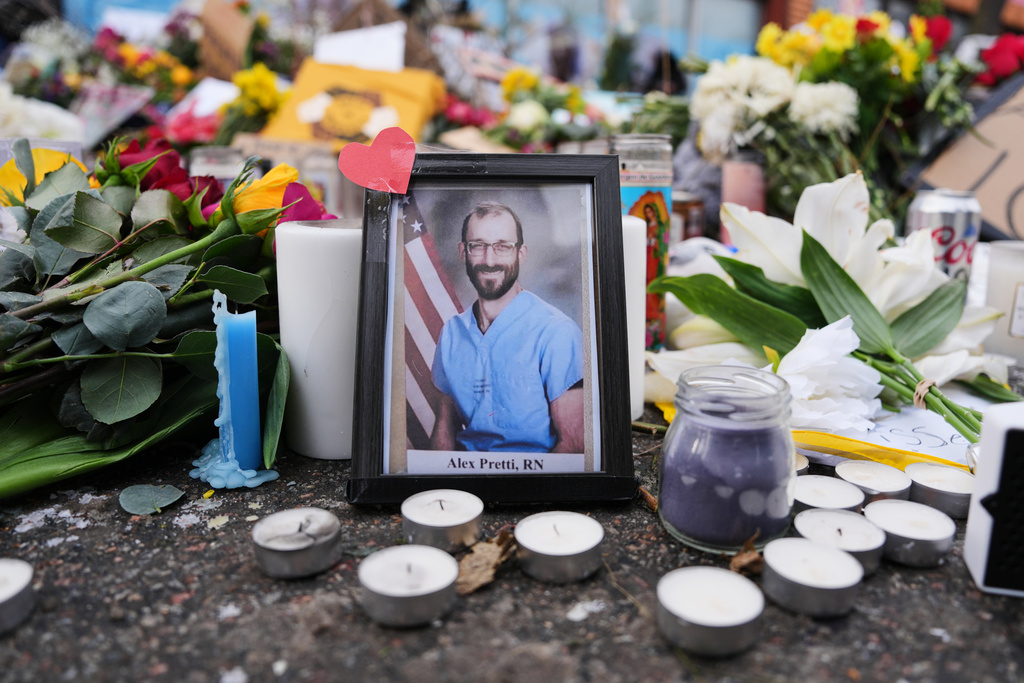
January 24: The Death of Alex Pretti
The third and most contentious incident occurred on January 24, when Alex Pretti, another U.S. citizen, was shot and killed by Border Patrol agent Jesus Ochoa and Customs and Border Protection (CBP) officer Raymundo Gutierrez. According to the complaint, federal immigration officers physically blocked BCA investigators from accessing the scene. This obstruction continued even after state officials presented a judicial warrant. Federal authorities reportedly refused to provide even the most basic information to state investigators, including the names of the officers who discharged their weapons.
Legal and Constitutional Arguments: The Tenth Amendment
The State of Minnesota’s legal strategy rests heavily on the Tenth Amendment to the U.S. Constitution, which reserves to the states those powers not delegated to the federal government. Minnesota argues that the state possesses a "sovereign duty" to investigate and prosecute potential crimes committed within its borders, regardless of whether the suspects are federal employees.
The complaint asks the court to grant declaratory and injunctive relief, effectively forcing the DOJ and DHS to hand over investigative materials. Specifically, the state seeks:
- A declaration that the federal policy of noncooperation violates the Tenth Amendment.
- A ruling that the denial of Minnesota’s requests for evidence was unlawful.
- An order compelling the federal government to provide access to all evidence and investigative materials related to the Good, Pretti, and Sosa-Celis shootings.
- An award for attorneys’ fees and costs associated with the litigation.
"At stake is not only Plaintiffs’ access to evidence central to these shootings but also a fundamental principle of our constitutional system: that the States retain the sovereign authority—and responsibility—to investigate crimes committed within their borders," the complaint states.
Discrepancies in Federal Narratives
A significant portion of the lawsuit highlights the discrepancies between the official accounts provided by federal agencies and the evidence gathered by independent sources. In all three shootings, the narratives initially presented by the federal government were called into question by eyewitnesses, mobile phone videos, and photos from the scenes.
In the case of Alex Pretti, the medical examiner officially ruled the death a homicide, a designation that intensified calls for a transparent investigation. In the Sosa-Celis case, the suspension of ICE agents for allegedly lying under oath has further eroded public trust in the federal government’s internal review processes. These discrepancies serve as the primary justification for Minnesota’s insistence on an independent state-led investigation. If federal agents are found to have used force outside the bounds of the law, the state argues it has the right to bring charges under Minnesota statutes.
National Context and Political Implications
The legal battle in Minnesota is unfolding against a backdrop of a nationwide "immigration crackdown" initiated by the Trump administration. This policy has seen an increased presence of federal agents in "sanctuary cities" and other metropolitan areas, often leading to friction with local law enforcement and city officials.
The appointment of Pam Bondi as Attorney General and Markwayne Mullin as DHS Secretary signals a continuation of the administration’s hardline stance on federal law enforcement autonomy. Bondi has previously advocated for broad federal immunity in the execution of immigration-related duties, while Mullin has been a vocal supporter of the administration’s use of federal tactical units in domestic settings.
Critics of the administration argue that the refusal to share evidence is part of a broader effort to shield federal agents from local accountability. Conversely, proponents of the administration’s policies often argue that federal agents should not be subjected to the "political whims" of state prosecutors when performing their duties under federal mandates.
Broader Implications for Federalism
The outcome of Minnesota v. Department of Justice could have profound implications for the balance of power between state and federal governments. If the court rules in favor of Minnesota, it would establish a clear precedent that federal law enforcement agencies must comply with state investigative demands following use-of-force incidents. This would likely lead to a standardizing of evidence-sharing protocols across the country.
If the federal government prevails, it could effectively grant federal agents a layer of "de facto" immunity from state investigation, provided the federal government maintains exclusive control over the evidence. This scenario would likely heighten tensions in other states that have expressed concerns over federal overreach.
As the case moves forward in the District of Columbia, the city of Minneapolis remains at the epicenter of a national debate over civil rights, police transparency, and the limits of federal authority. For the families of Renee Good and Alex Pretti, and for Julio Cesar Sosa-Celis, the lawsuit represents a quest for clarity in cases where the official story remains shrouded in federal secrecy.
The State of Minnesota has made it clear that it views the current impasse not just as a procedural dispute, but as a challenge to the rule of law. By seeking judicial intervention, the state is attempting to reaffirm its right to protect its citizens and uphold its criminal statutes, even when the individuals under investigation wear a federal badge.

 Yuyun Lusiyani
 Joko Widodo
 Pevita Pearce
 admin
admin
