
 Lina Irawan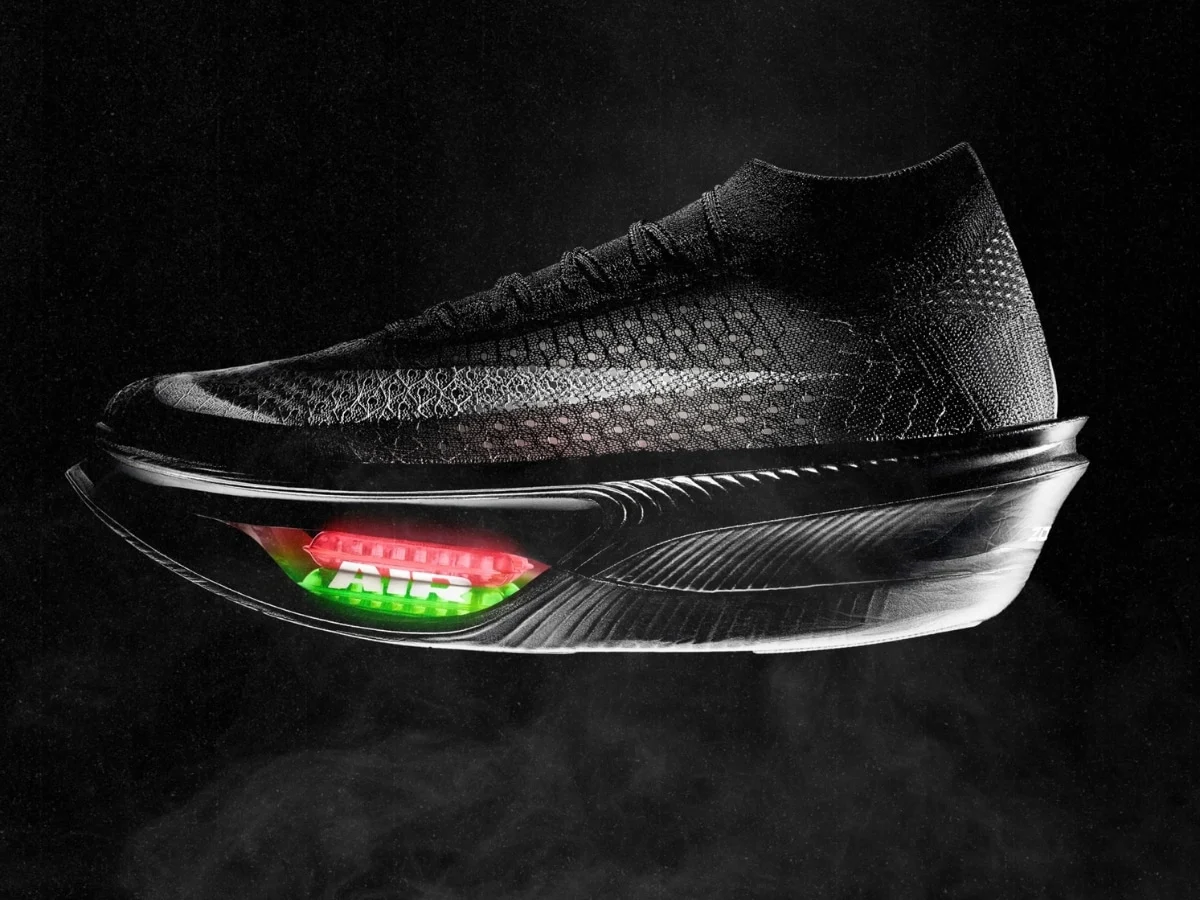
Nike has officially unveiled the Apex, a high-performance marathon racing shoe designed to push the boundaries of athletic engineering and establish a new "pinnacle" tier within its competitive running lineup. Scheduled for an Australian release in January 2027 with a retail price of AUD $500, the Apex represents a significant escalation in the ongoing technological "arms race" that has defined long-distance running for the past decade. Positioned above the established Alphafly series, the Apex introduces a radical zero-drop geometry and a complex, quadruple Air Zoom configuration, signaling a strategic shift in how the world’s largest sportswear brand approaches its most elite consumer segment.
The announcement comes at a time when the "super shoe" market—footwear characterized by high-stack carbon-plated foam—is transitioning from a niche category for professionals into a multi-billion-dollar industry catering to ambitious amateurs. By pricing the Apex at AUD $500, Nike is moving into a pricing bracket previously reserved for limited-edition prototypes or ultra-luxury athletic collaborations, effectively creating a "hyper-shoe" category that prioritizes maximum mechanical advantage over broad market accessibility.
The Evolution of the Super Shoe: From Breaking2 to the Apex
To understand the significance of the Nike Apex, one must look at the chronology of Nike’s marathon innovations. The journey began in earnest in 2017 with the "Breaking2" project, where Eliud Kipchoge attempted to run a sub-two-hour marathon wearing the original Vaporfly 4%. That shoe, which combined Pebax-based ZoomX foam with a full-length carbon fiber plate, changed the sport forever, leading to a cascade of world records and a subsequent tightening of World Athletics regulations.
In the years following, Nike introduced the Alphafly Next%, which added visible Air Zoom units to the forefoot, further increasing energy return. The Alphafly 3 and the recently teased Alphafly 4 (priced at AUD $400) represented the evolution of this formula. However, the Apex is not a direct successor to the Alphafly; rather, it is an offshoot designed for runners who require the absolute maximum in mechanical propulsion. While the Alphafly 4 remains the flagship for a broader range of elite runners, the Apex is being marketed as a specialized instrument for those seeking to maximize every possible percentage of energy efficiency.
Engineering a Hyper-Shoe: Quadruple Air Zoom and ZoomX LT
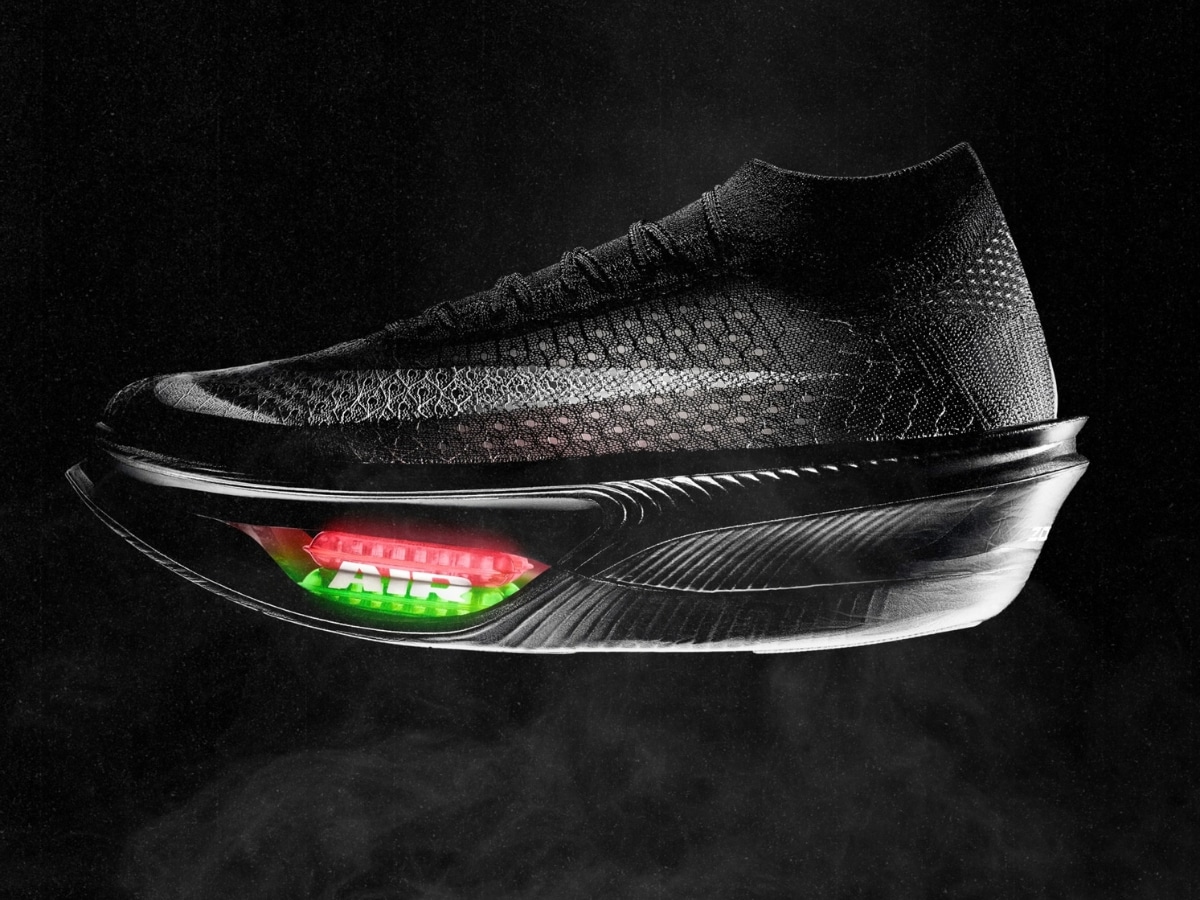
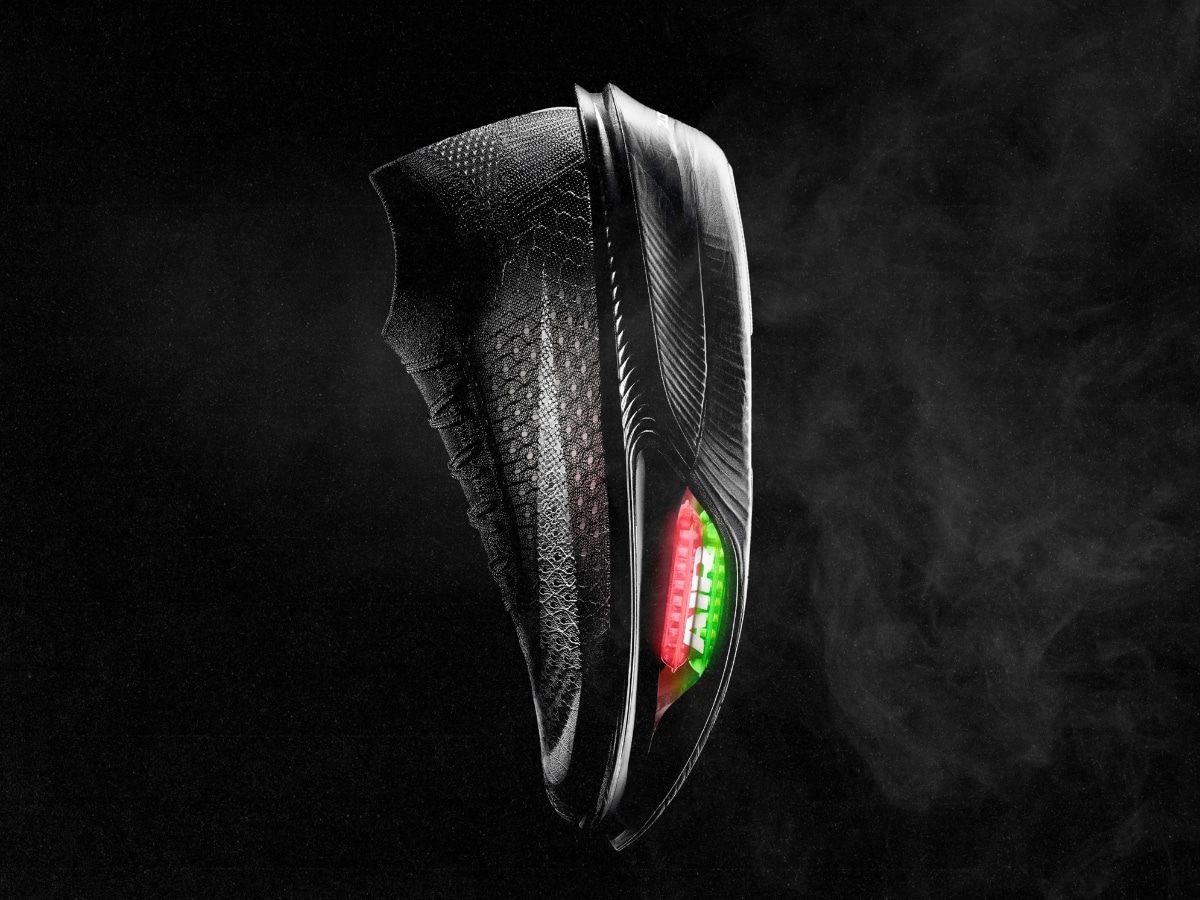
The core innovation of the Nike Apex lies in its forefoot construction. For the first time in its racing history, Nike has installed four Air Zoom units, arranged in two stacked pairs. This configuration effectively doubles the volume of pressurized air compared to previous models. The mechanical intent is to create a more responsive "piston" effect; as the runner strikes the ground, the stacked units compress and rebound with greater force than a single layer of air or foam alone.
Supporting this system is the debut of ZoomX LT (Lightweight) foam. According to Nike’s internal laboratory testing, this new compound is not only softer and lighter than the standard ZoomX used in the Pegasus or Vaporfly lines but also provides a higher percentage of energy return. When combined with the quadruple Air Zoom units, Nike claims the Apex delivers up to 40 percent more energy return than the Alphafly 3. This is a staggering metric, given that the Alphafly 3 was already considered one of the most efficient shoes ever produced.
Furthermore, the Apex manages to achieve these performance gains while reducing total mass. In a men’s size 10, the Apex is more than 10 percent lighter than the Alphafly 3. In marathon racing, where every gram of weight must be lifted thousands of times over 42.195 kilometers, this weight reduction is as critical to the shoe’s performance as its energy return capabilities.
The Radical Shift to Zero-Drop Geometry
Perhaps the most controversial and technically daring aspect of the Apex is its 40mm zero-drop platform. In traditional running shoes, the heel is elevated higher than the forefoot (the "drop"), usually by 8mm to 12mm, to reduce strain on the Achilles tendon and calf muscles. Most modern super shoes, including the Alphafly 4, utilize an 8mm drop to encourage forward lean and a midfoot strike.
The Apex breaks this convention by placing the heel and forefoot at the exact same height of 40mm—the maximum stack height allowed by World Athletics. A zero-drop shoe with such a high stack height is virtually unprecedented in the elite racing world. This design choice suggests that Nike is targeting a specific type of elite gait, one that relies on a powerful forefoot strike and maximizes the leverage of the carbon-fiber Flyplate.

The Flyplate in the Apex has been redesigned with an "inverse-wave" geometry. Positioned directly above the stacked Air Zoom units, the plate acts as a loading lever. The zero-drop setup ensures that the runner’s foot remains parallel to the ground, allowing the Flyplate to engage the Air Zoom units with maximum vertical force. While this may require a period of adaptation for runners used to higher drops, the theoretical payoff is a more direct and powerful transfer of energy.
Compliance and World Athletics Regulations
The development of the Apex has clearly been dictated by the strict parameters set by World Athletics (WA). Since 2020, WA has mandated that any shoe used in official competition must have a sole thickness (stack height) no greater than 40mm and contain no more than one rigid embedded plate.
Nike’s engineers have maximized these limits with mathematical precision. By utilizing a 40mm stack height from heel to toe, the Apex uses the maximum allowable volume of foam and air across the entire length of the shoe. The carbon-fiber Flyplate, while redesigned, remains a single continuous component to stay within the legal framework. This ensures that when the Apex hits the pavement in 2027, it will be immediately eligible for use in World Marathon Majors and the Olympic Games, provided it meets the "availability to all" rule, which requires shoes to be available for purchase by the general public for a period of four months before competition.
Market Implications and the AUD $500 Price Point
The AUD $500 price tag of the Nike Apex places it in a rarified atmosphere. To put this in perspective, the original Vaporfly 4% launched at approximately AUD $320, which at the time was considered a significant investment for a shoe with a limited lifespan. The Apex’s $500 price point reflects several factors: the rising cost of high-performance materials like ZoomX LT, the complexity of manufacturing stacked Air Zoom units, and a market strategy that treats elite footwear as "performance equipment" rather than mere apparel.
This pricing also serves as a competitive response to other brands. Adidas recently released the Adizero Adios Pro Evo 1, a $500 USD (approx. AUD $750) single-use racing shoe. By comparison, the Nike Apex appears to be a more durable, multi-use alternative, though it still commands a "prestige" premium.

The introduction of the Apex creates a clear hierarchy in Nike’s 2027 racing lineup:
- Nike Apex (AUD $500): The extreme, zero-drop specialist for PBs and elite competition.
- Nike Alphafly 4 (AUD $400): The versatile, high-energy flagship for the majority of marathoners.
- Nike Swooshfly (TBA): An entry-level carbon-plated racer designed for durability and training.
Professional Reactions and Theoretical Analysis
While official athlete testimonials are typically part of a later marketing phase, the technical specifications of the Apex have already sparked debate among exercise physiologists and biomechanics experts. The combination of a 40mm forefoot and zero-drop geometry is seen by some as a "high-risk, high-reward" configuration.
"A 40mm forefoot stack provides an incredible amount of cushioning and leverage," notes one independent footwear analyst. "However, moving from an 8mm drop to a zero-drop in a marathon shoe is a significant mechanical change. It places more load on the posterior chain—the calves and Achilles. For the elite runner who has the strength to handle it, the energy return from those quadruple Air units could be a game-changer. For the average hobbyist, it might be a recipe for lower-leg fatigue."
Nike’s internal response emphasizes that the Apex is the result of thousands of hours of testing at the LeBron James Innovation Center. The goal was to create a shoe that doesn’t just return energy but "amplifies the runner’s natural mechanics." By removing the drop, Nike claims to have created a more stable platform for the energy-return systems to function.
Conclusion: A New Era of Athletic Performance
The Nike Apex is more than just a new sneaker; it is a statement of intent from a brand that has reclaimed its position at the forefront of athletic innovation. By pushing the boundaries of price, material science, and geometry, Nike is betting that there is a significant segment of the running community willing to pay a premium for even the slightest competitive edge.
When the Apex arrives in January 2027, it will serve as a litmus test for the future of the sport. Will the radical zero-drop design become the new standard for elite racing, or will it remain a specialized tool for a select few? Regardless of the outcome, the Apex has successfully raised the bar for what is possible within the 40mm confines of a marathon shoe, proving that even in a highly regulated sport, there is still plenty of room for innovation. For the serious runner, the quest for a personal best just became more technologically advanced—and more expensive.




 Yuyun Lusiyani
 Joko Widodo
 Eva Lovia
 Pevita Pearce
 admin
admin