
 admin
admin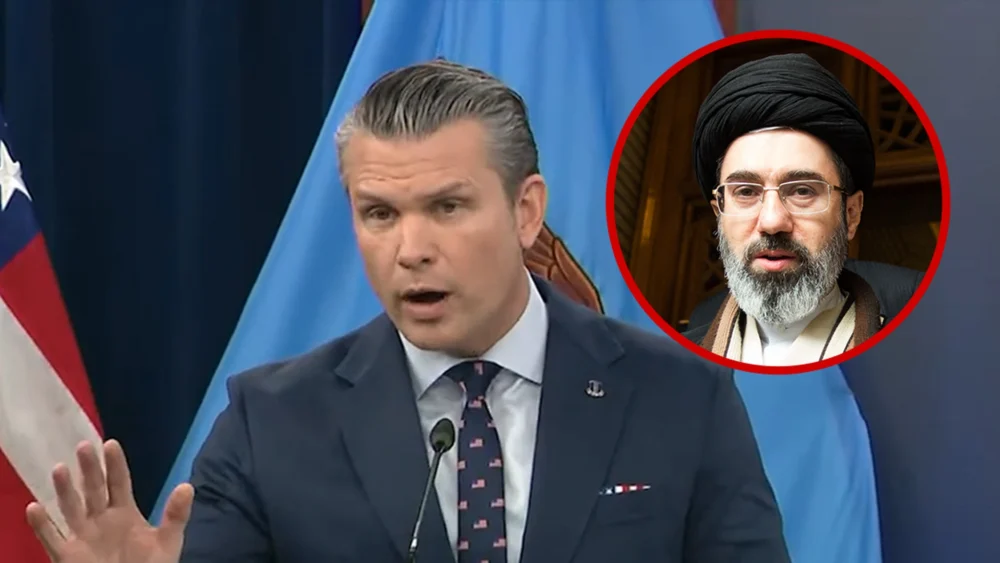
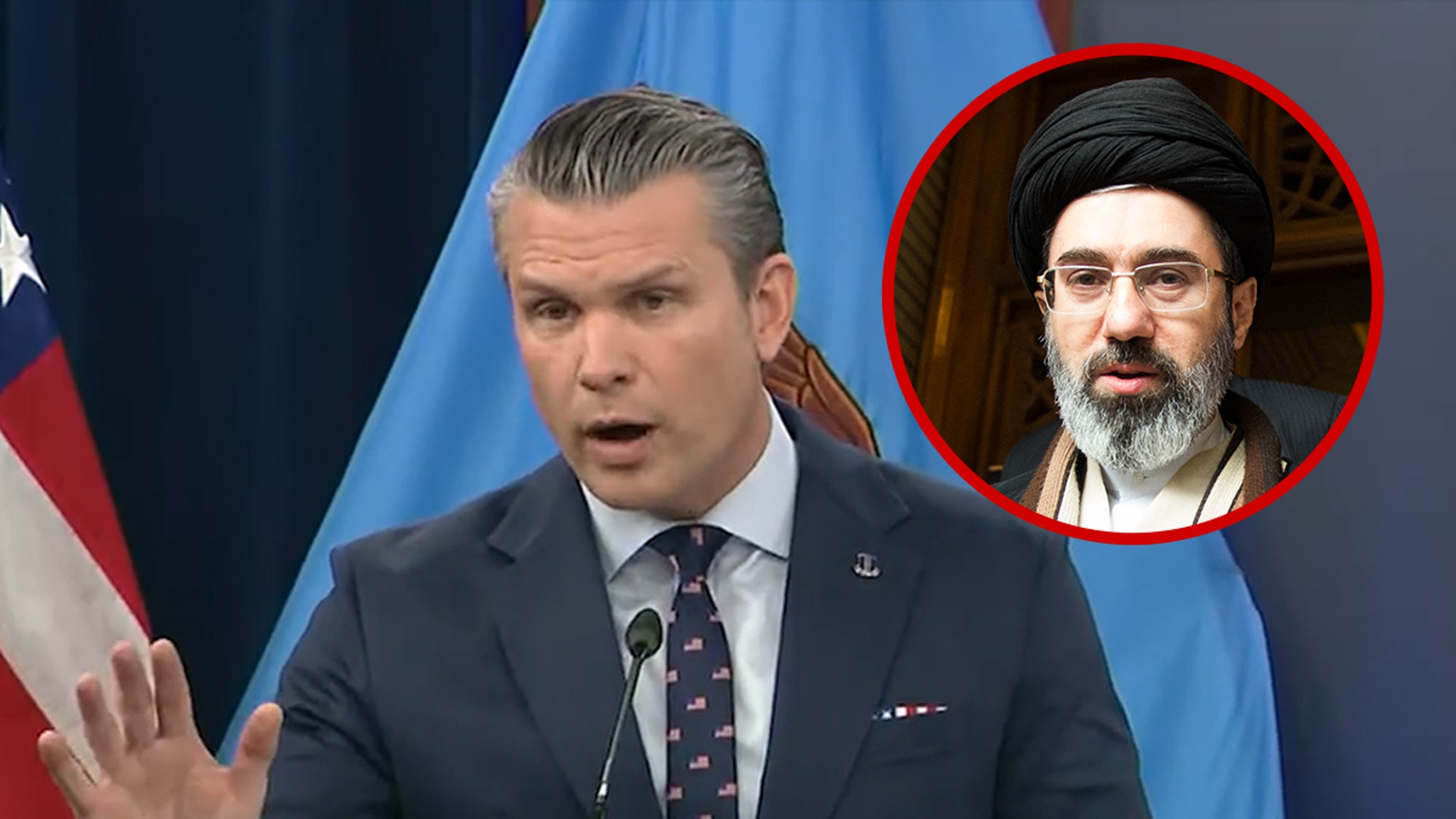
United States Defense Secretary Pete Hegseth has issued a stark and provocative challenge to Iran’s newly appointed Supreme Leader, Mojtaba Khamenei, demanding a public appearance and accusing him of deliberate concealment amidst swirling rumors of disfigurement or injury following the recent US-Israeli strikes that claimed his father’s life. The unusually direct confrontation, delivered during a Pentagon briefing on Friday, March 13, 2026, underscores the escalating tensions in the Middle East and casts a pall of uncertainty over the leadership transition in Tehran. Khamenei, 56, ascended to the paramount position after the death of his father, Ayatollah Ali Khamenei, on February 28, but his first official communication came in the form of a written statement read by a state television presenter, a significant departure from the customary public addresses of Iranian Supreme Leaders.
The Succession and Hegseth’s Scathing Challenge
Mojtaba Khamenei, long considered a powerful figure behind the scenes, particularly within the clerical establishment and the Islamic Revolutionary Guard Corps (IRGC), formally assumed the role of Supreme Leader following an expedited process by the Assembly of Experts. His ascension was widely anticipated given his lineage and influence, but the circumstances of his father’s death—reportedly due to targeted US-Israeli strikes—have shrouded his early tenure in unprecedented secrecy and speculation.
Defense Secretary Hegseth seized upon this lack of public visibility, questioning the new leader’s absence from the public eye. "Why isn’t he showing his face?" Hegseth queried, his tone sharp and accusatory. "Why is his first message to the Iranian people a written statement, read by someone else? Does he fear for his safety? Is he injured? Or is he, as some reports suggest, disfigured after the recent events?" The Secretary’s remarks directly referenced unconfirmed intelligence circulating within Western circles hinting at Khamenei potentially suffering injuries during the February 28 strikes, or at the very least, being unwilling to appear publicly for reasons of personal security or a perceived lack of legitimacy in the immediate aftermath of such a dramatic transition.
Hegseth further lambasted the method of communication, stating, "A leader speaks to his people. He doesn’t hide behind a teleprompter or a proxy voice. This comes off as weak, desperate, and frankly, cowardly." He then delivered a particularly harsh indictment, claiming, "Iran’s leadership is clearly desperate and hiding underground. That’s what rats do." This inflammatory language, while characteristic of Hegseth’s public persona, signals a deliberate strategy by the Biden administration to exert maximum psychological and diplomatic pressure on the nascent Iranian leadership, challenging its legitimacy and projecting an image of internal disarray. The United States, along with its regional allies, has long sought to undermine the clerical regime, and the current vacuum of direct, visible leadership presents a potent opportunity.
A Nation in Transition: The Aftermath of February 28, 2026
The political landscape of Iran was irrevocably altered on February 28, 2026, with the confirmed death of Ayatollah Ali Khamenei, Iran’s Supreme Leader since 1989. The strikes, which multiple sources attributed to a coordinated US-Israeli operation, targeted what intelligence agencies described as a "critical command and control node" deep within Iran. While the precise nature of the target and the method of the strike remain classified, reports suggested the use of advanced bunker-buster munitions, indicating a sophisticated and pre-planned operation. The strikes were framed by Washington and Jerusalem as a retaliatory measure following a series of increasingly aggressive Iranian actions in the Persian Gulf and against Israeli interests in the Levant, including an alleged drone attack on a US naval vessel and the provision of advanced missile technology to proxy groups.
The immediate aftermath was chaotic. State media initially reported the Supreme Leader’s death as due to "natural causes exacerbated by recent illness," a narrative quickly contradicted by international intelligence assessments. The swift appointment of Mojtaba Khamenei, who served as his father’s chief of staff and held significant sway over the Quds Force and the Basij paramilitary, demonstrated the regime’s determination to maintain a semblance of continuity and control. However, the lack of traditional mourning ceremonies and public appearances by the new leader, coupled with heightened security measures across major Iranian cities, fueled intense speculation about the true state of affairs. Reports from inside Iran, difficult to verify, indicated widespread discontent among various factions, particularly hardline elements within the IRGC who felt the regime had been caught off guard by the audacity of the US-Israeli operation. The public, already grappling with severe economic hardship and social unrest, found itself in an unprecedented state of uncertainty regarding its future leadership.
The Significance of Public Appearances in Iranian Leadership
The tradition of the Supreme Leader’s public engagement in Iran is deeply rooted in the revolutionary ethos of 1979. Both Ayatollah Ruhollah Khomeini and his successor, Ayatollah Ali Khamenei, consistently maintained a visible public profile, frequently delivering sermons, speeches, and addresses on state television, often at significant religious or national events. These appearances were not merely ceremonial; they were vital tools for projecting authority, rallying public support, and communicating directly with the Iranian populace on matters of domestic policy, regional strategy, and religious guidance. The Supreme Leader’s image, voice, and physical presence were integral to his perceived legitimacy and his role as the spiritual and political guide of the nation.
For Mojtaba Khamenei to deviate so sharply from this established protocol sends a powerful message, intentionally or unintentionally. His reliance on a state TV presenter to read a pre-written statement, devoid of his own voice or image, is a stark departure that analysts both inside and outside Iran have deemed highly unusual and potentially indicative of underlying issues. In a culture where symbolism and direct connection with religious authority hold immense weight, this absence is conspicuous. It fuels the very rumors Hegseth highlighted: that Mojtaba is either physically incapacitated, unwilling to face the public due to security concerns, or lacks the necessary confidence and charisma to command the stage as his father did. This absence risks undermining his authority from the outset, particularly in a nation that has historically equated visible, strong leadership with stability and divine mandate. The whispers of disfigurement or injury, whether true or not, gain traction in the void left by his silence, creating a narrative of a vulnerable and perhaps compromised leader.
International Reactions and Regional Tensions
Secretary Hegseth’s provocative remarks were not made in isolation but as part of a broader US strategy to capitalize on Iran’s leadership transition. The Biden administration has indicated that it views this period as a critical juncture for potentially altering the trajectory of Iranian regional policy. While no other major Western power has echoed Hegseth’s specific "show your face" challenge, there is a clear consensus among the US and its allies that the new Iranian leadership must demonstrate stability and a willingness to de-escalate regional tensions.
Iranian Response: Predictably, Iranian state media and official channels vehemently condemned Hegseth’s statements as "outrageous interference" and "psychological warfare." Foreign Ministry spokesman Saeed Khatibzadeh issued a statement calling Hegseth’s remarks "a desperate attempt to sow discord and destabilize the Islamic Republic during a sensitive period." While asserting the "unity and resilience" of the Iranian nation under its new leadership, Iranian officials conspicuously avoided directly addressing the rumors of Mojtaba Khamenei’s alleged injuries or setting a clear timeline for his public appearance. This evasiveness only serves to amplify the speculation. Unnamed sources within the IRGC, however, reportedly dismissed the claims as "Western fabrications," insisting that the Supreme Leader was "in excellent health" and merely observing a traditional period of mourning before addressing the nation in due course.
Regional Allies: Israel, a key US ally and often a target of Iranian aggression, offered a muted but pointed response. Prime Minister Benjamin Netanyahu’s office released a brief statement emphasizing that "Israel remains vigilant and committed to defending its interests against any threat, regardless of who is in power in Tehran." This implied a wait-and-see approach, observing how Mojtaba Khamenei solidifies his control and whether his policies deviate from his father’s hardline stance. Saudi Arabia and the United Arab Emirates, while refraining from direct commentary on internal Iranian affairs, expressed quiet concerns about regional stability and urged all parties to exercise restraint. These nations, which have historically viewed Iran as a primary adversary, are closely monitoring the succession for any signs of altered regional dynamics.
International Bodies: The United Nations Secretary-General issued a call for de-escalation across the Middle East, expressing concern over the recent surge in tensions. A spokesperson stated that "the international community must prioritize diplomatic solutions and ensure that the transition of leadership in any nation proceeds peacefully and transparently, contributing to regional and global stability." Russia and China, traditional partners of Iran, largely remained silent on Hegseth’s specific challenge, instead reiterating calls for non-interference in sovereign nations’ internal affairs and emphasizing the importance of respecting international law. This nuanced response highlighted their strategic interest in maintaining relations with Iran while avoiding direct confrontation with the United States over the specifics of its leadership.
Geopolitical Implications and Future Outlook
The current situation in Iran, characterized by an untested leader and an aggressive posture from the United States, carries significant geopolitical implications. A Supreme Leader who is perceived as weak, injured, or isolated could face challenges to his authority from within Iran’s complex power structures, including rival clerical factions, pragmatic reformists, or even segments of the IRGC. Such internal strife could lead to unpredictable shifts in Iranian domestic and foreign policy, potentially either hardening its stance to project strength or forcing a more conciliatory approach out of necessity.
One immediate concern is the future of Iran’s nuclear program. Under Ali Khamenei, Iran steadily advanced its nuclear capabilities, consistently denying ambitions for nuclear weapons but enriching uranium far beyond the limits set by the 2015 Joint Comprehensive Plan of Action (JCPOA). Should Mojtaba Khamenei fail to consolidate power effectively, there is a risk that hardline elements could accelerate nuclear activities as a show of force, or conversely, a weakened leadership might become more susceptible to international pressure for renewed negotiations.
Furthermore, the regional proxy network that Iran has cultivated, spanning from Hezbollah in Lebanon to Houthi rebels in Yemen and various militias in Iraq and Syria, faces a period of uncertainty. The level of financial and military support, as well as strategic direction, from Tehran could be impacted by the new leadership’s internal struggles. A less unified or more cautious Iranian leadership might lead to a temporary reduction in proxy activities, or conversely, an attempt to use proxies to project strength and deflect attention from domestic issues.
The economic outlook for Iran also remains bleak. Already crippled by decades of sanctions and exacerbated by the recent instability, the lack of a visible and reassuring leader will likely deter foreign investment and further isolate the country from global markets. The Iranian Rial is anticipated to depreciate further, exacerbating inflation and public discontent, which could in turn fuel further internal unrest.
In conclusion, Defense Secretary Pete Hegseth’s blunt demand for Mojtaba Khamenei to "show his face" is more than just a rhetorical jab; it is a calculated move designed to expose perceived vulnerabilities in Iran’s new leadership. The ensuing silence and the lack of a visible presence from the new Supreme Leader only intensify the existing uncertainty, both within Iran and across the international community. As the world watches closely, the coming weeks will be crucial in determining whether Mojtaba Khamenei can emerge from the shadows to assert his authority, or if this unprecedented period of opacity will ultimately undermine his rule and further destabilize an already volatile region. The stakes are profoundly high, with the balance of power in the Middle East hanging precariously in the balance.


 Yuyun Lusiyani
 Joko Widodo
 Eva Lovia
 Pevita Pearce

 Lina Irawan