
 Pevita Pearce
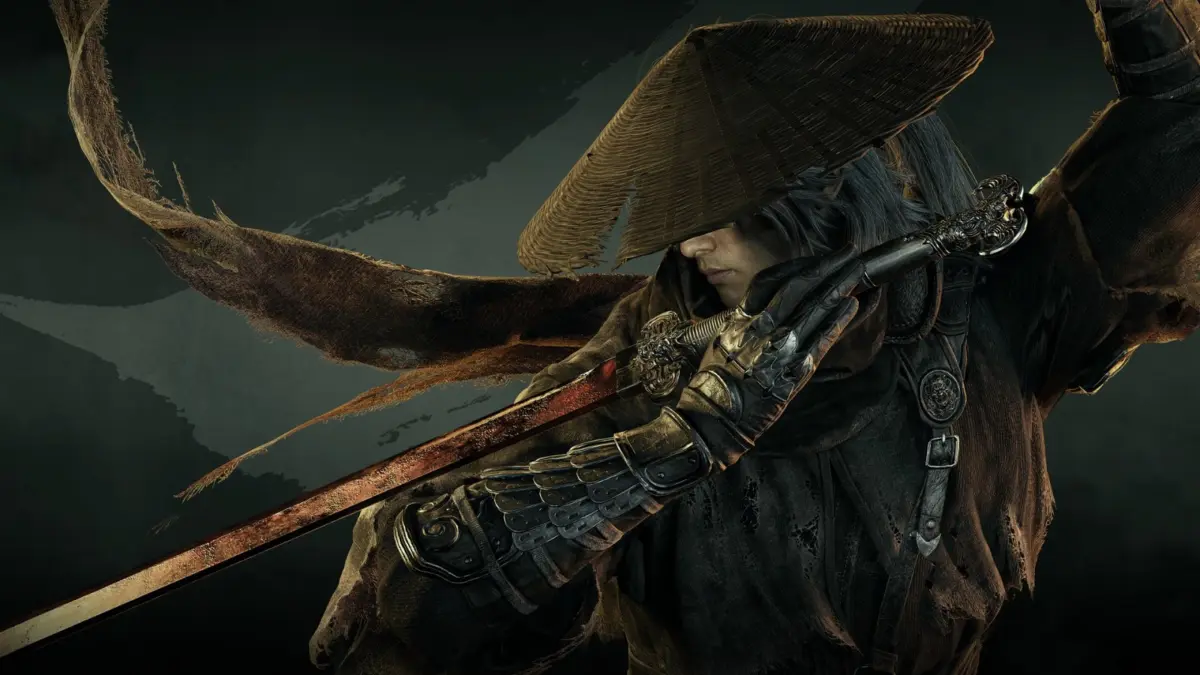
The global landscape of the video game industry has undergone a seismic shift over the past several years, driven largely by the emergence of high-budget, technically sophisticated titles originating from Chinese development studios. Following the monumental success of Game Science’s Black Myth: Wukong, which secured the Best Action Game title at the 2024 Game Awards, the expectations for the "Triple-A" Chinese market reached an all-time high. However, with the release of Phantom Blade Zero, developed by the Beijing-based S-Game, the bar has been raised once again. This "Kungfupunk" epic does more than just follow in the footsteps of its predecessors; it refines the action-RPG genre through breathtakingly fluid combat, intricate world-building, and a level of visual fidelity that utilizes the full potential of next-generation hardware. While Black Myth: Wukong set the stage, Phantom Blade Zero has claimed the spotlight, offering a 35-hour odyssey that combines the cinematic flair of classic martial arts cinema with the mechanical depth of modern "Soulslike" experiences.
The Narrative Foundation: A Tale of Betrayal and the Cursed Heart
At the center of Phantom Blade Zero is Soul, an elite assassin and a high-ranking member of "The Order," a clandestine organization that maintains a fragile balance of power within the sprawling lands of Wulin. The narrative tension is established early when Soul is framed for the assassination of the Order’s supreme patriarch. This betrayal transforms him from an esteemed enforcer into a hunted fugitive. The stakes are personal and immediate; Soul’s childhood friend, Zhou Shang, executes the Order’s sentence, delivering a near-fatal blow that pierces Soul’s heart.

The protagonist is saved by a mysterious figure known as the Flesh Sculptor, a healer whose methods blur the line between medicine and dark alchemy. Soul is granted a "cursed heart," a mechanical or supernatural graft that restores his life but at a heavy price: he has only 66 days to live. This ticking-clock mechanic serves as the narrative engine, driving Soul to uncover the conspiracy behind his master’s death and the origins of the "Maskwalkers"—grotesque, zombie-like entities that have begun to plague the land. While the game provides deep lore through environmental storytelling and "audio memories," the narrative serves primarily as a backdrop for the game’s true star: its sophisticated combat system.
A Technical Chronology: From Rainblood to Phantom Blade Zero
The journey of Phantom Blade Zero began long before its 2026 release. To understand the game’s complexity, one must look at the history of S-Game and its founder, Liang Qiwei (also known as Soulframe).
- 2010: Liang Qiwei releases Rainblood: Town of Death, an indie RPG developed during his time as an architecture student. The game gained a cult following for its unique dark aesthetic.
- 2013–2020: The franchise transitions into the Phantom Blade series, primarily finding success on mobile platforms in China. These games refined the "hardcore" action mechanics in a 2D space.
- 2023: S-Game shocks the industry with the reveal of Phantom Blade Zero during the PlayStation Showcase, promising a transition to a high-end 3D action game built on Unreal Engine 5.
- 2024–2025: The developers conducted extensive world tours, providing hands-on demos at events like Summer Game Fest and Gamescom, where players first experienced the "Kungfupunk" combat.
- Late 2026: The game launches globally, receiving critical acclaim for its performance on PC and next-generation consoles.
This timeline illustrates a decade-long evolution of a specific design philosophy: the desire to translate the rapid-fire choreography of Hong Kong action cinema into a responsive, interactive format.

Mechanical Innovation: The Sha-Chi System and Weapon Synergy
Phantom Blade Zero distinguishes itself from other Soulslikes through its emphasis on speed and "active" defense. The core of the gameplay revolves around the "Sha-Chi" gauge, a posture-based meter that governs both Soul and his enemies. Unlike the stamina bars found in traditional Soulslikes, Sha-Chi is a dynamic representation of combat momentum.
Players are encouraged to maintain a relentless offensive. Holding a block or mistiming a parry depletes Sha-Chi; once the meter is empty, the player becomes vulnerable to devastating "Obliteration" attacks. However, S-Game introduced a unique tactical layer: weapon switching. Soul can carry two primary weapons at once, and switching between them mid-combo instantly resets a portion of the Sha-Chi meter. This encourages a playstyle that is constantly in motion, mirroring the high-energy fights seen in films like Crouching Tiger, Hidden Dragon.
The arsenal available to the player is expansive. Beyond standard katanas, players can master:

- Dual Blades: High-speed weapons that mimic a "Demon Mode," increasing attack frequency at the cost of defensive stability.
- Great Polearms: Massive spears capable of clearing crowds with spinning maneuvers.
- Cursed Blades: Weapons that apply status effects, such as the "Spider Lily" effect which creates explosive zones on the ground.
Complementing these are "Phantom Edges"—secondary tools that provide utility and crowd control. The "Fire Meteor," a spiked ball and chain, allows for mid-range elemental damage, while the "Puppeteer’s Bell" introduces a strategic element by summoning spectral allies to distract bosses, a mechanic that echoes the transformation systems seen in Black Myth: Wukong.
Visual Fidelity and Environmental Design
The technical performance of Phantom Blade Zero is a testament to the capabilities of Unreal Engine 5. Testing the game on high-end hardware, such as an RTX 5080 at 4K resolution, reveals a level of detail that sets a new industry standard. The game’s art direction, termed "Kungfupunk," blends traditional Chinese architecture and attire with dark, industrial, and occult elements.
The world is not a traditional open world but rather a series of densely packed, interconnected zones. These environments range from rain-slicked urban rooftops to mountain passes choked with autumnal foliage. Unlike many of its contemporaries, Phantom Blade Zero rewards verticality and backtracking. New tools, such as the "Bashpole," allow players to break through previously indestructible barriers, revealing hidden bosses and "Legendary" grade equipment.

According to technical benchmarks, the game utilizes advanced Nanite geometry and Lumen global illumination to create realistic lighting transitions, particularly in the game’s many water-logged environments. The lack of respawning enemies in cleared areas—a departure from the standard Souls formula—creates an eerie, atmospheric silence that emphasizes the apocalyptic state of Wulin.
Comparative Analysis: Surpassing the Monkey King
While Black Myth: Wukong was praised for its boss variety and cultural significance, Phantom Blade Zero is being recognized for its superior combat fluidity and exploration mechanics. Industry analysts have noted several key areas where S-Game’s title has pushed the envelope:
- Difficulty Scaling: While Wukong featured several "hard-wall" bosses that could frustrate players, Phantom Blade Zero employs a multi-phase checkpoint system. If a player dies during a boss’s third phase, they can opt to restart from the beginning of that specific phase. This reduces "player fatigue" without compromising the mechanical challenge of the fight itself.
- Resource Management: S-Game implemented a "Refund" system for upgrade materials. Players can strip resources from one weapon to instantly boost another, allowing for experimentation without the need for repetitive "grinding."
- Combat Choreography: The use of motion capture from veteran martial arts choreographers ensures that every strike feels weighted and authentic, avoiding the "floaty" feel sometimes associated with high-speed action games.
Official Responses and Economic Impact
Following the game’s successful launch, S-Game CEO Liang Qiwei issued a statement emphasizing the studio’s commitment to the "Kungfupunk" vision. "We wanted to create a world where the elegance of traditional martial arts meets the grit of a dark fantasy," Qiwei stated. "Our goal was to prove that a Chinese studio could deliver a world-class action experience that resonates with both Eastern and Western audiences."

The economic impact of the game’s release has been significant. Market data suggests that Phantom Blade Zero moved over 5 million units within its first month, with a substantial percentage of sales coming from North American and European markets. This success has sparked increased investment in the Beijing and Shanghai game development clusters, with major tech firms shifting focus toward high-end console development rather than the traditional mobile-first approach.
Broader Implications for the Gaming Industry
Phantom Blade Zero represents a turning point for the "Action-RPG" genre. It proves that the "Soulslike" label is no longer a rigid set of rules but a foundation upon which developers can build entirely new experiences. By prioritizing stylish combat and player-friendly systems like phase checkpoints and resource refunds, S-Game has widened the appeal of high-difficulty action games.
Furthermore, the game solidifies China’s position as a powerhouse in the global gaming market. The transition from Black Myth: Wukong to Phantom Blade Zero shows a rapid maturation of development talent, moving from "promising newcomers" to "industry leaders" in less than three years. As the industry moves forward, the "Kungfupunk" aesthetic and the aggressive, posture-based combat of Phantom Blade Zero are likely to influence Western and Japanese developers alike, ensuring that the legacy of Soul and the land of Wulin will be felt for years to come.




 Nila Kartika Wati

 Eva Lovia

 Lina Irawan

 Yuyun Lusiyani

 Ana Megawati

 Joko Widodo
