
 Nila Kartika Wati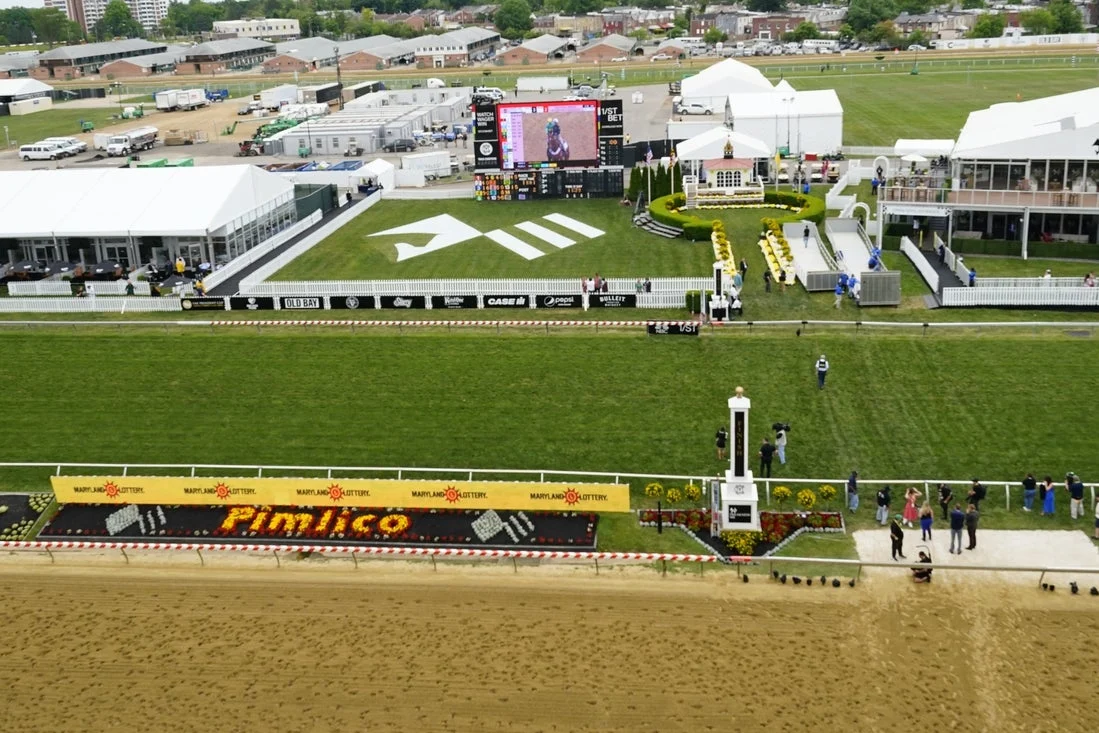
In a significant strategic move aimed at revitalizing interest and participation in horse racing’s coveted Triple Crown, the Preakness Stakes will officially shift its date to the fourth weekend in May, beginning in 2027. This historic adjustment, moving the second jewel of the Triple Crown to Sunday, May 23, 2027, creates a 22-day interval between the Kentucky Derby and the Preakness. This expanded window is designed to entice more horses that compete in the Kentucky Derby to also contest the Preakness Stakes, a move that racing officials believe will bolster the entire series.
A Strategic Realignment for the Triple Crown
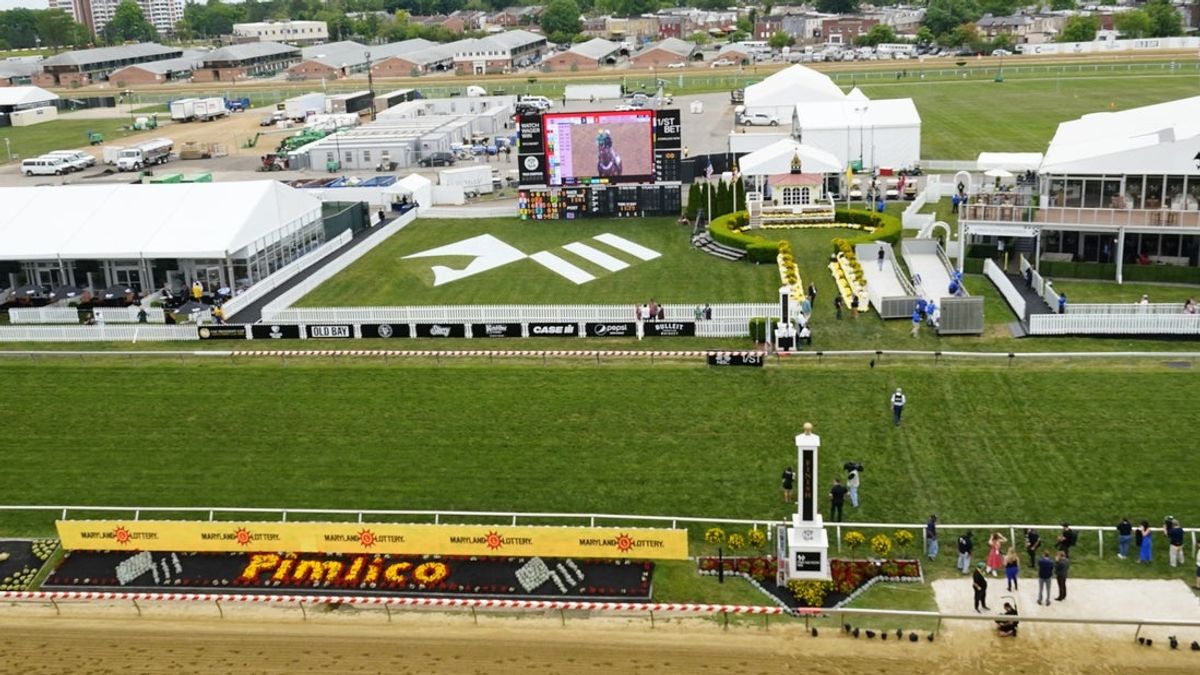
The decision by the Maryland Jockey Club, which operates Pimlico Race Course in Baltimore, the traditional home of the Preakness, marks a departure from decades of established scheduling. For years, the Preakness has been held just two weeks after the Kentucky Derby. This compressed timeline has often proven a significant deterrent for owners and trainers concerned about the physical toll on their equine athletes, particularly those who may have endured a demanding Kentucky Derby race.
Data from recent years underscores this challenge. Over the past five runnings of the Triple Crown races, a stark majority of Kentucky Derby participants have opted out of the Preakness. Specifically, 82 out of 95 horses that competed in the Kentucky Derby between 2019 and 2023 did not participate in the subsequent Preakness Stakes. This trend has been a persistent concern for stakeholders invested in the health and allure of the Triple Crown, a series that historically crowns the sport’s most celebrated champion.
Bill Knauf, president and general manager of the Maryland Jockey Club, articulated the rationale behind this pivotal decision. "Moving the Preakness to the fourth weekend in May is a historic announcement," Knauf stated. "We believe the Preakness and the entire Triple Crown series are positioned for growth and great success. This extra week between the Kentucky Derby and the Preakness opens the Preakness to potential participants who use modern training methods." Knauf’s statement emphasizes a forward-looking perspective, acknowledging that contemporary training regimens and horse welfare considerations necessitate a reevaluation of traditional racing schedules. The hope is that by providing a more manageable recovery and preparation period, the Preakness can reclaim its status as a compelling destination for top-tier three-year-old Thoroughbreds.
Broader Implications and Ancillary Changes
Beyond the direct impact on the Preakness Stakes, this date shift carries broader implications for the racing calendar and related events. The announcement coincides with a significant broadcast extension for the Preakness, securing its presence on NBC and Peacock through 2032. This renewed media partnership signals a continued commitment to showcasing the event to a wide audience and suggests that the increased participation hoped for by the date change will be met with robust broadcast coverage.
Crucially, the Black Eyed Susan Stakes, a prestigious Grade II stakes race for three-year-old fillies, will also be rescheduled. This significant filly race, often a highlight of the Preakness undercard, will now take place on the fourth Saturday in May, aligning with the new Preakness date and maintaining its prominent position within the race weekend. This ensures that the entire racing program at Pimlico benefits from the extended timeline.
Maryland Governor Wes Moore expressed his enthusiastic support for the changes, highlighting the economic and cultural significance of the event for the state. "This agreement now means millions more people will be able to tune in and watch this iconic race weekend," Governor Moore remarked. "It also means that when they view this race… it means that more people will watch and witness the greatest show in the Mid-Atlantic and continue to see Maryland on the world stage, exactly where Maryland belongs." His comments underscore the perceived boost to Maryland’s profile and the potential for increased tourism and economic activity associated with a more robust and competitive Preakness Stakes.
A Rebalanced Triple Crown Challenge
While the new date aims to bridge the gap between the first two legs of the Triple Crown, it inevitably compresses the timeline between the Preakness and the Belmont Stakes, the third and final leg. The Belmont Stakes, held at Belmont Park in Elmont, New York, is currently scheduled for June 5, 2027. Under the revised Preakness schedule, this would leave only 13 days between the Baltimore race and the "Test of the Champion" in New York. This presents a new challenge for horses aiming to win the Triple Crown, as the window between the Preakness and the Belmont will be even tighter than it has historically been.
Knauf addressed this aspect of the scheduling adjustment, emphasizing a pragmatic approach. "Our focus is to preserve the tradition of horses running back in the Preakness and to enhance participation in the Triple Crown races," he said. "We acknowledge the great history of the traditional Triple Crown spacing between races, but recognize that change must always be examined. This is common in all professional sports. Now is the time for the Preakness." This statement suggests an understanding that perfect symmetry across all three races may not be achievable, but the priority is to make the Preakness more accessible and competitive. The comparison to other professional sports implies a willingness to adapt and innovate to maintain relevance and excitement.
The Evolving Landscape of Thoroughbred Racing
This strategic pivot by the Preakness Stakes occurs against the backdrop of evolving structures within Thoroughbred racing. Notably, the Preakness’s announcement comes in the wake of the formation of the Thoroughbred Championship Series. This new venture, designed to create a cohesive and lucrative series for elite three-year-old horses, will feature the Kentucky Derby and the Belmont Stakes. However, the initial iteration of this series will not include the Preakness Stakes, a significant omission that highlights the ongoing jockeying for position and influence among major racing jurisdictions.
The Thoroughbred Championship Series is slated to include six races: three at Churchill Downs, two at Saratoga Race Course in Saratoga Springs, New York, and the Belmont Stakes. The exclusion of the Preakness from this prominent new series likely served as an additional impetus for the Maryland Jockey Club to take proactive steps to enhance the appeal and competitive field of its own signature event. By lengthening the interval to the Kentucky Derby, the Preakness aims to reassert its critical role within the broader narrative of the Triple Crown and the elite racing calendar.
Historical Context of the Triple Crown
The Triple Crown of Thoroughbred Racing—the Kentucky Derby, the Preakness Stakes, and the Belmont Stakes—represents the pinnacle of achievement in American horse racing. First conceived as a unified series in 1919, it has been achieved by only 13 horses in its storied history, with American Pharoah in 2015 being the most recent to conquer the challenge. The rarity of this feat underscores its prestige.
The traditional spacing of the Triple Crown races has historically been two weeks between the Kentucky Derby and the Preakness, and three weeks between the Preakness and the Belmont Stakes. This spacing was established in an era when training methods and horse welfare concerns were different. However, with advancements in veterinary science, training techniques, and a greater emphasis on the longevity and well-being of equine athletes, the traditional gaps have come under scrutiny.
The Kentucky Derby, run on the first Saturday in May, has evolved into a massive betting event and a significant challenge for young horses, many of whom are making their stakes debut or have had limited racing experience. The Preakness, run at Pimlico on the third Saturday in May, is known for its intimate atmosphere and its position as the shortest of the Triple Crown races. The Belmont Stakes, on the first Saturday in June, is the longest and often tests a horse’s stamina and ability to handle a different racing surface.
The challenge for the Preakness has been to attract a field that truly reflects the quality of horses that contested the Derby. The shift to a later date in 2027 is a bold attempt to address this long-standing issue. By providing an additional week of recovery and preparation, the hope is that trainers will be more inclined to run their Derby contenders back in Baltimore, thereby creating more compelling and competitive races. This strategic realignment reflects a modern approach to horse racing, balancing tradition with the evolving needs of the sport and its equine participants. The success of this endeavor will be closely watched by racing enthusiasts and industry professionals alike as it unfolds in the coming years.




 Yuyun Lusiyani
 Joko Widodo
 Eva Lovia
 Pevita Pearce
 admin
admin
 Lina Irawan