
 Amara Maple
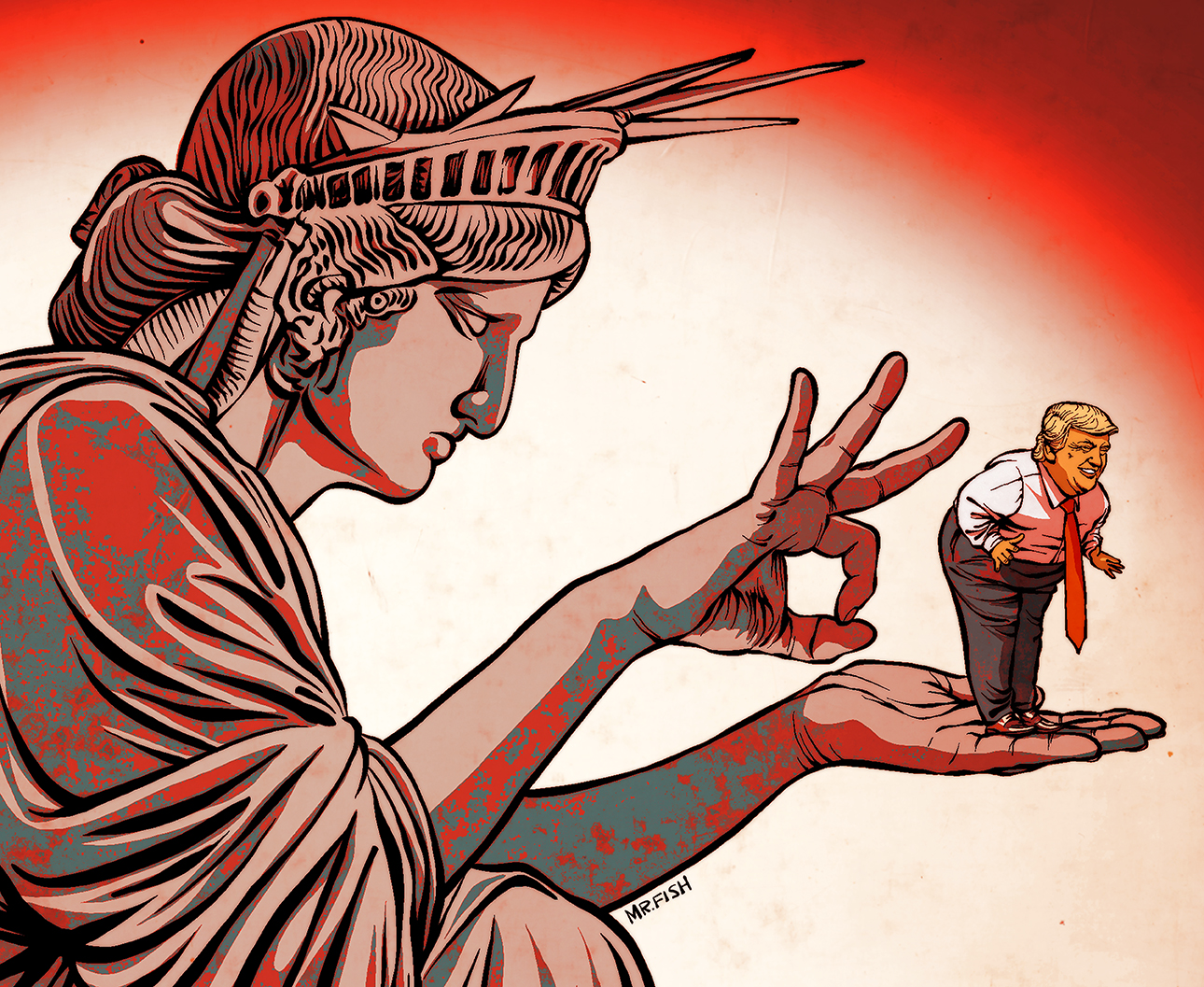
Consumer advocate Ralph Nader and distinguished constitutional lawyer and scholar Bruce Fein are set to co-convene the second in a series of critical symposia, focusing on the compelling necessity of impeaching and removing Donald Trump. Scheduled for July 22, 2026, in Washington, D.C., the event underscores a persistent commitment among certain legal and advocacy circles to address perceived constitutional violations and abuses of power. The symposium will serve as a forum for in-depth discussion, strategic planning, and public education regarding the constitutional mechanisms for presidential accountability, drawing on a wide array of alleged transgressions attributed to Trump during and after his time in office.
The upcoming gathering, taking place at the Senate Visitors Center, Room 201-00, from 11:00 a.m. to 3:00 p.m., builds upon previous efforts to scrutinize presidential conduct and explore avenues for safeguarding democratic institutions. While the precise political context of "President Donald Trump" in July 2026 is not specified in the symposium’s announcement, the event’s stated purpose strongly implies an ongoing focus on accountability for actions taken during his past presidency and potentially future political activities, or a hypothetical future term in office. Coffee will be available for attendees starting at 11:00 a.m., with lunch served at 12:15 p.m. The symposium is open to the public, requiring attendees to RSVP by Monday, July 20, at 10:00 a.m., with a dedicated online portal for sign-ups.
A Confluence of Constitutional Concerns
The agenda for the symposium is expansive, detailing a wide array of allegations that, according to the organizers, constitute grounds for impeachment and removal. These include serious charges such as "criminal wars of aggression, murder, piracy, and kidnapping," which typically fall under the purview of international law and specific statutes related to the conduct of warfare and executive authority. Discussions are expected to delve into the constitutional limits of presidential power in initiating military action and the implications of actions perceived to violate international norms or domestic law. For instance, debates surrounding presidential war powers have a long history in the U.S., often invoking the War Powers Resolution of 1973, which aims to limit the President’s ability to commit U.S. armed forces to hostilities without congressional approval.
Further critical points of focus encompass "bribery, extortion, and auctioning off pardons." These accusations directly touch upon core tenets of public trust and anti-corruption laws. The act of offering or accepting bribes for official acts, or using presidential pardon power as a transactional commodity, raises profound ethical and legal questions, potentially implicating federal statutes on bribery, honest services fraud, and obstruction of justice. The Emoluments Clauses of the U.S. Constitution, which prohibit federal officeholders from receiving gifts, payments, or titles from foreign states or from the U.S. without congressional consent, are often central to discussions of presidential ethics and potential conflicts of interest.
The symposium also intends to examine allegations of "refusing to faithfully execute the laws" and "abusing prosecutorial discretion to reward political friends or donors and to harass political opponents." These charges relate directly to the President’s constitutional duty under the "Take Care Clause" (Article II, Section 3) to "take Care that the Laws be faithfully executed." Selective enforcement of laws, or the weaponization of federal agencies for political gain or retribution, represents a significant challenge to the rule of law and the principle of equal justice under the law. Legal scholars will likely explore the boundaries of executive discretion versus the obligation to uphold the entire legal framework impartially.
Moreover, the discussions will address "employing government power to punish or silence critics" and "ruling by decree through bogus declarations of national emergencies." The former directly implicates First Amendment rights to free speech and press, as well as the fundamental principles of a democratic society that relies on robust public debate and dissent. The latter refers to the use of executive orders and emergency declarations to bypass legislative processes, a tactic that has been employed by various presidents but has drawn intense scrutiny when perceived as an overreach of executive authority, undermining the separation of powers. The declaration of a national emergency to fund a border wall, for instance, sparked considerable debate about presidential authority and congressional appropriations.
Finally, the agenda includes "racist, xenophobic attacks on immigrants" and "decapitating consumer welfare, health, safety, and environmental agencies." These points address the impact of presidential rhetoric and policy on vulnerable populations and the regulatory framework designed to protect public interest. Policies perceived as discriminatory challenge the Fourteenth Amendment’s Equal Protection Clause and civil rights statutes. Actions that weaken or dismantle regulatory bodies responsible for environmental protection, public health, and consumer safety are seen by critics as undermining long-standing protections and potentially harming public welfare. This aspect of the symposium will likely feature discussions on administrative law and the balance between deregulation and public good.
The Constitutional Framework of Impeachment
The U.S. Constitution outlines the grounds for impeachment in Article II, Section 4, stating that a President "shall be removed from Office on Impeachment for, and Conviction of, Treason, Bribery, or other high Crimes and Misdemeanors." The phrase "high Crimes and Misdemeanors" has been subject to extensive interpretation throughout American history, generally understood to encompass abuses of power, violations of public trust, or significant misconduct in office that gravely harms the nation. It does not necessarily require the commission of a statutory crime. The process involves the House of Representatives passing articles of impeachment by a simple majority, followed by a trial in the Senate where a two-thirds majority is required for conviction and removal from office.
Historical Precedent and Contemporary Urgency
The United States has a limited but significant history of presidential impeachment. Andrew Johnson (1868), Bill Clinton (1998), and Donald Trump (2019 and 2021) are the only presidents to have been impeached by the House of Representatives. None were convicted and removed by the Senate. Richard Nixon resigned in 1974 facing certain impeachment by the House and likely conviction by the Senate. These historical events provide crucial context for understanding the gravity and rarity of the impeachment process, which is intended as a check on executive power and a safeguard against tyranny.
Donald Trump’s two impeachments, both resulting in acquittal by the Senate, reflect deep partisan divisions and differing interpretations of "high Crimes and Misdemeanors." His first impeachment in 2019 concerned abuse of power and obstruction of Congress related to his interactions with Ukraine. His second impeachment in 2021, occurring after he left office, focused on incitement of insurrection related to the January 6th Capitol attack. Despite these previous proceedings, Nader and Fein’s initiative signals a continued belief that accountability for Trump’s actions remains an urgent constitutional imperative, either through continued legal and political pressure or in anticipation of future attempts to seek office. The very act of convening a second symposium, years after his presidency, underscores the organizers’ view that the issues raised transcend immediate political cycles and touch upon fundamental questions of democratic governance and the rule of law.
Strategies for Accountability and Safeguarding Democracy
The symposium will not merely enumerate alleged wrongdoings but will also explore tangible strategies for "defeating President Trump’s dictatorial ambitions." These strategies are multifaceted, reflecting the complex nature of constitutional accountability in a highly polarized political environment. Discussions will include the potential roles of "state authorities," which could involve state-level investigations, prosecutions for state crimes, or even legal challenges to presidential eligibility based on state constitutional provisions or the Fourteenth Amendment’s Section 3, which disqualifies individuals who have engaged in insurrection or rebellion after taking an oath to support the Constitution. The legal landscape surrounding the application of this amendment to presidential candidates remains a subject of intense debate.
The involvement of "law professors" highlights the critical role of academic scholarship and legal expertise in shaping public understanding and legal arguments. Constitutional scholars often provide crucial analysis, historical context, and theoretical frameworks that inform both legal practitioners and the public on complex constitutional questions like impeachment and presidential power. Their contributions can help to build a robust intellectual foundation for accountability efforts.
Crucially, the symposium will also address "support for House Resolution 1155." While the specific text of this resolution for the 2026 context is not detailed, such a resolution would typically outline formal articles of impeachment or propose other legislative mechanisms to address presidential conduct. Advocating for a specific resolution indicates a desire to translate scholarly and advocacy discussions into concrete legislative action, providing a pathway for Congress to formally initiate or revisit impeachment proceedings. The number 1155 likely refers to a hypothetical or future resolution, given the 2026 date, rather than a past, widely known piece of legislation. Its inclusion signals a focus on legislative remedies as a primary means of accountability.
Distinguished Voices and Scholarly Engagement
The roster of confirmed and tentatively confirmed speakers represents a diverse and influential group of legal experts, political figures, and advocates, underscoring the intellectual gravitas of the event. Ralph Nader, a relentless critic of corporate and governmental power for decades, will deliver the opening remarks, setting the tone for the discussions. His long career as a consumer advocate and political activist provides him with a unique perspective on governmental accountability.
Other prominent speakers include:
- Congressman Steve Cohen (D-Tennessee): A senior member of the House Judiciary Committee, Congressman Cohen has been a vocal proponent of presidential oversight and accountability, actively participating in past impeachment efforts.
- Richard Painter: As the Chief White House ethics lawyer under George W. Bush, Painter has become a prominent voice on government ethics and a staunch critic of alleged ethical lapses during Trump’s presidency, offering an institutional perspective on ethical governance.
- Erwin Chemerinsky: The Dean of UC Berkeley Law School, Chemerinsky is one of the nation’s leading constitutional scholars, frequently cited for his expertise on presidential powers, civil liberties, and the impeachment process.
- Celinda Lake: President of Lake Research Partners, a renowned political strategist and pollster, Lake will likely offer insights into public opinion dynamics surrounding presidential accountability and the political feasibility of impeachment efforts.
- Michael J. Gerhardt: A highly respected scholar on impeachment and the Constitution, Gerhardt has previously testified before Congress during impeachment proceedings, making him an authoritative voice on the historical and legal precedents of presidential removal.
- Suparna Reddy: Senior Counsel at Free Speech For People, an organization dedicated to defending democracy and fundamental rights, Reddy brings expertise in legal challenges related to elections, voting rights, and accountability for public officials.
- William D. Hartung: A Senior Research Fellow at the Quincy Institute for Responsible Statecraft, Hartung specializes in foreign policy, defense spending, and peacebuilding, providing critical perspectives on the "criminal wars of aggression" topic.
- Mark Green: A former New York City Public Advocate, Green has a long career in public interest law and advocacy, aligning with Nader’s broader focus on consumer and citizen empowerment.
- Congressman Al Green (D-Texas): Tentatively confirmed, Congressman Green has been a consistent and early advocate for Donald Trump’s impeachment, reflecting a strong congressional voice for accountability.
The collective expertise of these speakers promises a comprehensive and multi-faceted examination of the legal, constitutional, and political dimensions of presidential impeachment and accountability.
Shaping Public Discourse and Policy
The symposium’s impact extends beyond the immediate discussions, aiming to shape public discourse and potentially influence future policy and legislative action. By bringing together distinguished legal minds, political figures, and advocates, Nader and Fein seek to reinforce the constitutional principle that no individual, not even a president, is above the law. Such events serve to educate the public on the severe nature of alleged presidential misconduct and the available constitutional remedies.
The organizers likely aim to galvanize public support for accountability mechanisms, foster a deeper understanding of constitutional checks and balances, and provide a platform for developing actionable strategies to address perceived threats to democratic governance. In an era marked by political polarization and challenges to democratic norms, these "watershed symposia" play a crucial role in maintaining vigilance over executive power and advocating for the rule of law. The discussions and conclusions drawn from this symposium could inform future legal challenges, legislative proposals, and public advocacy campaigns, contributing to the ongoing national conversation about presidential conduct and accountability.
Logistics and Public Engagement
The event’s accessibility to the public, albeit with an RSVP requirement, underscores its intention to engage a broader audience beyond legal and political elites. By hosting it in the Senate Visitors Center, the organizers strategically place the discussion within the symbolic heart of American legislative power, emphasizing the gravity of the constitutional issues at stake. The clear logistical details regarding location, time, and the RSVP deadline ensure that interested individuals can plan their attendance. The provision of coffee and lunch also facilitates a more comfortable and conducive environment for sustained engagement with complex topics. The symposium, therefore, represents not just a scholarly debate but also a public call to action, rooted in the belief that an informed and engaged citizenry is essential for upholding constitutional democracy.



 Yuyun Lusiyani
 Joko Widodo
 Eva Lovia
 Pevita Pearce
 admin
admin
 Lina Irawan