
 Lina Irawan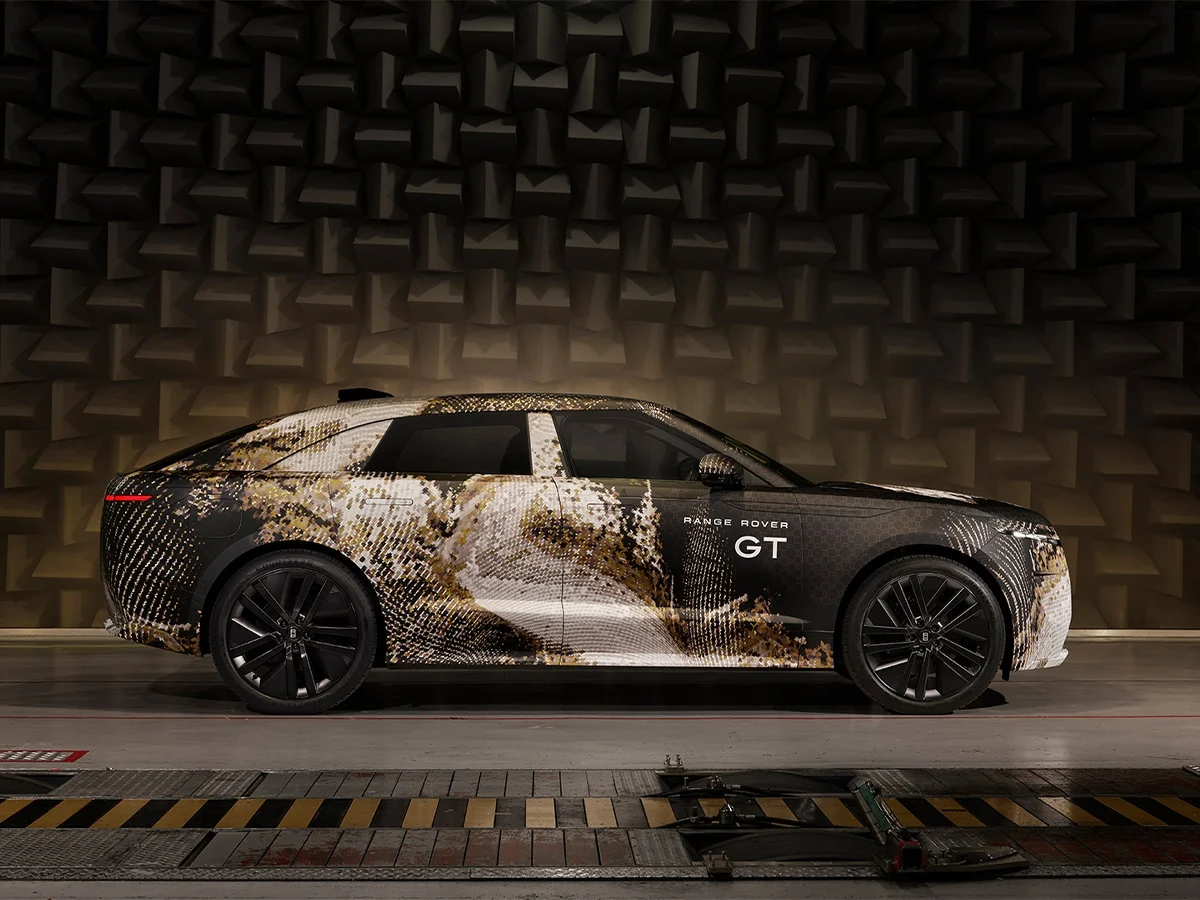
The global automotive landscape witnessed a significant pivot in the luxury segment this week as Range Rover unveiled the all-new Range Rover GT during a private preview event at the Goodwood Motor Circuit. Positioned as the fifth standalone model in the brand’s prestigious lineup, the GT marks a departure from the traditional high-riding SUV silhouette that has defined the marque for over half a century. Instead, this new model introduces a road-biased, grand touring philosophy designed to compete directly with elite European electric tourers. The Range Rover GT will sit alongside the existing Range Rover, Range Rover Sport, Range Rover Velar, and Range Rover Evoque, serving as a flagship for the brand’s transition into the electric era without replacing any of its combustion-engine siblings.
The introduction of the GT represents a strategic expansion for Jaguar Land Rover (JLR) as it seeks to capture a larger share of the burgeoning luxury electric vehicle (EV) market. Built on the company’s sophisticated Electric Modular Architecture (EMA), the GT is the first battery-electric vehicle (BEV) to utilize this platform, which has been engineered specifically to balance high-performance electric drive units with the off-road capability synonymous with the Range Rover name. While the vehicle is launching as a pure electric model, JLR has confirmed that the EMA platform is flexible enough to accommodate hybrid powertrains, which are expected to join the lineup later in the vehicle’s lifecycle to cater to diverse global infrastructure requirements.
Strategic Evolution and the EMA Platform
The development of the Range Rover GT is a cornerstone of JLR’s "Reimagine" strategy, a multi-billion dollar initiative aimed at transforming the company into an electric-first luxury manufacturer. The EMA platform is central to this transformation. Unlike previous platforms that were adapted from internal combustion engine (ICE) designs, the EMA is a "born-electric" architecture. This allows for the high-voltage battery modules to be packaged low within the floorpan, significantly lowering the vehicle’s center of gravity.
In a grand tourer, center of gravity is paramount for handling and high-speed stability. By placing the heaviest components at the lowest possible point, engineers have been able to sharpen the vehicle’s cornering dynamics while maintaining the long-travel suspension and ground clearance required for the brand’s legendary "go-anywhere" capability. The GT thus occupies a unique niche: it offers the swept-back proportions of a classic continental cruiser but retains the hardware necessary for all-terrain navigation.
Manufacturing for the Range Rover GT will be centered at the Halewood facility in the United Kingdom. This plant has undergone extensive retooling to support the EMA platform, utilizing shared production lines that allow for the simultaneous assembly of electric, hybrid, and traditional combustion vehicles. This operational flexibility is intended to protect the brand against fluctuations in EV demand while ensuring a steady ramp-up of the new GT model.
Design Philosophy: A Departure from the SUV Form Factor
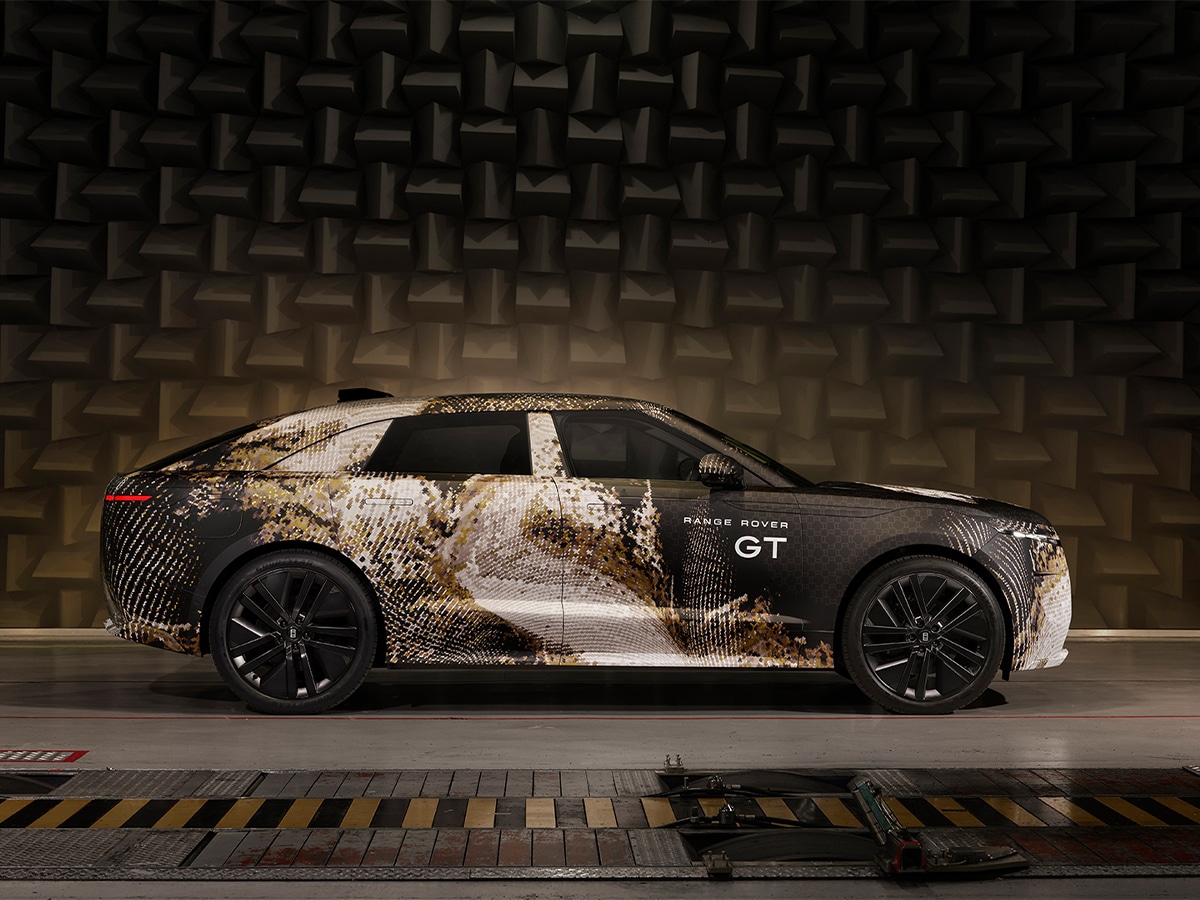
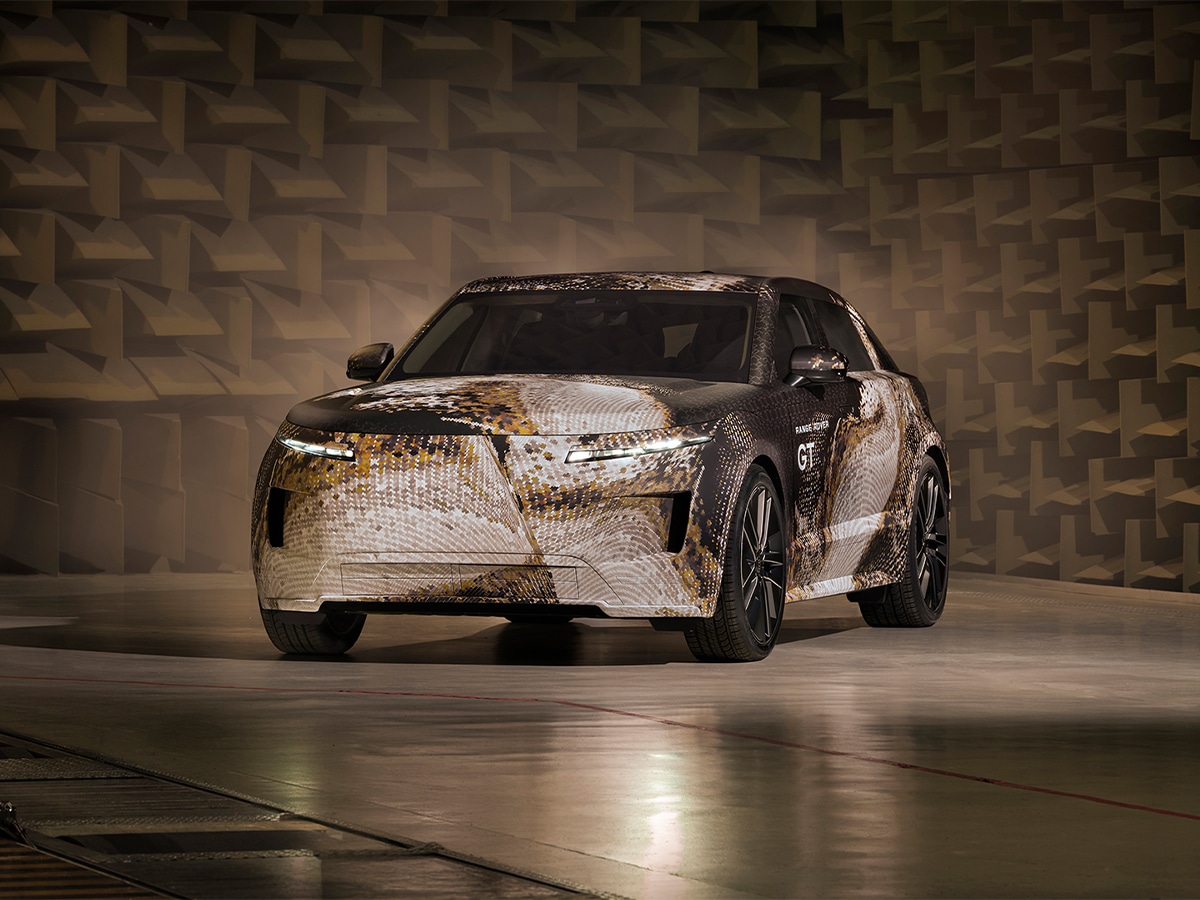
Visually, the Range Rover GT requires a recalibration of the brand’s traditional design language. During the preview at Goodwood, the prototype was showcased in a bespoke camouflage pattern featuring gold topographic contour lines—a nod to the Gaydon engineering headquarters where the vehicle was developed. Despite the disguise, the fundamental proportions of the GT are clear. It features an elongated bonnet, a steeply raked windscreen, and a roofline that tapers elegantly toward the rear, creating a classic coupe-like profile.
Unlike some contemporary competitors in the electric space, such as the Polestar 4, the Range Rover GT maintains a traditional rear window, ensuring rearward visibility remains a priority. The front fascia retains the signature Range Rover grille motif and slimline LED lighting, but the overall aerodynamic profile is much sleeker than that of the Range Rover Sport. This reduction in drag is essential for maximizing the range of the electric powertrain, especially during high-speed continental cruising.

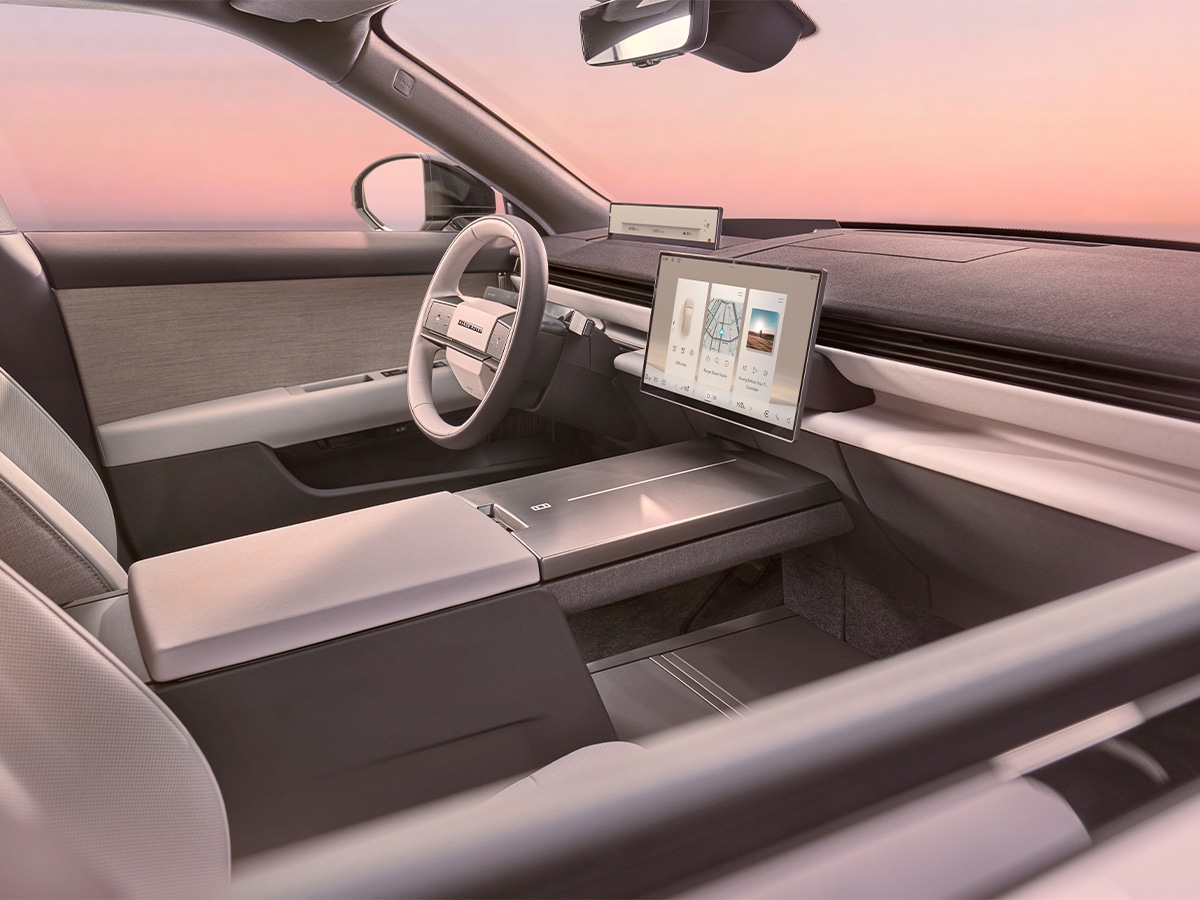
Inside the cabin, Range Rover has opted for a direction that is already generating discussion among industry analysts. The interior moves away from the multi-screen "hyperscreen" layouts seen in some luxury competitors, favoring a more minimalist, architectural approach. The dashboard is dominated by a large central touchscreen complemented by a dedicated driver’s display. This dual-screen setup is designed to isolate primary driving data from secondary infotainment functions, reducing driver distraction.
The materials used within the GT emphasize "modern luxury" through sustainability. Tactile woven textiles wrap across the front structure in a single, cohesive design. In a move toward functional minimalism, the sound system speakers are housed directly beneath these textile surfaces, eliminating the need for traditional physical speaker grilles. A concealed air vent spans the full width of the dashboard, providing climate control without disrupting the clean horizontal lines of the cockpit. Furthermore, the packaging advantages of the electric platform have allowed designers to push the wheels to the corners, resulting in significantly increased legroom for second-row passengers compared to traditional grand tourers.
Market Context and Competitive Landscape
The launch of the Range Rover GT comes at a time of steady growth for the brand in key markets. In Australia, Land Rover recorded 3,642 total sales through the first half of 2026. The flagship Range Rover accounted for 147 of those units, while the Range Rover Sport remained a high-volume performer with 814 units. The introduction of a GT model is expected to attract a different demographic—buyers who may have previously looked toward the Porsche Taycan, the Lucid Air, or the recently revealed 1,036HP Ferrari Luce.
By positioning the GT as a road-biased alternative to its SUVs, Range Rover is attempting to capture the "lifestyle" segment of the luxury market that prioritizes aesthetics and on-road refinement over pure utility. While specific performance figures such as 0-100 km/h times and total range remain under wraps until the full global reveal later this year, the GT is expected to offer performance parity with the elite electric tourers currently entering the market.
Pricing is another critical factor in the GT’s market strategy. Industry experts anticipate the GT will be positioned as a halo product within the lineup. In the Australian market, where standard Range Rover variants typically start at AUD$250,000 and can exceed AUD$450,000 with options, the GT is expected to occupy a premium price bracket. Estimates suggest a starting price in the vicinity of AUD$200,000, placing it in direct competition with the upcoming Jaguar Type 01, which is expected to start around AUD$195,000.
Official Perspectives and Industry Impact
Martin Limpert, the Managing Director of Range Rover, emphasized that the GT is not merely a styling exercise but a fundamental reinterpretation of what a Range Rover can be.
"The Range Rover GT will redefine the grand-touring segment with the ability to deliver beautiful and engaging GT poise, proportions, and long-distance refinement while offering capabilities no conventional GT can match," Limpert stated. "We have spent the last few years working obsessively on the fundamentals of the GT formula, reinterpreted in a sophisticated, uniquely Range Rover way. The result is the most car-like, yet unmistakably capable, Range Rover ever created."
Limpert’s comments highlight the brand’s dual focus: maintaining its heritage of capability while evolving its identity for an electrified future. The "car-like" description is particularly telling, suggesting a shift in driving dynamics that moves away from the commanding, upright seating position of an SUV toward a more immersive, low-slung driving experience.
Industry analysts suggest that the GT is a necessary risk for JLR. As global emissions regulations tighten and urban centers implement more stringent "low emission zone" requirements, having a high-performance, long-range electric grand tourer allows Range Rover to remain relevant in metropolitan markets where a full-sized SUV might be seen as excessive.
Timeline and Future Outlook
The Range Rover GT is currently undergoing final global validation testing. This phase is critical for ensuring that the new EMA platform can withstand the extreme temperatures and varied terrains that Range Rover customers expect their vehicles to master. While the preview at Goodwood provided a glimpse into the vehicle’s design and interior philosophy, the full technical specifications—including battery capacity, charging speeds, and kilowatt output—are slated for disclosure later in the current calendar year.
For the Australian market, the GT will likely be backed by JLR Australia’s standard five-year, unlimited-kilometre warranty. Order books and regional allocations are expected to open shortly after the global debut.
The arrival of the Range Rover GT marks a turning point for the 54-year-old brand. By stepping into the grand touring arena, Range Rover is no longer just a maker of world-class SUVs; it is evolving into a comprehensive luxury mobility brand. The success of the GT will serve as a litmus test for the EMA platform and will likely dictate the design and engineering direction of future electric models in the JLR portfolio. As the automotive world moves toward a post-combustion era, the Range Rover GT stands as a bold statement of intent, proving that even the most traditional of marques can adapt to a changing climate without losing its soul.



 Yuyun Lusiyani
 Joko Widodo
 Eva Lovia
 Pevita Pearce
 admin
admin