
 Joko Widodo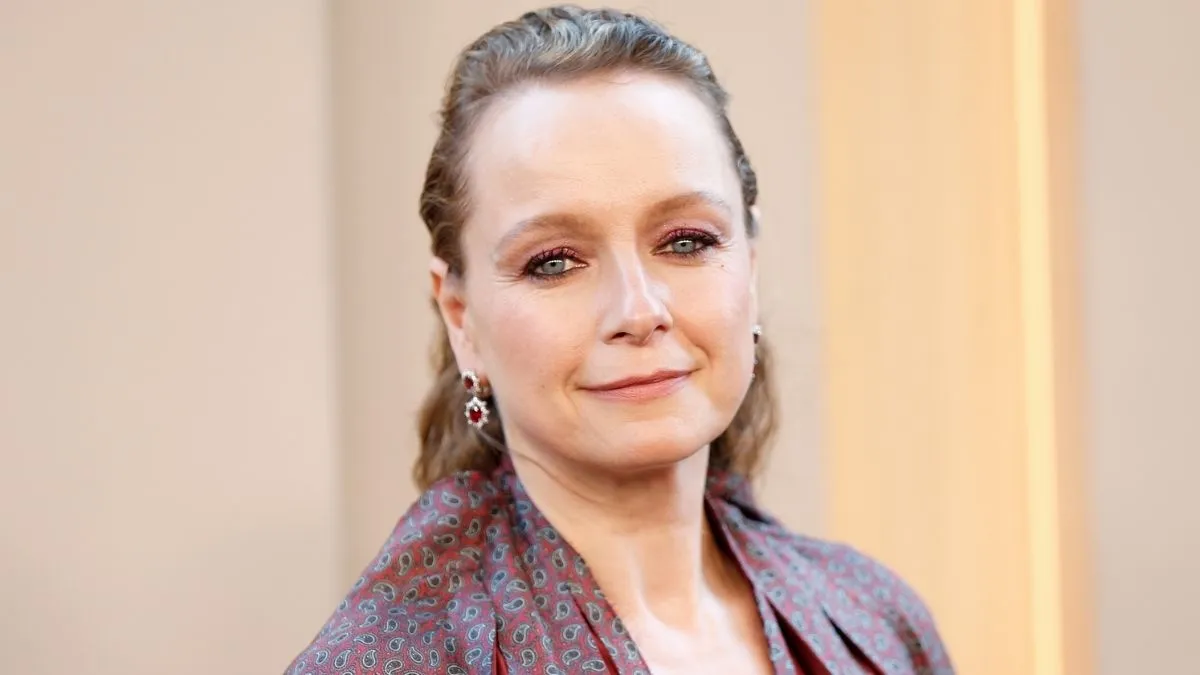
Acclaimed 45-year-old actress Samantha Morton, who is set to embody the complex character of Circe in Christopher Nolan’s highly anticipated film adaptation of The Odyssey, has recently offered a profound and deeply personal glimpse into the enduring impact of childhood trauma and recent bereavements on her life and craft. In a candid interview, Morton revealed how her own lived experiences of profound hardship, including childhood abuse and the loss of loved ones, have unexpectedly prepared her to inhabit the role of the mythical sorceress and goddess, a character often depicted as both powerful and isolated.
The interview, conducted with The Times, delved into Morton’s upbringing, which was marked by significant challenges. She spoke of a childhood fraught with instability, including parental absence due to her father’s incarceration and her mother’s struggles with mental illness. These circumstances led to Morton spending a substantial portion of her formative years in various forms of care, including foster homes, children’s homes, and even homeless hostels. It was within one of these hostels, at the tender age of 11, that she endured sexual abuse by two caregivers, an experience that has left an indelible mark.
Morton’s reflections come at a time of immense personal grief. She disclosed that her elder sister, aged 53, passed away on April 22 of the current year. This devastating loss occurred approximately 18 months after the death of her father. The cumulative weight of these bereavements, coupled with the long shadow of her earlier traumas, has led Morton to articulate a powerful sentiment: “Trauma is a constant battle.” This ongoing struggle, she explained, has forged a unique resilience within her.
"I have made choices that have always been about survival, because I watched my mum trying to survive and I watched my dad trying to survive," Morton stated, drawing a direct parallel between her family’s struggles and her own instinct for self-preservation. This philosophy of survival, honed through decades of adversity, appears to be a key element in her approach to understanding and portraying characters who navigate extraordinary circumstances.
The profound emotional toll of Morton’s experiences is further underscored by a previously disclosed incident from her adolescence. In a 2009 interview with The Guardian, she revealed an arrest at the age of 14. The incident involved a threat made against a girl who had allegedly subjected Morton to prolonged bullying. Authorities initially pressed charges of attempted murder, a testament to the severity of the situation, though the court ultimately convicted her of making threats to kill. This early brush with the legal system, stemming from a desperate act of self-defense against relentless torment, adds another layer to the narrative of a life shaped by profound challenges.
During the promotional activities for The Odyssey, Morton shared a poignant observation with The Times regarding her daily existence. "The past is always with me, and I’m not saying I’m not going to be all right next week, but every day I wake, I say a prayer and say, ‘Please help me’," she admitted. This raw honesty illuminates the persistent nature of her struggles, while also highlighting her commitment to finding strength and peace.
The Unyielding Echo of Childhood Trauma
Samantha Morton’s journey through the child welfare system is a stark reminder of the societal failures that can impact vulnerable children. The UK’s historical approach to child protection, while evolving, has often seen children placed in environments that, despite intentions, could expose them to further harm. Data from the Department for Education in England, for instance, consistently shows a significant number of children entering care due to abuse and neglect, with a proportion experiencing multiple placements. Morton’s narrative of moving between foster care, children’s homes, and hostels reflects a reality faced by many children in care, where instability can become the norm, exacerbating the impact of initial trauma.
The revelation of sexual abuse by caregivers is particularly disturbing and speaks to systemic vulnerabilities within institutional care. Organizations like the NSPCC have long campaigned for improved safeguarding measures within children’s homes and foster care settings, emphasizing the critical need for rigorous vetting of staff and robust reporting mechanisms. Morton’s courage in speaking about her experience, decades later, is a powerful act of advocacy for other survivors, bringing much-needed attention to the lasting consequences of such violations.
Navigating Grief: The Recent Double Loss
The recent deaths of Morton’s sister and father represent a significant turning point in her ongoing battle with trauma. The death of a sibling, particularly an elder sister, can unearth a unique and profound form of grief, often described as losing a part of one’s personal history and a constant in one’s life. This grief is compounded by the loss of a parent, particularly when that parent’s life was marked by struggles, as Morton’s father’s was.
The proximity of these two losses, occurring within a relatively short timeframe, would undoubtedly intensify the emotional burden. Grief is not a linear process, and the re-emergence of past traumas can be triggered by new bereavements. For individuals who have experienced childhood adversity, the loss of family members can reawaken feelings of abandonment and insecurity, making the coping process even more arduous. Morton’s acknowledgment that “trauma is a constant battle” resonates deeply in the context of these recent events.
Circe: A Mythical Figure Forged in Real-World Pain
The casting of Samantha Morton as Circe in Christopher Nolan’s The Odyssey takes on a new dimension in light of her personal revelations. Circe, in Homer’s epic poem, is a powerful sorceress living in isolation on her island of Aeaea. She is known for her enchantments, her ability to transform men into animals, and her complex relationship with Odysseus. While often portrayed as a seductive temptress or a formidable antagonist, there are also interpretations that delve into her loneliness, her agency, and her own history of being ostracized.
Morton’s lived experience of hardship, survival, and profound loss offers a fertile ground for exploring these deeper facets of Circe. Her understanding of deep-seated pain, the instinct for self-preservation, and the enduring nature of trauma can lend an unparalleled authenticity to the character. It is plausible that Morton views her personal journey as a form of preparation, not just for acting, but for understanding the archetypal struggles of characters like Circe, who navigate immense power alongside deep emotional wounds. The ability to connect with characters on a visceral, emotional level is often a hallmark of great acting, and Morton’s candidness suggests she possesses this capacity in abundance.
Broader Implications: The Power of Vulnerability in Public Life
Samantha Morton’s willingness to share such deeply personal and painful aspects of her life in the public sphere is a significant act. In an industry often characterized by curated personas, her raw honesty is both courageous and vital. It serves to:
- Destigmatize Trauma and Mental Health: By speaking openly about her ongoing struggles with trauma and grief, Morton contributes to the vital work of de-stigmatizing mental health challenges and the long-term impact of abuse. Her words offer solace and validation to countless individuals who are silently battling similar issues.
- Highlight the Importance of Support Systems: Her narrative implicitly underscores the critical need for robust support systems for children in care and for individuals experiencing profound grief. The resilience she demonstrates is remarkable, but it also highlights the immense personal strength required to navigate such adversies, often without adequate external support.
- Enrich Artistic Interpretation: For audiences, Morton’s personal revelations can profoundly enhance their understanding and appreciation of her performance as Circe. Knowing the depth of her personal journey can add layers of empathy and complexity to her portrayal of the mythical sorceress, transforming a potentially one-dimensional character into a figure of profound human experience.
- Inspire Advocacy: Her courage may inspire others to share their stories, leading to greater public awareness and a stronger impetus for policy changes aimed at improving child welfare and mental health services.
While the specific details of Christopher Nolan’s directorial approach to The Odyssey remain largely under wraps, the casting of an actress with such profound personal depth suggests a potential for a nuanced and emotionally resonant adaptation. Morton’s preparation for the role, it appears, has been an ongoing, lifelong process. Her ability to transmute her pain into power and her vulnerability into art is a testament to her extraordinary resilience and her profound connection to the human condition. As the film production progresses, audiences will undoubtedly anticipate how her deeply personal journey will inform her portrayal of one of mythology’s most enigmatic figures. The ongoing battle she speaks of, while intensely personal, now resonates on a broader stage, offering a powerful reminder of the enduring strength of the human spirit in the face of unimaginable adversity.




 Yuyun Lusiyani
 Eva Lovia
 Pevita Pearce
 admin
admin
 Lina Irawan