
 Lina Irawan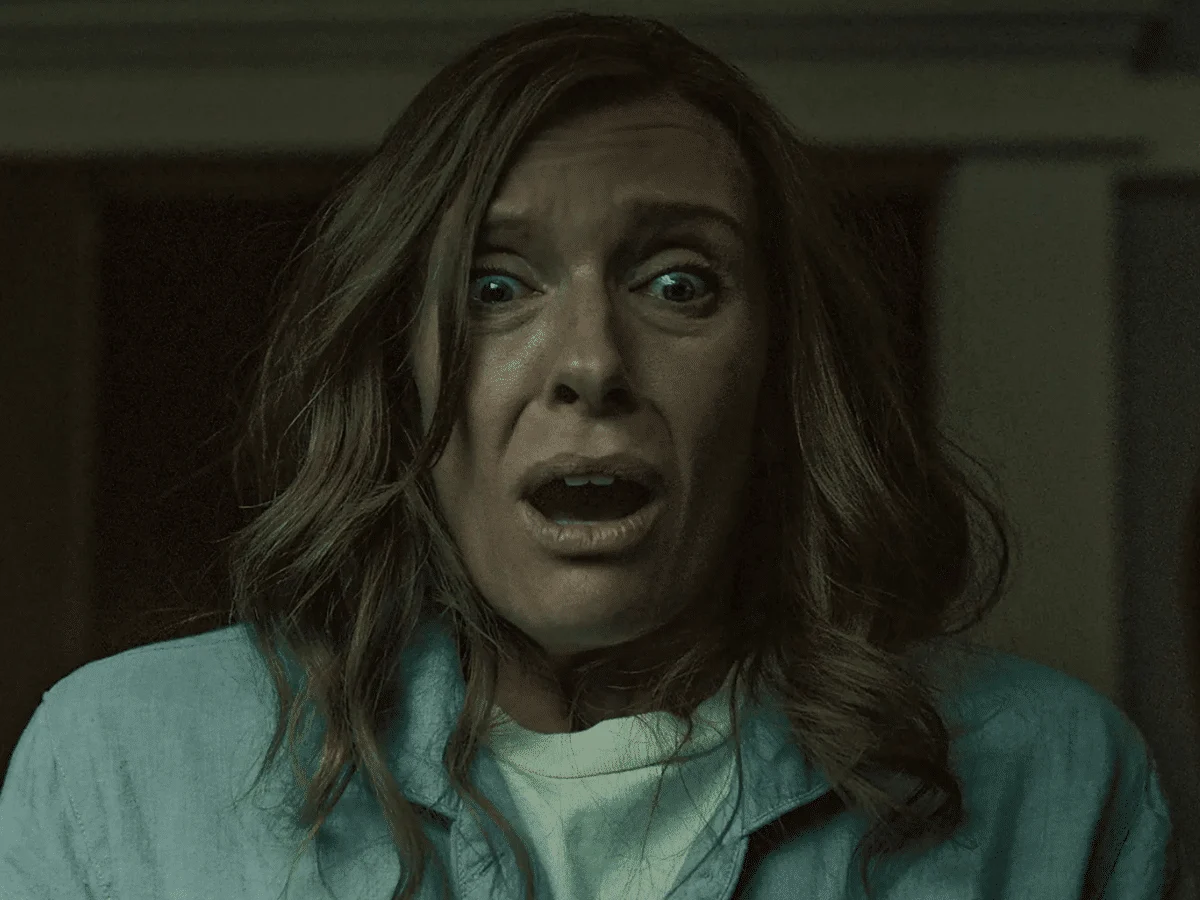
The annual "Science of Scare" project has released its findings for 2024, providing an objective, data-driven answer to the age-old debate regarding which cinematic works truly elicit the greatest fear in audiences. Now in its sixth year, the study, conducted by the comparison platform MoneySuperMarket, moves beyond subjective critical reviews and audience polls, instead utilizing biometric sensors to measure the physiological responses of viewers. By tracking heart rate (BPM) and heart rate variance (HRV), the study identifies which films trigger the most intense "fight or flight" responses, effectively crowning the scariest movie of all time based on biological evidence rather than anecdotal opinion.

The Methodology of Physiological Fear
To ensure a comprehensive and scientifically rigorous ranking, the Science of Scare project employs a panel of 250 participants. These individuals are subjected to over 120 hours of horror cinema in a controlled environment equipped with 5.1 surround sound to mimic a standard theater experience. The participants are fitted with heart rate monitors that track two primary metrics:
- Average Heart Rate (BPM): This measures the overall "stress" or "tension" a movie creates. A higher average BPM suggests a "slow burn" or psychological thriller that keeps the audience in a state of sustained dread.
- Heart Rate Variance (HRV): This measures the time between each heartbeat. A lower HRV indicates higher stress and anxiety levels, capturing the "dread" factor that lingers between scares.
- BPM Spikes: This tracks the highest heart rate recorded during the viewing, usually corresponding to jump scares or moments of extreme visual terror.
These metrics are combined into a proprietary "Scare Score," a weighted index out of 100. This year’s study analyzed a curated list of 50 films, ranging from cult classics and 1970s "slasher" pioneers to modern experimental releases and 2024 newcomers.
The Reigning Champion: Sinister (2012)
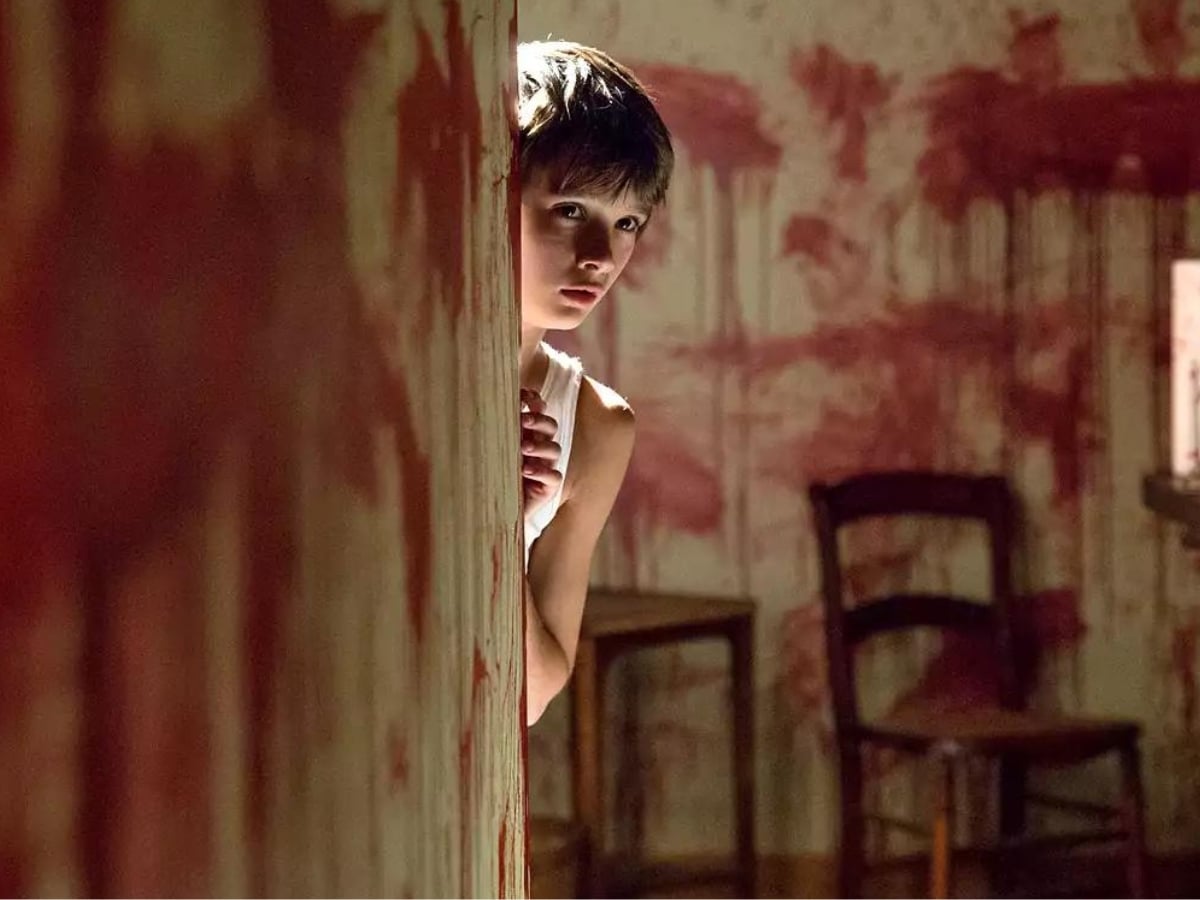
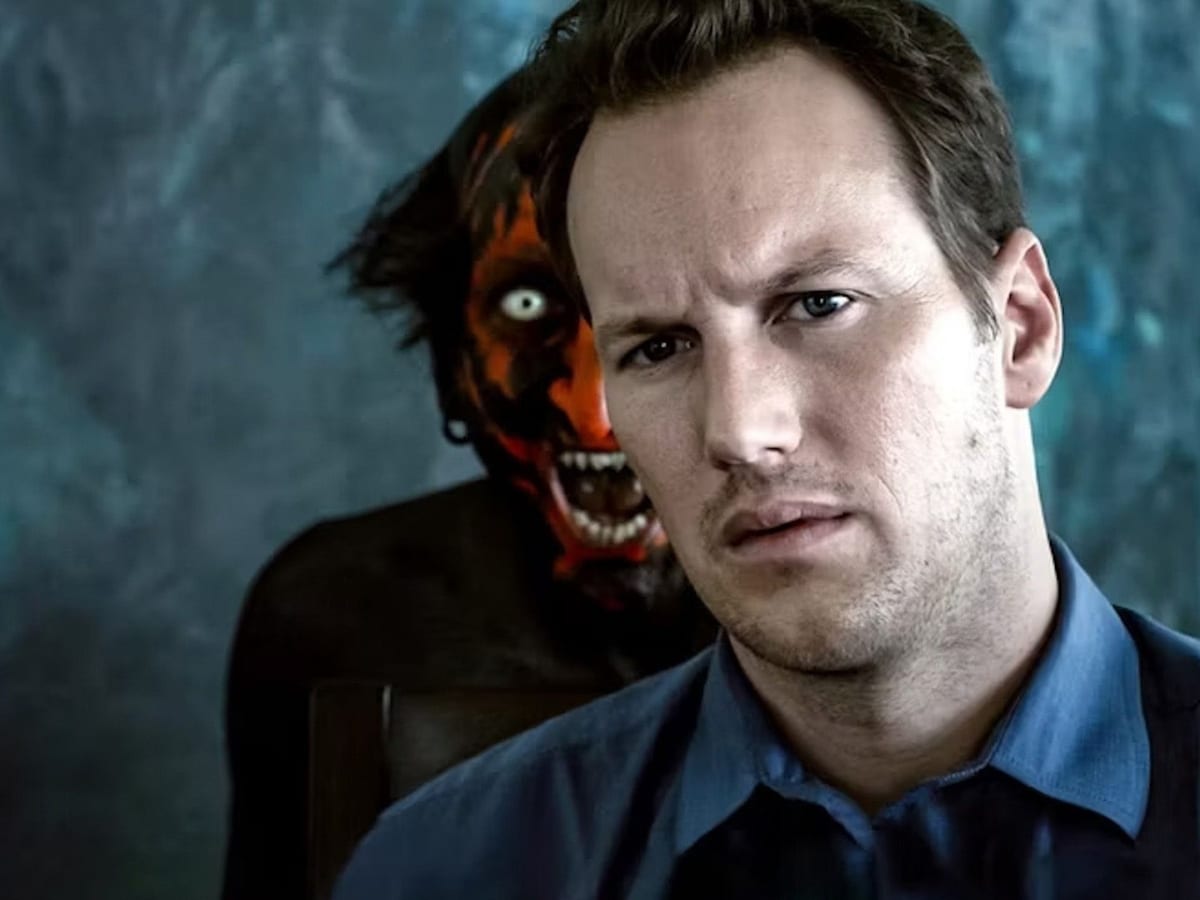
For another consecutive year, Scott Derrickson’s Sinister has claimed the top spot as the scariest movie ever made. Starring Ethan Hawke as Ellison Oswald, a true-crime writer who discovers a box of disturbing snuff films in his new attic, the film achieved a Scare Score of 96 out of 100.
The data reveals that Sinister caused a 34 percent increase in the average resting heart rate of viewers, moving from a baseline of 64 BPM to an average of 86 BPM. However, the most telling statistic was the peak heart rate recorded during the film’s most infamous scenes, which reached 131 BPM. The film’s effectiveness is attributed to its masterful blend of "found footage" aesthetics within a traditional narrative structure, creating a sense of voyeuristic dread that biometrically outperformed every other film in the study.
The Rise of Post-Pandemic and Experimental Horror
The 2024 rankings highlight a significant shift in audience susceptibility, with newer, smaller-budget films often outperforming big-studio blockbusters.
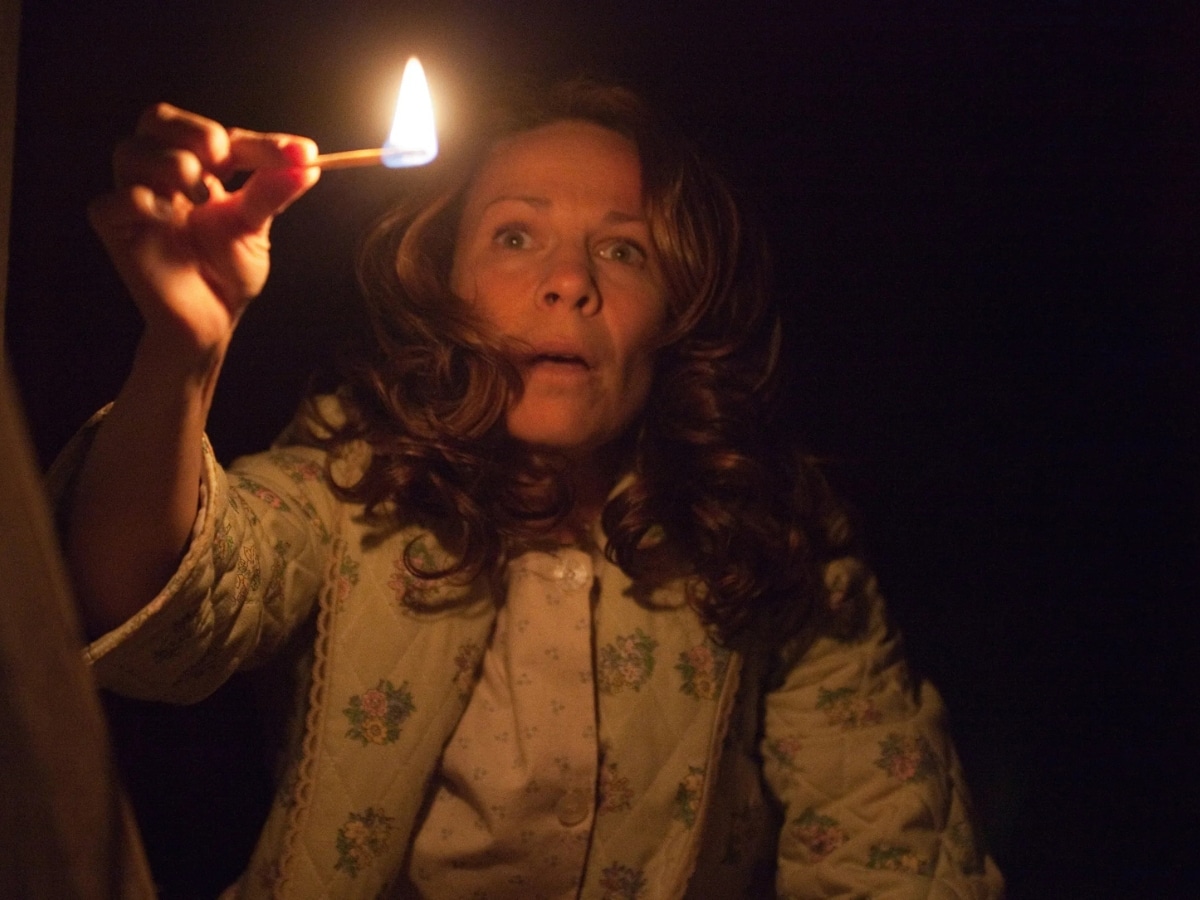
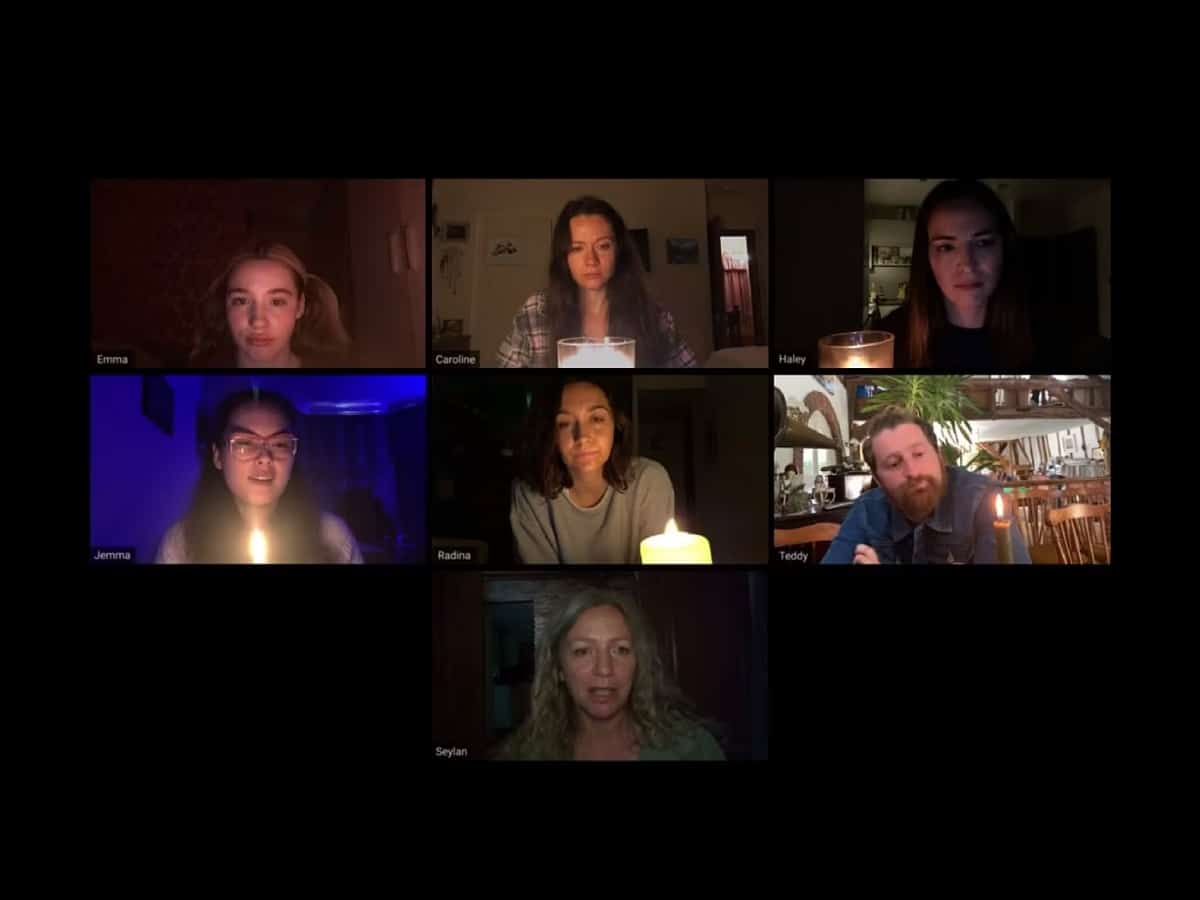
Ranking second is Host (2020), directed by Rob Savage. Filmed entirely via Zoom during the COVID-19 lockdowns, the movie follows six friends who accidentally summon a demonic presence during an online séance. Despite its short 56-minute runtime, it achieved a Scare Score of 95. The study noted that Host actually produced a higher average heart rate (88 BPM) than Sinister, though it lacked the extreme spikes and sustained HRV impact required to take the number one position.
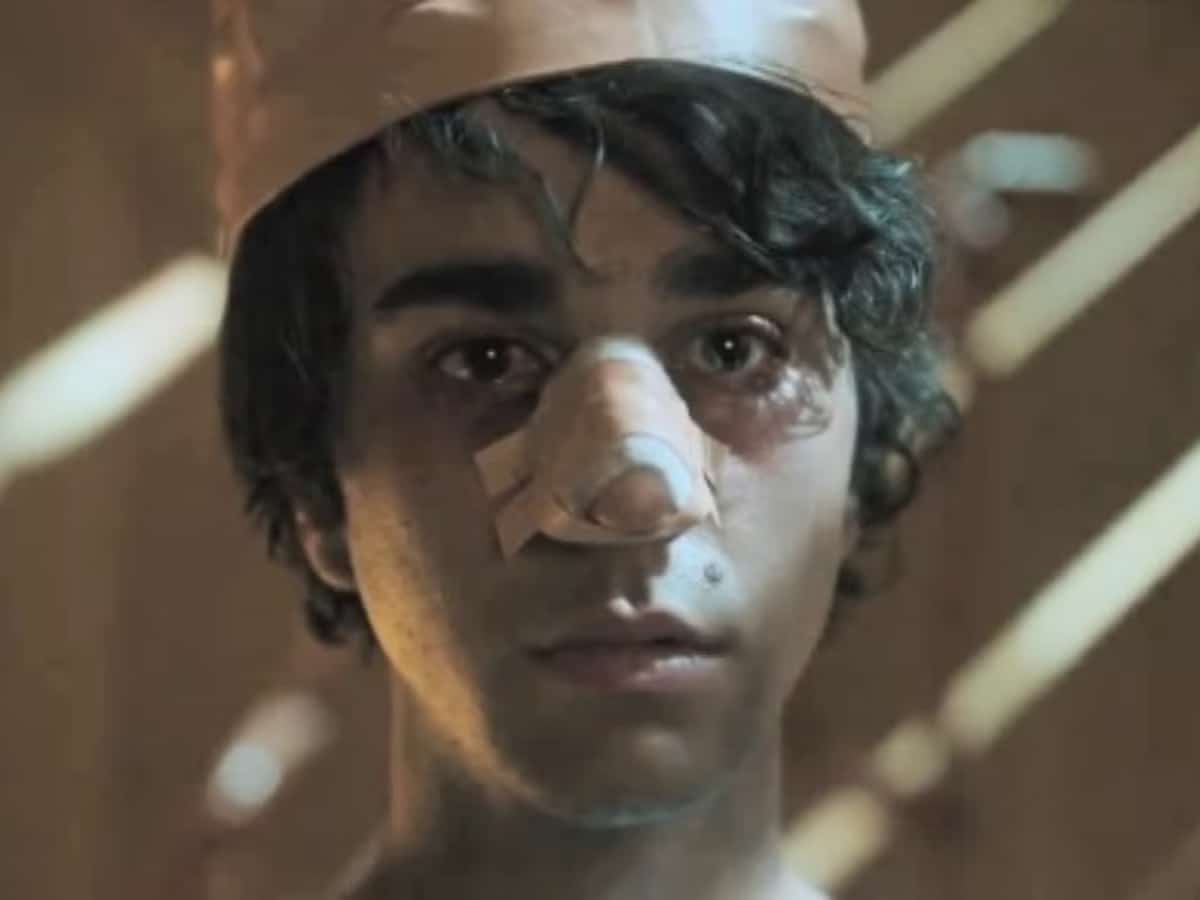
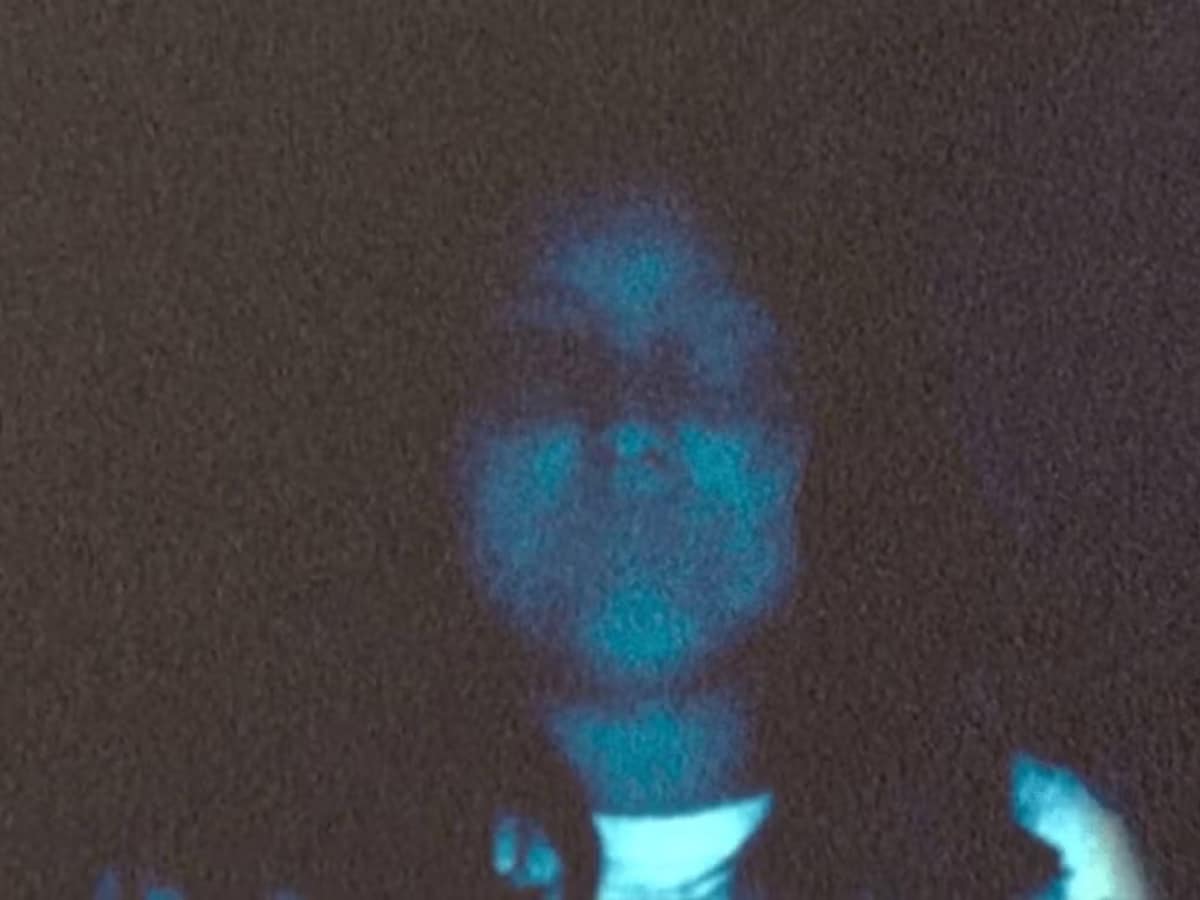
In third place is the 2022 experimental film Skinamarink. Directed by Kyle Edward Ball on a micro-budget of $15,000, the film polarized critics but proved to be a physiological powerhouse. It achieved a Scare Score of 91. The study found that Skinamarink excelled in lowering Heart Rate Variance, meaning it kept audiences in a state of near-constant low-level anxiety for its duration, a feat few "jump-scare" heavy films can achieve.
The 2024 Newcomers and Notable Entries
The latest iteration of the study also integrated several 2024 releases to see how they measured against established classics.
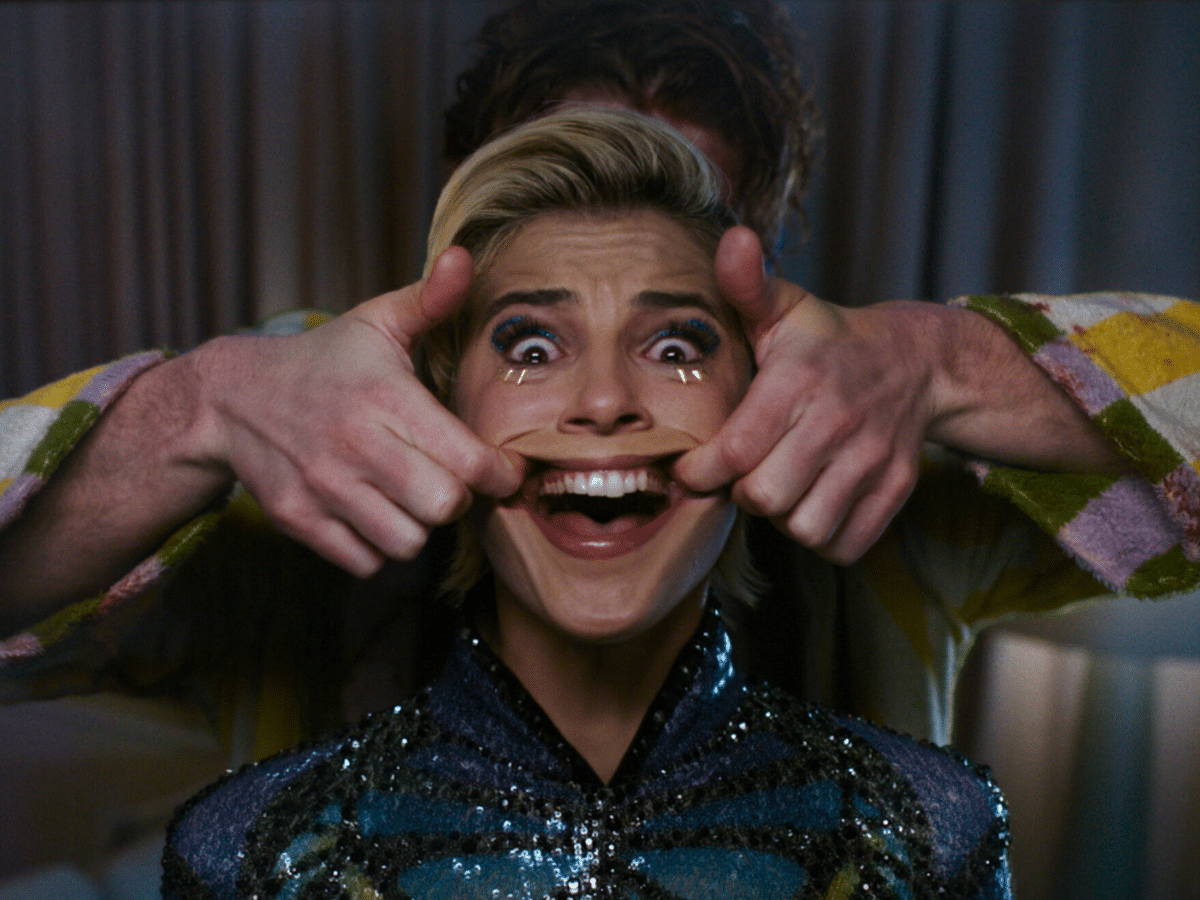
- Oddity (2024): This Irish supernatural horror film, directed by Damian McCarthy, made a significant impact, landing in the top rankings for the year. It follows a blind medium uncovering the truth behind her sister’s death and was noted for its high-tension sequences.
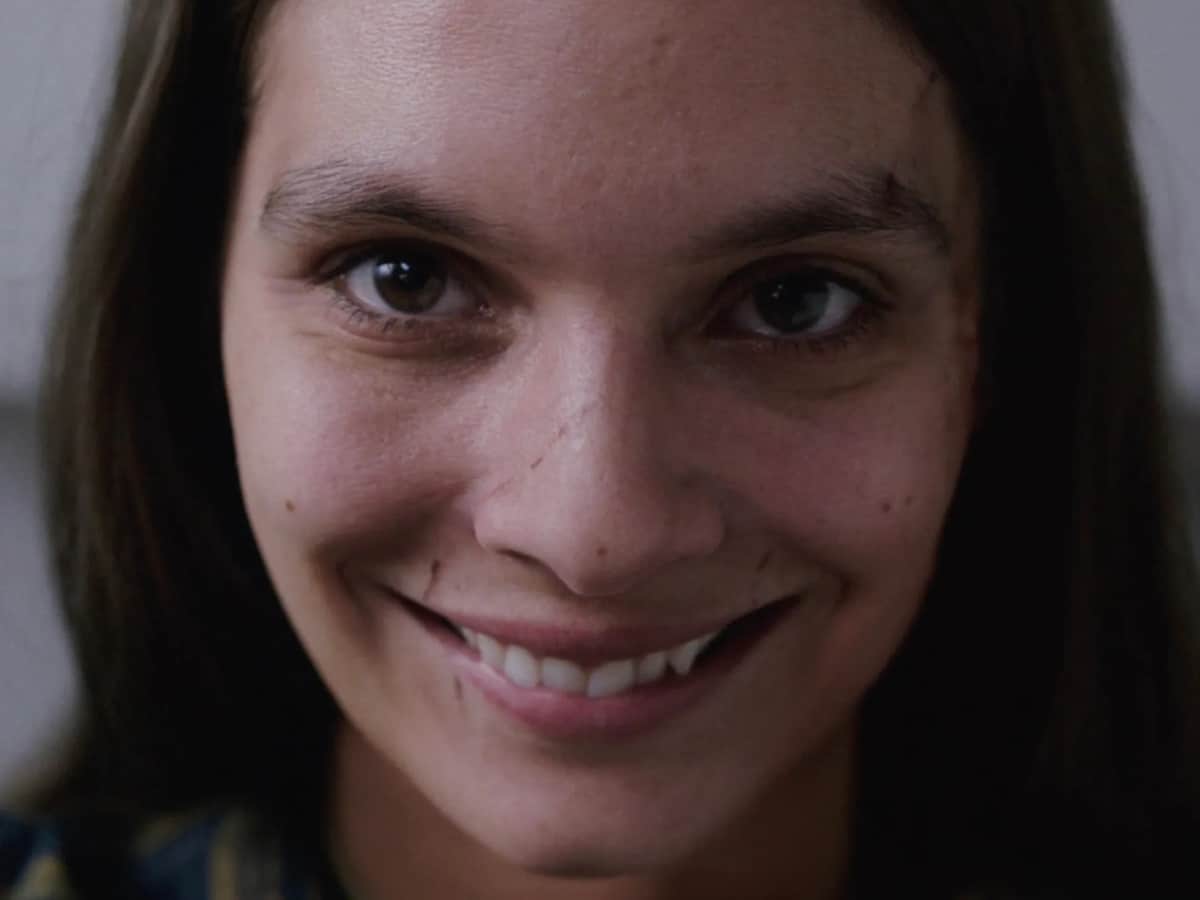
- Smile 2 (2024): Parker Finn’s sequel to the 2022 hit Smile entered the top ten with a Scare Score of 79. The study showed that while the sequel maintained the high BPM spikes of the original, it also increased the average heart rate, suggesting a more relentless pacing than its predecessor.
- Terrifier 3 (2024): Known for its extreme gore, Damien Leone’s latest installment also appeared in the expanded list. While "slasher" films often rely on disgust rather than fear, the biometric data showed significant BPM spikes during the film’s more suspenseful "stalking" sequences.
Top 20 Scariest Movies According to the 2024 Science of Scare Study
Based on the combined Scare Score, the following films represent the pinnacle of cinematic terror:
- Sinister (96/100)
- Host (95/100)
- Skinamarink (91/100)
- Insidious (90/100)
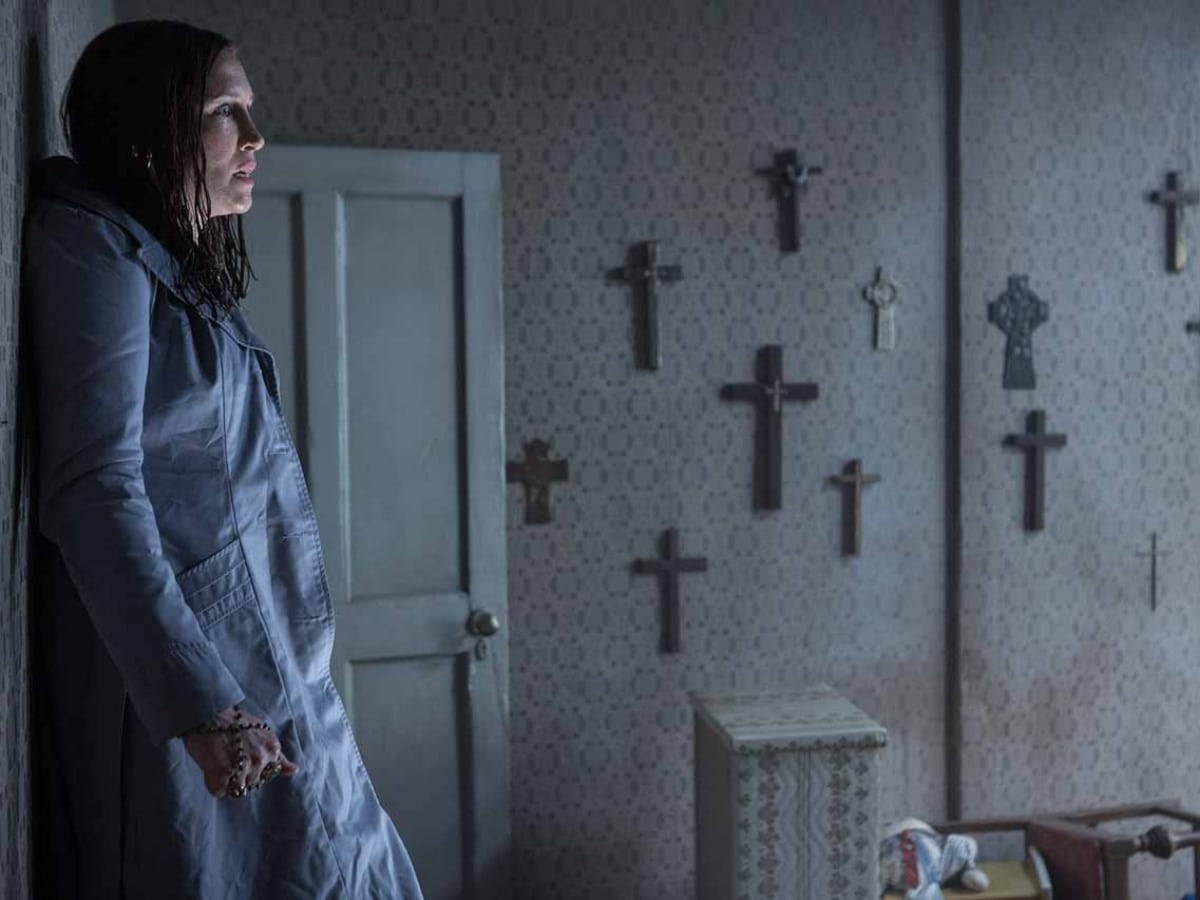
- The Conjuring (88/100)
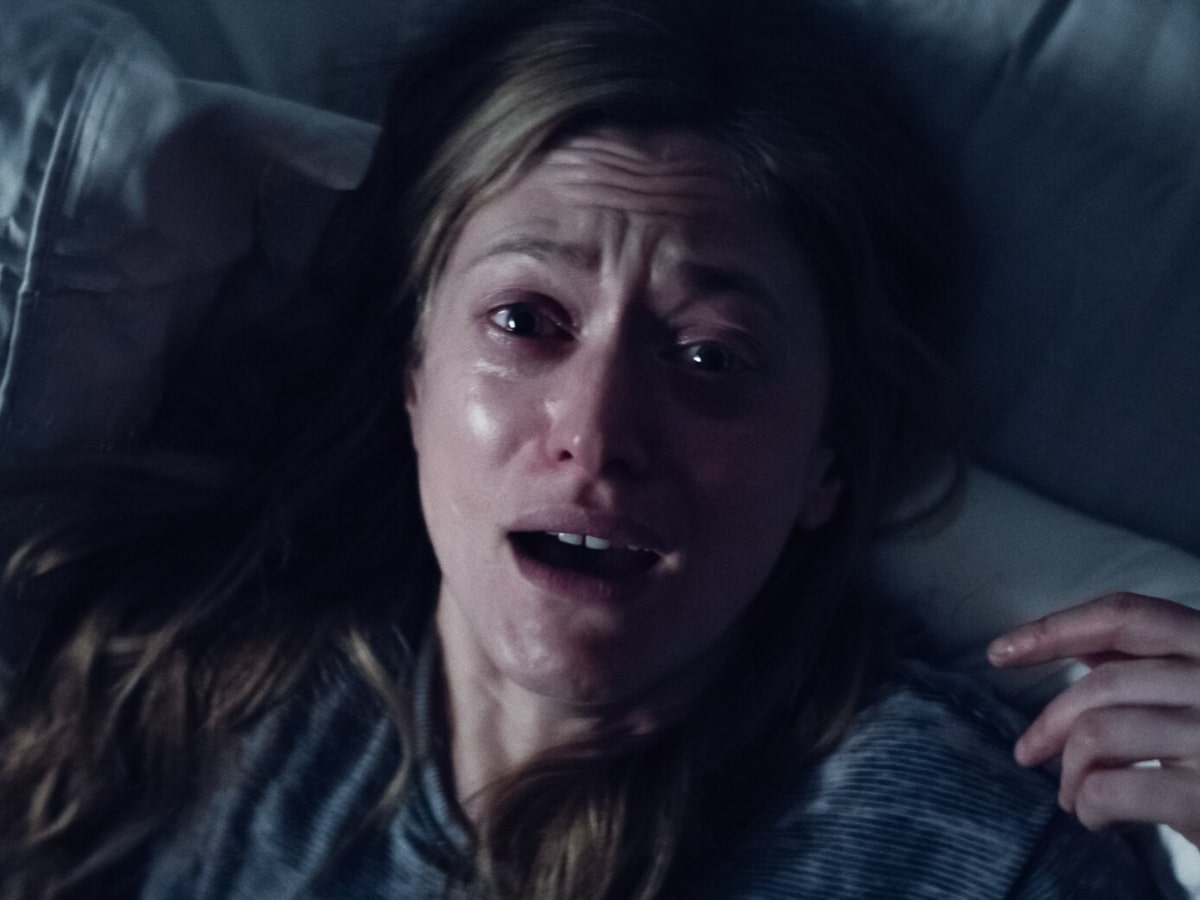
- Hereditary (81/100)
- Smile 2 (79/100)
- Smile (78/100)
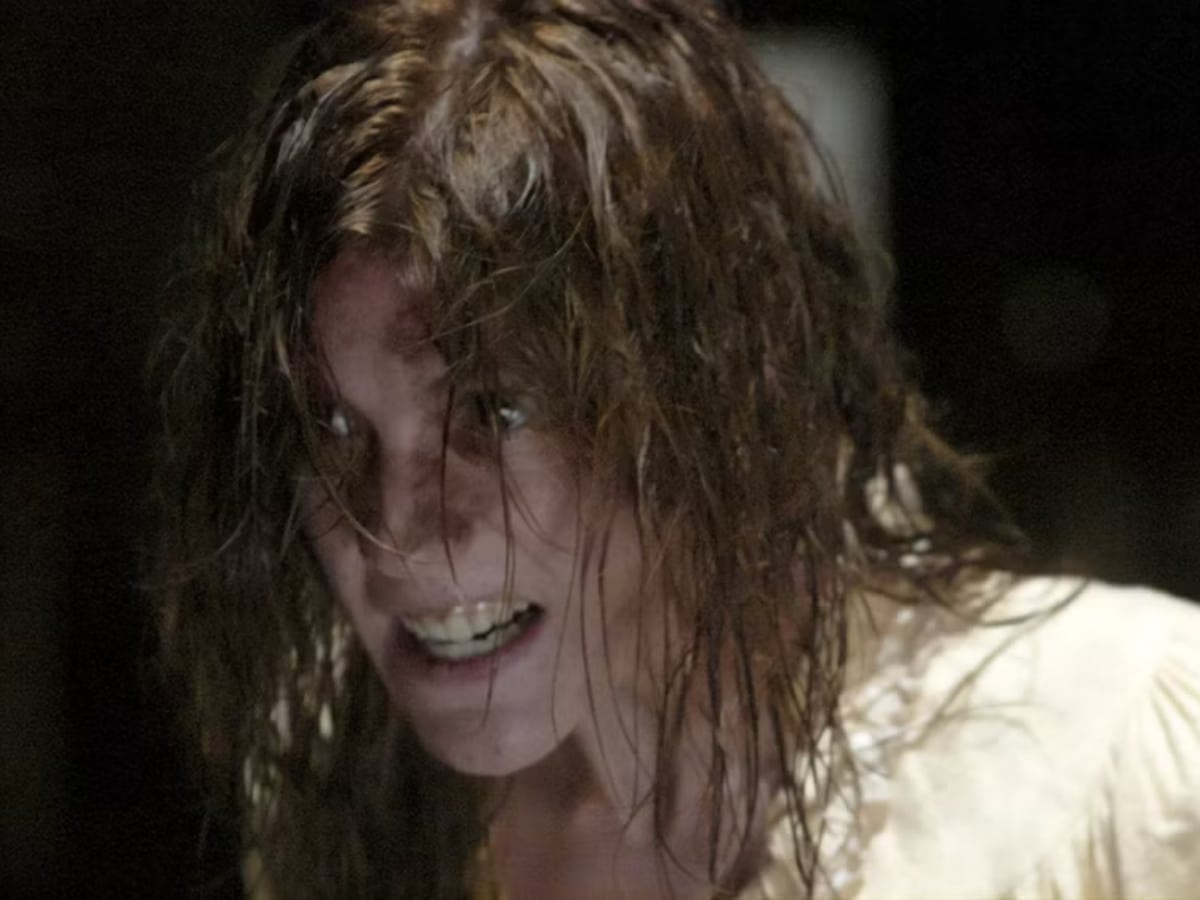
- The Exorcism of Emily Rose (76/100)
- Talk To Me (75/100)
- Hell House LLC (75/100)
- The Conjuring 2 (74/100)
- It Follows (74/100)
- The Dark and the Wicked (74/100)
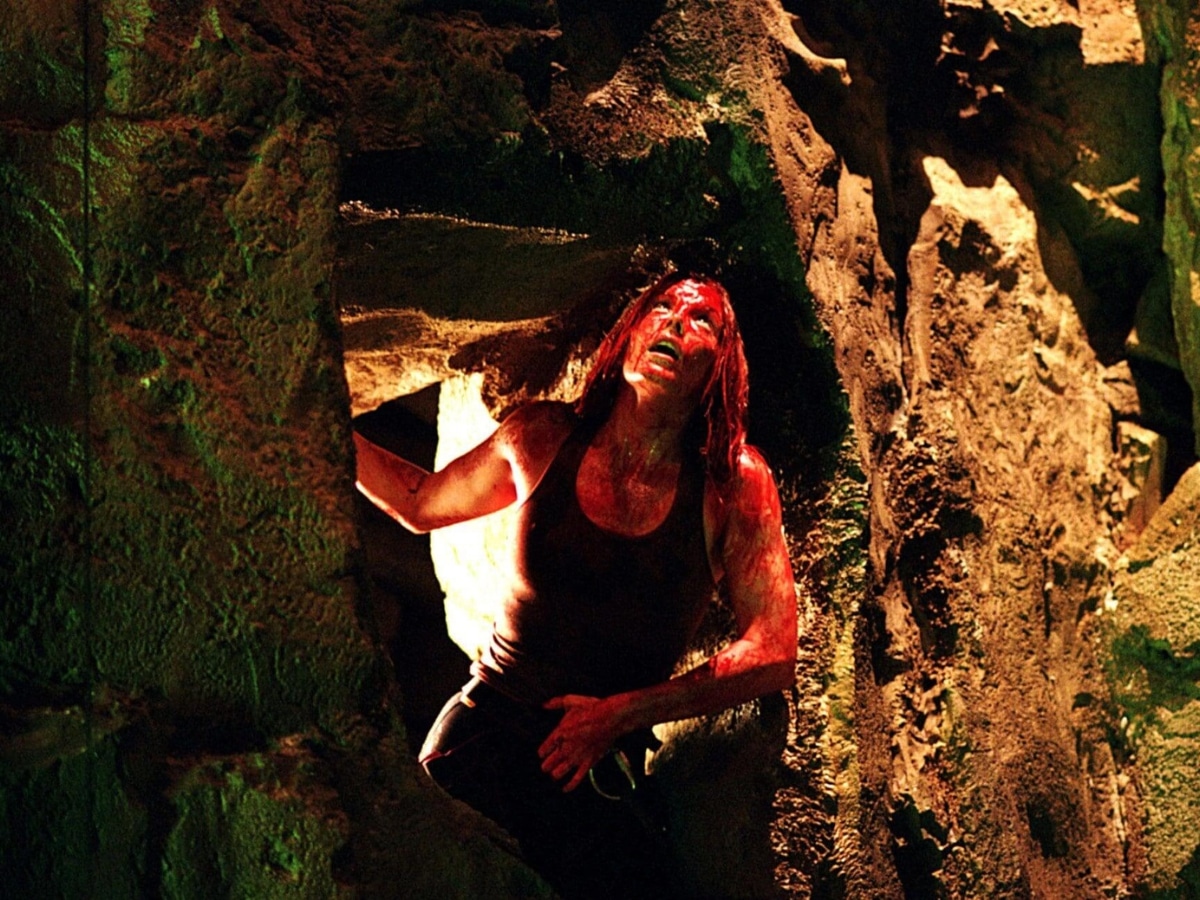
- The Descent (74/100)
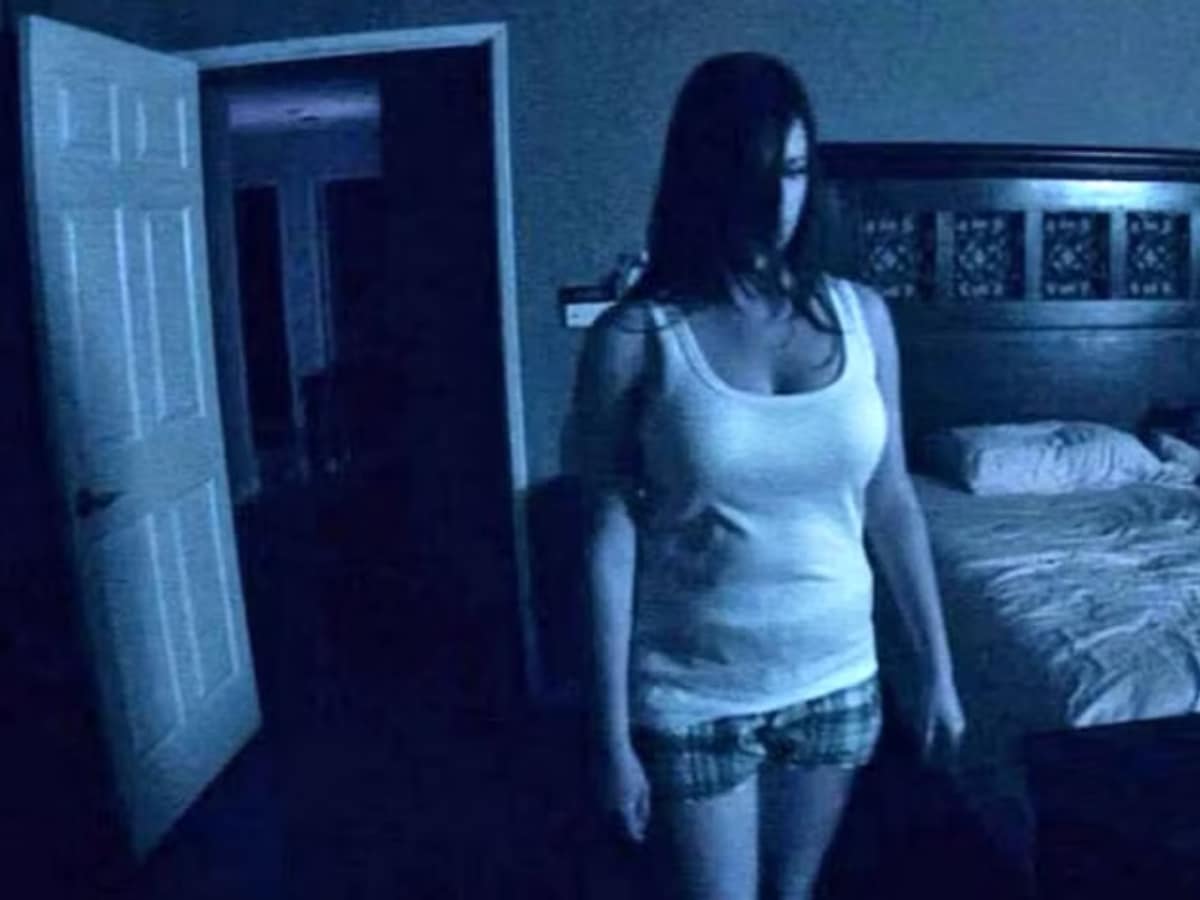
- Paranormal Activity (73/100)
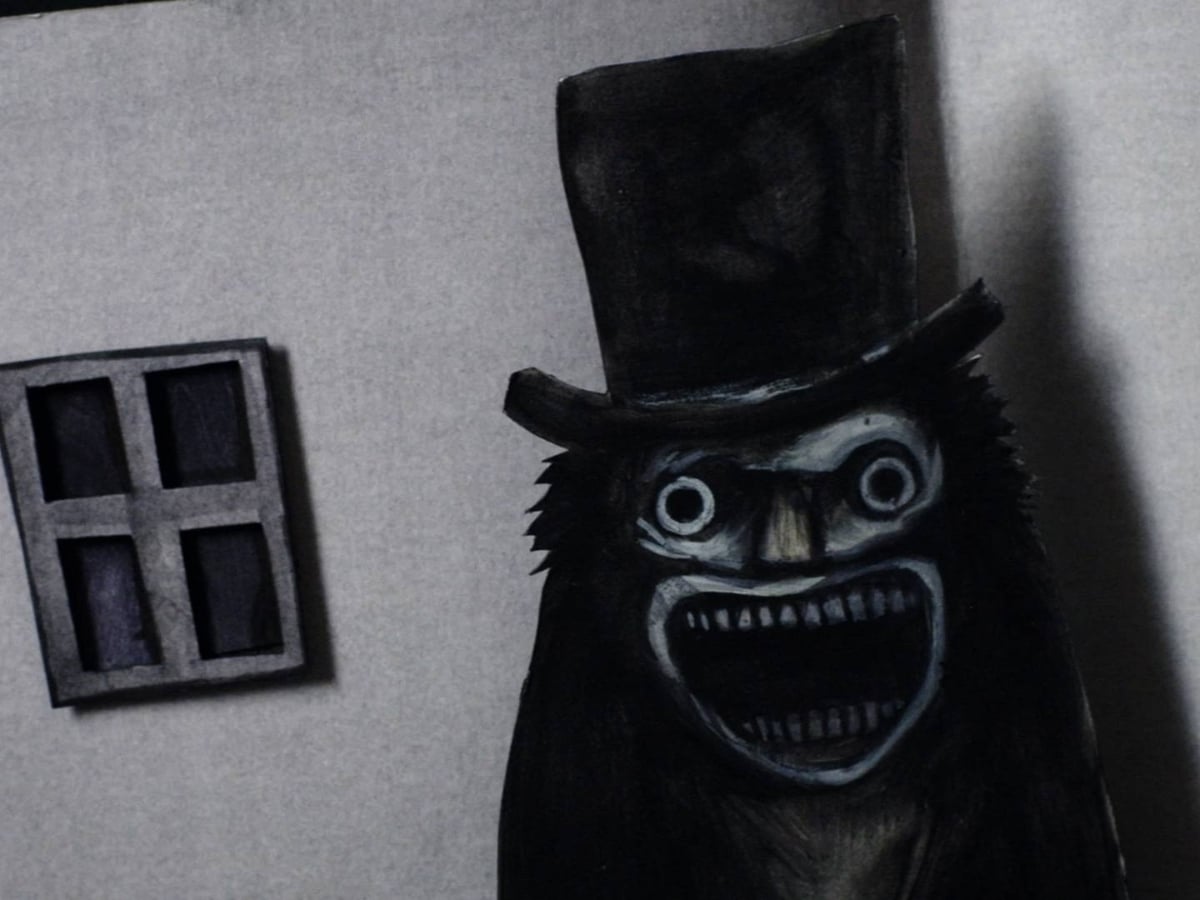
- The Babadook (72/100)
- A Quiet Place Part II (71/100)
- The Autopsy of Jane Doe (70/100)
- Insidious: Chapter 2 (70/100)
Analysis: Why Modern Horror Dominates
A striking takeaway from the Science of Scare study is the dominance of 21st-century films. While classics like The Exorcist (1973), The Texas Chain Saw Massacre (1974), and A Nightmare on Elm Street (1984) are culturally significant, they often rank lower in biometric testing.
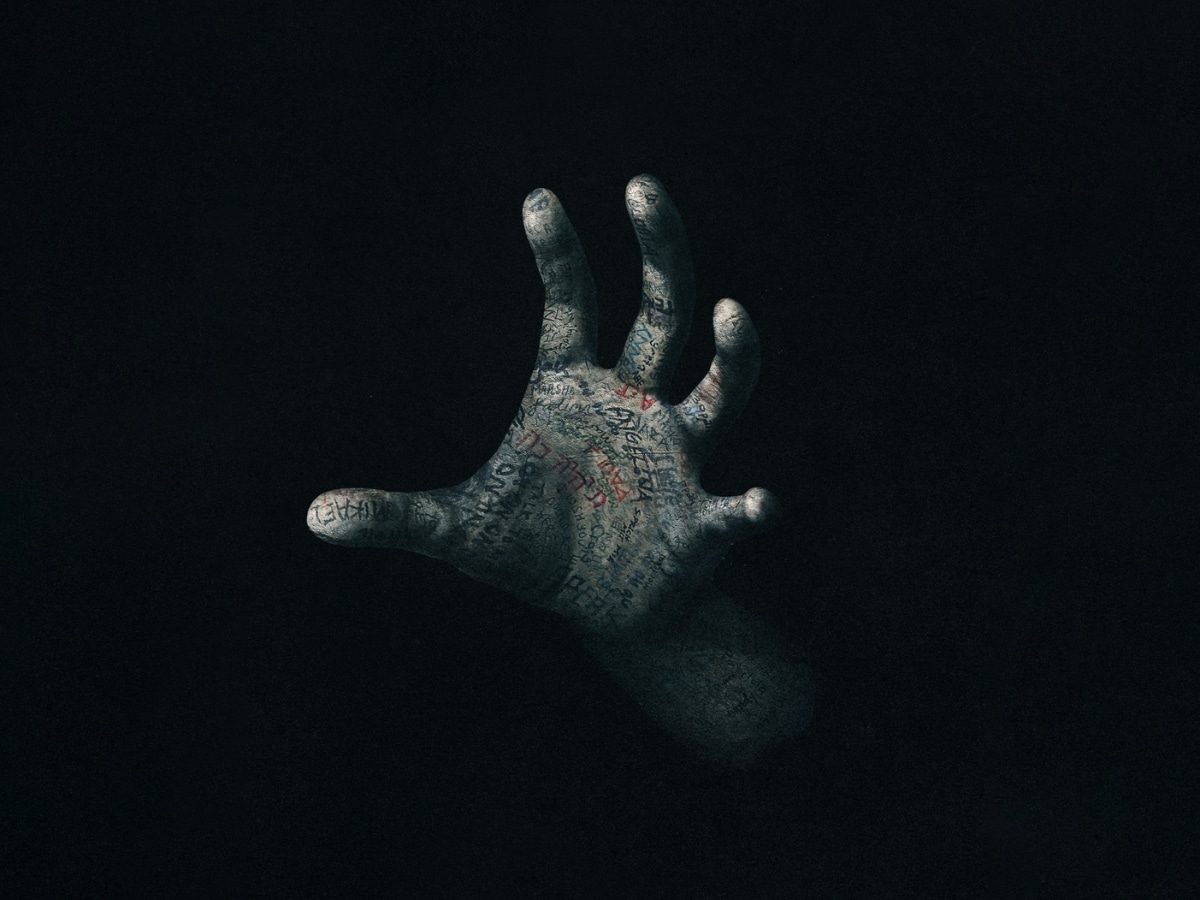
Experts suggest this is due to "scare inflation." Modern audiences have become desensitized to older cinematic tropes and practical effects. Filmmakers like James Wan (Insidious, The Conjuring) and Ari Aster (Hereditary) have pioneered new ways to manipulate audience physiology through sound design, sub-bass frequencies (infrasound), and "invisible" threats that exploit modern anxieties.
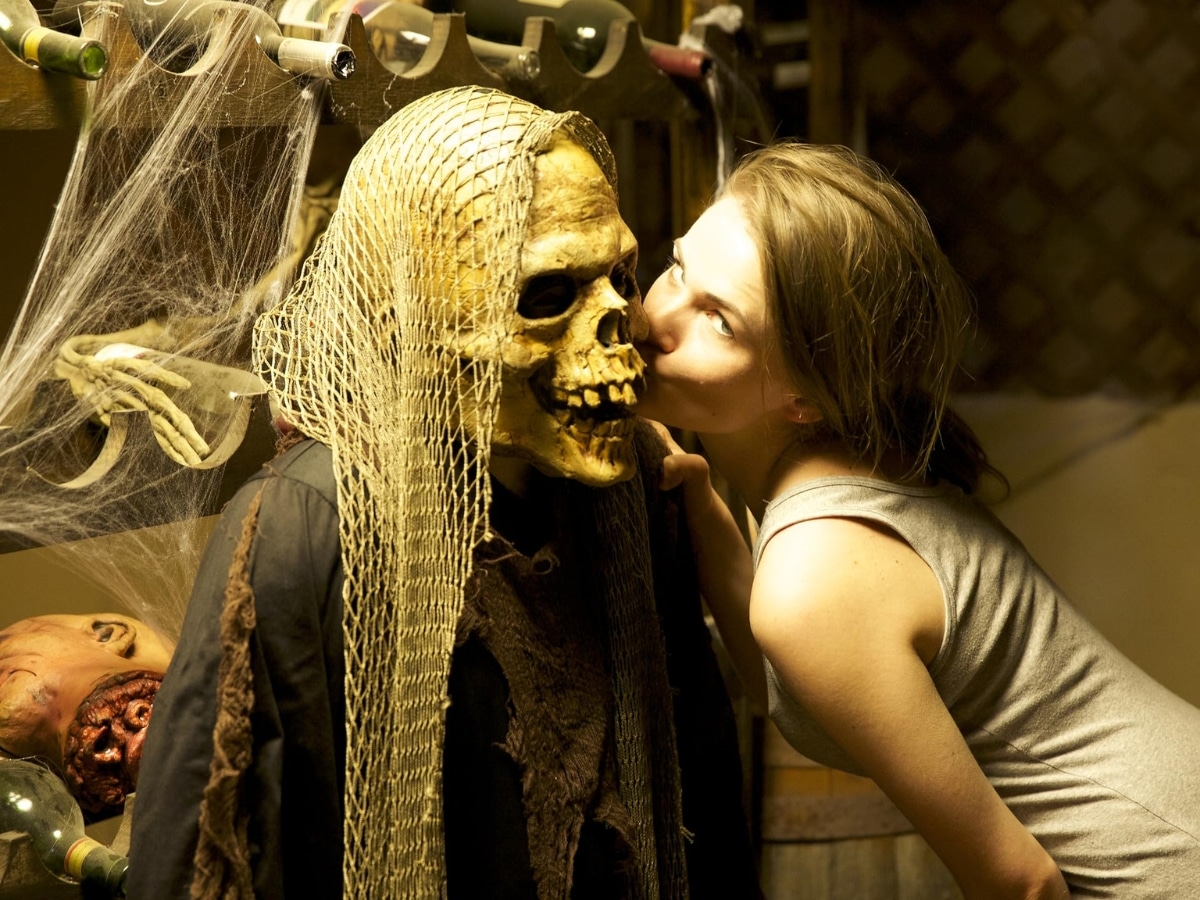
The study also highlights the effectiveness of the "found footage" and "screenlife" sub-genres. Paranormal Activity, Host, and Hell House LLC all appear high on the list because the first-person perspective triggers a more immediate empathetic response in the viewer’s brain, tricking the nervous system into believing the threat is personal rather than distal.
The Role of Sound and Atmosphere
The Science of Scare study emphasizes that volume and sudden noise are not the only factors in a high Scare Score. While "BPM Spikes" often correlate with loud noises, the "Average Heart Rate" is more closely tied to soundscapes and pacing.
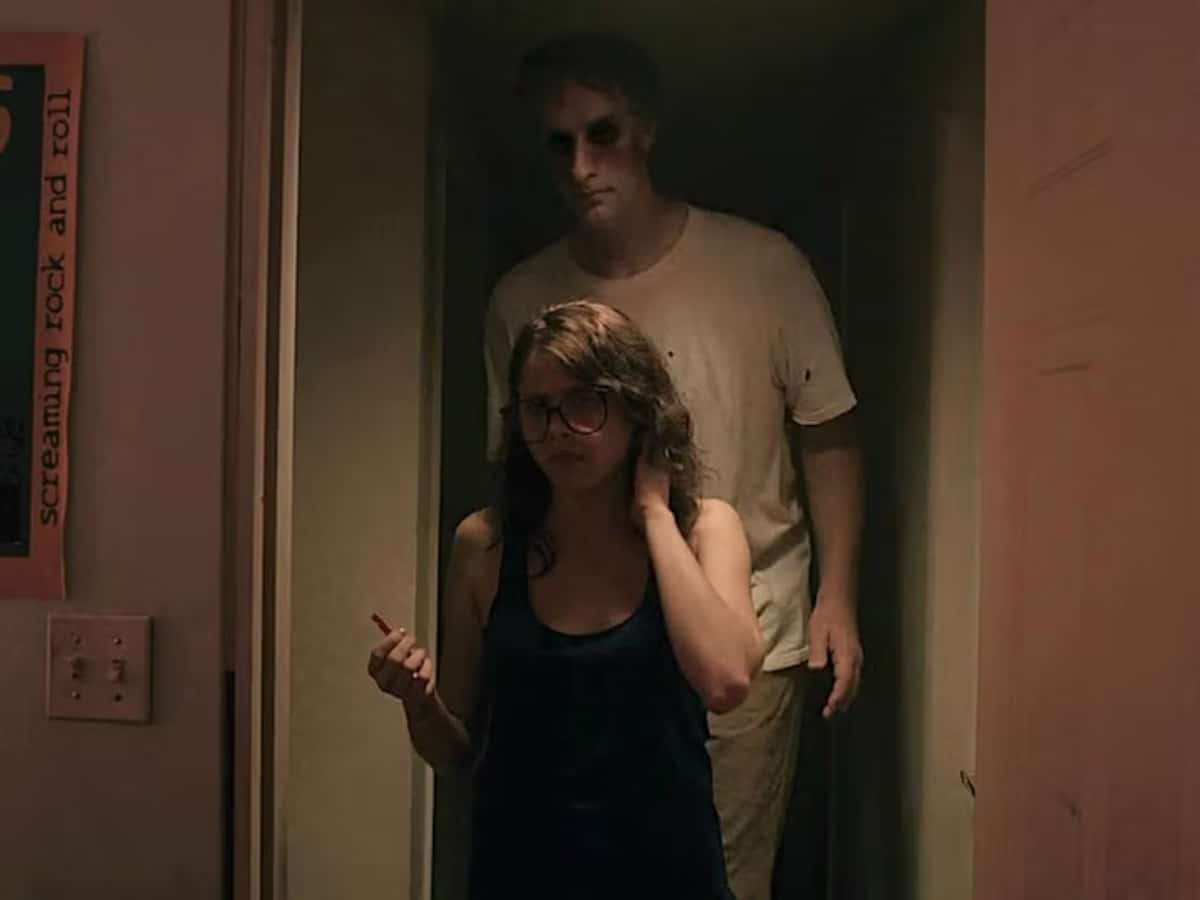
Films like It Follows and The Babadook utilize repetitive, unsettling musical scores and long, unbroken takes to prevent the viewer’s heart rate from returning to a resting state. This sustained physiological pressure is what separates a "scary movie" from a "startling" one. The 5.1 surround sound environment used in the study is crucial here, as it allows directional audio to mimic real-world threats, further elevating the participants’ stress levels.
Broader Implications for the Film Industry
The data produced by the Science of Scare project offers more than just trivia for horror fans; it provides a roadmap for studios and directors. In an era where streaming platforms like Shudder, Netflix, and Max are competing for engagement, understanding the "biometrics of engagement" is becoming increasingly valuable.
Marketing campaigns have already begun to leverage this data. For example, the promotional materials for Talk To Me and Smile 2 frequently referenced audience reactions and physiological intensity. As biometric technology becomes more accessible, we may see a future where "test screenings" involve mandatory heart rate monitoring to edit films for maximum impact.
Furthermore, the success of micro-budget films like Skinamarink and Host in these rankings proves to the industry that high-fidelity terror does not require a high-fidelity budget. Atmospheric tension and psychological manipulation are more effective at triggering a fear response than expensive CGI monsters.
Conclusion
The 2024 Science of Scare study reaffirms that fear is a measurable, universal human experience. While personal taste in movies will always vary, the biometric data provides a clear hierarchy of which films are most successful at bypassing the conscious mind and attacking the nervous system. As Sinister maintains its crown, the entry of new films like Oddity and Smile 2 suggests that the horror genre is continuing to evolve, finding new and more effective ways to curdle the blood and quicken the pulse of audiences worldwide. For those looking to test their own physiological limits this October, the Science of Scare top 50 serves as the ultimate high-intensity watchlist.


 Yuyun Lusiyani
 Joko Widodo
 Eva Lovia
 Pevita Pearce
 admin
admin