
 admin
admin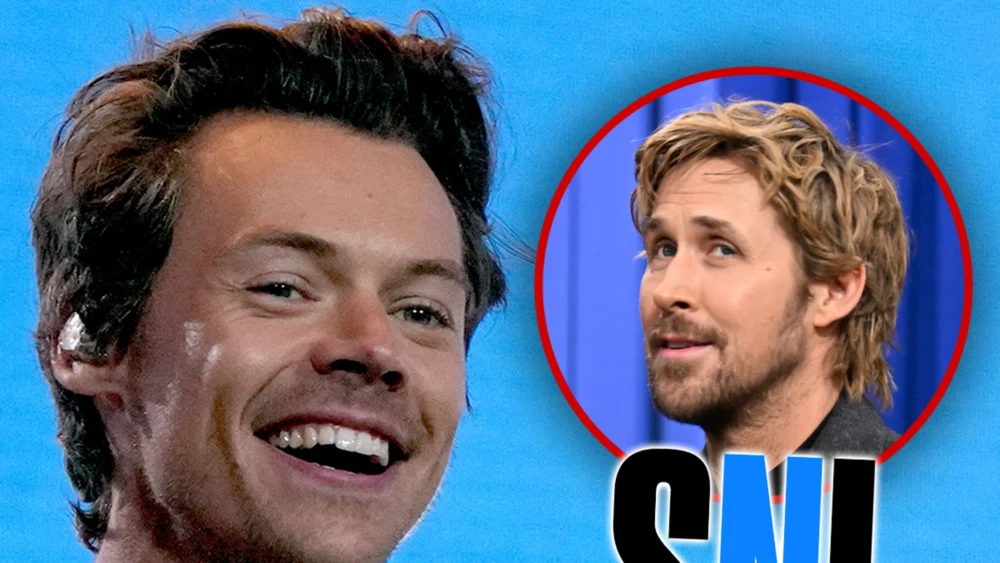
The iconic stage of Studio 8H at 30 Rockefeller Plaza witnessed a captivating blend of comedic genius and pop culture star power on March 8, 2026, as Hollywood leading man Ryan Gosling returned to host NBC’s Saturday Night Live. However, his highly anticipated monologue took an immediate, delightful detour with the unexpected, yet strategically placed, presence of global music sensation Harry Styles in the front row. What initially appeared to be a spontaneous, bewildering interruption quickly unfolded into a meticulously crafted comedic segment, designed to generate viral buzz, promote upcoming projects, and leverage the collective star appeal of two of entertainment’s most beloved figures. The segment, which aired at 5:18 AM PDT, became an instant highlight, demonstrating SNL’s enduring ability to create memorable, culturally resonant moments.
The Unexpected Front-Row Intrusion
From the moment Ryan Gosling, lauded for his recent Oscar-nominated performance and viral "I’m Just Ken" phenomenon from Barbie, stepped onto the stage, a palpable energy filled the studio. Known for his charmingly awkward comedic style and magnetic presence, Gosling began his monologue with the expected self-deprecating humor and a nod to his prior hosting stints. However, the narrative quickly shifted as his gaze, and subsequently the camera’s focus, kept drifting to a familiar face seated prominently in the audience. None other than Harry Styles, the Grammy-winning artist and fashion icon, known for his charismatic stage presence and fervent global fanbase, was seen beaming back, ostensibly a casual spectator.
The initial confusion was part of the comedic setup. Gosling feigned distraction, struggling to maintain his composure and thread of thought as Styles’ presence seemed to overshadow his moment. With mock exasperation, Gosling eventually addressed Styles directly, questioning his presence. Styles, playing along with the elaborate skit, offered a seemingly innocent explanation: he was merely there to "prepare" for his own upcoming hosting and musical guest duties on Saturday Night Live the following week. This clever meta-commentary immediately set the stage for a week of heightened anticipation for Styles’ return to the SNL stage, a feat he has accomplished multiple times both as a solo artist and with his former band, One Direction.
A Monologue Interrupted: The Art of Comedic Disruption
The genius of the sketch lay in its escalating disruption. The Saturday Night Live production team masterfully capitalized on Styles’ magnetism, frequently cutting to his reaction shots. What began as occasional glances evolved into a full-blown split-screen effect, ensuring Styles’ "adorable face," as the sketch humorously noted, remained perpetually on screen alongside Gosling. This visual strategy not only amplified the comedic tension but also underscored the star power Styles commands, effectively making him an integral, albeit silent, co-host of the monologue. The deliberate nature of the camera work, oscillating between Gosling’s feigned frustration and Styles’ playful amusement, underscored the pre-planned spontaneity that has become a hallmark of effective SNL monologues.
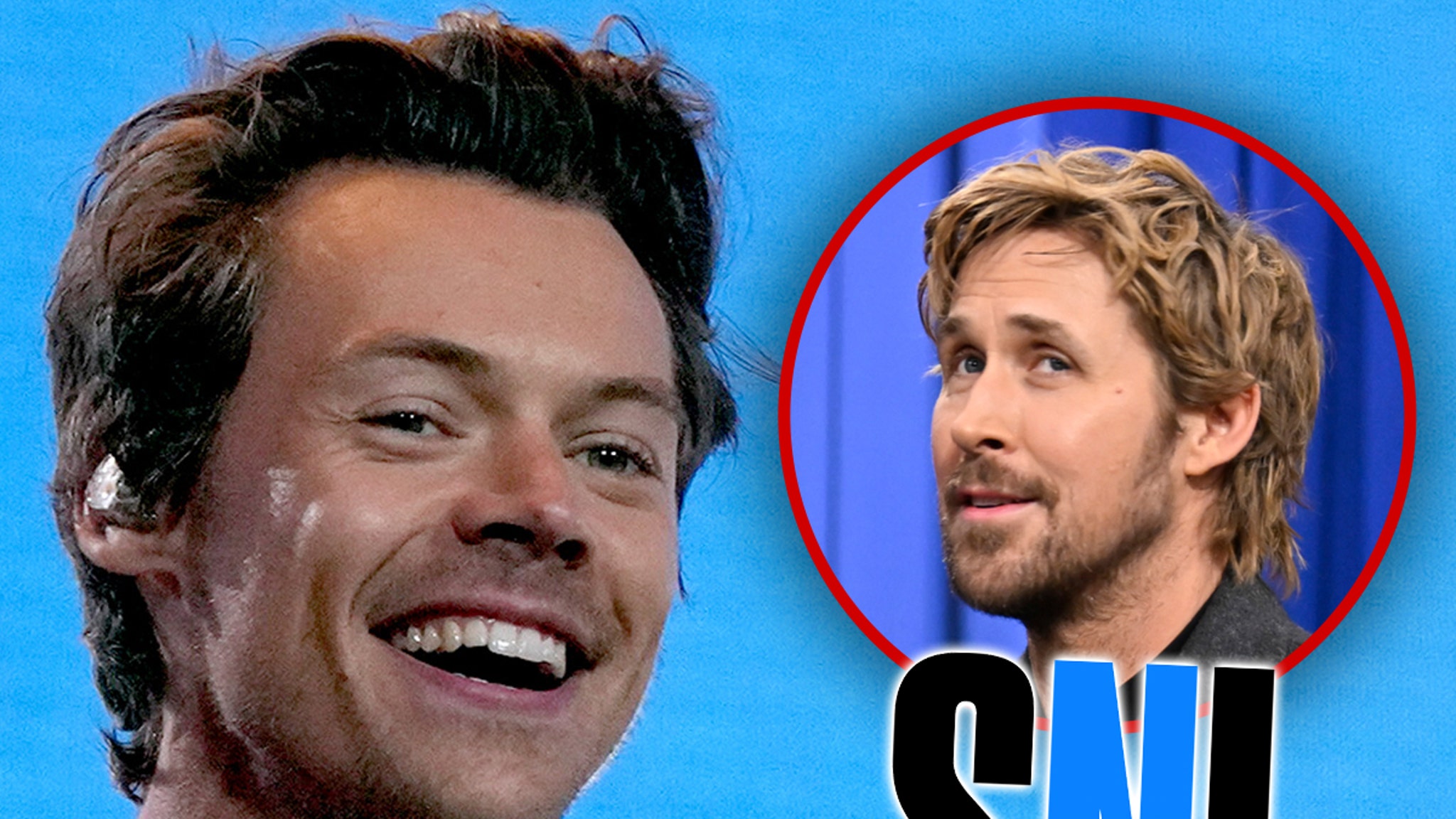
Gosling’s comedic timing shone through as he attempted to pivot back to his planned monologue material, only to find himself continually drawn back to Styles. The segment cleverly played on the concept of celebrity crushes and the undeniable allure that Styles holds for a vast audience, blurring the lines between Gosling’s character and his real-life persona. This self-referential humor is a staple of SNL, allowing hosts to poke fun at their public image while simultaneously endearing themselves further to the audience. The "distraction" became the core of the monologue, a testament to the writers’ ability to turn a simple cameo into a narrative cornerstone.
The Musical Pivot: From Pop Anthem to "I’m Just Ken"
The climax of the monologue arrived with a planned musical number, a common element in SNL opening segments. As Gosling prepared to serenade the audience, a crucial comedic revelation unfolded: the song he was about to perform was, in fact, one of Harry Styles’ chart-topping hits. The irony was palpable, driving Gosling to a peak of exaggerated exasperation. The implication was clear – Styles’ influence was so pervasive that even Gosling’s carefully prepared musical act inadvertently revolved around him. This moment not only served as a brilliant meta-joke but also provided a subtle yet effective promotion for Styles’ existing catalog.
Unable to continue with a song by his "distraction," Gosling made an abrupt, comedic decision. He "abandoned ship," as the article describes, and instead launched into a truncated, yet instantly recognizable, rendition of his own hit song, "I’m Just Ken," from the blockbuster film Barbie. This pivot was a masterstroke, serving multiple purposes: it capitalized on the massive cultural phenomenon that "I’m Just Ken" became, offered a direct callback to Gosling’s recent career highlight, and provided a strong, audience-pleasing finish to the musical interlude. The brief performance of the Barbie anthem elicited enthusiastic cheers, demonstrating the enduring popularity of both the song and Gosling’s portrayal of Ken. It effectively reasserted Gosling’s comedic ownership of the stage, albeit after a playful battle for attention.
A Surprise Kiss and the Anatomy of a Viral Moment
The monologue concluded with another unexpected twist, further cementing its viral potential. In a moment of physical comedy, Gosling shared a kiss with longtime SNL cast member Mikey Day. Such surprise interactions, often involving physical comedy or unexpected intimacy, are frequently deployed in SNL sketches to generate buzz and ensure quotable, shareable moments. The kiss, delivered with comedic timing, served as a final, punctuation mark to the segment’s chaotic energy, leaving the audience with yet another memorable visual. This kind of unscripted-feeling yet carefully choreographed physical humor is a key component of SNL’s appeal, allowing cast members to shine and adding an extra layer of unpredictability.
The entire segment, from Styles’ initial appearance to the final kiss, was meticulously designed to go viral. In the age of social media, SNL has become adept at crafting sketches that are easily digestible, shareable, and instantly meme-able. This particular monologue perfectly encapsulated that strategy, combining two major celebrities, a popular song, and an unexpected physical gag into a package ripe for online discussion and replay. The immediate aftermath saw social media platforms alight with clips, screenshots, and fan reactions, propelling both Gosling and Styles into trending topics and ensuring the episode garnered significant attention beyond its initial broadcast.
Strategic Promotion: Harry Styles’ New Album
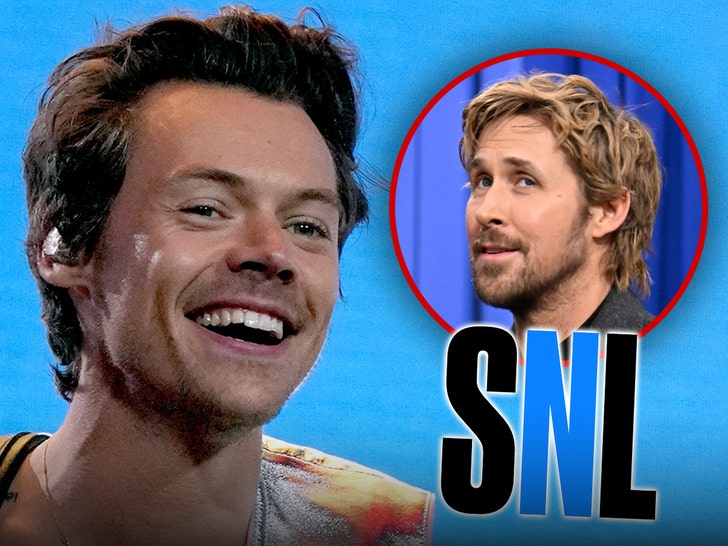
Beyond the comedic value, Harry Styles’ front-row appearance served a clear and significant promotional purpose. The article explicitly states that Styles had just released his fourth studio album, titled ‘Kiss All The Time. Disco, Occasionally.’ His presence on Saturday Night Live, especially in a high-profile opening monologue, was unequivocally an "extra stop to promote the record." This strategic move leveraged the massive platform of SNL to generate immense exposure for his new music, just days after its release.
Kiss All The Time. Disco, Occasionally., as highlighted, represents a "new sound from the 1D singer," indicating a potential evolution in Styles’ musical direction since his One Direction days. Utilizing SNL for an early, high-impact promotional push is a time-honored tactic for artists. The visibility gained from such a prominent cameo, especially one that becomes a viral talking point, is invaluable for album sales, streaming numbers, and maintaining cultural relevance. His upcoming dual role as host and musical guest the following week further amplified this promotional cycle, creating a continuous narrative around his new work and ensuring sustained public interest. This two-week presence on SNL effectively turned the show into a multi-episode promotional vehicle for Styles’ latest musical endeavor.
The Legacy of SNL Cameos and Broader Impact
The appearance of Harry Styles in Ryan Gosling’s monologue is not an isolated incident but rather a continuation of Saturday Night Live‘s long-standing tradition of celebrity cameos, particularly during the opening monologue. From Justin Timberlake crashing Jimmy Fallon’s monologue to Tina Fey and Amy Poehler returning to support new hosts, these guest appearances serve multiple functions. They generate immediate excitement, tap into existing fan bases of the guest stars, and often provide a comedic foil or a moment of genuine surprise that elevates the sketch beyond the ordinary.
In a rapidly evolving media landscape, Saturday Night Live has consistently proven its ability to adapt and remain relevant. By integrating current pop culture icons like Gosling and Styles in innovative ways, the show not only draws in younger demographics but also reinforces its status as a cultural touchstone. These viral moments are crucial for maintaining viewership in an era of on-demand content, ensuring that SNL remains a live, must-watch event. The show’s influence extends beyond television ratings, significantly impacting social media discourse, late-night talk show recaps, and overall entertainment news cycles.
The episode featuring Gosling and Styles is a prime example of how SNL continues to expertly navigate the intersection of comedy, celebrity, and strategic promotion. It provided a platform for Gosling to showcase his versatile talents, offered Styles an unparalleled launchpad for his new album, and delivered a genuinely entertaining and memorable segment for millions of viewers. As Harry Styles prepared for his own hosting duties the following week, the buzz created by his surprise appearance during Gosling’s monologue ensured that anticipation for his full return to Studio 8H reached a fever pitch, promising another week of compelling live television from one of the most enduring institutions in comedy. The event underscored the symbiotic relationship between A-list celebrities and the iconic sketch comedy show, where mutual benefit fuels viral moments and sustains cultural relevance for all involved.

 Jia Lissa
 Yuyun Lusiyani
 Joko Widodo
 Eva Lovia

 Pevita Pearce