
 Nana Wu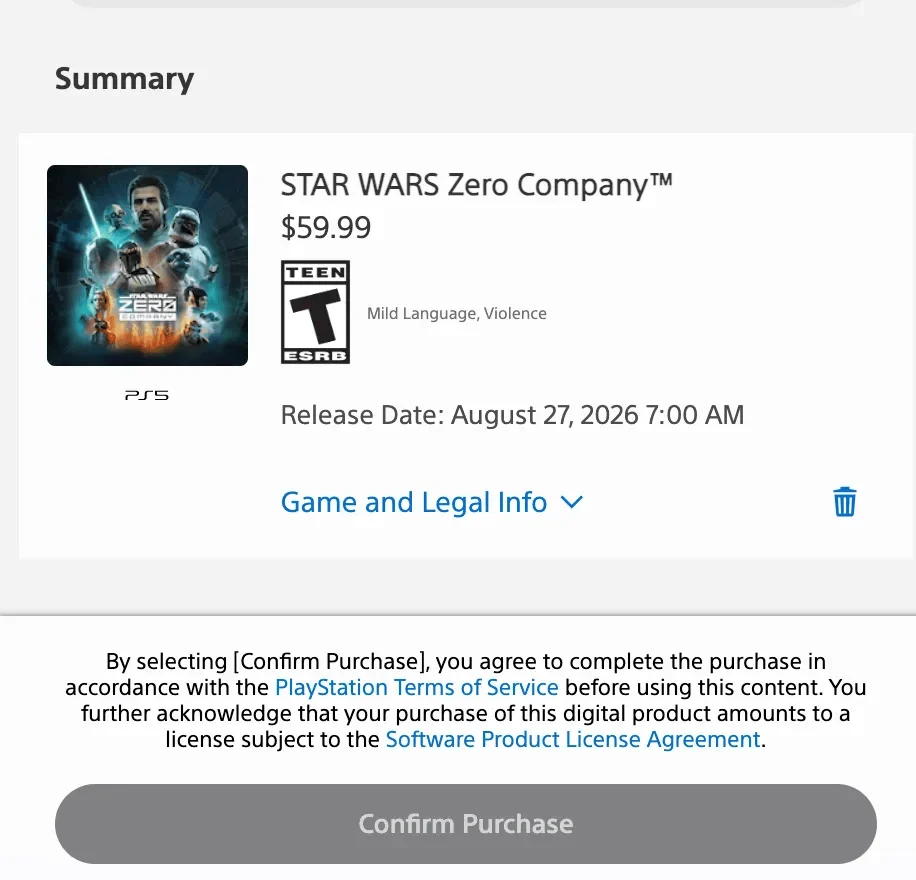
Sony’s recent legal defense, arguing that "reasonable consumers" inherently understand they don’t truly own digital games they purchase, has ignited a fresh wave of backlash against the tech giant. This controversial assertion comes amidst a backdrop of increasing consumer frustration over the company’s perceived erosion of digital ownership rights, including its decision to phase out physical media for PlayStation games by 2027 and its history of revoking access to previously purchased digital content. The current legal challenge, stemming from a California lawsuit, centers on whether Sony adequately discloses that digital game purchases constitute a license rather than outright ownership, as mandated by a state law enacted in 2023.
The Genesis of the Lawsuit: California’s Digital Consumer Protection Act
The legal battle against Sony began in California, spearheaded by a coalition of PlayStation gamers. Their central argument is that Sony’s PlayStation Store violates California Business and Professions Code Section 17500.6, a relatively new statute designed to bring transparency to digital transactions. This law strictly governs how sellers can advertise and offer digital goods, particularly concerning the language used to describe these transactions. Specifically, the law prohibits the use of terms like "buy" or "purchase," or any phrasing that implies unrestricted ownership, unless accompanied by a clear and conspicuous affirmative acknowledgment from the consumer. This acknowledgment must detail that the transaction is a license, outline its specific restrictions and conditions, and inform the user that access can be unilaterally revoked by the seller.
The plaintiffs contend that Sony’s persistent use of "buy" and "purchase" on its digital storefront, without sufficiently prominent disclaimers that align with the spirit and letter of the law, constitutes a deceptive practice. They argue that this language creates a false impression of ownership, misleading consumers into believing they are acquiring a permanent asset rather than a revocable right to access.
Sony’s Defense: A Contentious Interpretation of Consumer Understanding
In its legal response, Sony has put forth a defense that many find not only disingenuous but also deeply insulting to the average consumer. The company asserts that its PlayStation Store adequately informs users about the licensing nature of digital purchases. This disclosure, Sony claims, is sufficient through its terms of service and the confirmation prompts presented during transactions.
However, the crux of Sony’s argument, and the element that has incited widespread condemnation, lies in its assertion that "reasonable consumers" already understand that digital game purchases are licenses, not ownership. Sony’s filing elaborates on this by positing that the very nature of digital goods – their infinite replicability and the ability for multiple users to acquire the same title – inherently signifies a lack of true ownership. The company stated, "As plaintiffs admit, Section 1 of the SPLA likewise explains that ‘the Software is licensed to you, not sold.’ This makes sense. In the digital age, it is not plausible to allege that reasonable consumers believed they were obtaining ‘ownership’ of a digital game."
Sony further bolstered this point with a hypothetical: "Were that the case, then Plaintiff Edward Heycock would not have been able to obtain the game Resident Evil Requiem on February 25, 2026 for $69.99 from the PlayStation Store after Plaintiff Jason Mendoza had obtained Resident Evil Requiem on February 14, 2026, because Mr Mendoza, not Sony, would have owned it then." This line of reasoning suggests that the shared availability of digital games is irrefutable proof that no single consumer can possess exclusive ownership.
The Fallout: Consumer Confusion and the Erosion of Trust
Sony’s "reasonable consumer" argument has been met with widespread disbelief and criticism from consumer advocates, legal experts, and the gaming community. Critics argue that this defense fundamentally misunderstands or deliberately ignores the prevalent confusion surrounding digital ownership. For years, a significant portion of the public has grappled with the distinction between purchasing a physical product and acquiring a digital license.
This confusion is not merely anecdotal. Numerous online forums, such as Reddit, are replete with discussions where users earnestly seek clarification on what they truly "own" when they make digital purchases. Tech publications and consumer protection agencies, including the Federal Trade Commission (FTC), have dedicated extensive resources to educating the public on this very issue. The FTC, in particular, has published articles explaining that digital purchases are often "licenses to access the content," subject to various conditions like account activity, platform longevity, and Digital Rights Management (DRM). These articles consistently use qualifying language such as "may," "often," and "depends," highlighting the nuanced and often uncertain nature of digital ownership.

The FTC’s explanations underscore a critical point that Sony’s defense seems to overlook: the digital marketplace is not monolithic. While many digital goods are indeed sold as licenses, the existence of some digital products that do confer true ownership complicates Sony’s blanket assertion. This inconsistency means that consumers cannot be presumed to possess a universal, innate understanding of digital ownership across all platforms and product types.
A Pattern of Digital Discontent: Beyond the Lawsuit
This lawsuit and Sony’s subsequent defense are not isolated incidents but rather represent a culmination of growing consumer dissatisfaction with the company’s approach to digital content. Prior to this legal challenge, Sony had already faced significant backlash for its decisions regarding digital media.
-
The Discontinuation of Physical Media: In 2026, Sony announced its intention to cease production of physical media for PlayStation games starting in 2027. This decision was met with widespread anger from gamers who value physical collections for reasons of ownership, longevity, and preservation. Many view physical discs as a tangible guarantee of access, independent of a company’s online infrastructure or future business decisions. The announcement triggered online protests and a surge of negative sentiment, highlighting a deep-seated preference for tangible media.
-
Revocation of Digital Purchases: Sony has a documented history of removing digital content from users’ libraries when licensing agreements expire or when services are discontinued. In one notable instance in 2026, the company deleted numerous movies from the accounts of individuals who had "purchased" them. While some consumers understand that certain digital goods are effectively temporary rentals, many others feel deceived when content they believed they owned is suddenly inaccessible. This practice fuels the perception that digital "purchases" are precarious and subject to the whims of the platform holder.
These past actions have created an environment where consumers are increasingly wary of Sony’s digital policies. The company’s current legal strategy appears to exacerbate this distrust, as it seems to dismiss legitimate consumer concerns as the product of unreasonable expectations.
The Broader Implications: Preservation and the Future of Digital Ownership
The implications of Sony’s stance extend beyond the immediate legal battle. The ongoing shift towards digital-only consumption raises significant questions about cultural and game preservation. When physical media is no longer produced, and when digital licenses can be revoked, the long-term availability of historical games and media becomes increasingly precarious. Without robust preservation efforts and clear ownership rights, entire segments of digital culture risk disappearing as platforms evolve or cease to exist.
Sony’s argument, if accepted, could set a dangerous precedent, potentially emboldening other digital content providers to adopt similar interpretations of consumer understanding. This could further entrench the model where consumers pay for access rather than ownership, leaving them vulnerable to the arbitrary decisions of corporations.
Conclusion: A Call for Transparency and Respect
Regardless of the legal outcome of the California lawsuit, Sony faces a critical juncture. The company’s current defense strategy appears to be alienating a significant portion of its user base and undermining consumer trust. Whether by design or by a failure of empathy, Sony’s assertion that "reasonable consumers" automatically understand the nuances of digital licensing is a contentious claim that runs counter to widespread public discourse and the efforts of consumer protection bodies.
To navigate this challenging landscape, Sony must either demonstrate a more profound understanding of its customers’ expectations and knowledge regarding digital ownership, or it must cease making claims that are demonstrably at odds with consumer reality. The prevailing sentiment suggests that the public does not possess a universally firm grasp of their rights concerning digital purchases. Pretending otherwise, as Sony’s legal defense appears to do, is not only inaccurate but also a disservice to the very consumers who drive its success. The company’s future engagement with its audience may depend on its ability to foster transparency and respect for genuine ownership, rather than relying on legal technicalities that dismiss legitimate consumer concerns.




 Joko Widodo
 admin
admin
 Lina Irawan
 Jia Lissa
 Yuyun Lusiyani
 Pevita Pearce