
 Pevita Pearce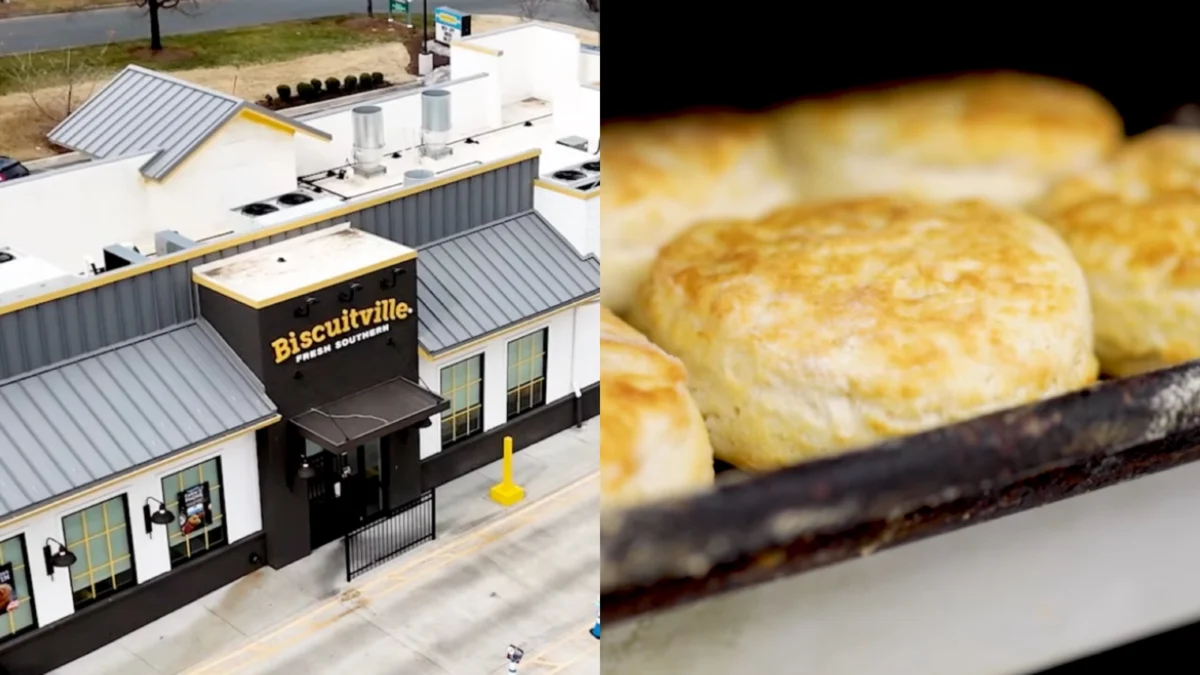
The landscape of the American fast-food industry is often dominated by multi-billion-dollar corporations with tens of thousands of global locations, yet the most recent rankings for the nation’s best breakfast suggest that size does not always equate to superiority in the eyes of the consumer. Biscuitville, a family-owned regional chain operating out of the Southeast, has officially secured the top spot in USA Today’s 10Best Readers’ Choice Awards for the Best Fast Food Breakfast. This victory marks the fourth consecutive year the North Carolina-based company has earned the title, successfully defending its position against industry titans such as McDonald’s, Chick-fil-A, and Wendy’s.
Operating approximately 90 locations across North Carolina, South Carolina, and Virginia, Biscuitville’s footprint is a mere fraction of its competitors. However, the chain’s commitment to traditional Southern culinary practices and local sourcing has fostered a level of brand loyalty that transcends its geographical limitations. The results of the 10Best competition highlight a growing consumer preference for "fast-casual" quality within a quick-service restaurant (QSR) framework, particularly during the critical breakfast daypart.
The Rankings and Competitive Landscape
The 10Best Readers’ Choice Awards are determined through a two-step process: a panel of food and travel experts selects 20 nominees, which are then put to a public vote over a four-week period. The 2024 results revealed a surprising hierarchy that favored regional specialists over national ubiquity.
Following Biscuitville in the top three were Farmer Boys and Del Taco. Farmer Boys, primarily located in California and Nevada, is known for its farm-to-table approach and cooked-to-order breakfasts. Del Taco, while traditionally associated with Mexican-inspired fare, has built a significant following for its breakfast burritos and toasted wraps, securing the third-place position.
The performance of the "Big Three" legacy chains was notable for their inability to break into the top tier. McDonald’s, the largest fast-food chain in the world and the pioneer of the modern fast-food breakfast with the Egg McMuffin, finished in fourth place. Chick-fil-A, often cited for high customer satisfaction scores, followed in fifth. The remaining top ten positions were filled by Burger King (sixth), Wendy’s (seventh), Jack in the Box (eighth), Hardee’s (ninth), and Bojangles (tenth).
The fact that Biscuitville, with fewer than 100 stores, can mobilize a voting base to defeat McDonald’s—which operates over 13,000 locations in the U.S. alone—speaks to the intense regional pride and perceived quality gap between artisanal-style production and mass-market industrial cooking.
A Legacy of Scratch-Made Quality
The foundation of Biscuitville’s success lies in its adherence to a specific operational philosophy: the "Fresh Club." Unlike many national chains that rely on frozen, pre-baked, or par-baked bread products, Biscuitville produces its signature biscuits from scratch every 15 minutes. This process is visible to customers through "biscuit windows," where flour, buttermilk, and shortening are transformed into dough in full view of the dining area.
The recipe used by the chain dates back to the company’s origins in the mid-20th century. Maurice Jennings, the company’s founder, opened Mountain Laurel Flour Mill in 1966 before transitioning into the restaurant business. The transition from selling flour to selling biscuits was a logical evolution that allowed the company to control the quality of its primary ingredient. By 1975, the first dedicated Biscuitville location opened in Danville, Virginia.
Kristie Mitchell, Biscuitville’s Chief Marketing Officer, attributes the chain’s continued dominance to this "made-from-scratch" authenticity. In statements following the award announcement, Mitchell noted that the most frequent feedback received by the company involves customers comparing the taste of the biscuits to those made by their grandmothers. This emotional connection to "home-cooked" flavors is a competitive advantage that standardized national menus often struggle to replicate.
The menu itself focuses on Southern staples. Beyond the classic biscuit sandwiches featuring country ham, fried chicken, and spicy sausage, the chain offers grits, country gravy, and "Sweetroom" treats like honey buns. By focusing narrowly on breakfast and lunch (most locations close by 2:00 PM), the chain maintains high specialized efficiency.
Chronology of the Breakfast Wars
To understand the significance of Biscuitville’s four-year winning streak, one must look at the evolution of the American breakfast market over the last decade. Historically, breakfast was the only growth segment in the fast-food industry as lunch and dinner traffic plateaued.
- 2015: The All-Day Breakfast Era: McDonald’s launched All-Day Breakfast, a move that forced competitors to innovate and protect their morning market share. This increased the visibility of breakfast offerings across the board.
- 2019-2020: The Entry of Wendy’s: Wendy’s made a massive, $20 million investment to re-enter the breakfast market nationwide. Their success proved that consumers were willing to switch loyalties for high-quality morning options.
- 2021: The Post-Pandemic Shift: As commuting patterns changed due to remote work, the "morning rush" became less predictable. Chains began focusing on digital ordering and loyalty apps to retain customers. It was during this year that Biscuitville secured its first #1 ranking in the USA Today poll.
- 2022-2023: The Rise of Regionalism: Amidst rising inflation and supply chain issues, regional chains that sourced locally—like Biscuitville—maintained more consistent quality than national chains dealing with massive logistics hurdles. Biscuitville secured its second and third titles during this period.
- 2024: The Fourth Despite aggressive marketing campaigns from Taco Bell and McDonald’s involving celebrity endorsements and value meal "wars," the public vote once again favored the small-scale, high-quality output of Biscuitville.
Official Responses and Corporate Strategy
The leadership at Biscuitville has responded to the fourth consecutive win with a mixture of pride and cautious ambition. Chief Marketing Officer Kristie Mitchell emphasized that the company does not take its position for granted. "We have earned it, but we don’t want to live in a space where we come to expect it," Mitchell stated. This sentiment reflects a corporate culture aimed at avoiding the "complacency trap" that often affects established market leaders.
From a strategic standpoint, the award serves as a powerful marketing tool as the company eyes geographical expansion. Currently concentrated in the Carolinas and Virginia, Biscuitville has begun scouting locations in Tennessee and Georgia. Expansion for a brand built on "scratch-made" quality presents unique challenges, as the supply chain for fresh buttermilk and local flour must be maintained to ensure product consistency.
Industry analysts suggest that Biscuitville’s success provides a blueprint for other regional players. By dominating a specific "daypart" (breakfast) and leaning into cultural heritage, smaller brands can insulate themselves from the price wars of larger competitors. While McDonald’s and Wendy’s compete primarily on speed and price point, Biscuitville competes on "craveability" and perceived craft.
Broader Implications for the Fast Food Industry
The repeated crowning of Biscuitville as America’s best breakfast indicates several shifting trends in consumer behavior and industry standards:
1. The "Quality-Value" Re-evaluation: While "value" in fast food was traditionally defined as the lowest price, consumers are increasingly defining value as the quality of ingredients relative to the price. The willingness of voters to choose a regional chain over cheaper, more accessible options suggests that the "premiumization" of breakfast is a permanent shift.
2. The Power of Transparency: Biscuitville’s use of "biscuit windows" addresses a modern consumer desire for transparency in food preparation. Seeing a human being knead dough provides a psychological counter-narrative to the "processed food" stigma associated with major QSR brands.
3. Regional Brand Strength: The presence of Farmer Boys (West Coast) and Biscuitville (East Coast) at the top of the list suggests that regional identities remain a powerful force in the American palate. National chains are increasingly attempting to "localize" their menus, but regional chains have the advantage of being perceived as the "authentic" source of those flavors.
4. The Breakfast Daypart Resilience: Despite the volatility of the economy, breakfast remains a resilient sector. It is the most habitual meal for consumers, and once a brand like Biscuitville captures a "morning routine," that customer lifetime value is significantly higher than that of occasional lunch or dinner diners.
As Biscuitville prepares for its expansion into new markets, the challenge will be to scale the "grandmother’s kitchen" feel that has defined its brand for nearly 50 years. For now, the chain stands as a rare example of a small regional player outperforming the global giants of the industry, proving that in the competitive world of fast-food breakfast, the rolling pin may still be mightier than the industrial oven. The 2024 USA Today 10Best rankings serve as a definitive validation of the chain’s "local-first" model, setting a high bar for the national competitors who must now look toward 2025 to see if they can finally unseat the Southern favorite.




 Yuyun Lusiyani
 Joko Widodo
 Jia Lissa
 admin
admin
