
 Lina Irawan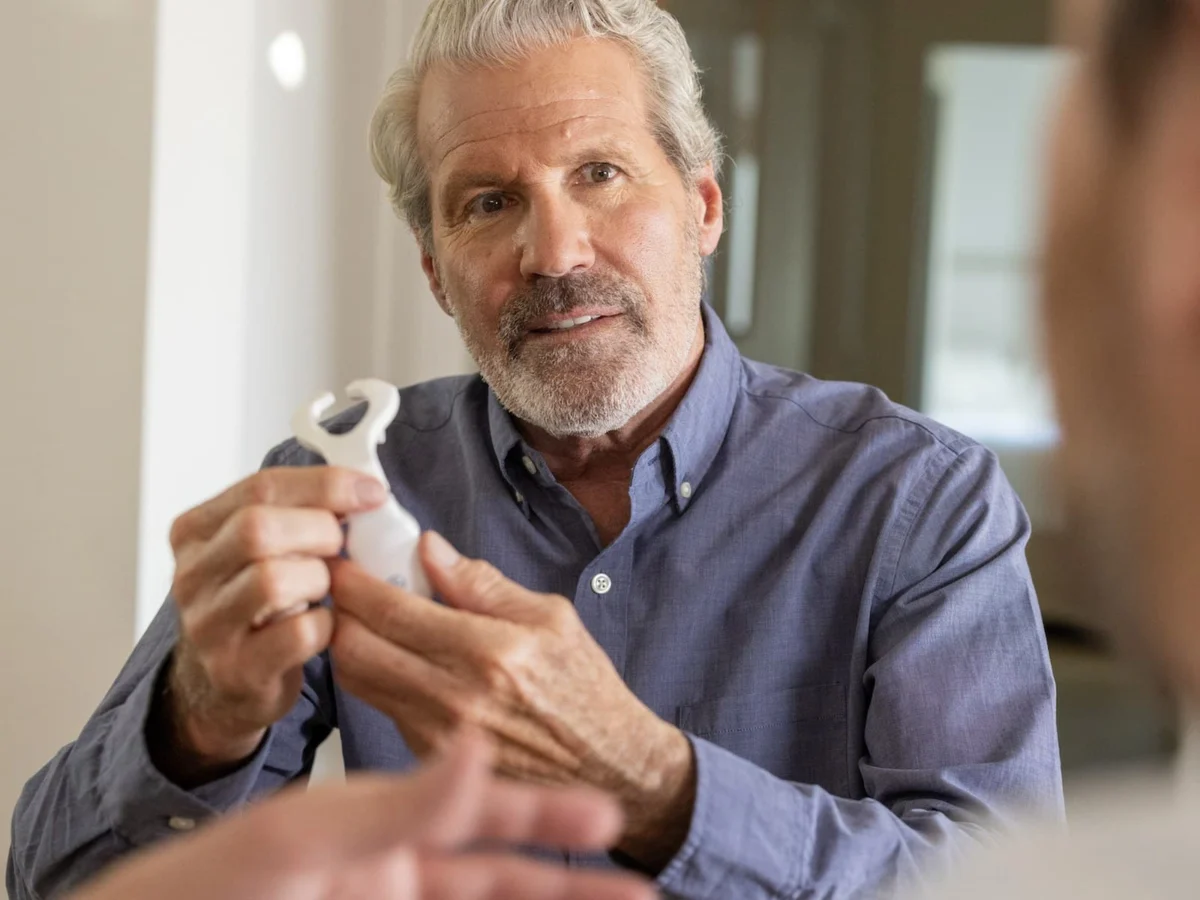
The landscape of sleep medicine is undergoing a significant shift as Spring Sleep brings the eXciteOSA device to the forefront of treatment for primary snoring and mild obstructive sleep apnea (OSA). Historically, the gold standard for treating sleep-disordered breathing has been the Continuous Positive Airway Pressure (CPAP) machine. However, despite its efficacy, CPAP therapy is frequently hampered by low patient compliance due to the discomfort of wearing a mask and being tethered to a bedside machine throughout the night. The eXciteOSA device represents a technological pivot, moving the intervention from the bedroom to the waking hours. By utilizing Neuromuscular Electrical Stimulation (NMES) to strengthen the muscles of the tongue, the device addresses the physiological root cause of many snoring issues rather than merely mitigating the symptoms through nocturnal air pressure.
The Path to Innovation: Understanding the Mechanism of Daytime Therapy
The eXciteOSA device is categorized as a daytime neuromuscular stimulator. Its primary function is to target the genioglossus muscle—the largest muscle of the tongue responsible for keeping the airway open. In many individuals with mild OSA or chronic snoring, the tongue muscles lose their tone, causing them to collapse backward into the airway during sleep. This collapse leads to the vibrations known as snoring or the partial blockages characteristic of mild apnea.
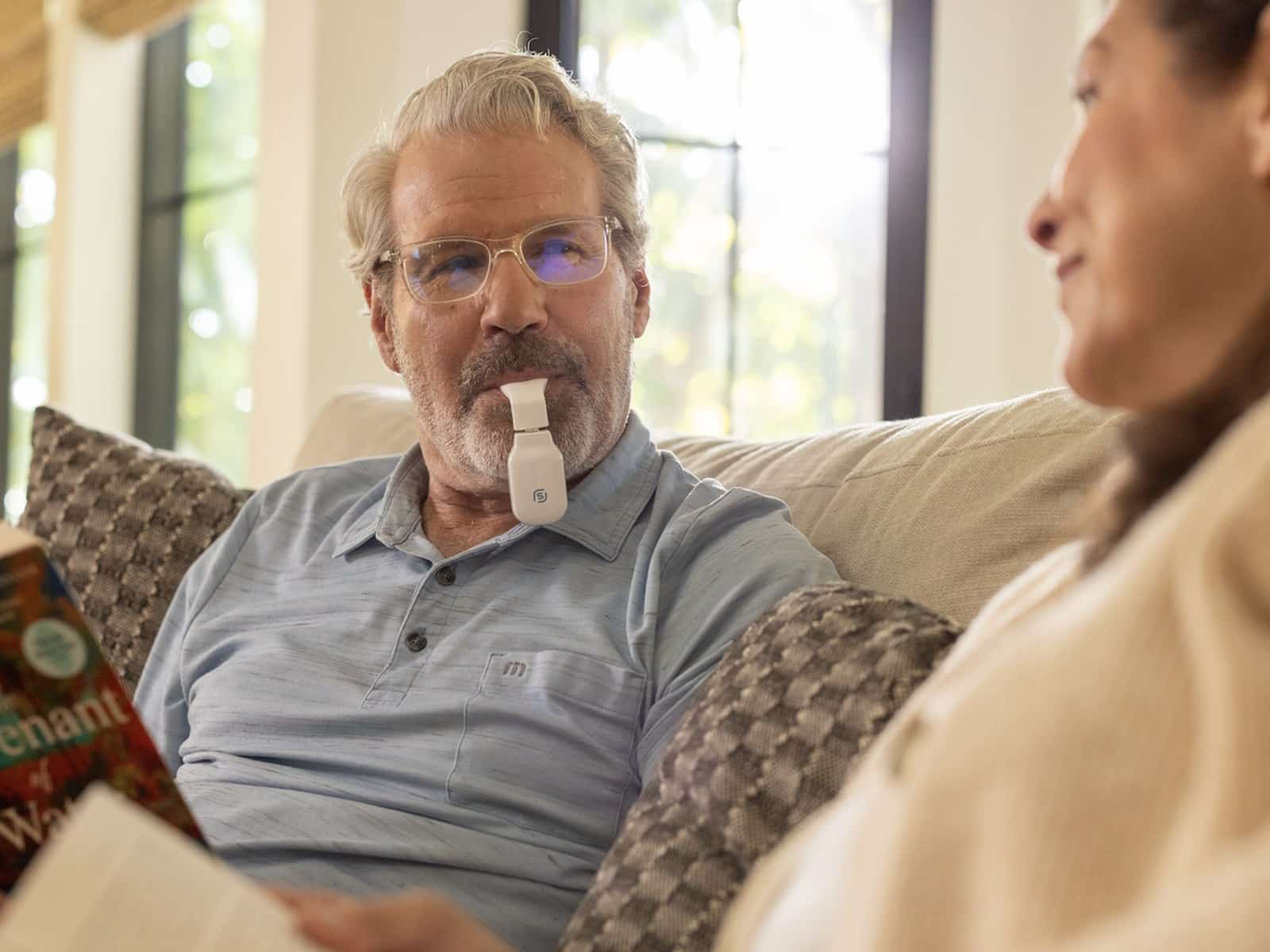
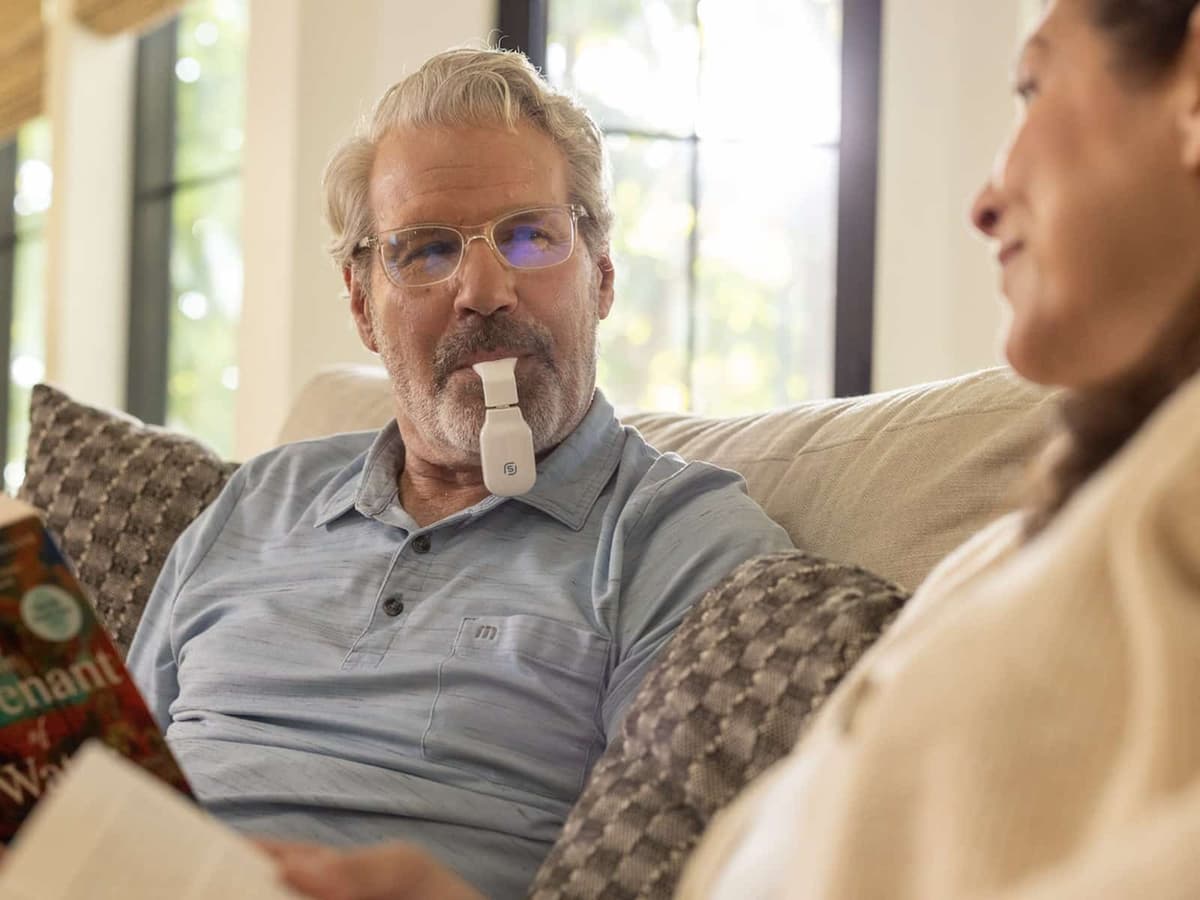
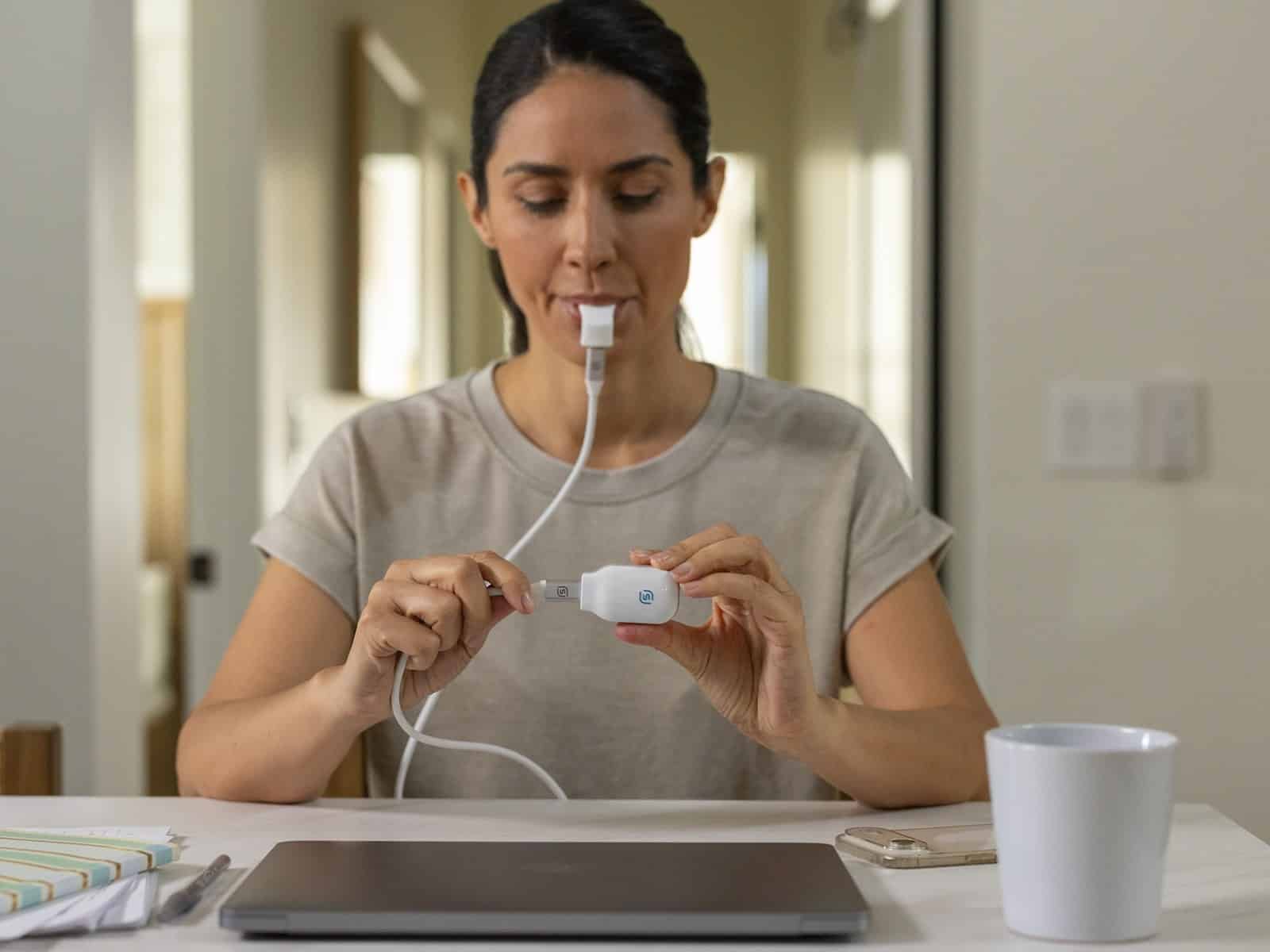
Unlike traditional treatments that act as a mechanical splint, such as Mandibular Advancement Devices (MADs) or CPAP, eXciteOSA functions as a form of physical therapy for the mouth. During a 20-minute daily session, the user places a silicone mouthpiece into their mouth. The device delivers low-level electrical impulses that cause the tongue muscles to contract and strengthen over time. This increased muscle tone prevents the tongue from falling back during sleep, thereby maintaining a clear and unobstructed airway. The treatment protocol typically involves a six-week intensive phase of daily sessions, followed by a maintenance phase of twice-weekly sessions to sustain the muscle improvements.
Regulatory Milestone and Clinical Efficacy
The emergence of eXciteOSA follows a rigorous regulatory process. In February 2021, the U.S. Food and Drug Administration (FDA) granted marketing authorization for the device, marking it as the first of its kind to be cleared for the treatment of both primary snoring and mild OSA in a daytime setting. The FDA’s decision was based on a multicenter clinical study involving 115 patients with snoring and mild OSA.
The clinical data reported by Spring Sleep and supporting medical literature indicate high success rates. According to the findings, approximately 90% of users experienced a measurable reduction in snoring time at levels above 40 decibels. Furthermore, 78% of patients with mild obstructive sleep apnea saw a significant reduction in their Apnea-Hypopnea Index (AHI), which is the standard metric for measuring the severity of sleep apnea based on the number of pauses in breathing per hour.
Perhaps most importantly for household harmony, the impact on bed partners has been a focal point of the device’s success metrics. Clinical evaluations revealed that 89% of bed partners reported a noticeable improvement in the loudness and frequency of their partner’s snoring. These statistics suggest that the device provides a dual benefit: improving the health of the patient while restoring the sleep quality of those sharing the same environment.
The Evolution of Sleep Technology: A Chronology
The development of NMES for sleep disorders did not happen in a vacuum. It is the result of decades of research into muscle stimulation and its applications in rehabilitative medicine.
- Early Research (1990s-2000s): Researchers began exploring the use of electrical stimulation to treat upper airway collapse. Early experiments often involved invasive implants, which limited their widespread adoption.
- The Shift to Non-Invasive Methods (2010s): Engineering advancements allowed for the miniaturization of electronics, leading to the development of removable mouthpieces that could deliver precise stimulation without the need for surgery.
- Clinical Trials (2018-2020): Multicenter trials were conducted globally to test the safety and efficacy of the eXciteOSA technology. These trials focused on ensuring the stimulation levels were effective yet comfortable for the user.
- FDA Clearance (2021): The FDA officially authorized the device, creating a new category of "Daytime Therapy" within the sleep medicine sector.
- Mainstream Adoption (2023-Present): Companies like Spring Sleep have streamlined the patient experience by integrating digital health tools, such as smartphone apps, to track compliance and progress, making the therapy more accessible to the general public.
The Patient Experience and Digital Integration
The modern patient expects a seamless integration of medical treatment into their lifestyle. The eXciteOSA Starter Pack is designed with this user-centric philosophy. The process begins with a medical screening through an eligibility questionnaire. Because the device is a medical-grade instrument, it requires a prescription, which Spring Sleep facilitates through a telehealth-style review process.
Once approved and delivered, the device is controlled via a smartphone application. This app allows users to adjust the intensity of the electrical stimulation to a level that is effective but not painful. The app also serves as a compliance tracker, sending reminders to ensure the user completes their 20-minute session. This digital oversight is crucial, as the effectiveness of neuromuscular therapy is directly tied to the consistency of the training sessions.
Economic Considerations and Market Impact
The cost of sleep disorders on the global economy is staggering, primarily due to lost productivity, workplace accidents, and long-term health complications such as hypertension, heart disease, and type 2 diabetes. While CPAP remains a cost-effective solution for moderate to severe apnea, its failure rate in mild cases—often due to patient rejection—creates a vacuum in the market.
The eXciteOSA therapy is positioned at a price point of approximately $103 per month, making it a competitive alternative to custom-fitted dental appliances or the long-term costs of CPAP supplies. While many private insurance providers are still in the process of evaluating coverage for this new category of daytime therapy, the device is currently HSA (Health Savings Account) and FSA (Flexible Spending Account) eligible. This eligibility allows patients to use pre-tax dollars to fund their treatment, lowering the financial barrier to entry.

Industry analysts suggest that the rise of "invisible" treatments—those that do not require bulky equipment in the bedroom—will likely expand the total addressable market for sleep apnea treatment. Many individuals who currently suffer in silence because they refuse to wear a CPAP mask may be willing to adopt a 20-minute daytime routine.
Comparative Analysis: eXciteOSA vs. Traditional Interventions
To understand the impact of eXciteOSA, it is necessary to compare it against the traditional hierarchy of sleep apnea treatments:
- CPAP (Continuous Positive Airway Pressure): Highly effective at keeping the airway open via air pressure. However, it requires a mask, hose, and machine. Compliance rates are notoriously low, with some studies suggesting up to 50% of patients stop using it within the first year.
- Mandibular Advancement Devices (MADs): These are dental mouthpieces worn at night to physically pull the lower jaw forward. While effective, they can cause jaw pain (TMJ issues) and permanent changes to the user’s bite over time.
- Surgery: Various surgical options exist to remove tissue or implant stimulators. These are invasive, involve recovery time, and are generally reserved for more severe cases.
- eXciteOSA (Daytime NMES): Offers a non-invasive, non-nocturnal option. It does not change the anatomy permanently but strengthens the muscles. It is specifically indicated for mild OSA and primary snoring, filling the gap for patients who do not require the heavy intervention of a CPAP but need more than just lifestyle changes.
Broader Implications for Public Health
The introduction of daytime therapy for snoring and mild apnea has broader implications for public health. Snoring is often dismissed as a social nuisance, but it is frequently a precursor to more serious health conditions. By providing a low-friction, high-efficacy treatment, Spring Sleep and the eXciteOSA technology may encourage earlier intervention.
Reducing the severity of mild OSA can lead to improved cognitive function, better mood regulation, and a decrease in daytime somnolence, which is a leading cause of motor vehicle accidents. Furthermore, the 90-night risk-free trial offered by Spring Sleep indicates a high level of confidence in the product’s ability to deliver results, potentially setting a new standard for patient-centered guarantees in the medical device industry.
As the medical community continues to embrace digital health and bio-electronic medicine, devices like eXciteOSA represent the first wave of a new era. The focus is shifting toward "training" the body to function correctly rather than providing a mechanical crutch. For the millions of people whose sleep—and relationships—are strained by the sounds of snoring, this daytime shift offers a quiet, mask-free path toward better health.



 Yuyun Lusiyani
 Joko Widodo
 Eva Lovia
 Pevita Pearce
 admin
admin