
 Pevita Pearce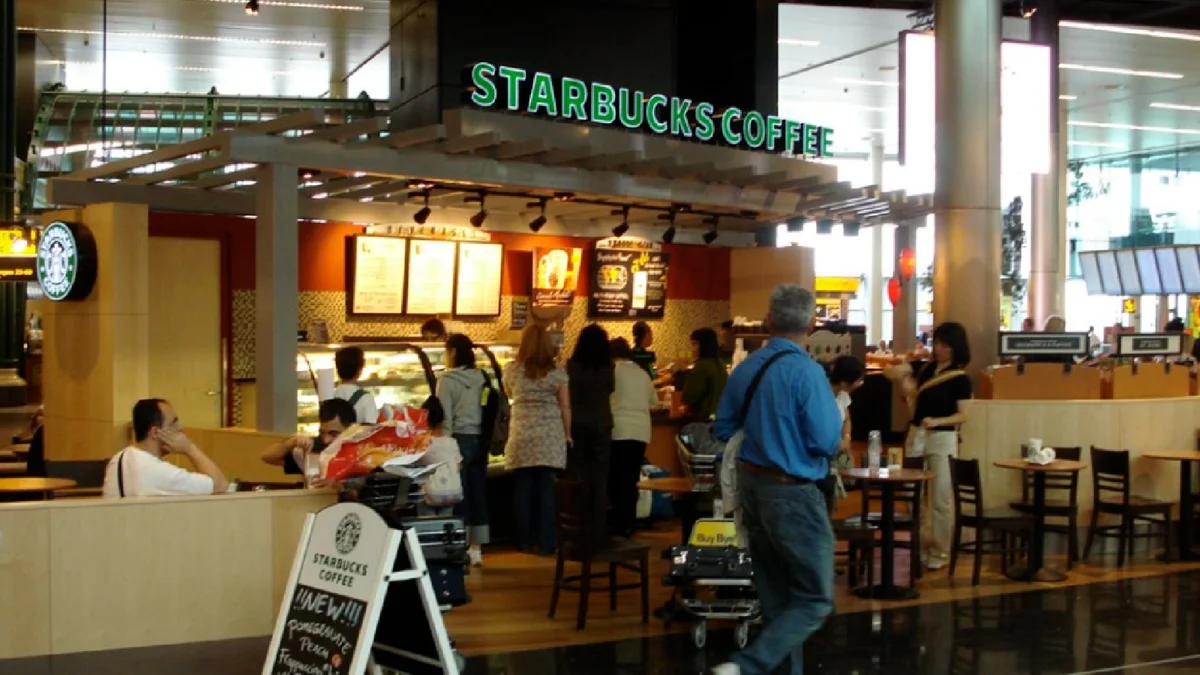
Starbucks Corporation has announced a massive $1 billion investment aimed at revitalizing its physical footprint across 9,000 locations, signaling a definitive shift away from the transaction-heavy, mobile-centric model that has dominated its strategy in recent years. This initiative, which includes the purchase of 25,000 new chairs and the reintroduction of cozy amenities like rugs and stocked bookshelves, is designed to transform the coffee giant’s outlets back into a "third place"—a social environment separate from home and work. The move comes as a direct response to what the company identifies as a growing population of "lonely and disconnected" individuals seeking human interaction in an increasingly digital world.
For over a decade, Starbucks has aggressively pivoted toward efficiency and speed. The rise of the mobile app, drive-thru windows, and "pickup-only" stores helped the company navigate the challenges of the COVID-19 pandemic, but many critics and loyalists argued that the brand lost its soul in the process. By investing heavily in the physical comfort of its stores, Starbucks is attempting to reconcile its identity as a premium destination with its operational reality as a high-volume beverage provider.
The Strategic Pivot: From Transaction to Connection
The current renovation plan is being spearheaded by Dawn Clark, Starbucks’ senior vice-president of coffee house design and concepts. In a recent interview with the Financial Times, Clark emphasized that the global landscape of consumer behavior is shifting back toward physical presence. "The world is coming back to this, being in a place and meeting with humans, not being distant," Clark stated. She clarified that the $1 billion expenditure is not necessarily aimed at fixing functional or structural flaws in the buildings, but rather at "creating a warmer and more welcoming experience for customers."
This "warmth" is being quantified through specific interior design choices. The company plans to deploy 25,000 newly designed chairs, alongside textured rugs and curated bookcases, to create a "community lounge" atmosphere. The goal is to encourage customers to linger, a sharp reversal from the recent trend of optimizing store layouts to discourage "camping"—the practice of customers occupying tables for hours while working on laptops.
This transition is not without its complications. In recent years, Starbucks had to implement stricter policies regarding the use of its space, including banning customers from bringing in full desktop computer setups, printers, and elaborate office equipment. The new investment suggests a more nuanced approach: welcoming the person who wants to read a book or meet a friend, while still maintaining boundaries that prevent the stores from becoming unofficial, free-of-charge co-working spaces.
The Leadership of Brian Niccol and the "Back to Starbucks" Mandate
The $1 billion renovation is a cornerstone of CEO Brian Niccol’s "Back to Starbucks" roadmap. Since taking the helm of the company in late 2024, Niccol has been vocal about the need to reclaim the brand’s heritage. Niccol, who previously oversaw a successful turnaround at Chipotle, inherited a company facing declining comparable-store sales and a perception that its premium pricing was no longer justified by its utilitarian store environments.
Niccol has faced scrutiny regarding the brand’s value proposition. In mid-2024, he defended the company’s pricing—which can see some specialty lattes exceed $9—as being "really affordable" when viewed as a "premium experience." However, market analysts and consumers alike pointed out the disconnect between a $9 price tag and the experience of standing in a crowded, sterile lobby waiting for a mobile order. The renovation project is an attempt to close that gap. By improving the physical environment, Starbucks aims to justify its premium status through the "experience" of the "third place," rather than just the beverage itself.
A Chronology of the Starbucks Store Evolution
To understand the weight of this $1 billion investment, it is necessary to look at the evolution of the Starbucks store model over the last forty years:

- The Rise of the Third Place (1980s–2000s): Under Howard Schultz, Starbucks was modeled after Italian espresso bars. The stores featured soft lighting, jazz music, and comfortable seating, intended to be a community hub.
- The Digital and Drive-Thru Expansion (2010s): As mobile technology advanced, Starbucks prioritized its app. Drive-thru windows became the primary growth engine, particularly in suburban markets.
- The Pandemic Pivot (2020–2022): The COVID-19 pandemic accelerated the shift toward "frictionless" transactions. Many stores removed seating entirely, and the "Pickup" store format was launched to cater exclusively to mobile orders.
- The Identity Crisis (2023): Starbucks faced declining foot traffic and employee dissatisfaction. The "speed-first" model led to crowded counters and a loss of the "coffeehouse" vibe.
- The Restoration Era (2024–Present): Brian Niccol announces the "Back to Starbucks" initiative, leading to the current $1 billion commitment to physical renovations and the return of lounge-style seating.
Addressing the "Loneliness Epidemic" as a Business Strategy
The decision to target "lonely and disconnected" people is supported by broader sociological data. In 2023, the U.S. Surgeon General, Dr. Vivek Murthy, issued a formal advisory titled "Our Epidemic of Loneliness and Isolation," noting that social disconnection is as dangerous to health as smoking 15 cigarettes a day.
Starbucks’ leadership appears to be positioning the brand as a commercial solution to this public health crisis. By providing a "community lounge," the company hopes to capture the demographic of remote workers, retirees, and students who are seeking "passive socialization"—the act of being around other people even if they are not directly interacting.
Market data suggests that while convenience drives morning sales, the "afternoon slump" and evening periods are where Starbucks has the most room to grow by offering a comfortable environment. By encouraging people to stay, Starbucks increases the likelihood of "attach sales"—additional purchases of food or a second beverage made during a long stay.
Financial Implications and Market Pressures
The $1 billion price tag is a significant capital expenditure, representing a substantial portion of Starbucks’ annual investment budget. Investors are watching closely to see if this "vibe shift" translates into higher transaction counts. In recent fiscal quarters, Starbucks reported a dip in North American store traffic, attributed partly to inflation-weary consumers and partly to the rise of competitors like Dutch Bros and independent specialty cafes that offer more personalized experiences.
The renovation of 9,000 stores—nearly sixty percent of its company-operated U.S. footprint—is an acknowledgment that the "drive-thru only" strategy has reached a point of diminishing returns. While drive-thrus are efficient, they do not build brand loyalty in the same way a physical community space does. The challenge for Starbucks will be managing the operational tension between two very different types of customers: the commuter who wants their coffee in 90 seconds and the "lonely" customer who wants to sit in a new chair for 90 minutes.
Industry Reactions and Broader Impact
Industry analysts have reacted with a mixture of optimism and caution. Some suggest that Starbucks is finally returning to what made it a global powerhouse. "Starbucks was never just about the coffee; it was about the green apron and the green chair," says retail analyst Marcus Thorne. "When they removed the chairs, they became just another fast-food outlet. Bringing them back is an attempt to reclaim their moat against competitors like McDonald’s or Dunkin’."
However, labor advocates point out that more people staying in stores longer will increase the workload for baristas, who are already struggling with the complexity of customized mobile orders. The "community lounge" concept requires more frequent cleaning, bathroom maintenance, and "lobby slides" to ensure the environment remains premium. Starbucks has indicated that part of its broader investment strategy includes improving store operations and equipment to help staff manage these tasks more efficiently.
Conclusion: The Future of the Coffeehouse
The $1 billion renovation project is more than just a decor update; it is a high-stakes bet on the enduring value of physical human connection. In an era where retail is increasingly moving toward automation and "ghost kitchens," Starbucks is doubling down on the importance of the physical storefront.
Whether 25,000 new chairs and a collection of books can solve the brand’s identity crisis remains to be seen. However, the move signals a recognition that in the modern economy, "premium" is defined not just by the quality of the product, but by the quality of the space in which it is consumed. For the "lonely and disconnected," Starbucks is hoping to once again become the destination of choice, one comfortable chair at a time.




 Yuyun Lusiyani
 Joko Widodo
 Jia Lissa
 admin
admin
