
 Nana Wu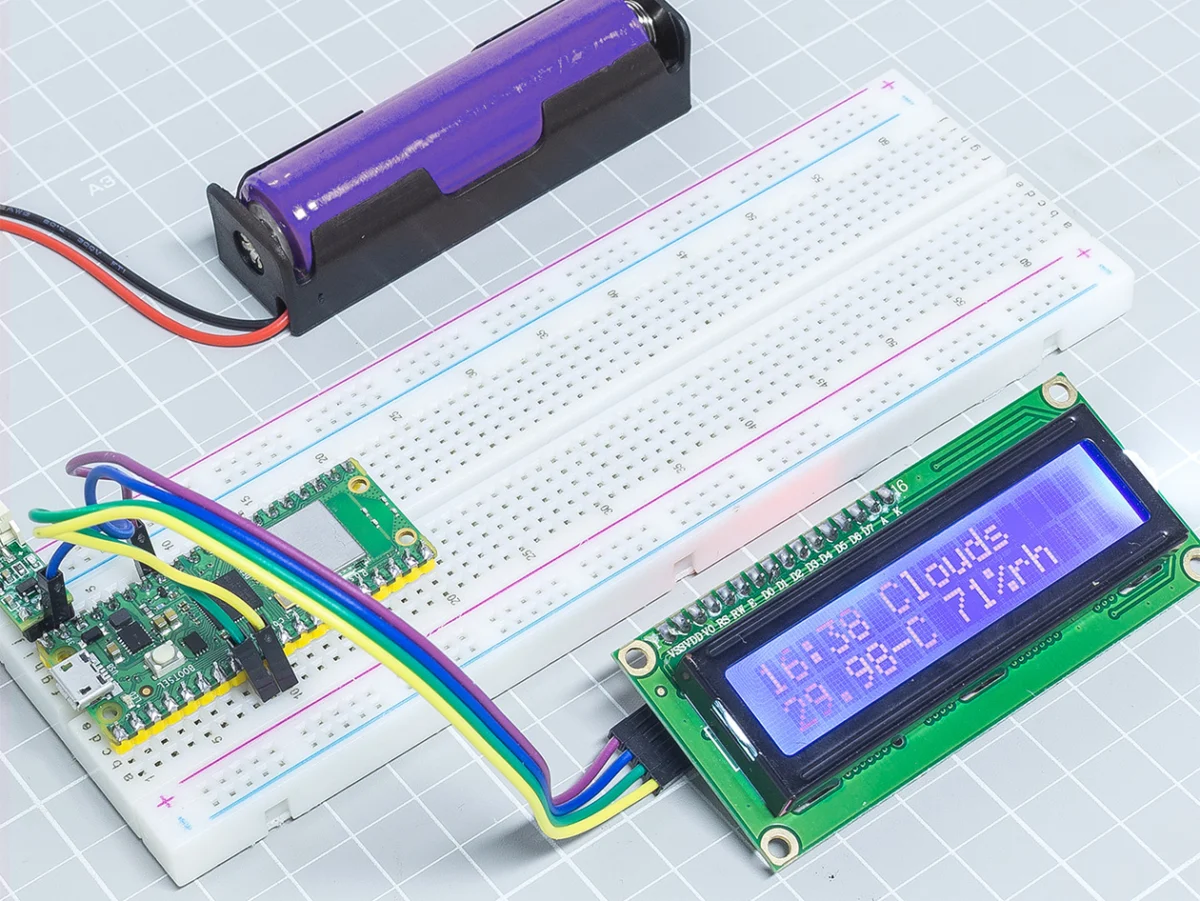
The SunFounder Raspberry Pi Pico With the Ultimate Starter Kit is emerging as a significant educational tool, aiming to democratize access to the burgeoning fields of microcontroller programming and the Internet of Things (IoT) for a wide age range, starting from eight years old. This comprehensive kit, currently available for a limited-time price of $65, is designed to provide an immersive and engaging learning environment through a vast array of components and expertly curated project-based content. The offering is part of the "good-deals-on-cool-stuff" initiative, a segment of the Techdirt Deals Store, which focuses on bringing accessible technology and educational resources to consumers.
Unpacking the Educational Powerhouse: Components and Curriculum
At the core of the SunFounder Raspberry Pi Pico Ultimate Starter Kit lies its impressive scale and scope. The kit boasts over 450 individual components, a figure that underscores the depth and breadth of practical learning opportunities it presents. These components are not merely decorative; they form the building blocks for an ambitious 117 distinct projects. This extensive project catalog is designed to guide learners through an increasingly complex set of skills, starting with fundamental electronic concepts and progressing to sophisticated IoT applications.
The pedagogical approach is heavily emphasized, with the kit featuring 27 video lessons developed by renowned educator Paul McWhorter. McWhorter’s expertise in simplifying complex technical subjects is a key selling point, aiming to demystify microcontroller programming and IoT principles for absolute beginners. The video format is crucial for online learning, allowing individuals to follow along at their own pace and visually grasp the practical implementation of coding and hardware integration. This multi-modal learning strategy—combining hands-on component manipulation with expert-led video instruction—is recognized for its efficacy in technical education.
The hardware included in the kit is diverse, encompassing a wide spectrum of electronic elements essential for IoT development. This includes various sensors designed to detect environmental conditions such as temperature, light, and motion; actuators, which allow projects to perform physical actions like controlling motors or displaying information; a multitude of Light Emitting Diodes (LEDs) for visual feedback and display; and Liquid Crystal Displays (LCDs) for more complex data output. This comprehensive selection of hardware empowers users to experiment freely, fostering creativity and encouraging the development of personalized projects beyond the guided curriculum. The sheer volume and variety of components suggest a long-term learning trajectory, capable of supporting a user’s development for an extended period.
Programming Versatility: Catering to All Skill Levels
A significant aspect of the SunFounder kit’s appeal is its support for multiple programming languages. This flexibility ensures that the kit remains relevant and accessible to individuals with different levels of prior coding experience. The kit explicitly supports MicroPython, C/C++, and Piper Make.
- MicroPython: This Python 3 implementation for microcontrollers is known for its readability and ease of use, making it an ideal starting point for beginners. Its syntax is similar to standard Python, a language widely taught and used in introductory programming courses. This choice lowers the barrier to entry for younger learners or those new to coding.
- C/C++: For more advanced users or those looking to gain deeper insights into low-level hardware interaction, the support for C/C++ is invaluable. These languages offer greater control over hardware resources and can lead to more performant code, crucial for resource-constrained embedded systems. Proficiency in C/C++ is a foundational skill for many embedded systems engineers and computer scientists.
- Piper Make: This visual programming interface is specifically designed to simplify coding for younger users or those who benefit from a block-based coding environment. Piper Make allows users to drag and drop code blocks to create programs, abstracting away much of the syntax complexity and enabling them to focus on logic and project functionality. This makes it particularly well-suited for the younger end of the target audience (ages 8 and up).
By accommodating these diverse programming environments, the kit fosters coding versatility. Learners can start with the more accessible MicroPython or Piper Make and gradually transition to C/C++ as their understanding and project ambitions grow. This adaptability is key to providing a sustained educational experience that evolves with the user.
Beyond the Components: Support and Community
The educational journey with the SunFounder kit is further bolstered by dedicated technical support and access to a vibrant online community. This dual support system is critical for tackling the inevitable challenges that arise during hands-on learning with electronics and programming. Technical support typically provides a direct line to assistance for troubleshooting hardware issues or clarifying complex code snippets.
The online community aspect is equally, if not more, important in the context of maker culture and STEM education. Online forums, dedicated social media groups, and project-sharing platforms allow users to connect with peers, share their creations, seek advice, and learn from the experiences of others. This collaborative environment can significantly accelerate learning, provide inspiration, and foster a sense of belonging among learners. The "vibrant online community" suggests an active ecosystem where users can find solutions to common problems, discover new project ideas, and engage in peer-to-peer learning, which is often more effective and engaging than solitary study.
Contextualizing the Offer: The Rise of DIY Electronics and IoT Education
The emergence of kits like the SunFounder Raspberry Pi Pico Ultimate Starter Kit is indicative of broader trends in education and technology. The Internet of Things (IoT) is no longer a niche concept; it is rapidly integrating into everyday life, from smart homes and wearable technology to industrial automation and smart cities. Consequently, there is a growing demand for individuals with the skills to develop, manage, and secure IoT systems.
Educational institutions and parents alike are increasingly recognizing the importance of introducing children and young adults to STEM fields at an early age. Hands-on learning experiences, particularly those involving coding and electronics, are proving to be highly effective in building critical thinking, problem-solving, and computational skills. The Raspberry Pi platform, in particular, has become a cornerstone of accessible computing education due to its low cost, versatility, and extensive community support.

The Raspberry Pi Pico, the microcontroller at the heart of this kit, is a low-cost, high-performance microcontroller board with flexible digital interfaces. Its release in January 2021 marked a significant step for Raspberry Pi Computing, expanding its reach from single-board computers into the microcontroller space. The "W" in "Raspberry Pi Pico W" signifies its integrated wireless connectivity (Wi-Fi and Bluetooth), a crucial feature for IoT applications, enabling devices to connect to networks and communicate with other devices. This connectivity aspect is central to the IoT learning experience that the SunFounder kit aims to provide.
Analysis of Implications: Bridging the Skills Gap
The availability of such comprehensive and affordably priced starter kits has several important implications:
- Democratization of Skills: By lowering the cost and complexity barrier, these kits make advanced technical education accessible to a broader demographic, potentially reaching underserved communities or individuals who might not otherwise have access to specialized training.
- Future Workforce Development: Kits like this play a role in cultivating the next generation of engineers, programmers, and innovators. Early exposure to microcontroller programming and IoT concepts can inspire career paths in rapidly growing technological sectors.
- Enhanced Learning Outcomes: The project-based, hands-on approach, combined with expert guidance and community support, is likely to lead to more robust understanding and retention of technical concepts compared to traditional theoretical learning.
- Fostering Innovation: By empowering individuals to create their own connected devices, these kits can foster a culture of innovation and entrepreneurship, leading to new applications and solutions for real-world problems.
The current pricing of $65 for such an extensive kit, especially for a limited time, represents a significant value proposition. It allows individuals or institutions to invest in a comprehensive learning resource without substantial financial outlay. This promotional pricing strategy is common for educational tech products, aiming to encourage adoption and build market presence.
Technical Specifications and Support Structure
While the article focuses on the educational benefits, a brief look at the underlying technology is warranted. The Raspberry Pi Pico W is powered by the RP2040 microcontroller chip, designed by Raspberry Pi in the UK. The RP2040 features a dual-core ARM Cortex-M0+ processor, a large on-chip RAM, and a programmable I/O (PIO) subsystem. The Pico W adds a CYW43439 wireless chip, providing 2.4GHz Wi-Fi and Bluetooth connectivity. This combination of processing power, memory, and wireless capability makes it a potent platform for a wide range of embedded and IoT projects.
The SunFounder kit’s structure, with its emphasis on over 450 components, suggests that it includes not only the Raspberry Pi Pico W board itself but also a vast array of breadboards, jumper wires, resistors, capacitors, buttons, potentiometers, various types of sensors (e.g., temperature, humidity, light, ultrasonic), actuators (e.g., servo motors, DC motors), displays (LCD, OLED), and power management components. The inclusion of a high-quality carrying case or storage solution is also often a feature of such comprehensive kits, aiding in organization and longevity of the components.
The "dedicated technical support" framework typically involves a support portal on the vendor’s website, email-based assistance, and potentially a knowledge base or FAQ section. For a product targeting beginners, the responsiveness and clarity of this support are paramount. The "vibrant online community" could manifest as official forums hosted by SunFounder or Raspberry Pi, dedicated subreddits, or active Discord servers where users can engage in real-time discussions and seek peer assistance.
Broader Impact and Future Outlook
The SunFounder Raspberry Pi Pico With the Ultimate Starter Kit represents more than just a collection of electronic parts; it is a gateway to understanding and shaping the increasingly connected world. As IoT technology continues to evolve and permeate more aspects of our lives, the demand for skilled individuals in this domain will only grow. Kits like this are crucial in building that pipeline of talent, making complex technologies approachable and fostering a generation of creators and problem-solvers.
The educational sector, in particular, stands to benefit greatly from such accessible and engaging resources. Teachers can leverage these kits to supplement classroom learning, providing students with practical, project-based experiences that reinforce theoretical concepts. For homeschooling families or independent learners, these kits offer a structured and comprehensive pathway to acquiring valuable technical skills.
The current limited-time offer of $65 underscores the competitive nature of the educational technology market. Companies are striving to make these learning tools as accessible as possible to maximize their reach and impact. This aggressive pricing strategy is beneficial for consumers, allowing them to acquire high-quality educational resources at a significantly reduced cost.
In conclusion, the SunFounder Raspberry Pi Pico With the Ultimate Starter Kit appears to be a well-conceived and robust educational offering. By combining an extensive component selection, a rich project catalog, expert-led instruction, multi-language programming support, and strong community engagement, it aims to provide an unparalleled learning experience for aspiring makers and future technologists. Its current price point makes it an even more compelling opportunity for individuals and institutions looking to dive into the exciting world of microcontrollers and the Internet of Things.


 Joko Widodo
 admin
admin
 Nila Kartika Wati
 Lina Irawan
 Yuyun Lusiyani
 Pevita Pearce