Lina Irawan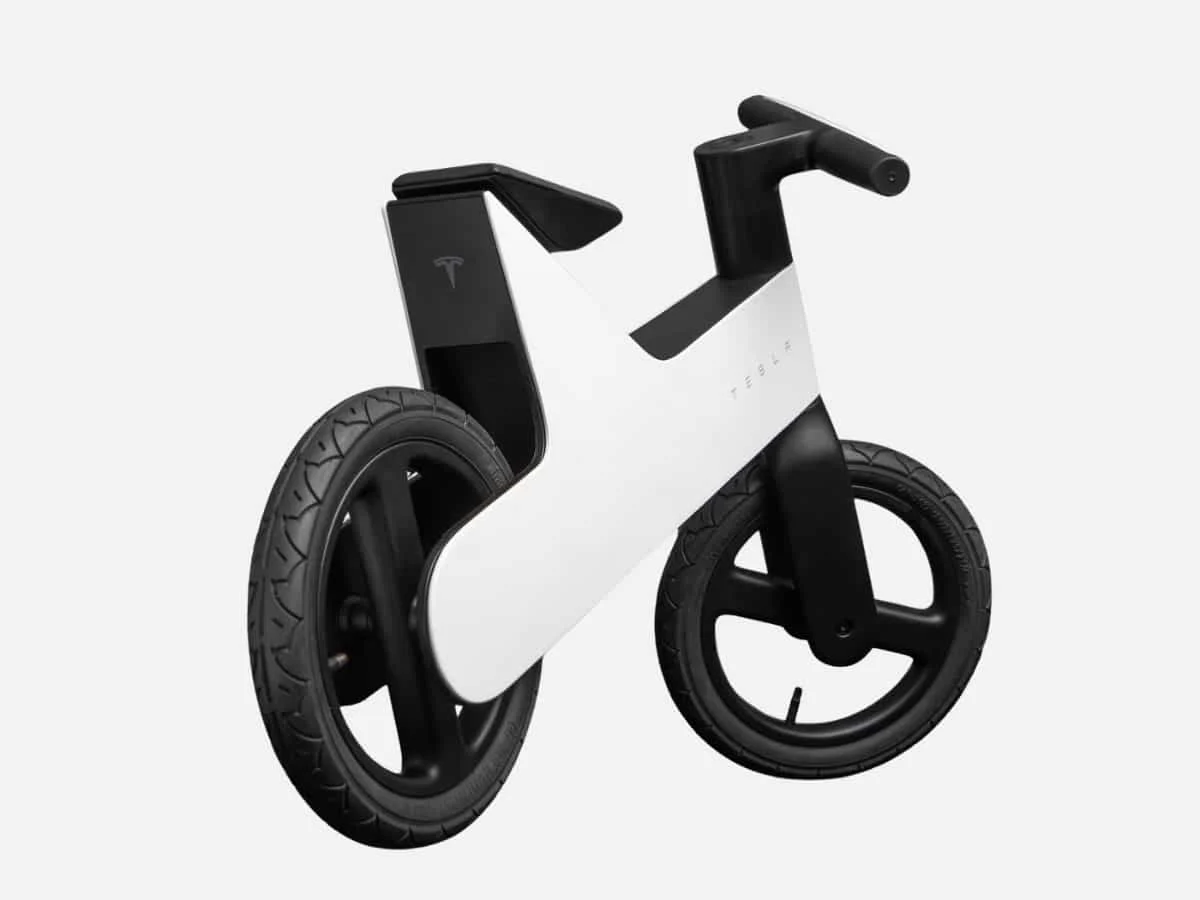
Tesla has officially expanded its portfolio of unconventional lifestyle products with the announcement of the Tesla Balance Bike for Kids, a human-powered vehicle designed to introduce the youngest demographic to the brand’s minimalist aesthetic. Marking a departure from the company’s signature high-capacity lithium-ion batteries and complex Autopilot software, this new offering relies entirely on the kinetic energy of its rider. The product is scheduled for a global preorder launch on July 31, positioned as a premium entry-point into the Tesla ecosystem for children aged three and older.
The introduction of the balance bike follows a established pattern of Tesla diversifying into the toy and lifestyle sectors, often leveraging its brand prestige to command premium pricing for non-automotive goods. While the company is primarily known for its Model 3, Model Y, and Cybertruck vehicles, it has consistently released "easter egg" products that cater to its fervent fanbase. This latest addition is an evolution of that strategy, focusing on the developmental stages of early childhood mobility.
Engineering the Playground: Design and Materiality
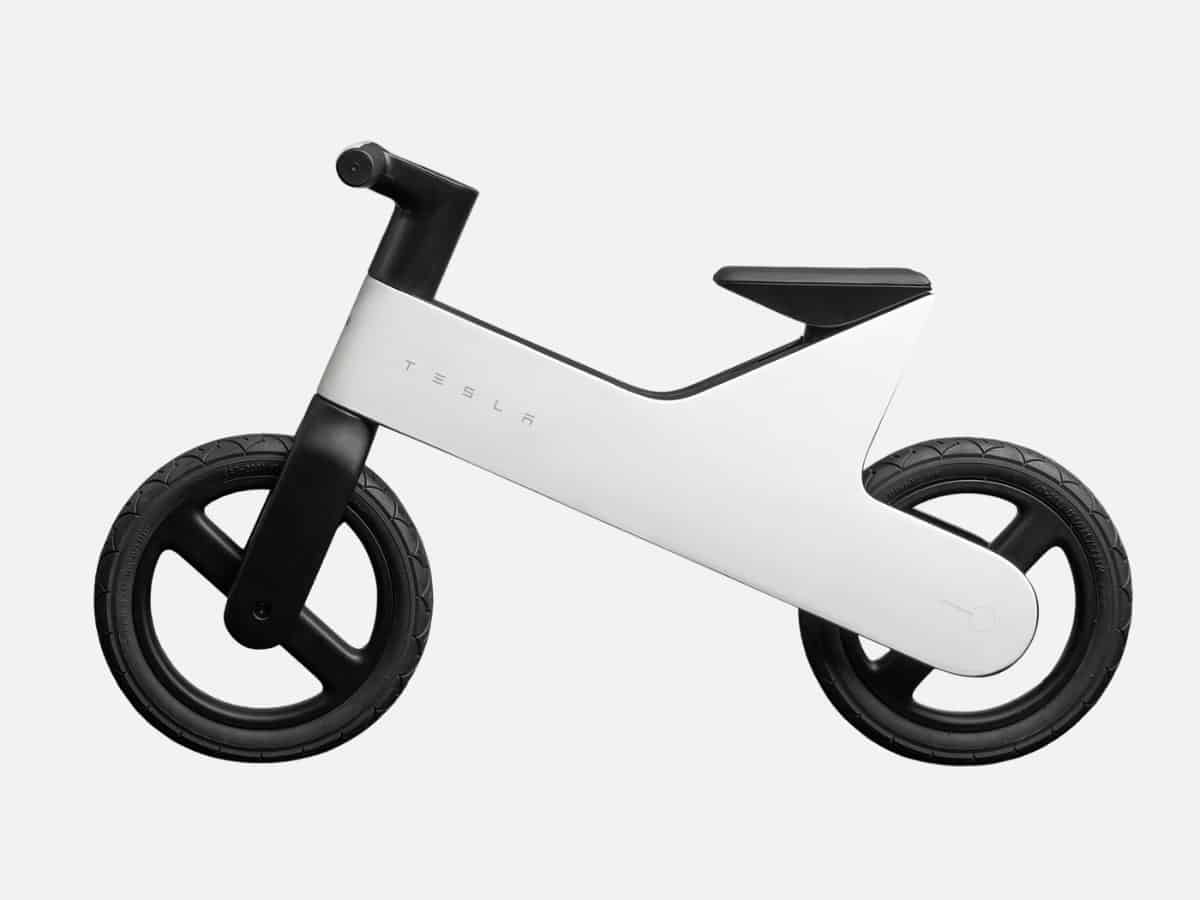
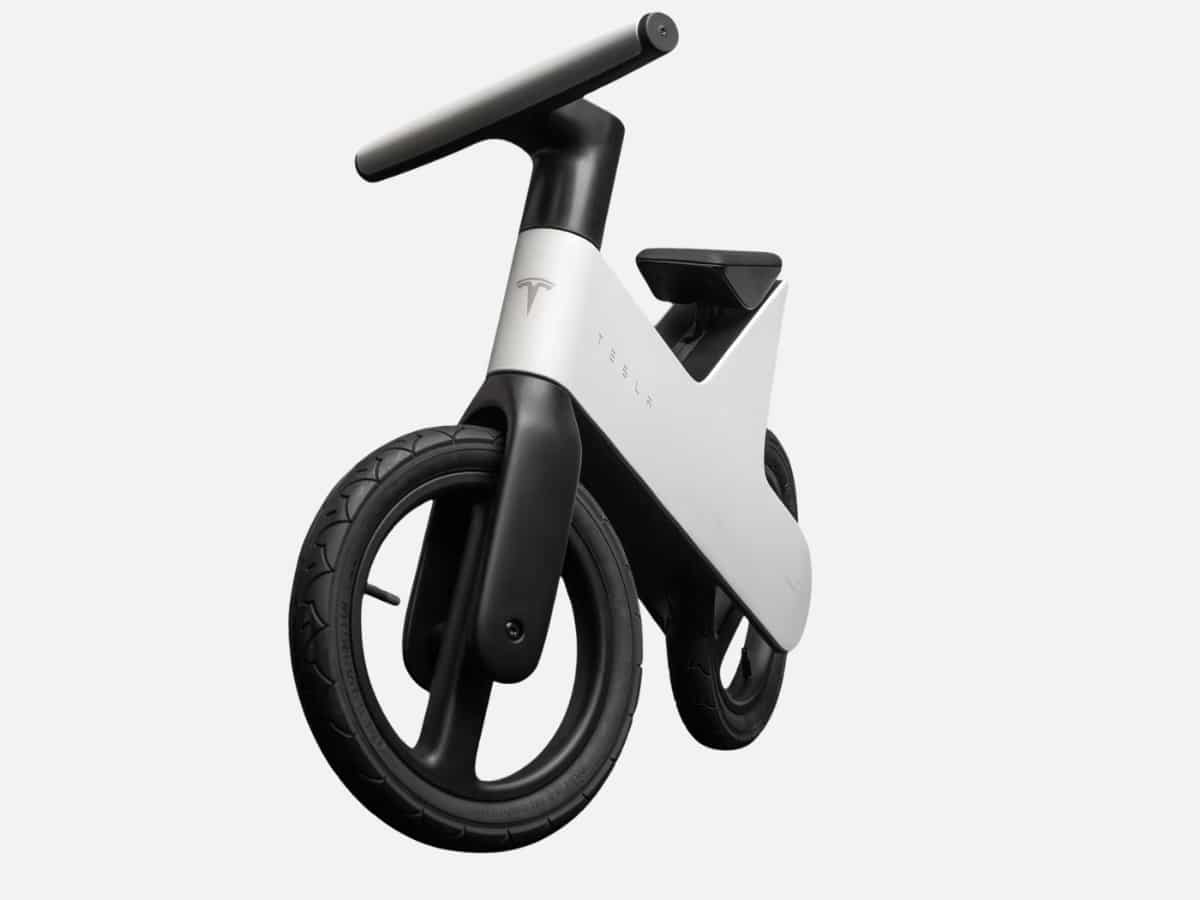
The Tesla Balance Bike for Kids is characterized by a sleek, monochromatic design language that mirrors the interior and exterior styling of the Tesla Model S and Model X. The frame is constructed from a lightweight magnesium alloy, a material choice that balances structural integrity with ease of handling for small children. Magnesium is frequently utilized in high-end cycling and aerospace applications due to its high strength-to-weight ratio and its ability to dampen vibrations, providing a smoother ride on uneven playground surfaces.
Aesthetically, the bike features a white-and-black color scheme, with enclosed side panels that give the frame a solid, futuristic silhouette. Unlike traditional bicycles that utilize exposed tubular frames, the Tesla bike opts for a more sculptural approach. The company’s "T" logo is prominently displayed on the front head tube, while the full Tesla wordmark is stamped along the side panels, ensuring the brand identity is unmistakable.
The bike is a "balance" model, meaning it lacks pedals, a chain, and a drivetrain. This design philosophy is rooted in modern early-childhood pedagogy, which suggests that children learn to ride bicycles more effectively by first mastering balance and steering rather than pedaling. By removing the complexity of gears and pedals, the Tesla Balance Bike allows toddlers to focus on their center of gravity, using their feet to propel themselves and stop.
Technical Specifications and Ergonomic Considerations
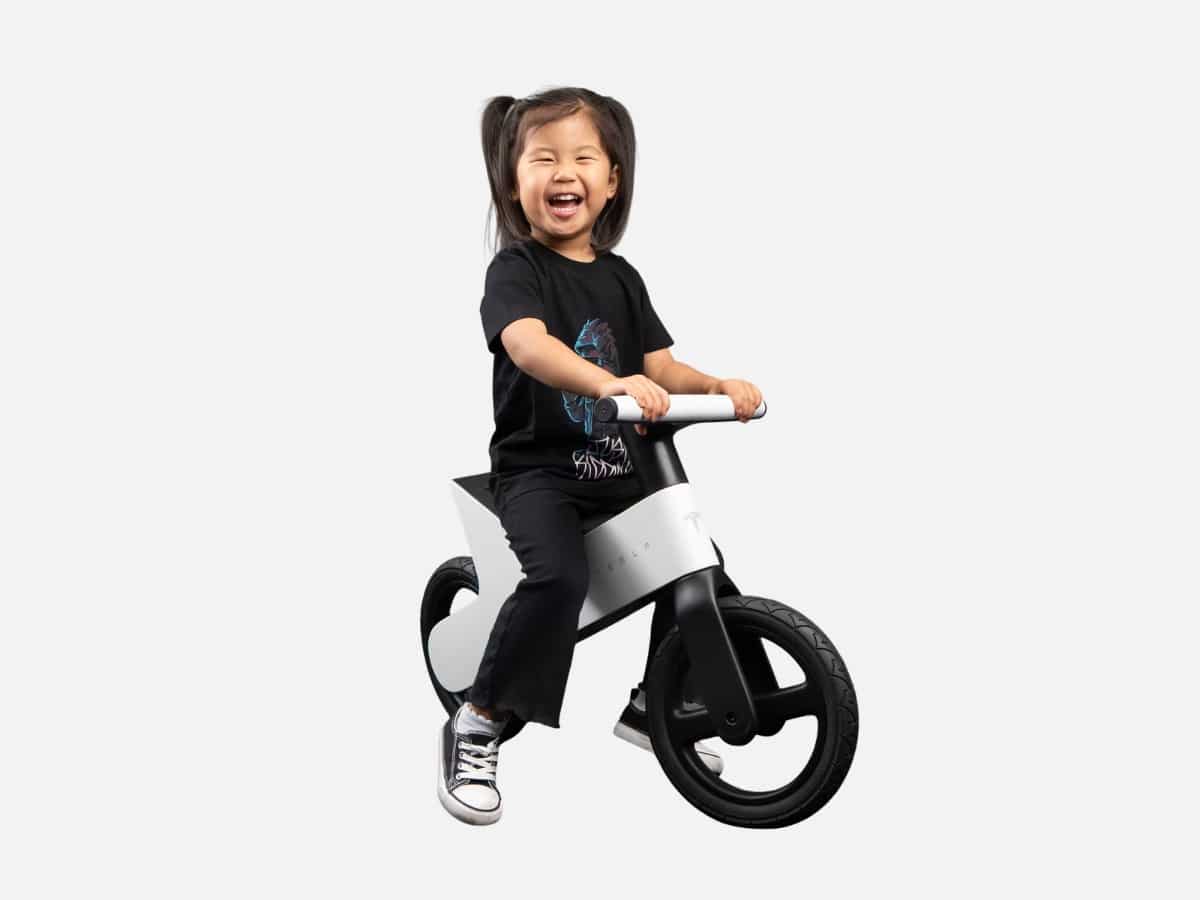
Despite its lack of electronic components, the Tesla Balance Bike has been engineered with specific ergonomic parameters to accommodate growing children. The vehicle features five adjustable seat-height levels, allowing the bike to grow alongside the child. According to the product specifications, the bike requires a minimum rider leg length of 35 centimeters to ensure the child can safely touch the ground with both feet—a critical safety requirement for balance bikes.
The weight limits are strictly defined to maintain the structural integrity of the magnesium frame. Tesla recommends a rider weight limit of 30 kilograms (approximately 66 pounds), with an absolute maximum structural capacity of 35 kilograms (approximately 77 pounds). These limits effectively restrict the bike’s use to toddlers and very young children, reinforcing its status as a foundational developmental tool rather than a long-term utility vehicle.

Assembly is designed to be user-friendly, with Tesla including the necessary tools in the box. In a nod to the company’s automotive delivery process, the bike arrives partially assembled, requiring the parent to secure the handlebars and adjust the seat height before the "drivetrain"—the child—can take control.
Market Positioning: The Premium Toy Sector
Priced at USD $225, the Tesla Balance Bike sits at the higher end of the youth bicycle market. For comparison, entry-level balance bikes from established toy manufacturers often retail between $50 and $100. By pricing the product at over $200, Tesla is targeting a specific consumer segment: the brand loyalist who views the purchase as both a functional toy and a lifestyle statement.
The premium pricing is consistent with Tesla’s previous youth-oriented releases. For example, the Tesla Cyberquad for Kids, which featured a 36V lithium-ion battery and a top speed of 10 mph, retailed for $1,900. By offering a non-electric balance bike at a lower (though still premium) price point, Tesla is lowering the barrier to entry for brand-affiliated merchandise while maintaining a "luxury" aura.
Industry analysts suggest that such products serve a dual purpose. First, they generate immediate revenue with high profit margins due to the lack of expensive battery technology. Second, they act as long-term brand-building tools. By placing a Tesla-branded product in the hands of a three-year-old, the company is cultivating brand recognition and loyalty decades before that child will be in the market for a full-sized electric vehicle.

A Chronology of Tesla’s Lifestyle Expansion
The release of the Balance Bike is the latest chapter in a decade-long history of Tesla-branded lifestyle products. This chronology highlights the company’s shift from a niche automaker to a global lifestyle brand:
- 2016: Tesla collaborated with Radio Flyer to release the "Model S for Kids," a battery-powered ride-on car that featured working headlights and an MP3 sound system.
- 2020: The company famously released "Tesla Tequila," a premium spirit housed in a lightning-bolt-shaped bottle, which sold out within hours of its debut.
- 2021: The "Cyberquad for Kids" was launched, inspired by the design of the Cybertruck. Despite a later recall due to safety standard issues related to youth ATVs, the product remains a highly sought-after collector’s item.
- 2022: Tesla introduced the "Cyberwhistle," a medical-grade stainless steel whistle modeled after the Cybertruck, priced at $50.
- 2024: The announcement of the Tesla Balance Bike for Kids marks the brand’s first foray into non-motorized youth transport.
This timeline demonstrates a strategic move to capture "mindshare" across various age groups and lifestyle categories. The Balance Bike fills a gap in the portfolio, targeting the 3-to-5-year-old demographic that had previously aged out of the smallest ride-on toys but was too young for the Cyberquad.
Strategic Brand Integration and Consumer Reaction
The reaction from the Tesla community has been largely positive, though tempered by discussions regarding the price point. On social media platforms and Tesla owner forums, enthusiasts have noted that the bike is an ideal "companion piece" for owners of the Model Y or Model 3. The ability to match a child’s toy to the parent’s vehicle is a powerful marketing tool that leverages the "mini-me" trend prevalent in luxury consumer goods.
From a strategic standpoint, the bike requires no over-the-air (OTA) updates, no Supercharging infrastructure, and no complex service centers. This makes it a low-risk product for Tesla to maintain. The "zero emissions" marketing, while tongue-in-cheek in the context of a pedal-less bike, aligns with the company’s broader mission to accelerate the world’s transition to sustainable energy—or in this case, sustainable play.
However, some critics argue that the product is a distraction from Tesla’s core mission of delivering mass-market electric vehicles and solving autonomous driving. These critics point out that while the balance bike is a high-margin accessory, it does little to address the competitive pressures Tesla faces from Chinese EV manufacturers and traditional automakers.
Logistics of Launch and Global Availability
Preorders for the Tesla Balance Bike for Kids are set to open on July 31 through the official Tesla online shop. Initial availability is expected to be concentrated in the North American market, following the pattern of previous merchandise launches.
While the USD $225 price has been confirmed for the United States, pricing for international markets, including Australia, Europe, and China, has not yet been finalized. In the past, Tesla merchandise has seen significant markups in secondary markets, with items like the Cyberwhistle and Tesla Tequila bottles frequently appearing on auction sites for several times their original retail value. It is expected that the Balance Bike may follow a similar trajectory among collectors.
Conclusion: The Future of the Tesla Ecosystem
The Tesla Balance Bike for Kids is more than a simple toy; it is a calculated piece of industrial design intended to integrate the brand into the daily lives of families. By utilizing high-quality materials like magnesium and adhering to a strict minimalist aesthetic, Tesla has created a product that feels like a natural extension of its automotive lineup.
As the company continues to navigate the complexities of the global EV market, these lifestyle products provide a unique way to maintain brand relevance and consumer engagement. Whether the bike becomes a staple of suburban playgrounds or remains a niche collector’s item for Tesla enthusiasts, it represents the company’s ongoing ambition to be a ubiquitous presence in the transition toward a design-conscious, sustainable future—one toddler at a time.


 Jia Lissa
 Yuyun Lusiyani
 Joko Widodo
 Eva Lovia