Yuyun Lusiyani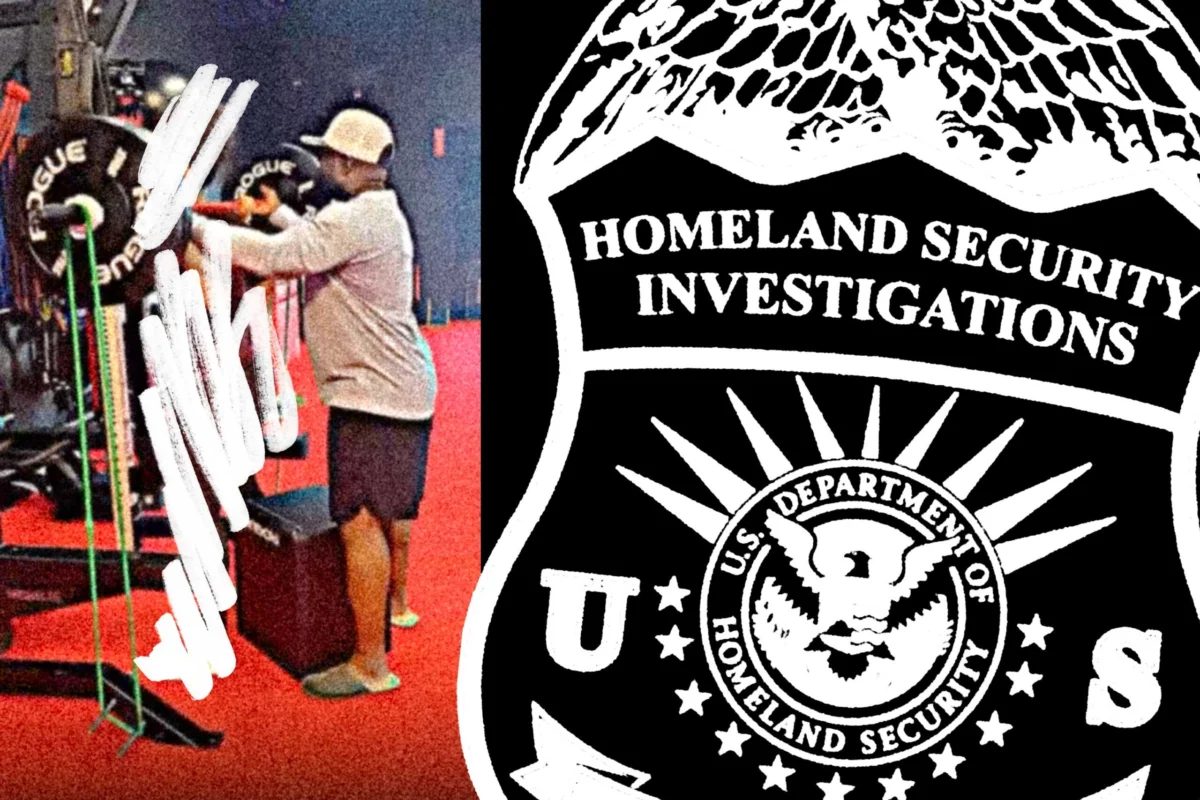
A Texas volleyball coach, Ryan Richardson, who was the subject of an extensive investigation last month by ProPublica and The Washington Post, is now facing a federal child exploitation probe. This significant development comes as Homeland Security Investigations (HSI), the principal investigative arm of the Department of Homeland Security, has formally launched an inquiry into the allegations that have rocked the youth sports community in the Rio Grande Valley. The federal investigation underscores the gravity of the accusations and the potential for a broader legal response beyond the purview of sports governing bodies and local law enforcement.
The initial report by ProPublica and The Washington Post meticulously detailed how Richardson continued to coach teenage girls for several years at his gym in Pharr, Texas, amidst a growing number of misconduct allegations. These activities persisted even after he was suspended in early 2024 by Lone Star Region Volleyball and subsequently declared "permanently ineligible" in February by the U.S. Center for SafeSport. SafeSport, an independent oversight group dedicated to protecting athletes from abuse in sport, publicly listed its findings against Richardson, which included engaging in an intimate relationship with a minor, committing sexual misconduct involving a minor, and perpetrating physical misconduct and bullying. These severe findings by SafeSport highlight a pattern of alleged abuse that spans multiple categories of misconduct, triggering widespread concern within the athletic community and among parents.
The Catalyst: Federal Intervention by Homeland Security Investigations
The federal probe was directly initiated in response to the revelations brought forth by the ProPublica and Washington Post story. Juan J. Flores Jr., a supervisor within a Homeland Security Investigations unit specializing in child exploitation in the Rio Grande Valley, confirmed the launch of the investigation. Flores conveyed to the news organizations that the story, which included compelling allegations from a parent and former players, served as the direct impetus for federal action. These allegations detailed a sexual relationship between Richardson and a 16-year-old player that purportedly began in 2022, alongside claims that he engaged in grooming behaviors and subjected other players to emotional and physical abuse. The intervention of a federal agency like HSI signals a shift in the investigative landscape, bringing national resources and a distinct legal framework to bear on a case that had previously been handled at regional and local levels.
"My plan is to turn over every rock, have every conversation. I know he’s still coaching," Flores stated, indicating the comprehensive and resolute nature of the federal inquiry. This commitment suggests an exhaustive investigation into all facets of the allegations, including Richardson’s continued involvement in coaching activities despite the severe sanctions imposed by SafeSport. The Department of Homeland Security, through a spokesperson, affirmed HSI’s global leadership in the fight against child exploitation but, in line with standard protocol, declined to confirm or deny specific ongoing investigations. However, the explicit confirmation from Flores Jr. underscores the seriousness with which these allegations are now being treated at a federal level.
A Disturbing Timeline of Allegations and Responses
The chronology of events leading to the federal probe paints a troubling picture of alleged misconduct, delayed reporting, and varied institutional responses:
- Summer 2022: The alleged sexual relationship between Ryan Richardson and a 16-year-old player reportedly commenced. During this period, Maggie Gutierrez, the mother of the former player, discovered Richardson alone with her then 16-year-old daughter in a dimly lit back room of his gym, which notably contained a twin mattress. Gutierrez observed Richardson turning his back to her, seemingly tying up the string of his pants. At the time, both Richardson and Gutierrez’s daughter denied any inappropriate conduct had occurred.
- August 2022 – May 2023: Snapchat messages obtained as part of SafeSport’s investigation reveal intimate exchanges between Richardson and the player. In August 2022, when the girl was 16, messages showed them exchanging "I love yous" and planning future meetings. By May 2023, when the girl was 17, Richardson explicitly wrote, "I don’t like that we are only sex right now so I really would love to get past this high school Shit when you are on your own pretty much." These messages serve as critical evidence, highlighting the alleged nature and progression of their relationship.
- Early 2024: After her daughter’s college volleyball coach expressed concerns about Richardson and her then 18-year-old daughter dating, Maggie Gutierrez approached local police departments in Pharr and McAllen. Despite her efforts, police declined to pursue the case. Their reasoning, as detailed in an excerpt from a McAllen police report, was that her daughter, being 18, was considered an adult under Texas law and had the right to consent, and she did not wish to speak with police officers. This decision effectively closed the local police investigation.
- Early 2024: Richardson was initially suspended by Lone Star Region Volleyball, the organization overseeing volleyball activities in Texas. In response to the allegations at the time, Richardson vehemently denied wrongdoing, telling the local news website MyRGV that the complaints were an attempt to "retaliate and defame someone’s character." He further asserted that he "would never do anything to risk the physical or mental wellbeing of these strong young ladies."
- February 2024: USA Volleyball, the sport’s national governing body, upheld Richardson’s suspension, signaling a collective effort by sports organizations to address the allegations.
- February 2024: The U.S. Center for SafeSport ruled Richardson "permanently ineligible" after conducting its own thorough investigation. Their findings, publicly listed, explicitly detailed an intimate relationship with a minor, sexual misconduct involving a minor, physical misconduct, and bullying. This ruling is the most severe sanction SafeSport can impose.
- Last Month (relative to the original article’s publication): ProPublica and The Washington Post published their collaborative investigative report, bringing the full scope of the allegations and institutional responses to a national audience.
- Last Week (relative to the original article’s publication): Maggie Gutierrez, the mother who initially reported her concerns, spoke with the Homeland Security investigator, indicating the active progression of the federal inquiry.
- Present: Homeland Security Investigations launches a full-scale federal child exploitation probe, explicitly stating its intent to also examine the actions of the Pharr and McAllen police departments that declined to investigate the initial reports.
The Role of SafeSport and Youth Sports Governance
The U.S. Center for SafeSport plays a critical role in safeguarding athletes. Established by Congress in 2017 in the wake of the Larry Nassar scandal, SafeSport is an independent nonprofit organization tasked with developing policies, procedures, and training to prevent abuse in sport. It serves as the exclusive authority to respond to allegations of sexual abuse and sexual misconduct within the U.S. Olympic and Paralympic Movement. When allegations against Richardson were brought to Lone Star, the regional arm of USA Volleyball, officials appropriately referred the matter to SafeSport, which then opened its own investigation.
SafeSport’s "permanently ineligible" ruling against Richardson carries significant weight. It means he is barred indefinitely from participating in any capacity in sports governed by the U.S. Olympic and Paralympic Committee, including USA Volleyball and its regional affiliates. The public disciplinary list maintained by SafeSport provides transparency, allowing parents and athletes to check the eligibility status of coaches and staff. This mechanism is crucial for preventing individuals with a history of misconduct from simply moving to another club or sport undetected.
USA Volleyball, as the national governing body for the sport, and Lone Star Region Volleyball, its regional affiliate, are bound by SafeSport’s directives and are responsible for enforcing its rulings. Their initial suspension of Richardson and USA Volleyball’s subsequent upholding of that suspension demonstrate adherence to these protocols. However, the lingering question of Richardson potentially continuing to coach in some capacity, as alluded to by HSI’s Flores, highlights a persistent challenge in the landscape of youth sports: how to effectively enforce bans and prevent sanctioned individuals from operating outside of officially sanctioned organizations.
Local Law Enforcement’s Decision Under Scrutiny
The decision by Pharr and McAllen police departments to decline investigation into Maggie Gutierrez’s initial reports is now a focal point of the federal inquiry. The police cited Texas law, which considers an 18-year-old an adult with the right to consent, and the daughter’s unwillingness to speak with officers, as reasons for not pursuing the case. This legal interpretation, while factually correct regarding the age of majority and consent in Texas, contrasts sharply with the federal approach to child exploitation, particularly in cases involving grooming or relationships of power dynamics.
Federal child exploitation laws often have broader applicability, especially when considering interstate commerce (e.g., online communications, travel for sports events) or patterns of abuse that may cross state lines or involve federal elements. Furthermore, the concept of "grooming"—a systematic process by which an abuser establishes an emotional connection and trust with a child or their family to facilitate sexual abuse—is a critical component of federal investigations into child exploitation, irrespective of the victim’s age at the point of reporting or their immediate willingness to testify. Flores’s stated intent to "also involve looking into the actions of both police departments that declined to pursue a case against Richardson" indicates a potential federal review of how local law enforcement handled the initial reports, possibly identifying gaps or discrepancies in their understanding or application of relevant statutes concerning child exploitation. Police in Pharr and McAllen have not responded to requests for comment regarding this aspect of the federal probe.
Broader Implications for Athlete Safety and Reporting Mechanisms
This case brings to the forefront several critical issues surrounding athlete safety, reporting mechanisms, and the intricate jurisdictional landscape of child abuse investigations.
- The Power Dynamic of Coaching: The allegations against Richardson underscore the inherent power dynamic between coaches and young athletes. Coaches are often figures of authority, trust, and mentorship, making athletes particularly vulnerable to exploitation. Grooming, as alleged in this case, exploits this trust, gradually manipulating the victim into a dependent or complicit relationship.
- Challenges for Victims to Come Forward: The reluctance of the then 18-year-old daughter to speak with local police highlights the immense psychological barriers victims face in reporting abuse, especially when it involves a trusted adult or a relationship they may have felt conflicted about. Fear of judgment, retaliation, shame, and trauma can significantly delay or prevent victims from seeking justice. This reality often requires a more nuanced and victim-centered approach from law enforcement, rather than a sole reliance on immediate victim cooperation.
- The Role of Investigative Journalism: The ProPublica and Washington Post investigation proved instrumental in elevating this case from local complaints and sports-governing body sanctions to a federal criminal inquiry. This demonstrates the vital role of independent journalism in uncovering systemic issues and holding individuals and institutions accountable, particularly when initial responses from traditional authorities may be deemed insufficient.
- Gaps in the Safeguarding System: The differing responses from local police and SafeSport, followed by the federal intervention, expose potential gaps or disconnections in the broader safeguarding system for youth athletes. While SafeSport addresses misconduct within the sports ecosystem, criminal prosecution falls to law enforcement. The federal probe’s examination of local police actions could lead to recommendations for improved training, inter-agency communication, and a more comprehensive understanding of child exploitation statutes among local authorities.
- The Need for Robust Safeguards: This incident reinforces the ongoing need for rigorous background checks, mandatory reporting policies, and continuous education for coaches, administrators, parents, and athletes on recognizing, preventing, and reporting abuse. Ensuring that sanctions from bodies like SafeSport are effectively enforced and that individuals deemed ineligible cannot simply move to operate outside of regulated sports is a persistent challenge that requires collective vigilance and potentially stronger legislative measures.
The federal child exploitation probe into Ryan Richardson marks a significant escalation in a case that has already drawn national attention to the critical issue of athlete safety. The investigation by Homeland Security Investigations promises a thorough and extensive examination, potentially bringing federal charges against Richardson and shedding light on the effectiveness of existing reporting and enforcement mechanisms. For the victims and their families, it represents a renewed hope for justice, while for the broader youth sports community, it serves as a stark reminder of the continuous need for unwavering commitment to safeguarding children.

 admin
admin
 Lina Irawan
 Nana Wu
 Joko Widodo