
 Eva Lovia
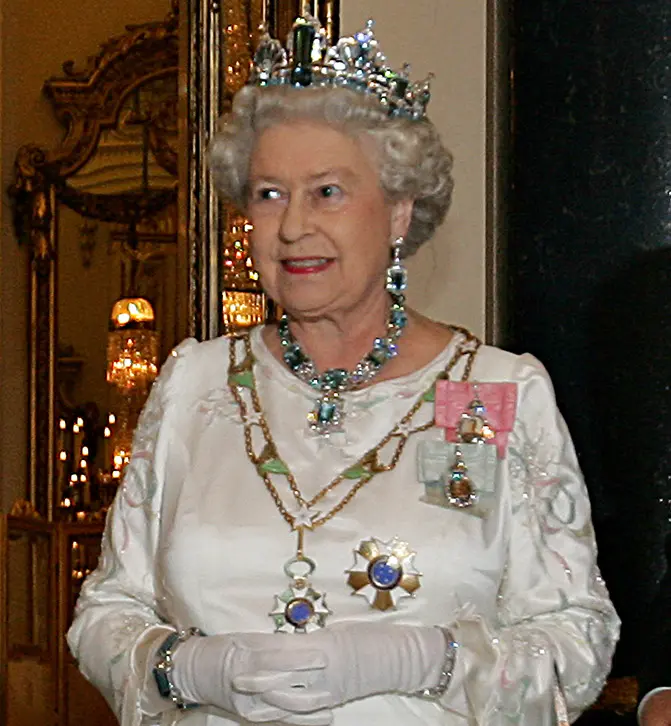
The Aquamarine Parure, a magnificent collection of jewels that began as a coronation gift, has evolved into a profound symbol of diplomatic ties and enduring royal patronage. Over a remarkable 15-year period, Brazil’s contributions culminated in one of Queen Elizabeth II’s most celebrated and comprehensive parures, a dazzling testament to a unique relationship between a monarch and the people of a nation. Now, this collection of sparkling aquamarines and diamonds rests in the esteemed care of Queen Camilla. While Her Majesty has gracefully donned several tiaras reserved for queens, the Brazilian aquamarine set has, until now, remained exclusively within the personal collection of the late Queen Elizabeth II, a piece of history yet to be unveiled by a new sovereign.
A Gift of Friendship: The Genesis of the Parure
The story of the Aquamarine Parure commences in 1953, a pivotal year marked by Queen Elizabeth II’s coronation. On this momentous occasion, the President of Brazil, representing his nation, presented Her Majesty with the initial components of what would become the parure: a magnificent necklace and a pair of pendant earrings. The necklace itself was a masterpiece of design, featuring nine substantial, rectangular-cut aquamarines meticulously set amidst intricate diamond scrolls. A striking, large aquamarine pendant drop was a focal point, destined for a future transformation that would elevate its significance within the collection. This initial gift was not merely a diplomatic gesture; it was an expression of burgeoning goodwill and a shared appreciation for artistry and natural beauty, laying the foundation for a remarkable royal jewellery collection.
The significance of this gift can be understood within the broader context of post-war international relations. The early 1950s saw a concerted effort by nations to rebuild and strengthen diplomatic ties after the devastation of World War II. Brazil, a rising economic and cultural power in South America, sought to solidify its relationship with the newly crowned British monarch. The choice of aquamarine, a gemstone associated with clarity, calmness, and the sea, resonated with the oceanic connections between the two nations and symbolised a hopeful and serene future. The selection of the coronation year further underscored the importance of this gesture, aligning the gift with a moment of immense national pride and celebration for the United Kingdom.
The Evolution of a Tiara: A Collaborative Creation
The initial gifts were just the beginning. The Queen, clearly captivated by the beauty and symbolism of the aquamarines, engaged the renowned jewellers Garrard & Co. in 1957 to create a tiara that would complement her existing pieces. This exquisite tiara featured a bandeau crafted from a harmonious blend of aquamarines and diamonds. Three prominent, large aquamarines were strategically positioned upright at the front and on either side of the bandeau, each encircled by a delicate halo of diamonds. This addition marked a significant step in the parure’s development, transforming a collection of individual pieces into a cohesive and spectacular set of royal regalia.
The creation of the tiara was a significant undertaking for Garrard & Co., a jewellery house with a long-standing relationship with the British Royal Family. The design would have been meticulously planned to ensure it not only showcased the Brazilian aquamarines but also adhered to the established aesthetic principles of royal jewellery. The combination of the bandeau style with upright stones was a popular choice for tiaras of the era, offering both elegance and a commanding presence. The use of diamonds served to amplify the brilliance of the aquamarines, creating a dazzling effect that would be admired by dignitaries and the public alike.
Brazil’s continued generosity and commitment to this unique diplomatic jewellery project were evident in the subsequent years. In 1958, the parure was further enriched with the addition of a bracelet and a brooch, meticulously designed to harmonize with the existing necklace and earrings. These pieces, crafted with the same dedication to quality and aesthetic, solidified the parure’s status as a truly comprehensive and regal ensemble.
A Royal Tour and Further Embellishments
A pivotal moment in the history of the parure and the Anglo-Brazilian relationship occurred in November 1968, when Queen Elizabeth II embarked on her first State Visit to Brazil. This historic tour, spanning from November 5th to November 11th, saw the Queen visit several key cities, including Recife, Salvador, Brasília, São Paulo, and Rio de Janeiro. During her visit to São Paulo, the Governor of the state presented Her Majesty with further aquamarine and diamond hair ornaments, adding yet another layer of exquisite detail to the growing parure. This direct engagement with a Brazilian dignitary during a State Visit underscored the deep and ongoing nature of the friendship between the two nations.
The Queen’s itinerary during her 1968 visit was extensive, reflecting the importance of this landmark occasion. State Visits are meticulously planned affairs, involving a complex schedule of official ceremonies, diplomatic meetings, and cultural engagements. The Queen’s choice to wear pieces from the Brazilian Aquamarine Parure during these events would have been a deliberate and powerful visual statement, acknowledging the origin of the jewels and celebrating the partnership they represented. The impact of such a visible display of appreciation cannot be overstated; it would have resonated deeply with the Brazilian people and reinforced the positive image of the British monarchy on the international stage.
The Final Flourish: Reimagining the Tiara
The year 1971 marked a significant transformation for the aquamarine tiara. Her Late Majesty decided to incorporate the scroll-designed hair ornaments she had received in Brazil into the tiara’s structure. More notably, the central stone of the tiara was ingeniously replaced with the large, rectangular-cut pendant aquamarine that had originally dangled from the Brazilian aquamarine necklace. This masterful redesign not only enhanced the tiara’s visual appeal but also consolidated the most significant aquamarine stones into a single, breathtaking piece. This act of re-imagining demonstrated the Queen’s personal attachment to the parure and her desire to create a truly unique and iconic piece of royal jewellery.
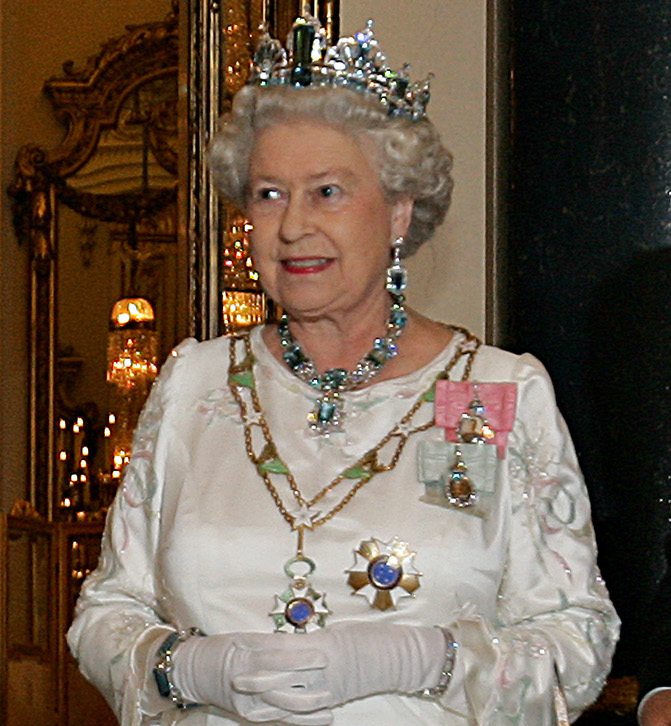
The refashioning of the tiara by Garrard & Co. would have involved skilled artisans carefully dismantling and reassembling the existing elements. The replacement of the central stone with the pendant aquamarine would have required precise calibration and setting to ensure structural integrity and aesthetic balance. This final modification cemented the tiara’s design, creating the spectacular piece that would become synonymous with Queen Elizabeth II and her connection to Brazil. The resulting tiara was a testament to both the original artistry and the Queen’s vision for its evolution.
A Reign of Elegance: The Parure in Use
Throughout her long and distinguished reign, Queen Elizabeth II wore the Brazilian Aquamarine Parure on numerous occasions, cementing its place as a cherished part of her personal collection. The parure, with its striking aquamarines and elegant diamond settings, was a versatile ensemble, suitable for a wide range of official engagements. Its presence at state banquets and other high-profile events underscored its importance as a symbol of royal splendour and diplomatic goodwill. One notable instance of its deployment was at the Spanish State Banquet in 2017, a high-stakes diplomatic event where the parure’s magnificence undoubtedly added to the grandeur of the occasion.
The consistent wearing of the parure served as a subtle yet powerful reminder of the enduring bond between the United Kingdom and Brazil. Each public appearance of the parure was a quiet affirmation of this relationship, a visual dialogue between two nations through the medium of exquisite craftsmanship and royal patronage. The jewels became inextricably linked with the Queen’s image, representing not just her personal style but also her dedication to international diplomacy and her appreciation for the gifts bestowed upon her.
A Legacy for the Future: Queen Camilla and the Unworn Tiara
With the accession of King Charles III and the subsequent elevation of Camilla to Queen, the ownership of the Aquamarine Parure has transitioned to Queen Camilla. However, the question of its future use remains a subject of keen interest within royal circles and among jewellery enthusiasts. Unlike many other tiaras in the royal collection that have been worn by various female members of the family, the Brazilian Aquamarine Tiara has, to date, been exclusively worn by Queen Elizabeth II. This unique history presents Queen Camilla with a distinctive choice: whether to continue this tradition of exclusivity or to break new ground and allow the tiara to be worn by other members of the Royal Family, perhaps even lending it to them on occasion.
Queen Camilla has, since 2022, demonstrated a preference for certain tiaras from the extensive royal collection. She has repeatedly worn the Ruby Tiara, originally created for Queen Elizabeth II, and has also been seen in the all-diamond kokoshnik, a piece with historical ties to Queen Alexandra. More recently, at last year’s Diplomatic Reception, she opted for a five-aquamarine tiara, a piece previously worn by the Duchess of Edinburgh. These choices suggest a developing personal style and a thoughtful approach to selecting significant pieces from the royal vault.
The fact that the Brazilian aquamarines remain unworn by anyone other than Queen Elizabeth II is a notable detail. The anticipation is palpable for a potential debut by Queen Camilla, particularly with another Diplomatic Reception on the horizon. Such an event would provide a fitting platform for Her Majesty to honour the legacy of Queen Elizabeth II and to symbolically embrace this extraordinary collection of jewels, potentially marking a new chapter in its storied history. The decision to wear or not to wear the parure, and by whom, carries with it a subtle yet significant weight, reflecting both personal preference and the enduring symbolism of these magnificent gems.
Broader Impact and Implications
The Aquamarine Parure represents more than just a collection of valuable gemstones; it is a tangible embodiment of international relations, a testament to enduring diplomatic ties, and a significant element of royal history. The ongoing contributions from Brazil over a 15-year period highlight a sustained commitment to fostering goodwill and strengthening bonds with the British monarchy. This extended period of gifting and co-creation is unusual and underscores the depth of the relationship.
The parure’s journey from a coronation gift to a fully realized ensemble, and its subsequent exclusive use by one monarch, raises interesting questions about the future of royal jewellery. In an era where collections are often shared and passed down, the unique history of the Brazilian Aquamarine Parure invites consideration of how such symbolic pieces are maintained and presented to the public. The potential for Queen Camilla to wear the tiara offers an opportunity to reignite interest in its origins and the historical context of its creation, further solidifying its place in the annals of royal history.
The careful curation and occasional display of such significant royal artefacts serve to connect the present with the past, offering a glimpse into the historical tapestry of diplomacy and monarchy. The Aquamarine Parure, with its rich narrative and breathtaking beauty, stands as a compelling example of how jewellery can transcend mere adornment to become a powerful symbol of shared heritage and enduring friendship between nations. Its future in the hands of Queen Camilla will undoubtedly be watched with interest, as it holds the potential to write another fascinating chapter in its already illustrious story.



 Nila Kartika Wati

 Lina Irawan

 Yuyun Lusiyani

 Ana Megawati

 Joko Widodo
