
 Eva Lovia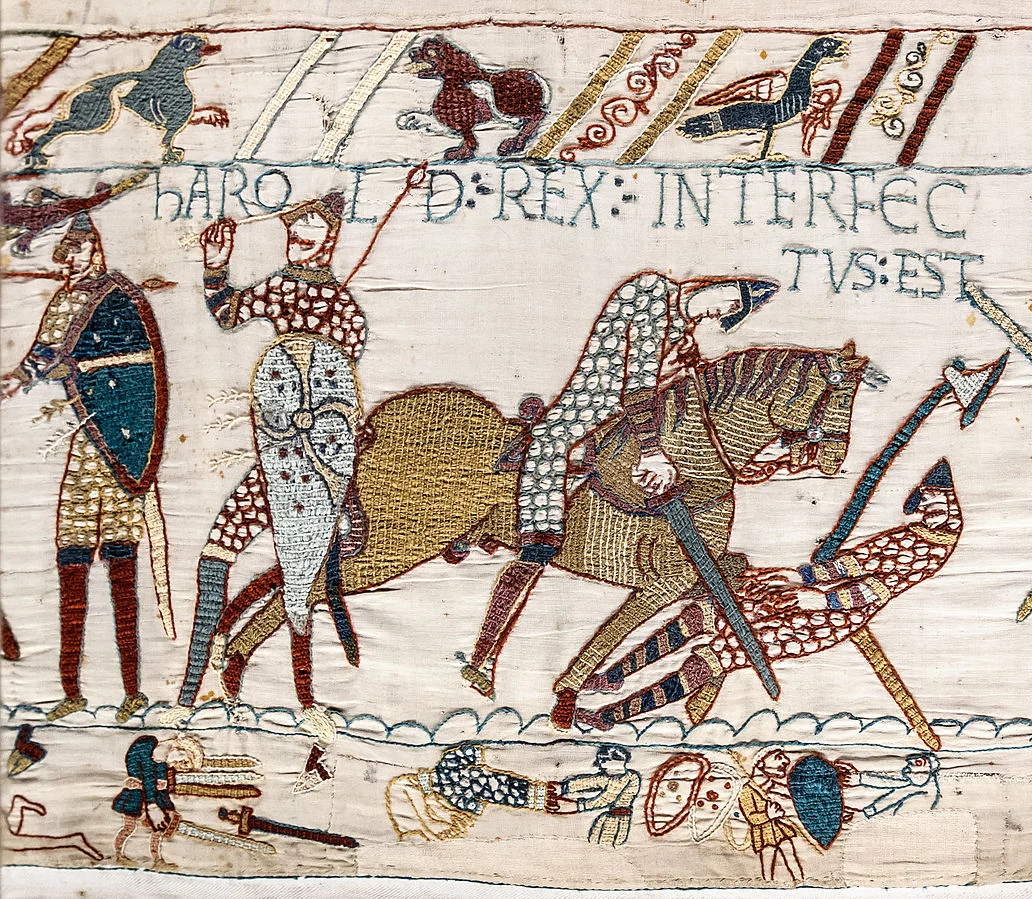
Weeks after its historic arrival in England for the first time in nearly a millennium, the Bayeux Tapestry, a cornerstone of European historical narrative and artistic achievement, has become the subject of a contentious photography ban implemented by the British Museum. This decision, enacted to manage visitor flow, has ignited debate about access to historical artifacts, the nature of public engagement with heritage, and the evolving landscape of cultural consumption in the digital age. Despite overwhelming public demand, with visitors reportedly queuing for hours to witness the 70-meter-long embroidered cloth, the museum’s directive to prohibit personal photography has been met with widespread criticism from heritage advocates, historians, and the general public alike.
A Once-in-a-Lifetime Exhibition and Its Unforeseen Challenges
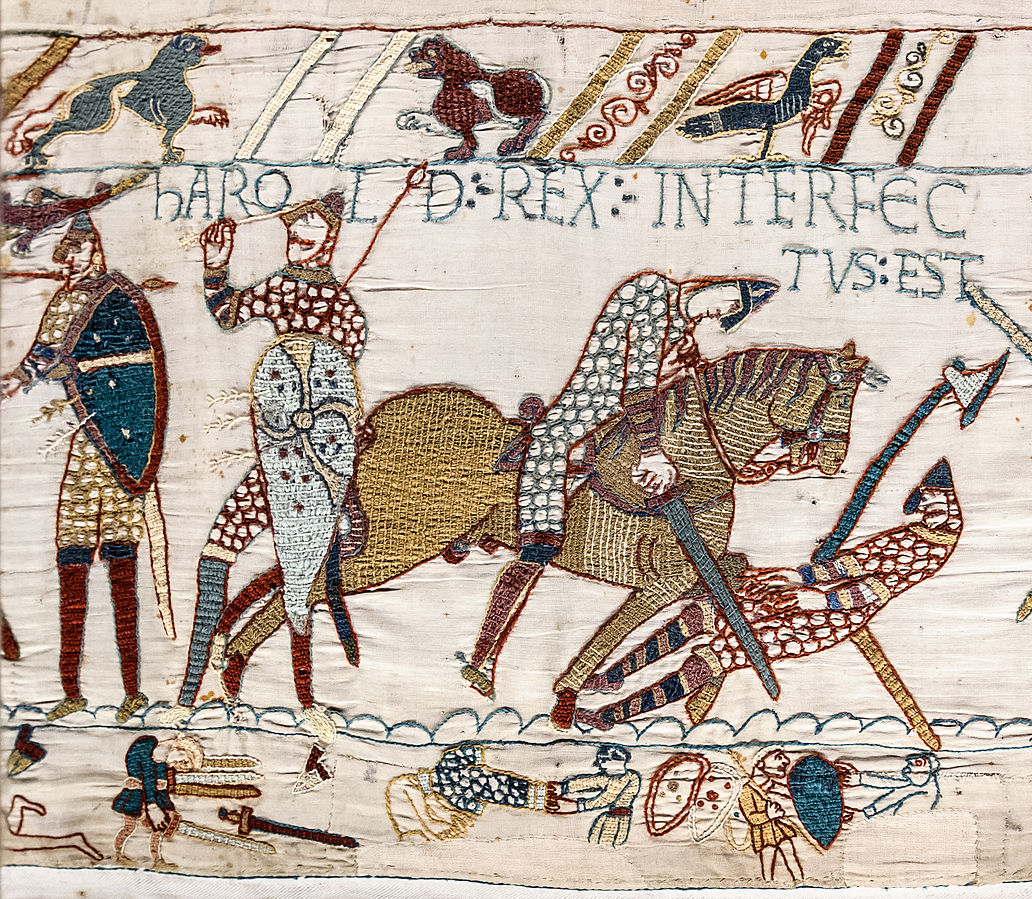
The loan of the Bayeux Tapestry from its home in Bayeux, France, to the British Museum in London marks an extraordinary cultural exchange, facilitated by a special agreement that allows the artifact to be displayed in England for approximately one year. This unprecedented event has drawn an immense surge of interest, translating into significant visitor numbers and sold-out timed entry slots. The tapestry, depicting the dramatic events leading up to and including the Norman Conquest of England in 1066, is not merely an artwork but a vital historical document, offering a unique visual chronicle of a pivotal moment in Western history. Its narrative unfolds with remarkable detail, illustrating the political machinations, military campaigns, and societal structures of the era.
The exhibition’s timed entry system is designed to ensure that each visitor has a dedicated period to engage with the tapestry. However, the British Museum has cited the practice of visitors pausing to take photographs as a primary cause of congestion and delays within the exhibition space. In a statement, the museum articulated its rationale: "There has been enormous interest in viewing the tapestry, and our priority is to ensure that all visitors have the best experience possible. In order to do this, we have made the decision to restrict photography while people are moving along the length of the tapestry." This measure aims to maintain a steady flow of visitors, thereby allowing more people to experience the exhibition within its operational constraints.
Historical Context and the Tapestry’s Significance
Commissioned by Bishop Odo of Bayeux, William the Conqueror’s half-brother, the Bayeux Tapestry is believed to have been created in the late 11th century, shortly after the Norman victory at the Battle of Hastings. Its purpose was likely to commemorate the conquest and legitimize Norman rule in England. Spanning approximately 70 meters in length and 50 centimeters in height, the tapestry is composed of 58 scenes, meticulously embroidered on linen using wool yarn. These scenes, rendered in vibrant colors and intricate detail, depict key events such as Edward the Confessor’s death, Harold Godwinson’s coronation, William’s invasion, and the climactic Battle of Hastings.
The tapestry’s artistic merit lies in its unique narrative style, often compared to a medieval comic strip. Its figures, though stylized and somewhat rudimentary, convey a powerful sense of action and emotion. Beyond its aesthetic appeal, the Bayeux Tapestry is an invaluable historical source, providing insights into Norman and Anglo-Saxon life, military tactics, clothing, architecture, and political customs of the period. Its historical significance is such that it is often considered an essential text for understanding the Norman Conquest and its lasting impact on British history and culture. For centuries, it has been a subject of scholarly research, artistic inspiration, and public fascination, making its exhibition in England a landmark event.
The Evolution of Public Engagement and Digital Memory
The current debate surrounding the photography ban highlights a significant shift in how the public interacts with historical and cultural heritage. In an era dominated by social media and digital sharing, personal photographs have become an integral part of the visitor experience. For many, capturing an image serves as a tangible memento of a significant event, a personal record of their encounter with history. This practice is particularly relevant for objects as iconic and rarely accessible as the Bayeux Tapestry.
The proliferation of smartphones and digital cameras has democratized image-making, transforming passive observation into active documentation. Content creators, ranging from professional journalists and historians to amateur enthusiasts with modest social media followings, often use photography and videography to share their experiences and insights, thereby extending the reach and educational impact of exhibitions. While the British Museum’s concern about visitors excessively prolonging their viewing time for the sake of content creation is understandable, critics argue that a blanket ban penalizes the vast majority of visitors who simply wish to capture a personal snapshot.
Reactions and Criticisms of the Ban
The decision to prohibit photography has drawn sharp criticism from various quarters. Heritage advocates argue that restricting photography goes against the principle of open access to cultural heritage, suggesting that such artifacts ultimately belong to the public domain. The ability to take a photograph is seen as a fundamental aspect of personal engagement and memory-making, especially for an object of such profound historical and cultural importance. For many, this exhibition represents a once-in-a-lifetime opportunity, and the inability to capture a personal image is a significant diminishment of that experience.
Historians and educators have also voiced concerns, noting that visual documentation aids in further study and dissemination of historical knowledge. The ability for individuals to share images of specific scenes or details can spark further discussion and analysis, contributing to a broader public understanding of the tapestry’s content and context. The ban, therefore, is seen by some as an impediment to this organic process of engagement and education.
Furthermore, critics point out that the primary purpose of the tapestry was communication and propaganda, designed to be seen and interpreted by a wide audience. Restricting a modern form of visual communication – photography – seems counterintuitive to this historical function. The argument that the ban is merely an administrative convenience, designed to streamline visitor flow rather than protect the artifact from damage, has been particularly contentious. Unlike extremely delicate or light-sensitive objects that might warrant such restrictions, the Bayeux Tapestry, while requiring careful handling, is not typically subject to the same level of photographic prohibition due to preservation concerns, especially when compared to its historical context of being widely viewed.
The British Museum’s Stance and Potential Solutions
The British Museum’s statement emphasizes its commitment to providing an optimal visitor experience. The timed entry system, while intended to manage crowds, inherently creates a sense of urgency. The museum’s argument is that the pauses taken for photography disrupt this carefully calibrated flow, impacting the experience for those who follow. The implication is that by removing the possibility of photography, the museum can enforce a more consistent pace, ensuring that all visitors adhere to their allocated viewing time without significant delays.
However, the chosen solution – a complete ban – is perceived by many as disproportionate. Alternative measures could include designated photography zones, time limits for taking pictures, or stricter enforcement of existing rules against obstructive behavior. The original article suggests that rather than a blanket ban, the museum could implement more targeted interventions, such as addressing individuals who are excessively delaying others for the purpose of creating elaborate content. This approach would allow the majority of visitors to enjoy the privilege of capturing a personal memento without compromising the overall visitor experience.
Broader Implications for Cultural Institutions
The Bayeux Tapestry photography ban raises pertinent questions for cultural institutions worldwide. As more historically significant artifacts become accessible to wider audiences, museums face the challenge of balancing preservation, accessibility, and the evolving expectations of visitors in the digital age. The pressure to cater to a public accustomed to sharing their experiences online is immense.
The incident underscores the need for flexible and adaptive policies that acknowledge the role of digital media in cultural engagement. Instead of outright prohibition, museums might explore strategies that integrate photography into the visitor experience in a controlled manner. This could involve educational initiatives about responsible photography practices, partnerships with social media platforms to promote educational content, or the creation of dedicated digital resources that complement the physical exhibition.
The underlying principle at stake is the democratization of heritage. While museums are custodians of invaluable historical treasures, their ultimate purpose is to educate and inspire. Denying visitors the simple act of taking a photograph, especially for an object as accessible in its original intent as the Bayeux Tapestry, risks alienating a significant portion of the public and undermining the very mission of fostering a connection with the past. The challenge for the British Museum, and indeed for all cultural institutions, is to find a harmonious balance that respects both the sanctity of historical artifacts and the desire of modern audiences to engage with them in meaningful and shareable ways. The long-term implications of this ban will likely be felt in discussions about museum policy and public access for years to come, serving as a case study in the complex intersection of history, technology, and public engagement.



 Jia Lissa
 Yuyun Lusiyani
 Joko Widodo

 Pevita Pearce