
 Lina Irawan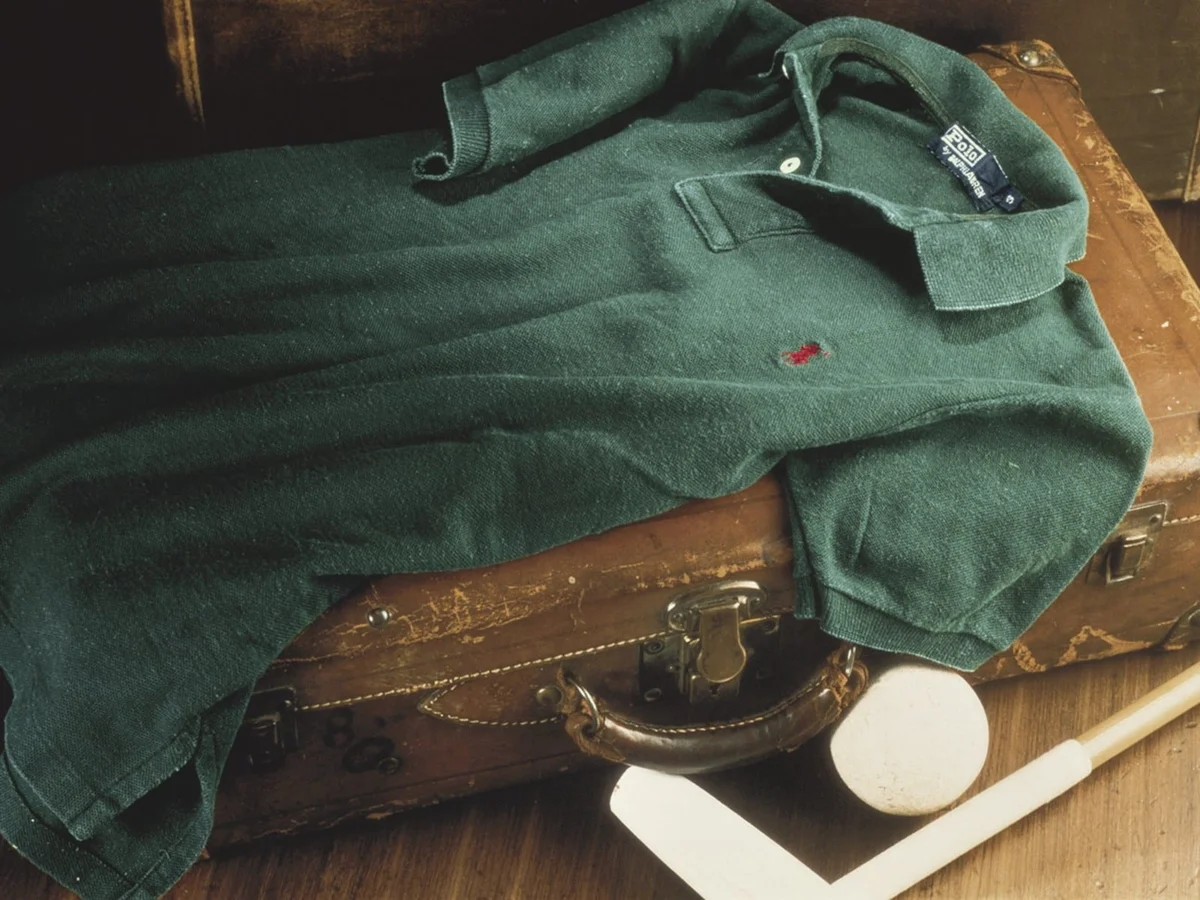
The Ralph Lauren Polo shirt has transitioned from a singular garment introduced in 1972 into a definitive symbol of American style, recognized by the Museum of Modern Art (MoMA) as one of the most influential fashion items of the modern era. While many apparel items are designed to capitalize on ephemeral trends, the Polo shirt was engineered with a philosophy of longevity, originally debuting in a palette of 24 colors—a variety that was unprecedented in the early 1970s. This strategic diversity allowed the garment to move beyond the confines of athletic wear and into the permanent wardrobes of a global demographic. Today, the shirt serves as the cornerstone of a multi-billion-dollar fashion empire, maintaining its relevance through a combination of rigorous manufacturing standards, cultural adaptability, and a strategic expansion into various "style worlds" that cater to diverse consumer lifestyles.
The Genesis of an Icon: 1972 and the 24-Color Strategy
The story of the Ralph Lauren Polo shirt began at a time when the "polo" style was largely dominated by European brands, most notably Lacoste. In 1972, Ralph Lauren sought to redefine the silhouette by focusing on the "lived-in" quality of natural fibers. Unlike the synthetic blends common in the era, Lauren’s version was crafted from 100% cotton piqué, designed to improve with age and wear. The decision to launch with 24 distinct hues was a calculated move to offer personalization at a mass scale, effectively communicating that there was a Polo shirt for every individual personality.
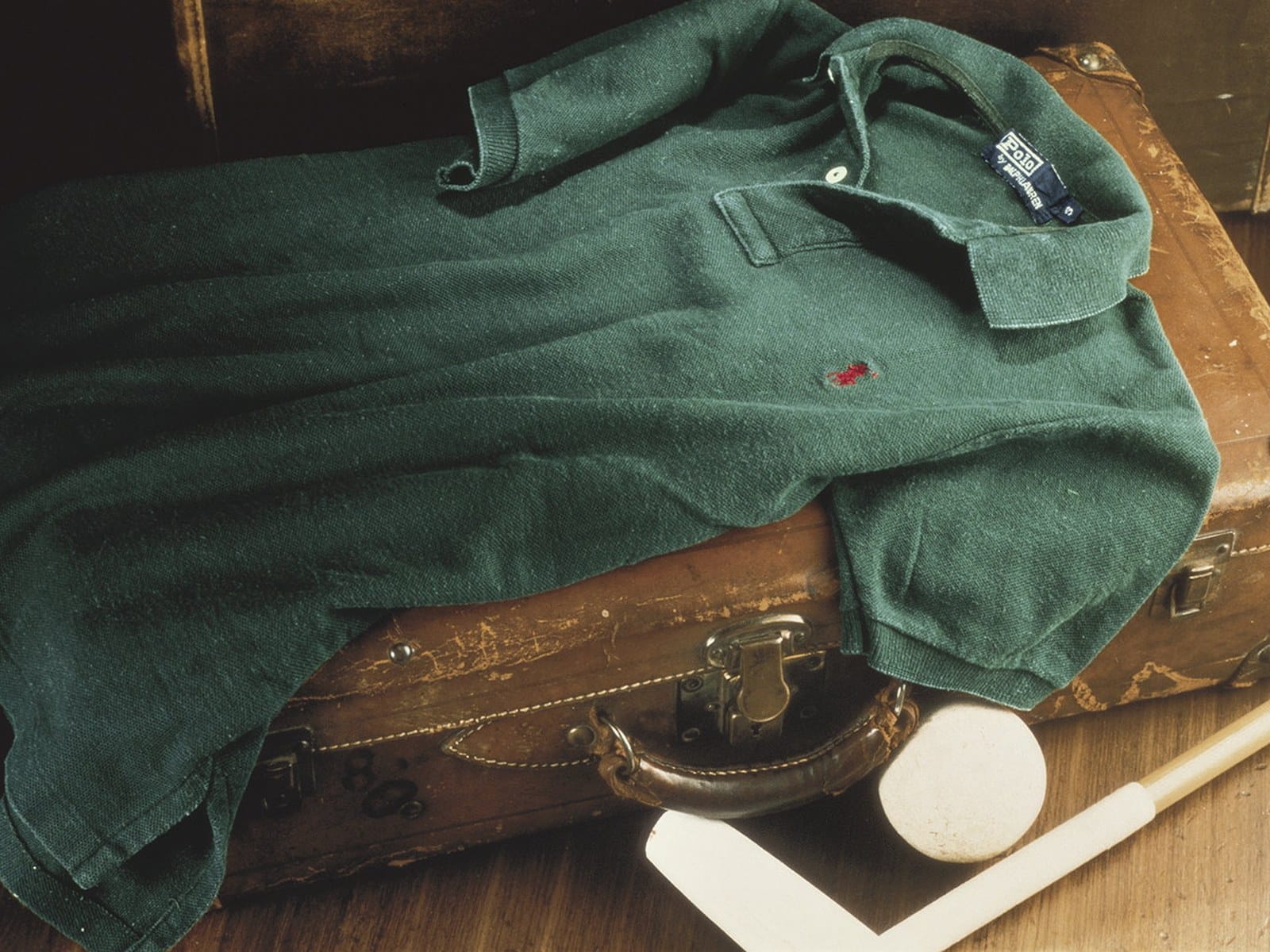
The marketing of the shirt emphasized a specific vision of the American Dream—one rooted in heritage, collegiate sports, and a sense of "old money" refinement that was accessible to the burgeoning middle class. By placing the signature polo player embroidery on the chest, Lauren created one of the first truly lifestyle-oriented logos. This branding did not merely represent a manufacturer; it signaled an aspirational lifestyle. Fashion historians often cite this period as the moment "lifestyle branding" was born, moving the industry away from functional descriptions toward emotional storytelling.
Architectural Integrity: The Mechanics of Construction
A significant factor in the Polo shirt’s five-decade dominance is its specific technical construction. While the visual aesthetic remains consistent, the engineering of the garment has been refined to ensure durability. The shirt features a compactly knit collar designed to sit high on the neck, a structural choice that prevents the "flopping" often seen in lower-quality knitwear. The placket—the area where the buttons are situated—is reinforced to lay flat against the chest, maintaining a crisp appearance even after multiple launderings.
Furthermore, the use of cross-stitched pearl buttons and reinforced shoulder seams ensures that the shirt can withstand the rigors of both athletic activity and daily wear. These technical specifications were central to the shirt’s inclusion in MoMA’s landmark 2017 exhibition, Items: Is Fashion Modern? Curated by Paola Antonelli, the exhibition featured 111 items of clothing and accessories that have had a profound impact on the world over the last century. The Polo shirt was categorized alongside other transformative designs like the Levi’s 501 jeans and the Little Black Dress, cementing its status as a piece of industrial design excellence rather than just a seasonal fashion choice.

Chronology of Cultural and Sporting Integration
The timeline of the Polo shirt is marked by its integration into major global events and social movements. Following its 1972 debut, the garment became synonymous with the "Preppy" subculture of the 1980s, popularized by the Official Preppy Handbook. However, its reach soon expanded far beyond the Ivy League.
In 1990, the shirt found an unexpected but fervent following in the "Lo-Life" crews of Brooklyn, who adopted Ralph Lauren as a status symbol in hip-hop culture. This organic adoption by urban youth demonstrated the brand’s cross-cultural appeal and its ability to represent luxury across different socioeconomic landscapes.
The new millennium saw the brand solidify its connection to professional sports. In 2005, Ralph Lauren became the official outfitter of the US Open, introducing the "Big Pony" logo—a larger-scale version of the embroidery designed for better visibility on television broadcasts. This was followed by long-term partnerships with the Australian Open, Wimbledon, and the United States Olympic and Paralympic teams. These collaborations positioned the Polo shirt as the uniform of elite performance and national pride, further insulating it from the fluctuations of the fashion cycle.
Philanthropy and Social Responsibility: The Pink Pony Initiative
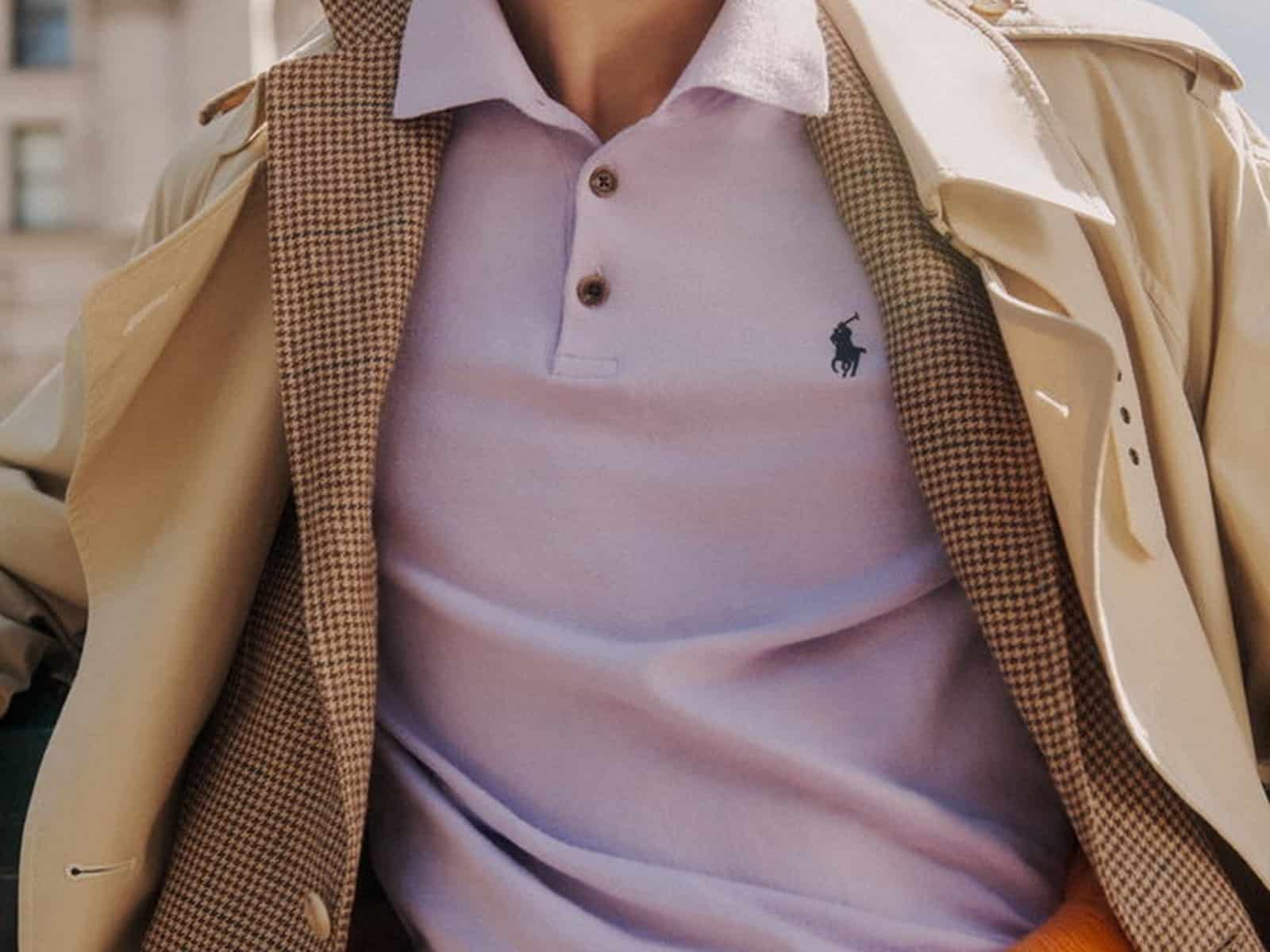
In September 2000, the corporation leveraged the ubiquity of the Polo shirt to launch the Pink Pony initiative. This global campaign was established to support programs for screening, early diagnosis, treatment, and patient navigation in the fight against cancer. The initiative saw the iconic polo player logo rendered in pink, with a percentage of proceeds directed toward the Pink Pony Fund of the Ralph Lauren Corporate Foundation.
Over the last two decades, the Pink Pony Polo has become a symbol of corporate social responsibility. The success of this program paved the way for other cause-related iterations of the shirt, including limited editions for disaster relief efforts and the Pride collection, which supports LGBTQIA+ organizations. By linking the garment to social causes, the brand has maintained a moral resonance with younger, more socially conscious consumer bases.
The Modern Portfolio: Seven Style Worlds and Customization
Recognizing that the modern consumer requires versatility, Ralph Lauren has categorized the Polo range into seven distinct "style worlds." This framework allows the brand to market the same basic silhouette through different thematic lenses:

- Classic White: The foundational aesthetic, emphasizing purity and minimalism.
- Equestrian: A nod to the brand’s origins in heritage sports and leather-bound refinement.
- Sport: Focused on performance-ready fabrics and bold, athletic color-blocking.
- Destination: Inspired by travel and resort wear, often featuring lighter knits.
- Nautical: Utilizing navy, white, and red palettes evocative of maritime life.
- Outdoor: Rugged iterations designed for utilitarian use and earthy tones.
- University: A return to the collegiate roots of the brand, featuring traditional stripes and crests.
In addition to these categories, the company has embraced the "Made-to-Order" model with its Custom Polo program. This allows customers to choose from hundreds of combinations of colors, logos, and monograms. This shift toward mass customization addresses the modern demand for individuality while maintaining the structural consistency of the original 1972 design.
Market Analysis and Sustainability: The Earth Polo
In the current retail landscape, the Ralph Lauren Corporation continues to report the Polo shirt as a primary driver of revenue. Market analysts note that the shirt acts as an "entry-level luxury" item, allowing new consumers to enter the Ralph Lauren ecosystem at a more accessible price point than the brand’s Purple Label or RRL lines.
To address the growing environmental concerns associated with textile production, the brand introduced the "Earth Polo" in 2019. Each Earth Polo is crafted from thread derived from approximately 12 recycled plastic bottles and dyed using a waterless process. This innovation represents a significant pivot in the shirt’s lifecycle, acknowledging that for a garment to remain "timeless," it must also be sustainable. The company has set goals to use 100% sustainably sourced key materials by 2025, with the Polo shirt serving as the primary vehicle for these technological advancements.
Broader Impact and Implications for the Fashion Industry
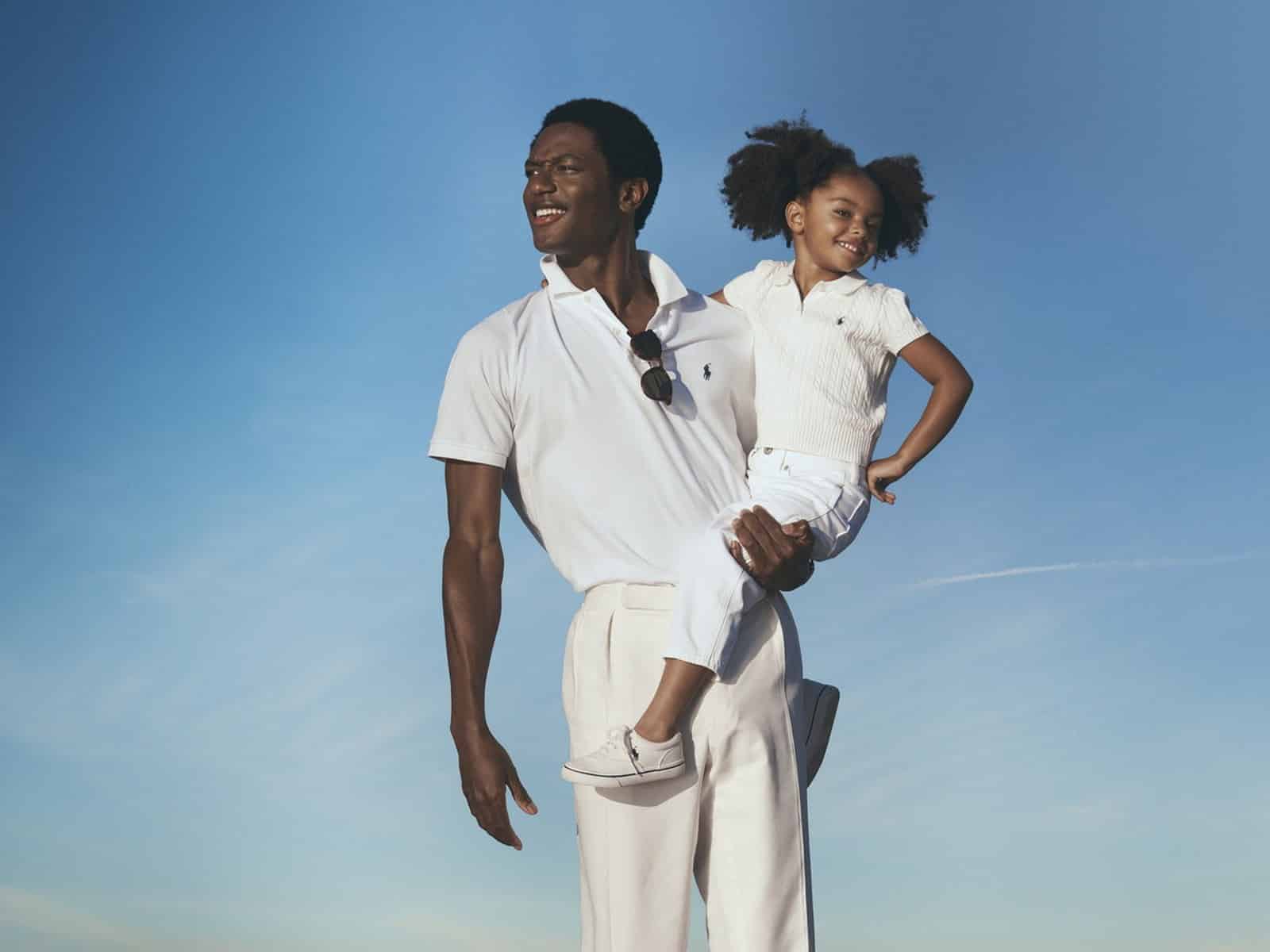
The enduring success of the Ralph Lauren Polo shirt offers a blueprint for brand longevity in an age of fast fashion. Its history suggests that a focus on "iconic" staples—rather than a constant churn of new designs—can create a more stable and recognizable brand identity. The shirt has successfully navigated the transition from a sports garment to a corporate casual staple, and finally to a piece of cultural heritage.
As the fashion industry grapples with issues of overproduction and waste, the Polo shirt’s "buy-it-once" philosophy becomes increasingly relevant. Its construction is intended to last decades, and its design is intended to never go out of style. This combination of physical and aesthetic durability is rare in the modern economy.
From the tennis courts of the Australian Open to the galleries of MoMA, the Ralph Lauren Polo shirt remains a pervasive element of the global visual language. Its ability to reinvent itself while remaining fundamentally unchanged is a testament to the power of thoughtful design and strategic brand management. As it moves toward its sixth decade, the garment continues to serve as a benchmark for what it means to be a "modern classic" in the ever-evolving world of fashion.



 Yuyun Lusiyani
 Joko Widodo
 Eva Lovia
 Pevita Pearce
 admin
admin