
 Lina Irawan
The transition into the autumn season represents the most complex period on the annual sartorial calendar, requiring a strategic approach to wardrobing that balances professional utility, social formality, and seasonal protection. As the third quarter of the year concludes, the convergence of "return-to-office" mandates, peak wedding schedules, and the onset of the holiday gala circuit creates a unique demand for versatile, high-performance menswear. Industry leaders, most notably Men’s Wearhouse, have responded to this seasonal surge by pivoting toward a "coordinated outfit" model, designed to alleviate the decision fatigue associated with multi-occasion dressing while emphasizing the critical importance of precision tailoring and inclusive sizing.
The Current Landscape of Men’s Professional and Social Attire
The modern menswear market is currently navigating a post-pandemic stabilization phase, where the boundaries between "business formal" and "business casual" have permanently blurred. According to recent retail market analysis, the demand for "hybrid" garments—items that function across multiple social contexts—has seen a 25% year-over-year increase. This shift is characterized by the decline of the mandatory three-piece suit in the workplace and the rise of the "sport coat and knit" ensemble.
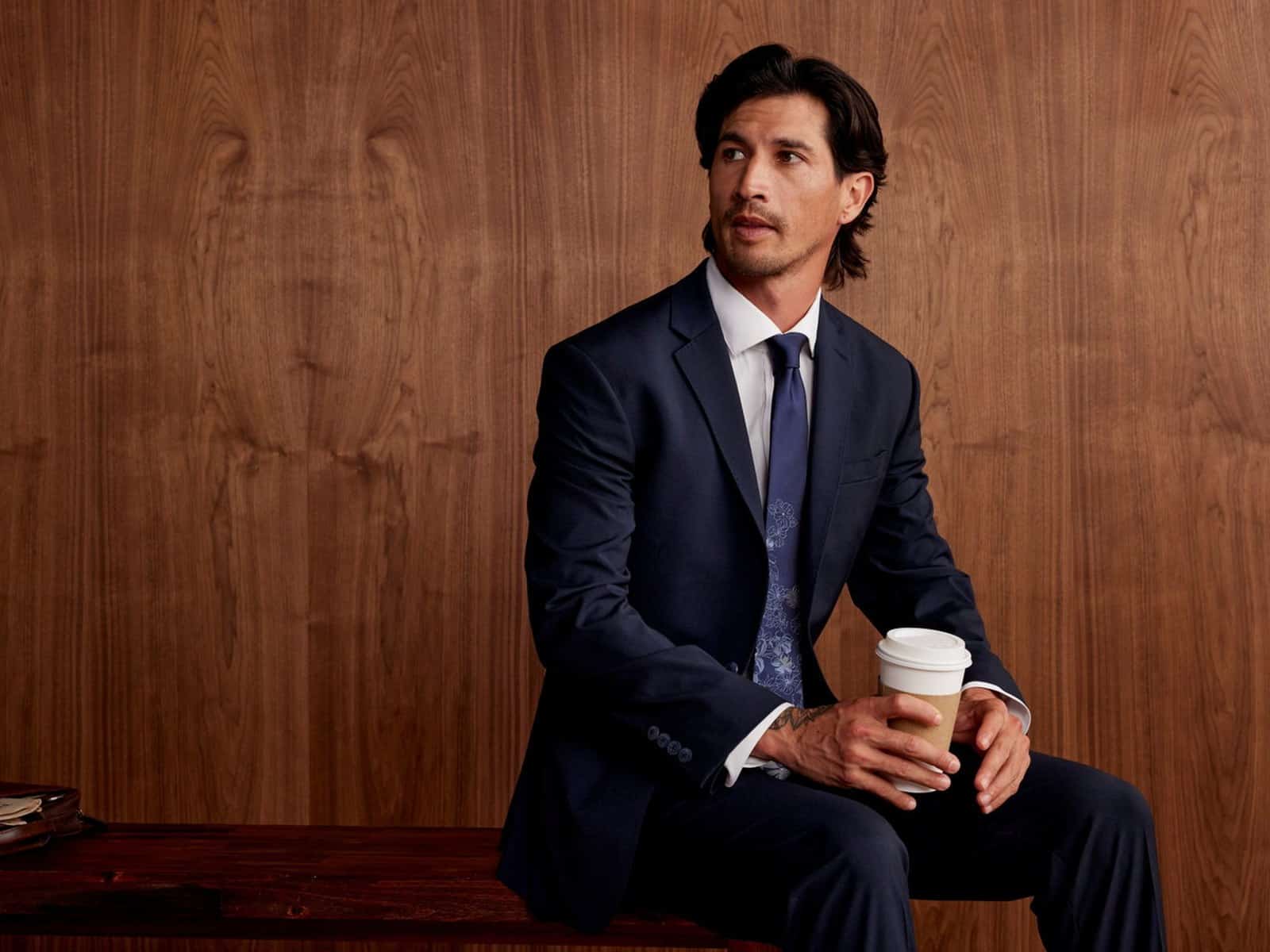
Men’s Wearhouse, a subsidiary of Tailored Brands, has positioned its Fall 2024 collection to address this shift directly. By integrating specialized labels such as Wrangler and UNTUCKit into their formal ecosystem, the retailer is catering to a consumer base that prioritizes comfort without sacrificing the aesthetic standards required for high-stakes professional environments. This strategy is backed by aggressive pricing models, with online-only "Everyday Deals" offering full suits and tuxedos starting at $149.99 and sport coats from $99.99, reflecting a broader industry trend of making formalwear accessible amidst fluctuating discretionary spending.
A Chronological Roadmap of the Fall Fashion Cycle
To understand the complexity of fall dressing, one must view the season through a chronological lens, as each month presents a distinct set of stylistic requirements.
September: The Professional Reset
As the workforce returns from summer vacations, the emphasis is on the "Modern Workwear Look." This phase is defined by the transition from lightweight linens to heavier wool blends and chinos. The objective is a "polished yet relaxed" silhouette. The sport coat serves as the anchor piece here, providing structure during meetings while allowing for a more casual open-collar or turtleneck aesthetic during less formal engagements.

October: The Wedding Peak and Homecoming
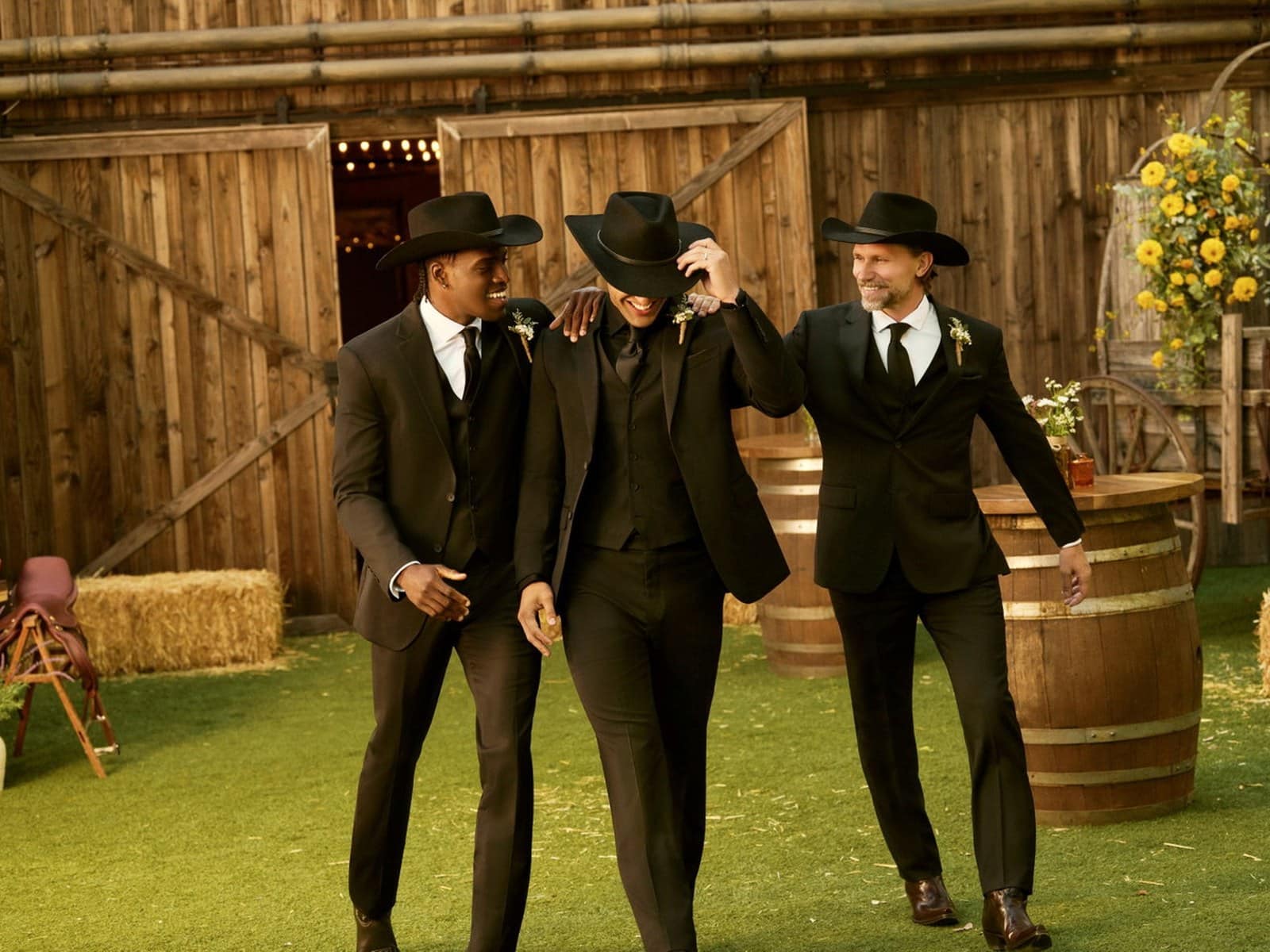
October has emerged as one of the busiest months for domestic weddings. This period requires a shift toward "High-Stakes Moments." The data suggests that approximately 40% of annual tuxedo rentals and custom suit orders are concentrated in this window. The "Week of the Wedding" concept—a comprehensive wardrobe plan covering travel, rehearsal dinners, the ceremony, and post-wedding brunches—has become a standard requirement for the modern groom and guest.
November and December: The Celebration Circuit
The final two months of the year are dominated by holiday parties and New Year’s Eve celebrations. These events call for a higher degree of "sartorial flair," including dinner jackets, velvet textures, and deep seasonal tones like burgundy and charcoal. This period also sees the highest demand for accessories, including formal dress shoes and overcoats, as consumers prepare for inclement weather.
Technical Analysis of Fit and Fabric
The efficacy of a fall wardrobe is fundamentally tied to the technical execution of fit. Industry experts agree that the "perceived value" of an outfit is more closely linked to its tailoring than its price tag. Men’s Wearhouse utilizes a tiered fitting system—Classic, Modern, and Slim—to accommodate a diverse range of body types.
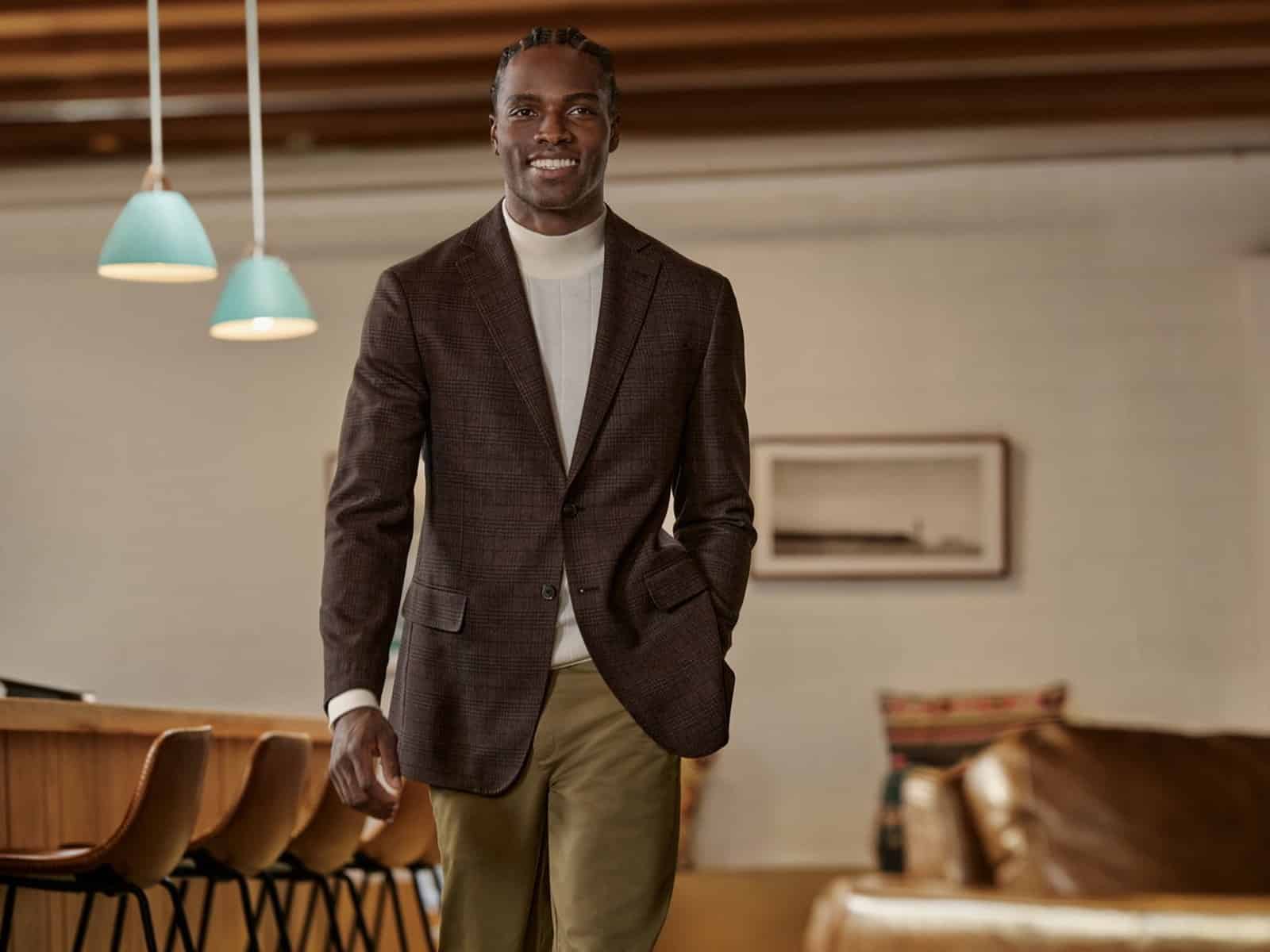
- Classic Fit: Characterized by a fuller cut through the chest and waist, providing maximum comfort and ease of movement. This remains the preferred choice for traditional professional environments and the Big & Tall demographic.
- Modern Fit: A middle-ground silhouette that offers a trimmer look than the classic fit while maintaining enough room for layering sweaters or vests.
- Slim Fit: Defined by higher armholes and a tapered waist, this fit is designed for a contemporary, streamlined appearance that aligns with current European fashion trends.
Fabric selection also plays a pivotal role in fall functionality. The integration of performance fabrics—those with moisture-wicking properties and natural stretch—has become a hallmark of the 2024 season. Wool-poly blends provide the warmth necessary for cooler temperatures while maintaining the durability required for daily office wear.
Supporting Data and Market Trends
The global menswear market is projected to reach a valuation of approximately $570 billion by 2026, with a significant portion of growth attributed to the "premium casual" and "affordable luxury" segments. Data from consumer surveys indicate that the modern male shopper is increasingly "value-conscious" but "brand-loyal."
Inclusive sizing has also become a non-negotiable metric for success in the retail sector. The Big & Tall segment is one of the fastest-growing niches in menswear, with Men’s Wearhouse reporting extensive inventory dedicated to this demographic. By providing the same stylistic options to all body types, retailers are tapping into a historically underserved market that demands both style and functionality.
Institutional Responses to Shifting Dress Codes
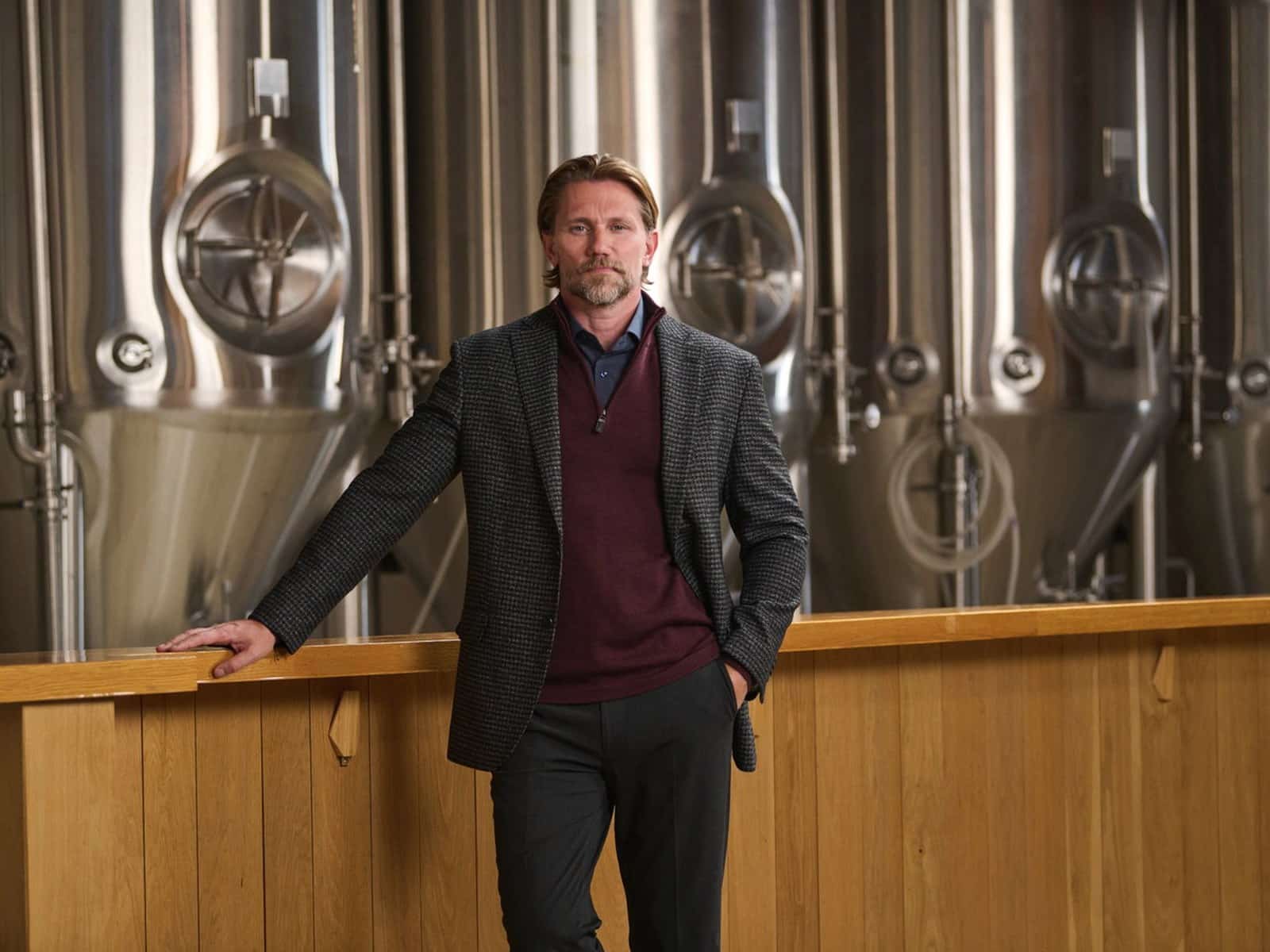
Stylists and corporate image consultants have noted a "psychological shift" in how clothing is utilized in the professional sphere. "Dressing for the day" has replaced the rigid dress codes of the past. If a professional has a client-facing meeting, the "anchor piece" remains the suit; if the day is spent in a collaborative internal environment, the "quarter-zip and trouser" combination is the new standard.
Men’s Wearhouse’s custom clothing program represents an institutional response to the desire for personalization. By allowing consumers to select specific fabrics, linings, and button styles, the brand is mimicking the "bespoke" experience at a "ready-to-wear" price point. This democratization of custom tailoring is a significant factor in the brand’s ability to maintain market share against digital-first competitors.
Broader Implications: The Intersection of Style and Professional Efficacy
The implications of seasonal dressing extend beyond mere aesthetics. Studies in "enclothed cognition" suggest that the way an individual dresses significantly impacts their cognitive processes and self-confidence. In a high-stakes environment—such as a wedding or a corporate presentation—the assurance provided by a well-fitted suit can translate into improved performance.
Furthermore, the "versatility movement" in menswear has environmental and economic implications. By encouraging consumers to purchase "crossover pieces"—a navy blazer that works for both a wedding and a casual dinner—retailers are promoting a more sustainable, "capsule" approach to fashion. This reduces the "disposable clothing" cycle and encourages investment in higher-quality, longer-lasting garments.
Conclusion: Strategizing the Autumn Wardrobe
The successful navigation of the fall season requires a proactive approach to wardrobing. The primary directive for the modern man is to "start with the occasion, not the item." By identifying the specific demands of the calendar—whether it be a rustic barn wedding, a mid-century office environment, or a holiday brewery catch-up—the consumer can build a coordinated wardrobe that is both functional and expressive.
With a combination of expert tailoring, inclusive sizing, and a strategic mix of formal and casual elements, Men’s Wearhouse and similar retailers are providing the infrastructure for this seasonal transition. As the year draws to a close, the emphasis remains on the "anchor piece" and the precision of the fit, ensuring that regardless of the event, the individual is appropriately dressed for the moment. The evolution of fall menswear in 2024 is ultimately a story of adaptability, proving that even as dress codes soften, the value of a well-tailored appearance remains a constant in the professional and social landscape.




 Yuyun Lusiyani
 Ana Megawati
 Joko Widodo
 Eva Lovia
 Jia Lissa
 Pevita Pearce