
 Eva Lovia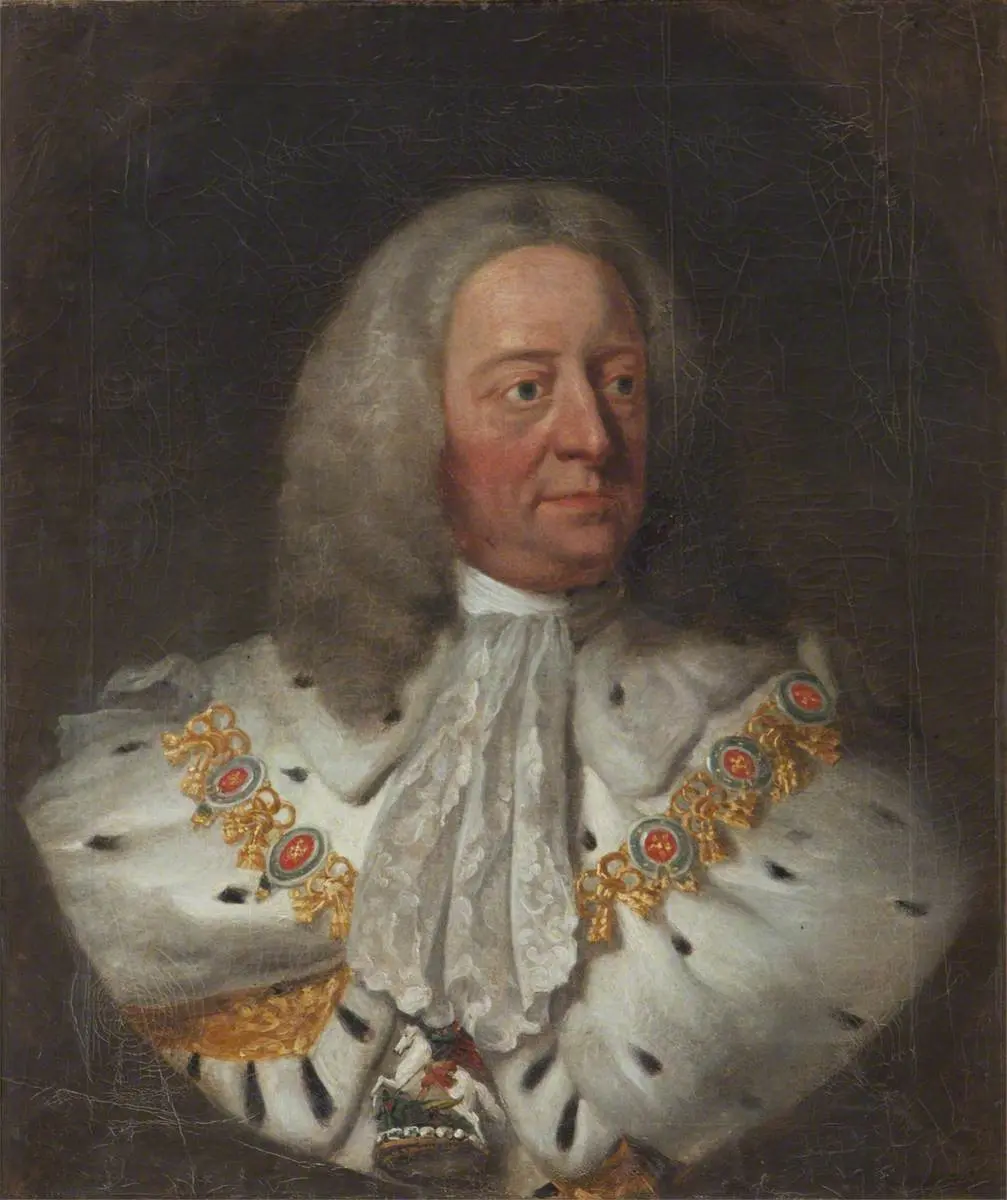
October, a month often heralded for its vibrant autumnal transformation, has a distinct historical resonance within the British monarchy, having been the birth month of five kings who ascended to the throne. These monarchs, from the medieval era to the Georgian period, each navigated unique paths to the crown, leaving indelible marks on the fabric of British history. Their lives and reigns, marked by the turning leaves and shortening days, offer a fascinating tapestry of succession, political upheaval, and personal destiny. This article delves into the lives of Henry III, Richard III, Edward VI, James II, and George II, exploring the circumstances of their births, their journeys to kingship, and the lasting legacies they forged.
The First October Monarch: Henry III’s Early Ascent
The distinction of being the first English king born in October falls to Henry III, who entered the world on October 1, 1207, in Winchester. His birth was a pivotal moment for his father, King John, a monarch whose reign was fraught with controversy, including the signing of Magna Carta and significant territorial losses in France. John’s desperate need for a secure male heir underscored the importance of Henry’s arrival. Henry’s mother, Isabella of Angoulême, was a French noblewoman who married John in 1200. At the time of Henry’s birth, Isabella was approximately 19 years old, a common age for marriage and childbirth in the 13th century.
Henry’s path to the throne was not one of gradual preparation but of sudden, child-king necessity. He was just nine years old when his father died on October 19, 1216. The ensuing coronation ceremony, held on October 28, 1216, at Gloucester Cathedral, officially marked him as King Henry III. This early accession thrust him into a complex political landscape, marked by ongoing conflict with France and internal dissent. His reign, which lasted 56 years, was one of the longest in English history, characterized by his deep piety, his rebuilding efforts at Westminster Abbey, and his eventual clashes with the barons, culminating in the Second Barons’ War. While his childhood accession was dictated by circumstance, his long reign allowed him to shape the kingdom in his image, albeit with significant challenges.
Richard III: A King Born Amidst Turmoil
In stark contrast to Henry III’s predestined path, Richard III’s birth on October 2, 1453, at Fotheringay Castle in Northamptonshire, placed him in a position far removed from immediate royal expectation. He was the twelfth child of Richard, Duke of York, a powerful magnate whose ambition would ignite the Wars of the Roses. At the time of Richard’s birth, the reigning monarch was Henry VI, whose documented episodes of mental instability had led to his father, the Duke of York, being appointed Protector of England. Richard entered the world as a member of a prominent noble family, not as a direct claimant to the throne, but as one whose lineage held significant political weight in a turbulent era.
The ensuing decades saw England plunged into civil war as the Houses of York and Lancaster vied for control. Richard’s father, the Duke of York, ultimately claimed the throne, but was killed at the Battle of Wakefield in 1460. Richard, alongside his elder brother Edward IV, became central figures in the Yorkist cause. Edward IV eventually became king, and Richard, Duke of Gloucester, played a crucial role in his brother’s reign, demonstrating considerable military prowess. His path to the throne was paved with conflict and political maneuvering. He was proclaimed king in 1483, following the disputed death of his nephew, Edward V, during the tumultuous period known as the Princes in the Tower. Richard III’s reign was tragically short, ending with his death at the Battle of Bosworth Field in 1485, a pivotal moment that marked the end of the Plantagenet dynasty and the dawn of the Tudor era. His birth in October, amidst the simmering tensions of the Wars of the Roses, foreshadowed a life inextricably linked to the bloody struggle for the English crown.
Edward VI: The Long-Awaited Male Heir
The birth of Edward VI on October 12, 1537, at Hampton Court Palace, represented the fulfillment of a fervent dynastic hope. His father, King Henry VIII, had embarked on a radical religious and political reformation, largely driven by his desire for a male heir to secure the Tudor succession. After two daughters, Mary and Elizabeth, from his previous marriages, the birth of Edward, his son with his third wife, Jane Seymour, was met with immense relief and celebration. However, this joyous occasion was overshadowed by tragedy. Queen Jane Seymour died just twelve days after giving birth, a victim of childbed fever, a common and often fatal complication in the 16th century.

Like Henry III, Edward VI ascended to the throne at the tender age of nine upon his father’s death on January 28, 1547. His reign was heavily influenced by the powerful Protestant lords who acted as his regents and advisors, most notably Edward Seymour, Duke of Somerset, and later John Dudley, Duke of Northumberland. Under their guidance, the English Reformation was further entrenched, with significant changes to religious practices and doctrine. Edward VI’s reign, however, was tragically brief. He succumbed to illness, likely tuberculosis, in July 1553, just before his sixteenth birthday. His early death plunged the kingdom into further uncertainty, leading to a succession crisis that briefly saw Lady Jane Grey proclaimed queen before Mary I, Henry VIII’s elder daughter, reclaimed the throne. Edward’s October birthday thus marked the beginning of a reign that, though short, significantly advanced the Protestant cause in England.
James II: A Young Son’s Tumultuous Journey to Kingship
James II, born on October 14, 1633, at St. James’s Palace in London, began life as a younger son with distant prospects of the crown. His father, Charles I, was already king and had an elder son and heir, Prince Charles (later Charles II). His mother, Henrietta Maria of France, was a Catholic princess whose foreign origins and faith made her a figure of some suspicion and whose prolific childbearing was notable. James’s early years were spent amidst the growing political and religious tensions that would erupt into the English Civil War. The conflict dramatically altered his family’s fortunes, culminating in the execution of his father in 1649, a shocking event that sent ripples across Europe and left James and his siblings in exile.
The Restoration of the Monarchy in 1660 saw James return to England and reclaim his place as Duke of York, the king’s brother. He served with distinction in the navy and played a significant role in governance. However, his conversion to Catholicism, which he embraced in the 1660s, became a major source of controversy and suspicion among the Protestant establishment. Despite facing exclusion attempts from Parliament, he eventually succeeded his brother, Charles II, in 1685. His reign, however, was marked by attempts to promote Catholicism and assert royal prerogative, leading to widespread discontent. This culminated in the Glorious Revolution of 1688, a bloodless coup that saw James deposed and his Protestant daughter Mary II and her husband, William III of Orange, invited to take the throne. James II’s October birth thus presaged a life of dramatic shifts in fortune, from royal exile to a brief and ultimately failed attempt to reign as an absolute monarch in a nation increasingly wary of Catholic influence.
George II: A Hanoverian King Born on the Eve of Succession
George II, born on October 30, 1683, in Hanover, was another monarch whose birthright did not immediately point to the British throne. He was the son of Sophia Dorothea of Celle and George, Elector of Hanover. At the time of his birth, his father was heir to a dukedom, a significant but not sovereign position. The political landscape of Britain was undergoing profound shifts. The reigning monarch, James II, was Catholic, and the Protestant succession was a growing concern. The Act of Settlement in 1701, enacted by the English Parliament, designated Sophia of Hanover, George II’s grandmother, and her Protestant descendants as the heirs to the British throne, bypassing numerous closer Catholic relatives. This act effectively positioned the Hanoverian line, and by extension young George, as future rulers of Britain.
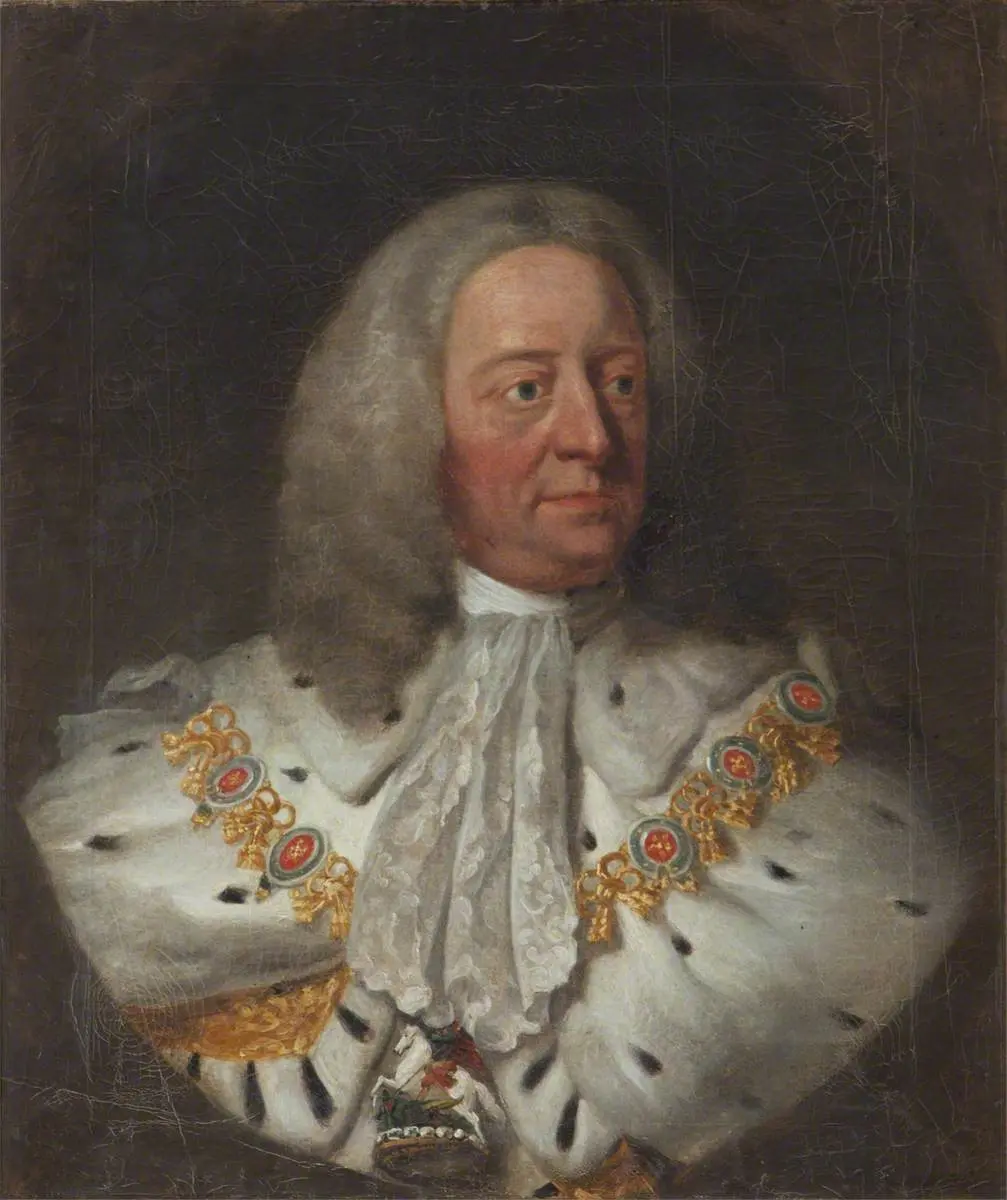
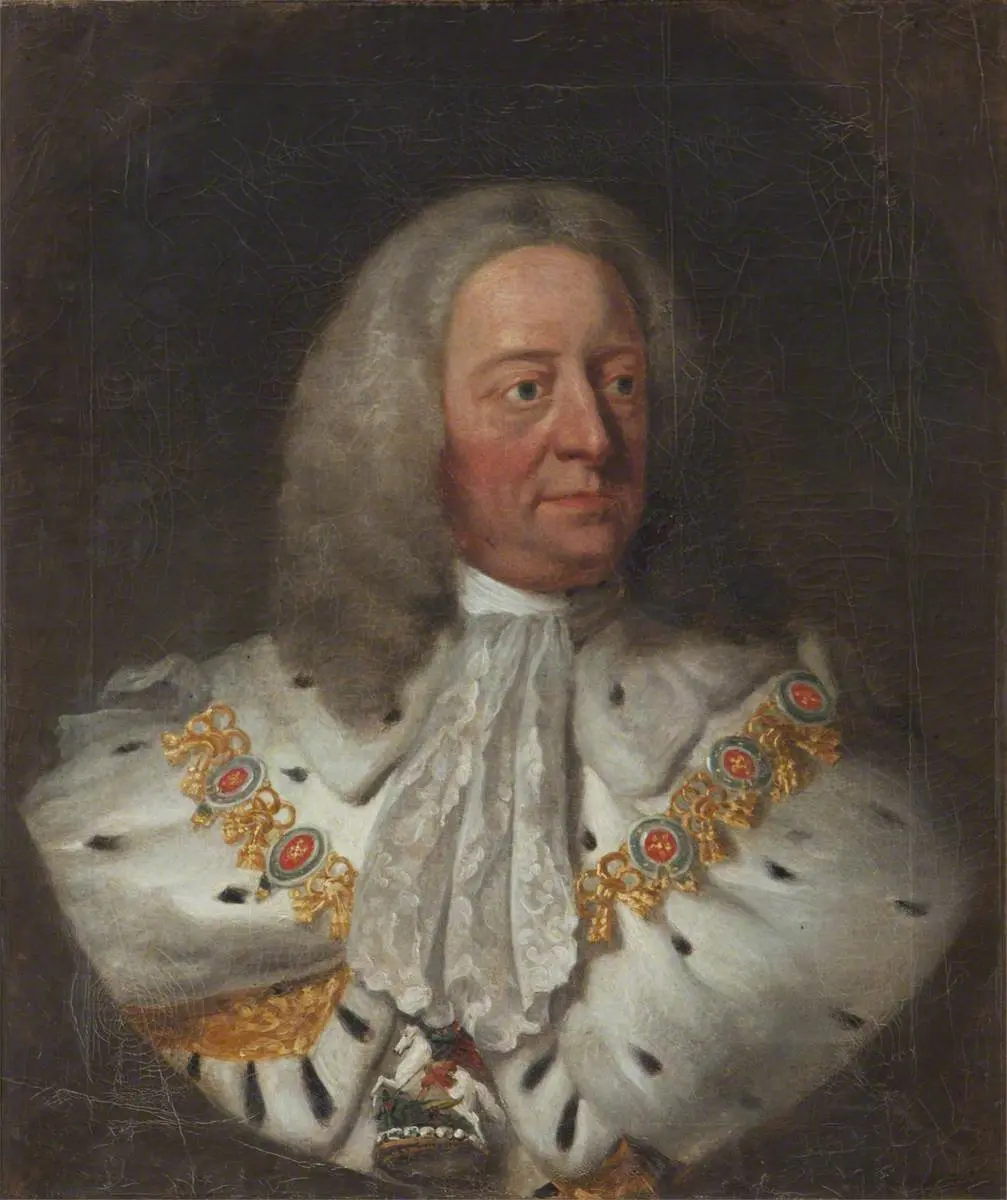
George arrived in Britain in 1714, accompanying his father, who ascended the throne as George I following Sophia’s death. He became king in 1727 upon his father’s death, beginning a reign of 33 years. George II was known for his military experience, having fought at the Battle of Dettingen in 1743, the last British monarch to lead troops into battle. His reign saw Britain emerge as a major European power, with significant colonial expansion and increasing parliamentary influence. His October birthday marked the beginning of the second Hanoverian monarch’s reign, a period that solidified the Hanoverian dynasty’s hold on the British throne and further cemented the constitutional monarchy. For now, George II remains the last monarch to have been born in the month of October, concluding the lineage of these "October Kings."
A Legacy of Diverse Ascensions
The five monarchs born in October represent a diverse spectrum of royal succession:
- Henry III was born into kingship, though his reign began in childhood due to his father’s death.
- Richard III was born into a turbulent aristocratic family, ascending the throne through the tumultuous Wars of the Roses.
- Edward VI was the eagerly awaited male heir, whose short reign was pivotal for the English Reformation.
- James II was a younger son whose path to the throne was complicated by religious controversy and ultimately led to his deposition.
- George II was born into a German ducal family, destined for the British throne by an act of Parliament securing a Protestant succession.
These individuals, united by their birth month, showcase the varied and often unpredictable nature of royal destiny. Their reigns, spanning centuries, reflect the evolving political, religious, and social landscapes of Britain, each leaving an indelible mark on the nation’s historical narrative. The autumn season, with its connotations of change and transition, seems to have been a fitting backdrop for the reigns of these kings, whose lives were themselves marked by profound shifts in fortune and power.


 Yuyun Lusiyani
 Ana Megawati
 Joko Widodo
 Jia Lissa
 Pevita Pearce