
 Eva Lovia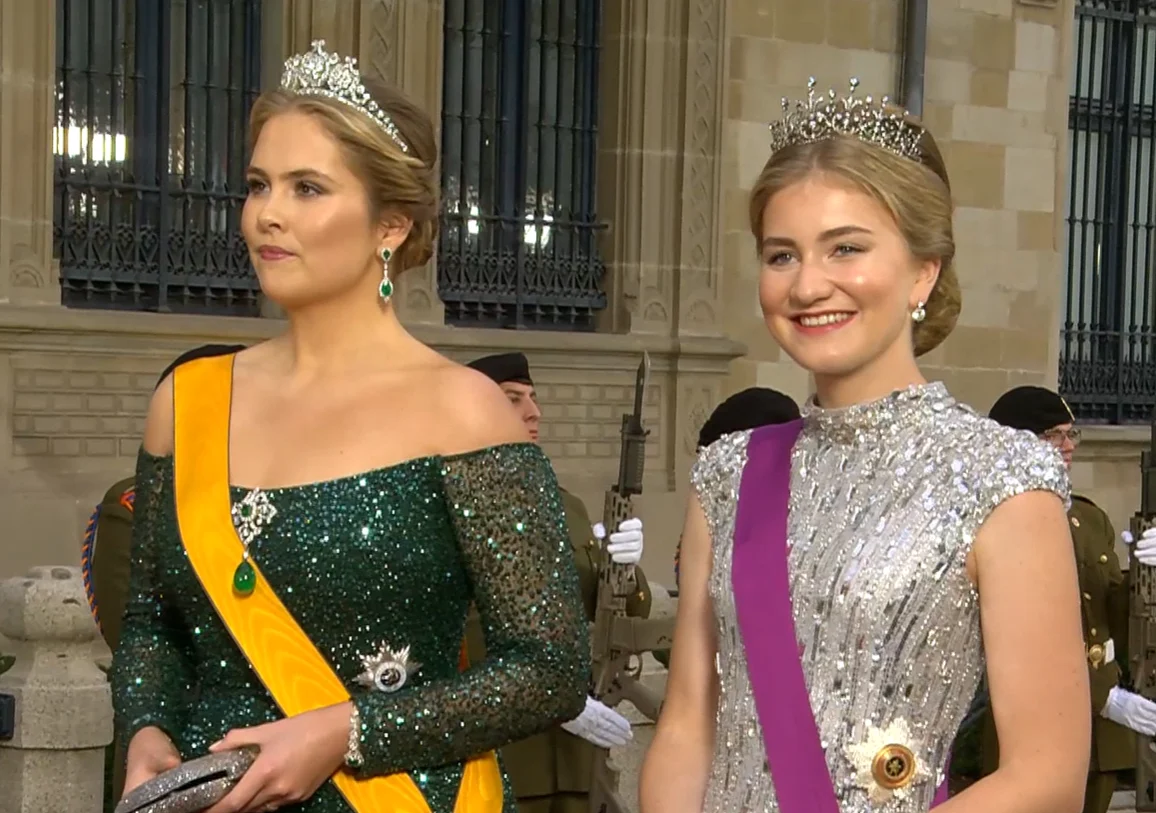
In a global landscape where monarchies are increasingly subject to public scrutiny and existential questioning, a quiet revolution is unfolding within the European royal houses. Far from the dazzling spotlights often associated with the continent’s more prominent crowns, Belgium’s King Philippe and Queen Mathilde have emerged as unexpected paragons of stability and enduring relevance. Their measured approach, once perceived by some as understated, has now positioned them as vital anchors in an era defined by royal uncertainty. As of 2026, many monarchs facing turbulent times would likely envy the steadying influence wielded by this Belgian royal couple, whose very presence seems to reinforce a monarchy once thought to be precariously balanced.
A Quiet Ascent to Prominence
While not household names on the same scale as their British counterparts or the more visible Scandinavian royals, King Philippe and Queen Mathilde have cultivated a unique brand of leadership that resonates deeply in the current climate. Philippe, aged 65, embodies a thoughtful and somewhat reserved demeanor, a stark contrast to the flamboyant personalities that can sometimes overshadow royal duties. His consort, Queen Mathilde, now 53, possesses a grace and dedication that has consistently grounded the royal family. Though their personal style might be described as classic rather than trend-setting, their collective impact has been profound. Their understated elegance and unwavering commitment to their constitutional roles have, paradoxically, made them the de facto stars of European royalty in this period of transition.
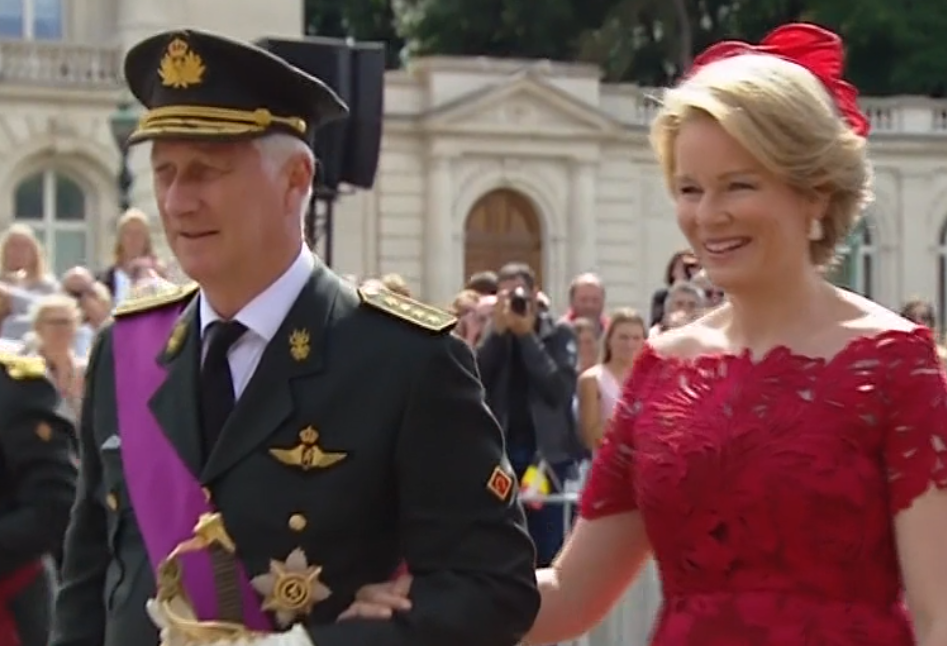
Their journey to this position of influence was not a meteoric rise, but rather a deliberate and long-term strategy. From the inception of their partnership in the late 1990s, King Philippe and Queen Mathilde harbored a shared objective: to fortify the Belgian monarchy and ensure its continued significance within the nation’s constitutional framework. They consciously eschewed the pursuit of glamour, fashion, or overt public adoration, opting instead for a more pragmatic and relatable approach. This strategy, focused on maintaining relevance and fostering public understanding, has proven remarkably prescient, anticipating a broader shift in public perception of royal institutions.
The Transformative Partnership: Mathilde’s Influence on Philippe
The quiet confidence exuded by the King and Queen has served them exceptionally well, a testament in large part to Queen Mathilde’s influence. When she married Philippe, then the heir to the Belgian throne, in 1999, he was perceived by many as an awkward and uncertain figure, lacking the innate confidence required for such a prominent public role. However, within months of their marriage, a remarkable transformation began to unfold. Mathilde brought a calming presence that allowed the genuine, more comfortable Philippe to emerge. This shift was particularly significant given the somewhat unconventional and often turbulent history of the Belgian royal family, making Philippe’s newfound composure a crucial stabilizing factor.
The Belgian monarchy has a complex lineage marked by periods of both immense popularity and significant controversy. Philippe’s father, King Albert II, was respected as a constitutional monarch who navigated Belgium’s intricate political landscape with skill. However, his reign was also shadowed by personal indiscretions, particularly rumors of infidelity within his marriage to the elegant Queen Paola. Paola, though often perceived as somewhat detached, was a striking figure. Their younger son, Prince Laurent, often embodied the "colorful character" that many royal dynasties seem to require, adding to the family’s unique, and at times, eccentric reputation.
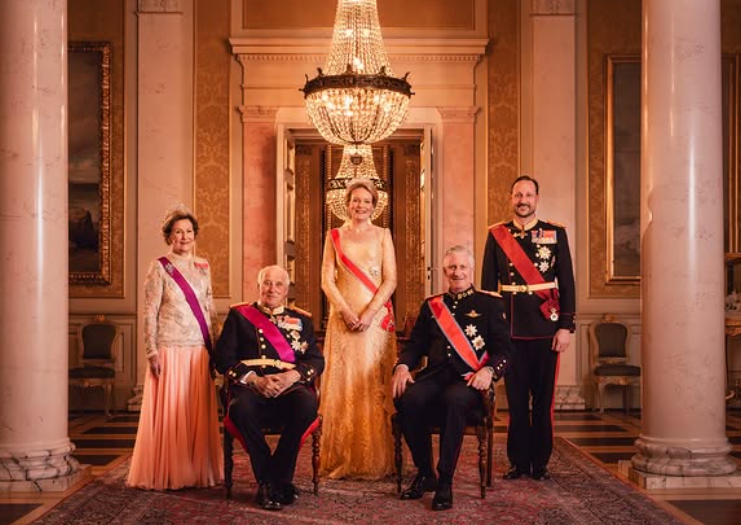
This backdrop of historical challenges underscored the importance of Philippe’s personal evolution. His uncle, King Baudouin, a deeply beloved figure, had succeeded his father, Leopold III, whose reign was marred by abdication and a series of crises. Philippe’s transformation from an awkward heir to a poised future king marked a critical turning point for the institution. Queen Mathilde, in turn, quickly became the most admired member of the royal family. When King Albert II made the surprising decision to abdicate in favor of his son in July 2013, the public’s response was largely celebratory of the new Queen, and the manner in which the new King and Queen embraced their roles solidified their destiny.
A Strategy of Steadfast Support and National Unity
Queen Mathilde’s approach to her royal duties has been characterized by a profound sense of support for her husband. Rather than seeking the spotlight for herself, she consistently positioned herself as a stabilizing force, subtly managing Philippe’s occasional public nervousness and ensuring he remained the central figure. This collaborative dynamic quickly led to Belgium having a Head of State who was not only recognized and respected but also demonstrably unlikely to court personal controversy. The couple, often seen with their young children, actively supported their eldest daughter, Princess Elisabeth, as she embarked on her own royal career, delivering measured speeches at significant national events.
This commitment to a unified and stable front became a hallmark of their reign. They have consistently presented an image of calm dedication, prioritizing national interests above all else. Even when King Albert II’s past indiscretions resurfaced, notably his admission of having an illegitimate daughter, Princess Delphine, Philippe and Mathilde handled the situation with remarkable composure. King Philippe readily welcomed his half-sister into the family, and she has since been integrated into public events, including National Day celebrations. This measured and inclusive response exemplifies their pragmatic approach to extraordinary circumstances, reinforcing their image as a modern and united royal family.
The Belgian Royal Visit to Norway: A Diplomatic and Royal Lifeline
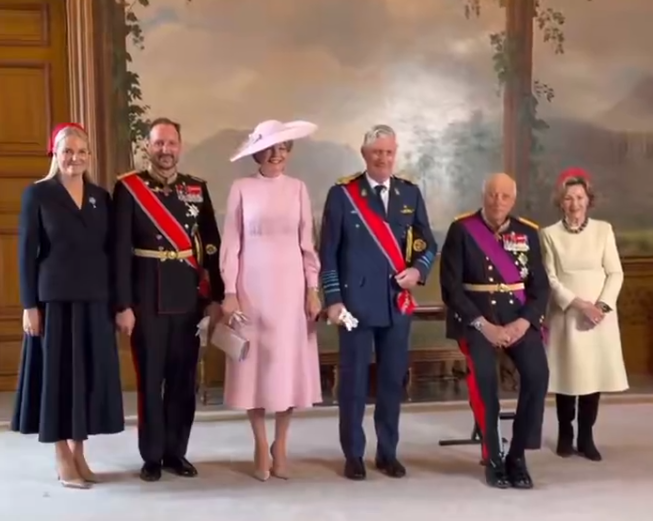
The strategic significance of the Belgian royal couple’s approach was underscored in March 2026 by their state visit to Norway. A few years prior, such a visit would have been a relatively minor event in the royal calendar, generating a brief surge of interest among royal aficionados before fading back into obscurity. However, in the current climate, the presence of King Philippe and Queen Mathilde in Oslo provided a much-needed boost to the Norwegian monarchy, which has been grappling with a significant decline in public approval.
The Norwegian royal family has faced considerable challenges in recent years. Crown Princess Mette-Marit, wife of Crown Prince Haakon and heir to the throne, has been entangled in controversy stemming from her past association with the convicted sex offender Jeffrey Epstein. Revelations from related legal documents brought this friendship to light, sparking intense public scrutiny. In a televised interview, the Crown Princess asserted she had been manipulated and declined to answer certain questions, a performance that was met with mixed reactions, while her husband remained largely silent by her side. Compounding these issues, Mette-Marit’s son from a previous relationship, Marius Borg Høiby, faced legal proceedings related to rape charges. These deeply damaging situations have eroded the once formidable popularity of the Norwegian royals, who had, at times, enjoyed approval ratings exceeding 90% just a decade earlier.
Against this backdrop, the state visit by King Philippe and Queen Mathilde took on heightened importance. The meticulously planned itinerary included a formal welcome ceremony with King Harald V and Queen Sonja, followed by a crucial, albeit delicate, task: reintroducing Crown Princess Mette-Marit to public life following her controversial interview. During a photocall ahead of lunch, the Crown Princess appeared alongside the Belgian royals, initially keeping to the periphery. It was Queen Mathilde who skillfully drew her into conversation, facilitating a more natural interaction. Later, at a state banquet, Queen Mathilde was seated with King Harald, who, in his address, spoke warmly of the Crown Princess, referring to her as "dear" and suggesting she would have attended the gala if she had not been unwell. This public endorsement from the visiting monarch and the Norwegian King served as a significant affirmation, demonstrating the quiet power of diplomatic support from Europe’s most stable royal couple.
Constructing a New Monarchy: Community, Equality, and Future Generations
King Philippe and Queen Mathilde are not merely preserving the monarchy; they are actively constructing a new model for it. While continuing to fulfill traditional engagements, they have placed a strong emphasis on community initiatives, weaving social responsibility into the fabric of their royal duties. This commitment extends to their children, who are increasingly shaping the future of the Belgian crown.
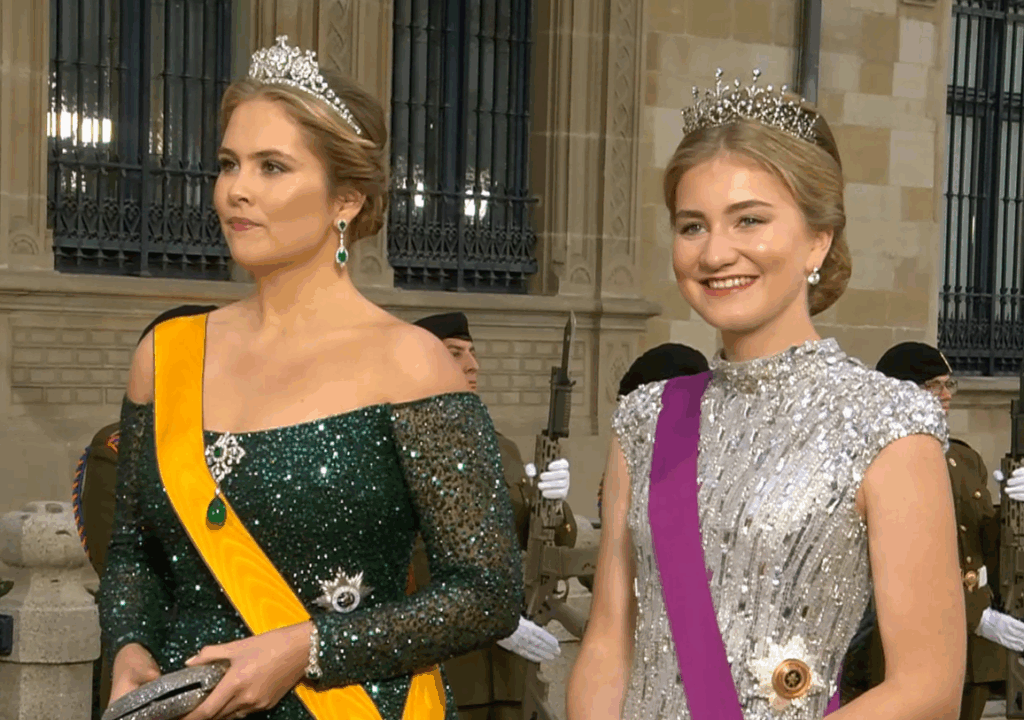
Princess Elisabeth, the heir to the throne, has made history as the first princess of her generation to undertake military service, a path subsequently followed by other female first-in-line heirs across Europe. This move was a pivotal moment, not only for the Belgian monarchy but for the broader perception of female royals. Princess Elisabeth’s commitment to military training has unequivocally demonstrated that equality within royal succession means that women poised to inherit the throne are as capable and dedicated as their male counterparts.
Their younger children are also forging their own paths, largely away from the intense glare of public attention. Prince Gabriel, their elder son, is continuing his military service, while Prince Emmanuel pursued a year of football training before moving on to further education. Their youngest, Princess Eleonore, is a talented musician, showcasing a diverse range of interests within the royal family.

As Princess Eleonore approaches her 18th birthday in the coming weeks, King Philippe and Queen Mathilde will find themselves at the helm of a fully realized, adult royal family. This transition will undoubtedly bring new challenges and expectations, but the couple appears well-prepared to meet them. Their reign has definitively proven that a steady, consistent, and principled approach can indeed lead to enduring success. In an era where monarchies are under unprecedented scrutiny and often drawn into a celebrity-driven media cycle that can be ill-suited to such venerable institutions, Belgium’s King and Queen are offering a compelling template for relevance and public trust. In a remarkable twist of fate, the royal couple once overlooked have become an inspiring example for monarchs across the continent.



 Yuyun Lusiyani
 Joko Widodo
 Pevita Pearce
 admin
admin
 Lina Irawan