
 Amara Maple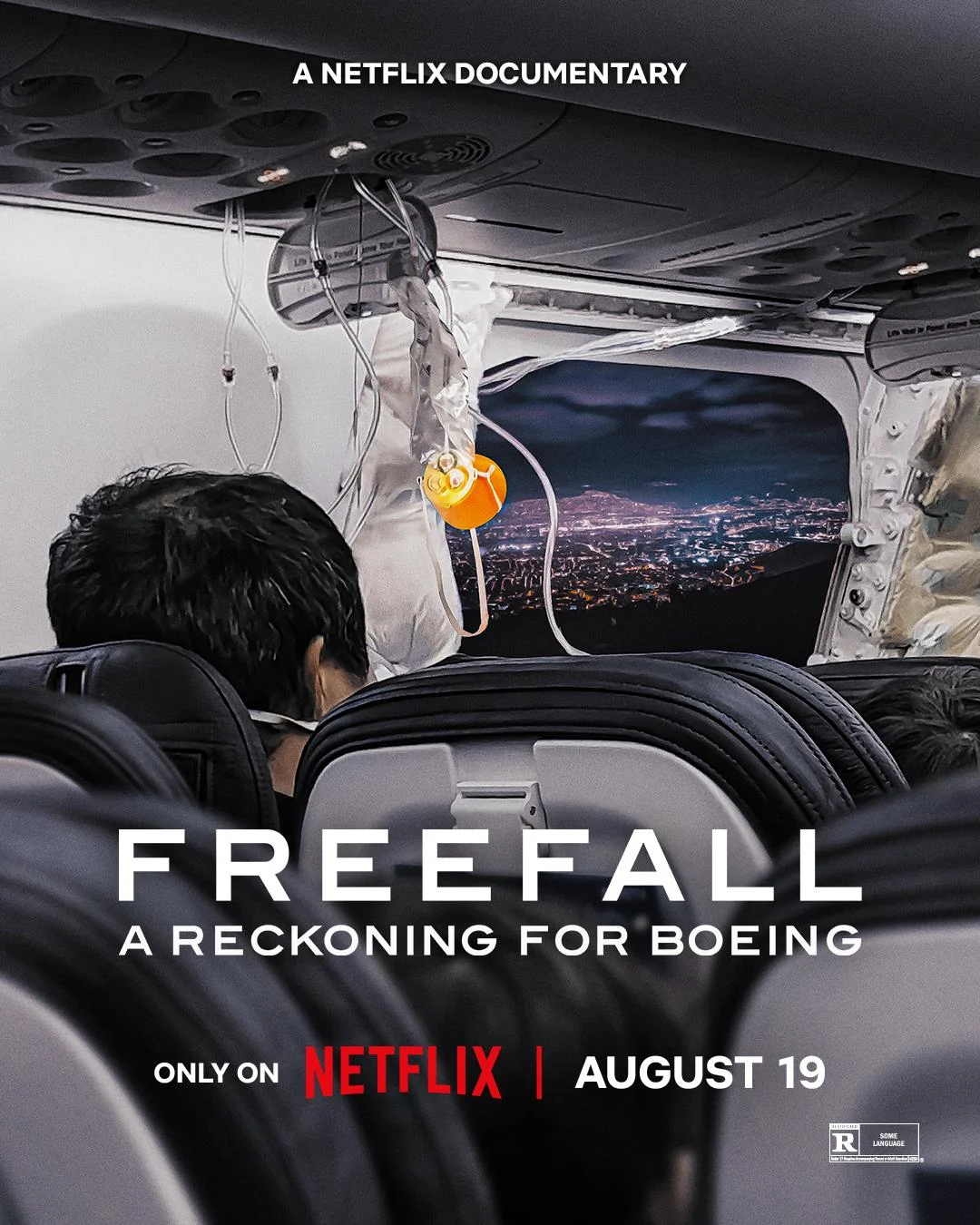
In March 2024, Boeing whistleblower John Barnett was found dead in his truck at a hotel in Charleston, South Carolina, a tragic event that occurred amidst a break in depositions for a whistleblower retaliation lawsuit against the aerospace giant. His death, ruled an alleged self-inflicted gunshot, sent shockwaves through the aviation industry and amplified long-standing concerns about Boeing’s manufacturing practices and safety culture. This incident forms a central pillar of Rory Kennedy’s new Netflix documentary, "Freefall: A Reckoning for Boeing," which launched on August 19, 2026, delving into the systemic issues plaguing the once-iconic company. The film, a follow-up to Kennedy’s 2022 documentary "Downfall: The Case Against Boeing," which explored the fatal 737 MAX crashes, continues to unearth disturbing revelations and give voice to those who have risked their careers to expose what they describe as a deteriorating safety environment.
The Whistleblower’s Battle: John Barnett’s Stand Against Boeing
John Barnett, a veteran quality control manager who had worked at Boeing for 32 years, became a prominent figure in the effort to highlight alleged safety lapses within the company. His concerns primarily revolved around the production of the 787 Dreamliner at Boeing’s North Charleston plant. Barnett claimed that under pressure to speed up production, workers were deliberately fitting sub-standard parts to aircraft, sometimes even salvaging parts from scrap bins. He also alleged issues with oxygen systems, asserting that a significant percentage of oxygen masks might fail in an emergency. Barnett’s complaints, first made public in 2019, painted a stark picture of a company prioritizing speed and cost-cutting over meticulous quality assurance.
Barnett had filed a lawsuit under the AIR21 Act, a federal law designed to protect aviation industry employees who report safety violations. His case alleged that Boeing retaliated against him for raising these critical safety issues, including transferring him to a different department and subjecting him to a hostile work environment. This lawsuit was at a crucial stage when his life ended abruptly.
A Tragic Interruption: Barnett’s Death During Deposition
The circumstances surrounding Barnett’s death are particularly poignant. He was in Charleston for the third day of his deposition in the AIR21 case. His attorney, Brian Knowles, recounted the sequence of events in an email to Corporate Crime Reporter at the time. "John had been back and forth for quite some time getting prepared," Knowles wrote. "The defense examined him for their allowed seven hours under the rules on Thursday. I cross examined him all day yesterday (Friday) and did not finish. We agreed to continue this morning at 10 a.m."
On Saturday morning, when Barnett failed to appear for the resumed deposition, co-counsel Rob Turkewitz repeatedly tried to reach him, but his phone went to voicemail. Concerned, they asked the hotel staff to check on him. He was subsequently found in his truck, deceased from what was reported as an "alleged self-inflicted gunshot." Knowles and Turkewitz drove to the hotel, where they spoke with police and the coroner. The unexpected nature of his death, particularly while engaged in a high-stakes legal battle against his former employer, fueled widespread speculation and calls for thorough investigation, even as authorities maintained the initial ruling of suicide.
"Freefall: A Reckoning for Boeing" – Unveiling Deeper Issues
Rory Kennedy’s "Freefall" picks up where "Downfall" left off, weaving Barnett’s story into a broader narrative of Boeing’s struggles. The documentary scrutinizes Boeing’s culture, its historical transformation, and the ripple effects of prioritizing profit margins over its renowned engineering prowess. The film features extensive testimony from whistleblowers, regulators, and families of victims, painting a comprehensive picture of a company grappling with a crisis of confidence.
The documentary not only delves into the immediate aftermath of Barnett’s death but also connects it to a series of shocking incidents that have recently plagued Boeing aircraft. Chief among these is the catastrophic door plug blowout on Alaska Airlines Flight 1282 in January 2024, where a panel detached mid-flight, forcing an emergency landing. This incident, occurring just weeks before Barnett’s death, highlighted ongoing manufacturing quality issues, particularly on the 737 MAX series, which was already under intense scrutiny. The National Transportation Safety Board (NTSB) investigation into the Alaska Airlines incident quickly focused on missing bolts that were supposed to secure the door plug, raising questions about production line oversight at both Boeing and its supplier, Spirit AeroSystems.
The film underscores Boeing’s alleged broken promises regarding enhanced safety and increased transparency. It provides a platform for those who, like Barnett, have risked their careers and reputations to expose what they perceive as deteriorating safety standards and chaotic conditions within the company’s factories. Through these voices, "Freefall" argues that the culture shift at Boeing, largely attributed to its 1997 merger with McDonnell Douglas, fundamentally altered its DNA, moving from an engineer-led ethos to a financially driven model. This shift, according to critics and whistleblowers, led to significant cost-cutting measures, including extensive stock buybacks, that allegedly compromised quality control and undermined the very foundations of the company’s sterling reputation.
Legal Ramifications and a Continuing Fight for Justice
In the wake of John Barnett’s death, his legal team, including attorneys Brian Knowles and Rob Turkewitz, pursued the outstanding legal actions. In an interview following the documentary’s release, Knowles confirmed the resolution of Barnett’s initial AIR21 Whistleblower Protection case, stating it "was resolved for an undisclosed sum." More significantly, Knowles revealed, "Then there was a follow up case we filed in federal court in South Carolina against Boeing alleging a wrongful death and abuse of process. We are consummating the settlement in that case. We still have to get court approval."
The wrongful death lawsuit implicitly echoed the sentiment voiced by Rob Turkewitz in the documentary: "while Boeing might not have pulled the trigger, they nonetheless caused John Barnett’s death." This powerful statement reflects the legal team’s belief that the immense pressure, retaliation, and stress associated with his whistleblowing and subsequent legal battle contributed to his ultimate demise. The settlement of this case, pending court approval, marks a significant, albeit posthumous, acknowledgment of the severe impact Boeing’s alleged actions had on Barnett.

The Whistleblower Effect: Inspiring a Chorus of Voices
Perhaps one of the most striking consequences of John Barnett’s death, as highlighted in "Freefall" and corroborated by his legal team, has been the dramatic increase in other whistleblowers coming forward. Knowles noted, "We started being contacted by dozens and dozens of folks within the aviation industry that had concerns. They were inspired by John and what he had done. He inspired a lot of people to come forward – people who had previously hesitated about coming forward."
This surge of new voices suggests that Barnett’s sacrifice, tragic as it was, served as a catalyst for others who had witnessed similar issues but feared reprisal. These individuals, many of whom possess deep institutional knowledge and technical expertise, are now stepping forward, emboldened by the spotlight cast on Boeing’s practices. "John was an honest person who had a lot of integrity. Those are the characteristics folks who speak up typically have," Knowles explained. "People felt that John Barnett shouldn’t be the only one out there carrying this. If they were seeing issues within the company, they felt compelled to speak out after hearing about what happened to him."
Boeing’s Internal Struggles and Ineffective Reforms
The documentary and interviews with legal counsel portray Boeing as a company struggling to genuinely reform its culture. Despite implementing initiatives like the "Speak Up" program, intended to provide a safe channel for employees to report concerns, the program appears to have fallen short. Brian Knowles cited the case of Sam Mohawk, a 737 MAX program employee in Renton, Washington, who filed an AIR21 complaint after his "Speak Up" report was allegedly directed to the very managers he was complaining about. This internal referral system, according to critics, undermines the program’s credibility and deters genuine reporting. While Mohawk’s case was reportedly resolved, and he remains employed, it exemplifies the deep-seated mistrust many employees harbor regarding internal reporting mechanisms.
Currently, Knowles represents approximately eight to ten Boeing and Spirit AeroSystems employees, assisting them in blowing the whistle to government agencies. This ongoing influx of concerns suggests that despite public scrutiny and regulatory pressure, the fundamental cultural issues at Boeing persist.
The Broader Implications: A Crisis of Trust in Aviation
The narrative surrounding Boeing extends beyond a single company; it raises profound questions about corporate accountability, regulatory oversight, and the integrity of a global industry responsible for millions of lives daily. The recurring themes of cost-cutting, outsourcing, and a perceived erosion of engineering authority have led to a crisis of public trust, not just in Boeing, but in the broader aviation ecosystem.
Merle Meyers, a third-generation Boeing employee and former quality manager, featured in "Freefall," exemplifies this cultural shift. Meyers, who publicly blew the whistle in April 2024 via a New York Times interview, discovered corroded 787 landing gear axles that had been scrapped were being reinstalled on planes. His disheartening conclusion, that there would not be a fourth generation of his family working at Boeing, highlights the loss of institutional knowledge and loyalty that once defined the company.
The list of whistleblowers — including Sam Mohawk, Roy Irvin, Bill Seitz, Merle Meyers, Sam Salehpour, Cynthia Kitchens, and John Barnett himself — represents a collective cry for a return to Boeing’s foundational values. "The company should want people like [them]… all of these other folks who have stood up and tried to tell the company – you are doing it the wrong way, here are the issues that need to be addressed, fix them," Knowles stated. "But no, when they raised these issues, they were retaliated against."
The Path Forward: Rebuilding Trust and Prioritizing Safety
Boeing, as one of the largest organizations in the United States, a top exporter, and a critical part of the defense industry, is deemed "a company that cannot fail." However, its current trajectory, marked by repeated incidents and a chorus of whistleblower alarms, necessitates a fundamental overhaul. "It’s not something where the company will just heal and get better overnight and get back on track. It’s a large organization and it’s going to take a lot of strong leadership to turn itself around. It’s going to be a long process," Brian Knowles observed.
The message from "Freefall" and the ongoing experiences of whistleblowers is clear: the company must reverse its culture and prioritize quality and safety above all else, moving away from a profit-centric approach that allegedly led to "stripmining the company" and excessive stock buybacks. The hope is that documentaries like "Freefall," created by filmmakers like Rory Kennedy who aim for social impact, can contribute to this necessary transformation.
Ultimately, the goal is not to see Boeing fail, but to see it regain its position as a flagship of the aviation industry, synonymous with unparalleled safety and engineering excellence. This requires a profound shift in how the company responds to internal criticism. As Knowles concluded, the true measure of change will be when he stops receiving calls from employees reporting retaliation, indicating that their complaints are being taken seriously and problems are being genuinely addressed, thereby ensuring the safety of the flying public. The journey to restore trust and ensure the integrity of the skies remains an ongoing, critical endeavor.


 Joko Widodo
 admin
admin
 Lina Irawan
 Jia Lissa
 Yuyun Lusiyani
 Pevita Pearce