
 Jia Lissa
In a significant shift in trade and agricultural policy, President Donald Trump announced on Friday a temporary suspension of out-of-quota tariffs on ground beef imports. The move is designed to provide immediate relief to American consumers facing record-high grocery bills as the nation approaches critical midterm elections this November. Under the newly unveiled plan, the United States will permit the entry of up to 300,000 metric tons of beef specifically intended for ground beef production over the next 90 days without the standard restrictive tariffs usually applied to imports exceeding established quotas.
The announcement, delivered via the President’s Truth Social platform, positions the move as a direct intervention to stabilize a volatile food market. President Trump framed the decision as a necessary corrective measure for what he described as years of agricultural mismanagement under his predecessor, President Joe Biden. By flooding the market with more affordable imported lean meat, the administration aims to lower the retail price of ground beef—a staple of the American diet—while providing domestic ranchers with the breathing room necessary to expand their herds without the pressure of immediate supply shortages.
The Economic Context: Record Highs and Consumer Pressure
The administration’s decision comes at a time of heightened economic anxiety. According to the latest data from the Bureau of Labor Statistics (BLS), the average price of a pound of ground beef reached $7.116 in July, marking a 9.4% increase from the same period last year. These prices represent near-record levels, placing a significant strain on household budgets already stretched by inflation in housing, healthcare, and utilities.
For many voters, the "kitchen table" economy is defined by the cost of staples. Beef, as a primary protein source, serves as a high-visibility indicator of overall economic health. The administration noted that the current price trajectory is unsustainable for the average family. By targeting ground beef specifically—which is often used in budget-friendly meals—the White House is attempting to signal a commitment to lowering the cost of living for middle- and lower-income Americans.
The 300,000 metric ton quota is substantial. To put this in perspective, the United States typically imports around 1.5 million metric tons of beef annually. Adding 300,000 tons over a mere 90-day window represents a massive surge in supply, intended to shock the pricing mechanism at the retail level. President Trump asserted that his administration has secured commitments ensuring this imported product will be sold at 25 percent below current market rates.
Historical Challenges: The Shrinking American Cattle Herd
A central component of the President’s argument is the current state of the domestic cattle industry. The U.S. beef cow herd has recently fallen to its smallest size in modern history, a phenomenon experts attribute to a combination of multi-year droughts in the Southern Plains, skyrocketing feed costs, and broader inflationary pressures on ranching operations.
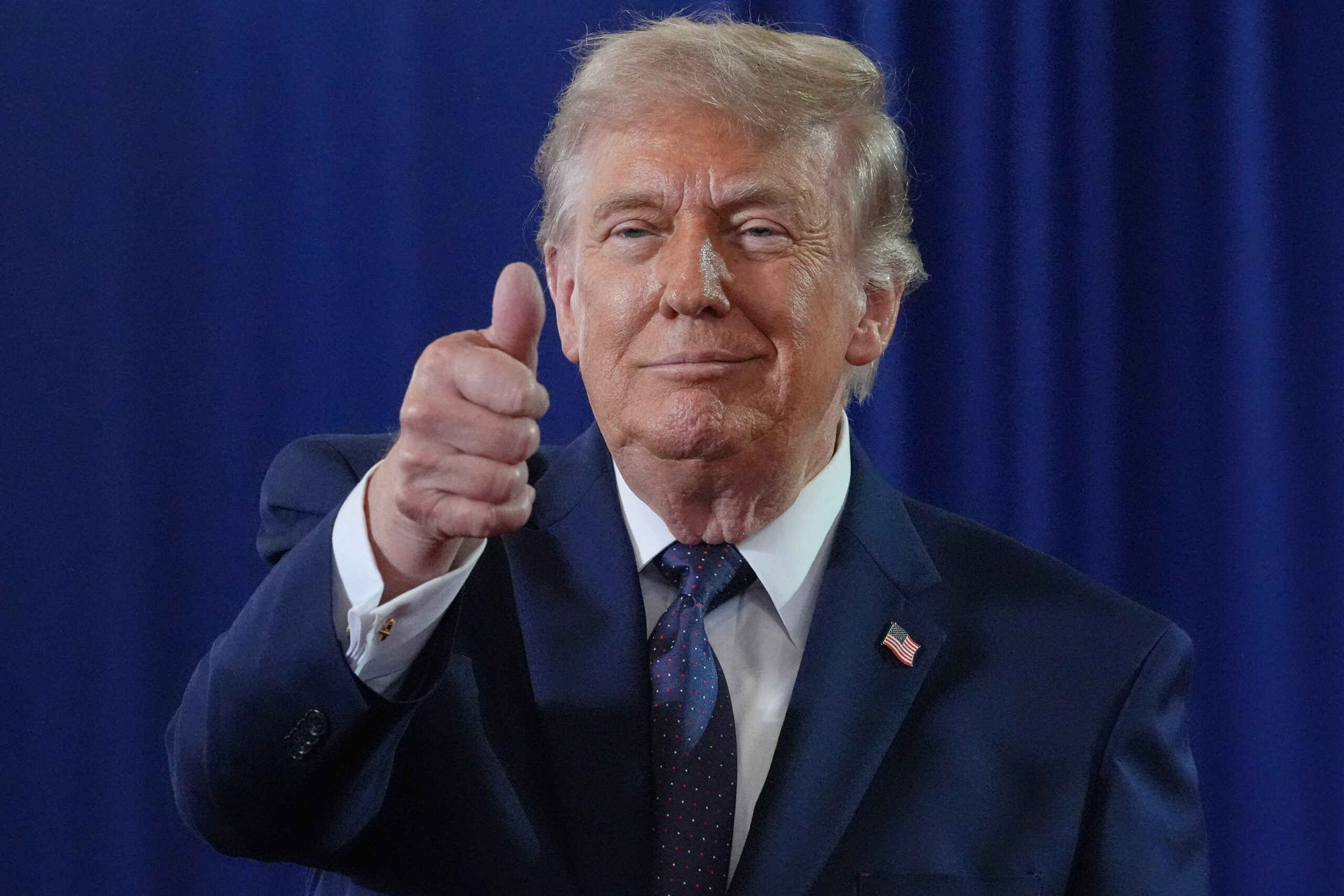
"As everyone knows, under President Biden, beef prices soared at their fastest rate and the American beef herd fell to its smallest size in modern history," Trump wrote in his announcement. He argued that the domestic industry requires a period of "rebuilding" to return to full capacity.
Agricultural analysts note that the biological cycle of cattle production is slow; it takes years to breed, raise, and process new cattle. By allowing a temporary influx of foreign beef, the administration hopes to satisfy current demand without forcing domestic producers to liquidate even more of their breeding stock to meet market needs. This "breathing room" is intended to allow ranchers to retain heifers for herd expansion rather than sending them to slaughter, which would ideally lead to a more sustainable and lower-priced domestic supply in the long term.
Strategic Trade Moves and International Relations
This tariff relief is the latest in a series of efforts by the Trump administration to diversify and bolster the U.S. food supply chain. Earlier this year, the administration explored increased imports from Argentina and worked to streamline the resumption of live cattle shipments from Mexico.
The 90-day tariff holiday specifically targets "out-of-quota" imports. Most countries that export beef to the U.S. operate under a quota system; once they exceed their allotted amount, they are hit with a 26.4% tariff. By removing this barrier for the next three months, the U.S. is incentivizing major exporters like Brazil, Australia, and New Zealand to divert more of their product to American shores.
While the administration has not specified exactly which countries will provide the bulk of the 300,000 metric tons, trade experts suggest that nations with large lean-beef surpluses are the most likely candidates. Ground beef in the U.S. is often a blend of lean imported meat and fattier domestic trimmings, making these imports essential for the production of the final retail product found in grocery stores.
Political Implications and the Midterm Landscape
The timing of the announcement is inextricably linked to the political calendar. With the midterm elections scheduled for November, the Republican party is facing mounting pressure to demonstrate tangible progress on inflation. Control of both the House of Representatives and the Senate hangs in the balance, and voter sentiment surveys consistently rank the cost of food and fuel as top concerns.
By taking executive action to lower beef prices, the President is attempting to seize the narrative on the economy. The promise of a 25% reduction in ground beef prices is a potent campaign talking point. However, political opponents and some industry skeptics may view the move as a short-term "band-aid" designed to influence voters rather than a comprehensive solution to the underlying issues of supply chain fragility and agricultural sustainability.
Democratic lawmakers have historically been wary of lifting tariffs, often citing the need to protect domestic producers from "dumping" by foreign competitors. Conversely, some fiscal conservatives within the Republican party may applaud the move as a return to free-market principles that benefit the consumer.
Industry and Stakeholder Reactions
The reaction from the agricultural sector has been mixed. Organizations such as the National Cattlemen’s Beef Association (NCBA) have long advocated for policies that support domestic production and protect against unfair foreign competition. While they acknowledge the need to rebuild the herd, there is an inherent fear that a sudden influx of cheap foreign beef could suppress the prices that American ranchers receive for their cattle, potentially hurting the very people the administration claims to be helping.
On the other hand, consumer advocacy groups and retail associations have largely welcomed the news. "Any move that provides immediate relief at the checkout counter is a win for the American family," said one retail industry spokesperson. "High beef prices have forced many consumers to trade down or cut back on essential proteins. This surge in supply should help stabilize the market."
Economists warn, however, that the logistics of a 90-day window are complex. Shipping, processing, and distributing 300,000 metric tons of beef requires a highly coordinated effort. There are also questions regarding whether the 25% price reduction will be fully passed on to consumers or if meatpackers and retailers will absorb a portion of the savings to bolster their own margins.
Long-Term Outlook and Analysis
The 90-day tariff suspension is a high-stakes gamble. If successful, it could provide a visible win for the administration, lowering grocery bills just as voters head to the polls. It could also provide the necessary window for the "Great American Beef Herd" to begin its recovery process.
However, if the imported supply fails to significantly move the needle on retail prices, or if it causes long-term damage to the domestic ranching economy by devaluing American cattle, the policy could backfire. Furthermore, the temporary nature of the relief raises questions about what happens on the 91st day. Without a sustained increase in domestic production or a permanent change in trade policy, prices could potentially rebound once the tariffs are reinstated.
As the administration moves forward with this plan, the eyes of the nation will be on the meat aisle. The success of this initiative will be measured not just in metric tons, but in the cents-per-pound savings realized by American families. In the high-stakes environment of an election year, the price of a hamburger has become a central battleground for the future of American economic policy.


 Yuyun Lusiyani
 Joko Widodo
 Pevita Pearce
 admin
admin
