
 Jia Lissa
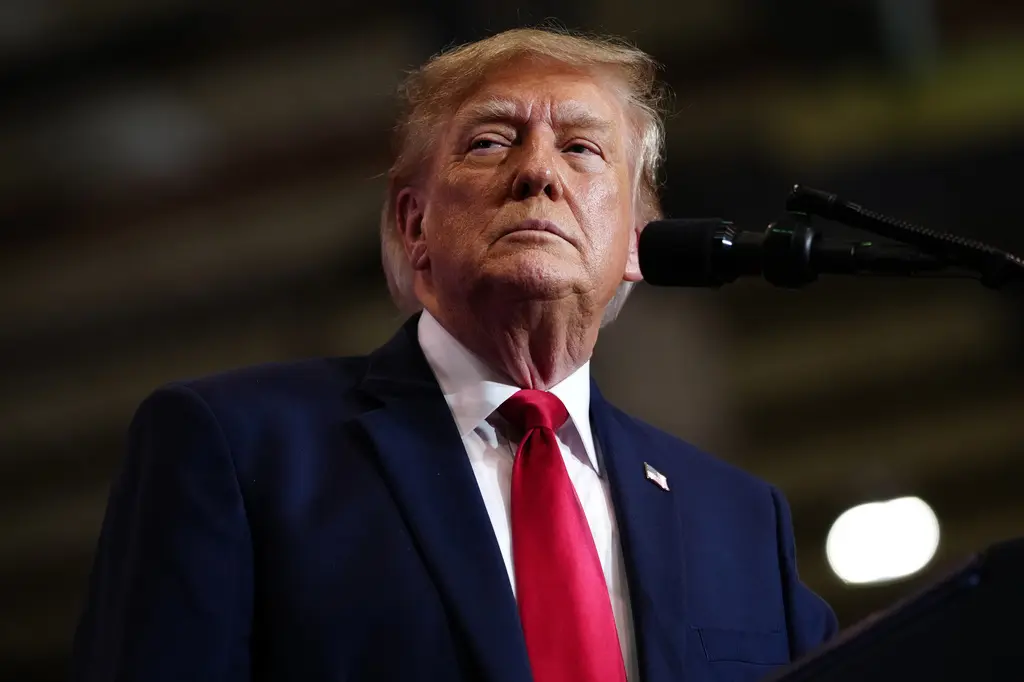
The intersection of presidential decorum, media relations, and campaign logistics reached a new point of friction this weekend as President Donald Trump utilized his social media platform to intensify a personal dispute with a member of the White House press corps. On Saturday morning, the President took to Truth Social to double down on disparaging remarks directed at Reuters White House correspondent Jacob Bogage, following a heated verbal exchange earlier in the week regarding the President’s campaign schedule and physical stamina.
The escalating rhetoric began when President Trump posted a photograph of Bogage accompanied by a caption that reiterated previous insults regarding the journalist’s physical appearance. “Put yourself in shape. You look like h*ll!” the President wrote, further labeling the correspondent as a representative of “Reuters (One of the Worst!).” This digital escalation follows an in-person confrontation during which the President reacted sharply to a question regarding the sudden cancellation—and subsequent rescheduling—of a high-profile campaign rally in Kansas.
The Genesis of the Conflict: A Question of Campaign Stamina
The friction between the executive branch and the Reuters correspondent originated from a line of questioning regarding the President’s recent travel intensity. During a press interaction earlier in the week, Bogage inquired whether the President was considering skipping a scheduled rally in Kansas due to being “sick of traveling.” The inquiry came amidst a grueling multi-state campaign swing that has seen the President maintain a rigorous schedule of public appearances.
The President’s reaction was immediate and visceral. “He said, you are not going to Kansas, sir? Are you feeling well? You have been following me for two weeks. I feel perfect,” Trump told the reporter during the exchange. He then pivoted to personal vitriol, stating, “You are disgusting. Put yourself in shape. You look like h*ll.”
The exchange highlights a recurring theme in the President’s interactions with the media, where questions regarding his health, age, or endurance are often met with aggressive counter-attacks. By moving the confrontation from a verbal exchange to a social media post featuring the reporter’s likeness, the President has effectively expanded the scope of the conflict, drawing his millions of followers into a targeted critique of a specific member of the press.
The Kansas Rally Reversal: Political Strategy vs. Logistics
Central to the tension is the fluctuating status of a campaign event intended to support Senator Roger Marshall (R-KS). Initially, the Trump campaign signaled that the Kansas rally would be canceled, sparking widespread speculation among political analysts and GOP insiders. The President’s initial justification for the cancellation was that Senator Marshall was performing exceptionally well in his re-election bid, suggesting that presidential intervention was no longer a strategic necessity.
“I was going to Kansas, but Roger Marshall is doing so well that I don’t think I have to go,” Trump remarked. However, this assertion was met with skepticism by data analysts and political operatives. Recent polling data from the region suggests a much tighter race than the President’s narrative implies. Several non-partisan surveys have shown Marshall locked in a statistical dead heat with his challenger, with some internal GOP polling reportedly showing the incumbent trailing by narrow margins.
Following the initial cancellation and the ensuing media scrutiny, campaign officials announced that the rally had been revived for Sunday. The administration clarified that the confusion stemmed from a “rearrangement” of the President’s itinerary to accommodate “tele-rallies”—a digital-first campaigning method that allows the President to reach multiple battleground districts without the logistical burden of physical travel. Despite these official explanations, the rapid reversal has fueled a narrative of internal campaign volatility.
Internal GOP Reactions and Media Criticism
The discrepancy between the President’s public statements and the political reality on the ground in Kansas has drawn sharp criticism from media figures and political insiders. Joe Scarborough, host of MSNBC’s Morning Joe, provided a scathing assessment of the situation, citing conversations with Republican operatives.
“What he’s saying about canceling and why he canceled is a lie,” Scarborough stated during a Friday broadcast. He elaborated that GOP insiders had expressed deep concern over the state of the Kansas race, quoting one operative who claimed the race had been “gone for a week.” According to this perspective, the President’s initial decision to cancel was less about Marshall’s strength and more about a desire to avoid being associated with a potential loss in a traditionally Republican stronghold.
The decision to revive the rally suggests a pivot in strategy, likely prompted by the need to shore up the base in a state that has become unexpectedly competitive. This “on-again, off-again” nature of the event has created a logistical challenge for local law enforcement and event organizers, while also providing fodder for critics who argue the campaign is struggling with consistent messaging.
The Air Force One Flyover Controversy
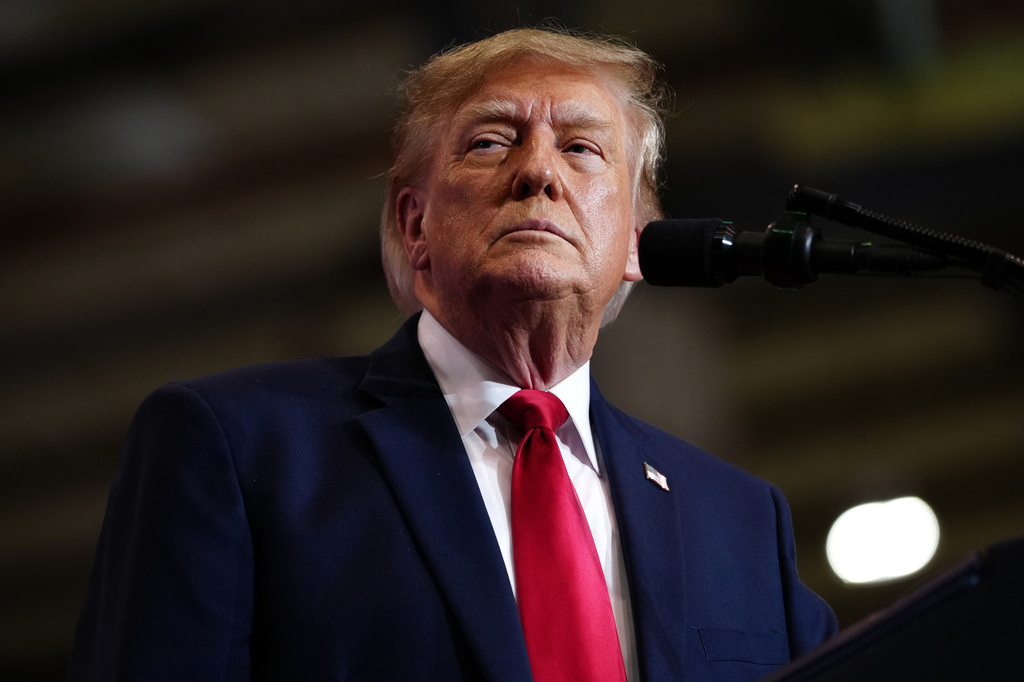
Adding to the week’s controversies was a series of low-altitude maneuvers involving Air Force One. On Saturday, the President posted an image of the iconic VC-25A aircraft flying in close proximity to the Washington Monument. This followed video footage from earlier in the week that showed the aircraft performing what appeared to be a “fly-by” of the White House and the National Mall, a move that startled tourists and residents alike.
While flyovers are often choreographed for holidays or major sporting events, this unscheduled maneuver drew criticism for its perceived lack of necessity and potential safety implications. Audio recordings of air traffic controllers and pilots in the D.C. area captured expressions of confusion and frustration. “How many more fly-bys is he doing?” one pilot was heard asking, reflecting the disruption the stunt caused to standard aviation patterns in the highly restricted Special Flight Rules Area (SFRA) surrounding the capital.
The President’s decision to share the image on social media suggests he views the flyover as a display of strength and executive presence, despite the technical and procedural concerns raised by aviation professionals. It serves as another example of the President’s preference for high-visibility, unorthodox displays of authority that bypass traditional institutional norms.
Broader Implications for Press Freedom and Journalistic Access
The targeted shaming of Jacob Bogage is not an isolated incident but rather part of a broader pattern of behavior regarding the administration’s relationship with the press. For years, the President has characterized major news organizations as “the enemy of the people,” a rhetorical strategy designed to undermine the credibility of critical reporting.
By focusing on the physical attributes of a reporter rather than the substance of the question, the President utilizes a tactic known as ad hominem—attacking the person rather than the argument. Press freedom advocates argue that such behavior creates a hostile environment for journalists, potentially leading to self-censorship or a reduction in the rigorous questioning necessary for executive accountability.
The White House Correspondents’ Association (WHCA) has previously issued statements condemning personal attacks on its members, emphasizing that journalists should be able to perform their duties without fear of being singled out for public ridicule by the most powerful office in the world. As of Saturday afternoon, Reuters has not issued a formal rebuttal to the President’s latest social media post, though the organization has historically defended its reporters’ right to ask challenging questions.
Timeline of Recent Events
To understand the current friction, it is helpful to look at the chronology of the past 72 hours:
- Thursday Morning: Rumors circulate within the GOP that the Kansas rally for Senator Roger Marshall is being canceled.
- Thursday Afternoon: President Trump confirms the cancellation, citing Marshall’s “strong polling” as the reason. Media outlets immediately point to data showing the race is actually competitive.
- Friday Morning: During a press gaggle, Jacob Bogage asks the President if the cancellation is due to travel fatigue. The President responds with personal insults.
- Friday Evening: Reports emerge of Air Force One performing low-altitude maneuvers over Washington D.C., causing alarm among local residents.
- Saturday Early Morning: The Trump campaign officially announces the revival of the Kansas rally for Sunday, citing a "scheduling rearrangement."
- Saturday Mid-Morning: The President posts a photo of Bogage on Truth Social, doubling down on the "out of shape" insults and attacking Reuters’ credibility.
- Saturday Noon: The President shares a photo of the Air Force One flyover, signaling his approval of the controversial stunt.
Fact-Based Analysis of the Political Landscape
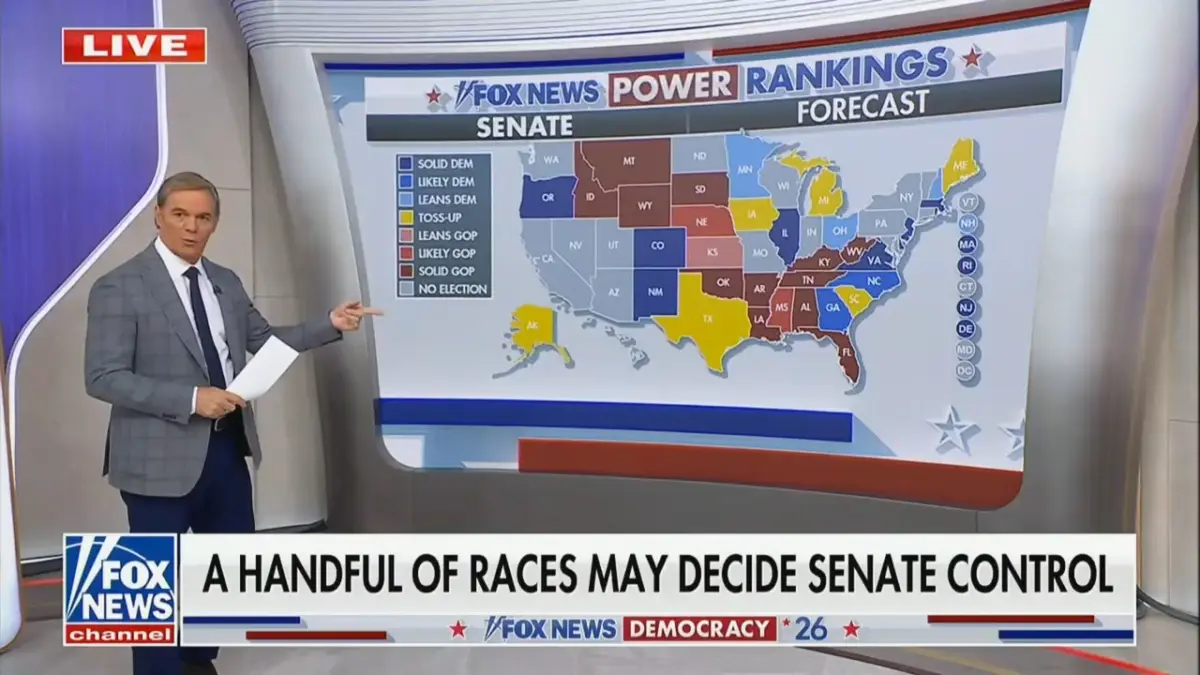
The President’s focus on Kansas is telling of the current electoral map. Traditionally a “red” state, Kansas has seen a shift in suburban demographics that has made statewide races more competitive for Democrats. Senator Roger Marshall, who is seeking to maintain the seat for the Republicans, faces a significant challenge in a year where healthcare and economic stability are top-of-mind for voters.
The President’s involvement is a double-edged sword; while he can mobilize the core Republican base, his presence often galvanizes the opposition and can alienate moderate voters who are sensitive to the type of personal rhetoric displayed in the Bogage incident. The decision to ultimately hold the rally suggests that the internal campaign data indicates a high risk of losing the seat, necessitating the President’s “get out the vote” capabilities despite the logistical and PR hurdles encountered this week.
Furthermore, the focus on "stamina" and "physical shape" is a recurring motif in the President’s political lexicon. By projecting these concerns onto a reporter, the President seeks to flip the narrative regarding his own age and the rigors of the campaign trail. This psychological strategy is a hallmark of his communication style, designed to put critics on the defensive while projecting an image of vitality to his supporters.
As the campaign enters its final stages, the frequency and intensity of these interactions are expected to increase. The incident with Jacob Bogage serves as a case study in the modern presidency’s use of social media to bypass traditional media filters and engage in direct, often personal, conflict with the Fourth Estate. Whether this strategy aids in his electoral goals or further polarizes the electorate remains a central question for political observers heading into the weekend’s revived campaign events.


 Nila Kartika Wati

 Eva Lovia

 Lina Irawan

 Yuyun Lusiyani

 Ana Megawati

 Joko Widodo
