
 Yuyun Lusiyani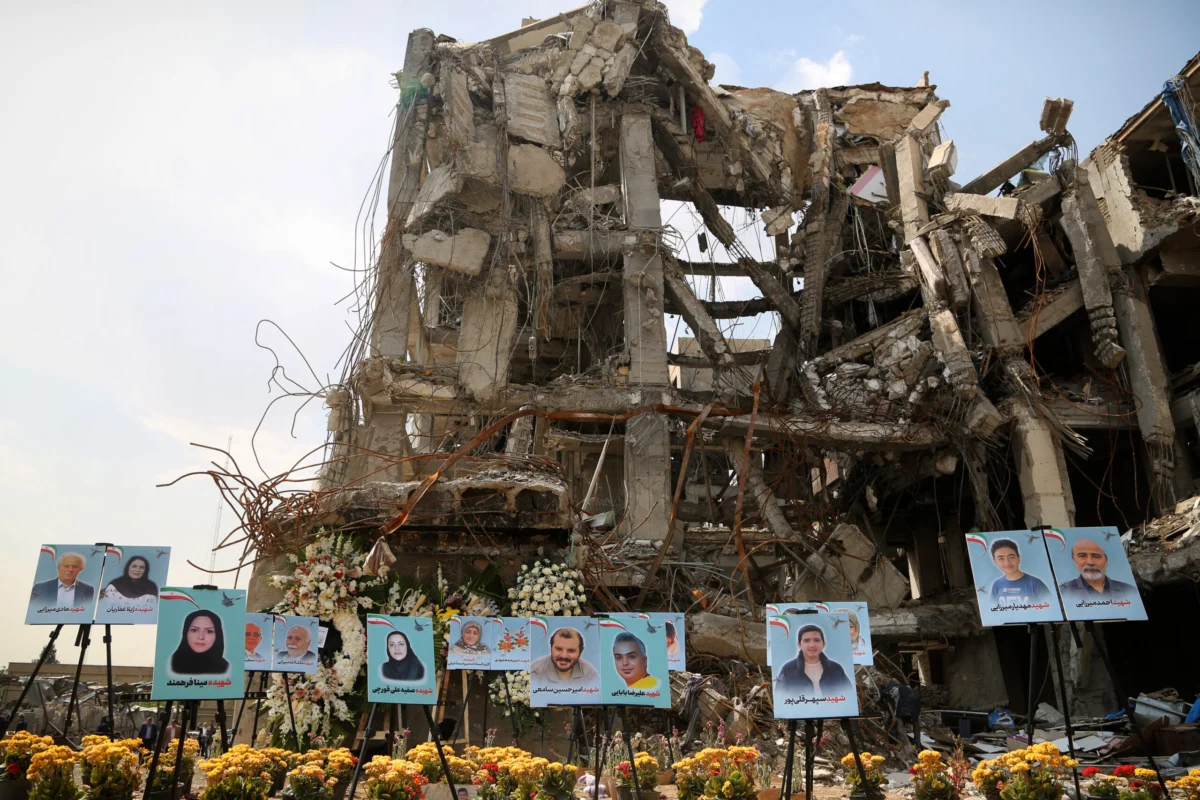
Three years ago, the United States Department of Defense embarked on an ambitious and widely lauded international initiative designed to fundamentally transform the protection of civilians during armed conflict, a movement forged in the crucible of the devastating and bloody lessons learned from prolonged engagements in Afghanistan and Iraq. This pioneering endeavor saw the Pentagon actively cultivate a robust network of collaboration with key European partners, spearheading the crucial development of shared operational standards and best practices aimed at minimizing civilian harm. At the time, leading civilian harm experts hailed this moment as a "unique opportunity" for American global leadership, demonstrating commitment through tangible action and setting a powerful precedent for other nations to follow. However, these once-promising efforts now continue, albeit conspicuously, without the United States, following a controversial decision by Defense Secretary Pete Hegseth to dismantle the nation’s dedicated civilian protection mission.
The stark reality of this withdrawal was underscored on Thursday, as no U.S. delegation was present in the room when the International Contact Group on Civilian Harm Mitigation and Response (ICG) – an international forum that the U.S. itself co-founded – convened at NATO headquarters in Brussels, Belgium. This absence from a summit on a mission the Pentagon had actively encouraged its allies to embrace sends a chilling message, reinforcing a perceived abandonment of critical humanitarian principles. Current and former officials, many of whom spoke to ProPublica on condition of anonymity due to profound fears of retaliation from the administration, described the U.S. step back as both "humiliating" for the nation’s international standing and "dangerous" for global civilian populations. Their concerns are not abstract; they point to credible reports of a disturbing rise in civilian casualties in regions like Iran, following military strikes that have reportedly impacted schools and residential areas, highlighting the immediate and dire consequences of diminished protection protocols.
"There will be a day when people who care about mitigating civilian harm can come back and say, ‘OK, are we ready to solve this problem?’" reflected Jenny McAvoy, a former Defense Department official who played a pivotal role in shaping the U.S. civilian protection program. "But there are already enormous consequences of abandoning this work, impacting lives and undermining long-term stability." The Pentagon, when pressed for comment regarding the lack of U.S. participation in the Brussels talks, maintained a concise stance. A spokesperson had previously informed ProPublica that the Defense Department continues to integrate civilian protections into all phases of operational planning and "remains committed to fulfilling its civilian harm mitigation and response responsibilities," a statement many critics view as inconsistent with the observable actions.
The Genesis of Civilian Harm Mitigation and Response (CHMR)
The adoption of the Civilian Harm Mitigation and Response (CHMR) mission by the Pentagon in 2022 was not an overnight decision but the culmination of years of intense scrutiny and growing international pressure following the extensive bloodshed witnessed throughout the post-9/11 "forever wars." These conflicts, characterized by asymmetric warfare, counter-insurgency operations, and a heavy reliance on air power and drone strikes, frequently resulted in unintended but devastating harm to noncombatants. Incidents such as the widespread civilian casualties in urban battles in Iraq, the tragic mistaken targeting of wedding parties or medical facilities in Afghanistan, and the pervasive psychological impact of drone strikes on local populations, drew widespread international outrage and sparked urgent calls for greater accountability and transparency.
The CHMR framework, pronounced "chimmer," was designed to be a comprehensive and proactive approach, moving beyond merely acknowledging "collateral damage." It mandated the establishment of a specialized center dedicated to the meticulous collection and analysis of strike data, intended to identify patterns, learn from mistakes, and inform future operational planning. Crucially, it also called for the embedding of civilian harm advisers within regional commands. These experts were tasked with providing real-time guidance to mitigate risks to noncombatants at every stage of military operations, from target selection to post-strike assessments. The underlying philosophy was clear: protecting civilians was not just a moral imperative but also a strategic necessity, essential for winning hearts and minds, maintaining legitimacy, and ultimately achieving long-term security objectives.
Building an International Coalition: A Shared Imperative
Not long after establishing its own CHMR framework, the U.S. recognized the critical need for international coordination and collaboration. In 2023, it teamed up with the Netherlands to co-found the International Contact Group on Civilian Harm Mitigation and Response. This partnership was deeply rooted in shared experiences and a mutual reckoning with the profound impact of civilian casualties. Both nations had been frequent military partners in recent campaigns, including the protracted fight against the Islamic State group, and both were grappling with the fallout from high-profile civilian casualty incidents.
For the United States, the years of harm inflicted in Iraq and Afghanistan had not only generated international condemnation but also prompted sincere pledges from military commanders to improve data collection, enhance investigative processes, and rigorously learn from deadly mistakes. The imperative to rebuild trust with local populations and allied nations was paramount.
The Dutch experience provided a stark and immediate catalyst for their commitment to CHMR. The Netherlands was still addressing the profound fallout from a devastating 2015 operation in Iraq. During this incident, air strikes targeting a car-bomb factory inadvertently ignited a nearby munitions depot, triggering an enormous secondary explosion that tragically killed at least 70 civilians and wounded hundreds more. The Dutch government’s responsibility for this devastating event was not publicly revealed until 2019, leading to a national scandal, accusations of a deliberate cover-up, and a deep public demand for greater transparency and accountability in military operations.
Against this backdrop of shared lessons and a collective desire for improvement, the U.S. and the Netherlands formed the loose, yet highly significant, ICG coalition in 2023. Participants described it as a small, informal group that, since its inception, had met approximately half a dozen times. These gatherings served as vital platforms for sharing best practices, presenting detailed briefings on evolving civilian casualty trends, and fostering a collaborative environment for improving protection mechanisms across diverse military contexts.
The Erosion of U.S. Leadership and Its Consequences
Advocacy groups worldwide had tirelessly worked for years to shift the U.S. military’s perception of civilian casualties from mere "collateral damage" to a profound strategic and moral liability. They meticulously demonstrated to commanders how the deaths of innocents not only violated fundamental moral principles but also actively undermined strategic objectives, fueling insurgencies and eroding the legitimacy of military actions. The eventual adoption of comprehensive CHMR guidelines by American defense officials was, therefore, a monumental achievement. It provided a powerful template and a crucial political signal that empowered their counterparts abroad to advocate for and implement similar programs within their own national defense structures.

"By the U.S. putting itself out there and saying, ‘We learned, we can do better,’ it gives permission and makes it OK for other governments to similarly acknowledge, ‘Yeah, we can do better too,’" McAvoy explained, highlighting the ripple effect of American leadership in this sensitive domain. However, as participants gathered this week in Brussels to discuss the vital next steps in strengthening CHMR initiatives globally, the initial, robust momentum from the U.S. side has entirely evaporated.
The architect of this significant policy reversal is Defense Secretary Pete Hegseth, who has publicly derided established rules of engagement as "woke." ProPublica previously reported that Hegseth systematically gutted the CHMR program over the strenuous objections of the nation’s top military commanders. Under his directives, the program’s dedicated staff plummeted from nearly 200 experts to a mere two dozen, effectively crippling its operational capacity and expertise.
Days before the latest summit in Brussels, the United States was conspicuously absent from the official list of participants, and there was no indication that anyone from the Defense Department would attend. Current and former officials, speaking with a sense of resignation, predicted either a complete no-show or, at best, the presence of a single, low-level delegate from one of the regional commands, underscoring the severe deprioritization of the mission. To civilian protection experts and international observers, the message was unequivocally clear: the era of robust U.S. leadership on civilian protection was, for the foreseeable future, over.
The Brussels Summit: A Future Without American Presence
Despite the conspicuous absence of its co-founder, the International Contact Group on Civilian Harm Mitigation and Response convened its crucial two-day summit in Brussels, driven by the continued commitment of its remaining members. Jenny McAvoy noted the unexpected resilience of the group: "The U.S. stopped participating in this group last year and people assumed that meant the group would die. But the group continued to exist and to meet – without the U.S. – under the determined leadership of the U.K. and the Netherlands."
A draft agenda reviewed by ProPublica reveals that the summit commenced with a broad, inclusive discussion on various facets of CHMR. This included explorations of its application in complex multinational coalitions, its relevance to naval operations, and a dialogue that actively incorporated insights from advocacy groups and leading academics. The second day was reserved for a closed-door session, facilitating more intimate and candid discussions among senior representatives from member states, allowing for detailed exchanges on sensitive operational practices and policy challenges. The meeting was slated to conclude with a forward-looking panel, focusing on the future trajectory and continued evolution of CHMR principles and implementation.
Past attendees of the ICG have included a diverse array of nations, reflecting a broad international commitment: Austria, Australia, Belgium, Denmark, Finland, Germany, and Norway. These nations represent a wide spectrum of military capabilities, operational contexts, and varying approaches to and needs concerning civilian harm mitigation, underscoring the value of a collaborative forum for sharing experiences and developing adaptable solutions.
International Resilience and the Path Forward
The U.S. withdrawal, while deeply concerning, has inadvertently spurred other nations to intensify their own efforts and potentially assume new leadership roles. The United Kingdom, for instance, has historically lacked a formal, codified framework for civilian harm mitigation and response. Advocacy groups like the Ceasefire Centre for Civilian Rights, based in London, have spent years vigorously lobbying the British Ministry of Defense to adopt policies mirroring the more comprehensive U.S. approach. While humanitarian organizations generally regarded the American CHMR enterprise as still nascent and imperfect, its overall framework nevertheless provided a worthy and influential standard for international emulation.
Mae Thompson of the Ceasefire Centre noted that advocates have framed the Pentagon’s recent rollback as a critical opportunity for the U.K. to step into a vacated leadership role. They have been heartened by a recent internal report from the British defense ministry, which strongly recommends the formalization of a robust civilian protection program in Britain. This proposed framework includes establishing dedicated systems for tracking civilian harm incidents, conducting thorough investigations, making amends to victims, and offering comprehensive post-harm response mechanisms.
Beyond individual nations, NATO, as an alliance, already boasts a civilian protection policy that predates the American model. However, the organization is now actively incorporating elements and best practices derived from the U.S. approach into its own operational doctrines. Andrew Hyde, a scholar specializing in U.S.-European relations at the Stimson Center, a nonpartisan foreign policy think tank, emphasized the crucial importance of these international talks. They serve as essential forums for harmonizing diverse interpretations of harm mitigation, particularly in joint operations where the United States, NATO, and various European nations might otherwise operate under disparate guidelines. Hyde asserted that the diminished U.S. role necessitates that NATO and other partners proactively step up their coordination efforts to maintain a coherent and effective civilian protection posture.
Intriguingly, Hyde suggested that this shift in leadership, while initially disruptive, could ultimately yield more enduring reforms by shielding civilian protection work from the unpredictable political whims of whichever U.S. administration happens to be in power. "NATO has continued to push forward without U.S. support or participation, keeping up the momentum and ready for U.S. re-engagement," Hyde concluded, articulating a sentiment of resilience and a hope that the U.S. will eventually recognize the strategic and moral imperative to rejoin this vital international effort. The void left by the U.S. is not merely an absence but a challenge to the international community to collectively uphold the principle that even in the throes of conflict, the protection of innocent lives must remain a paramount concern.




 Joko Widodo
 Jia Lissa
 Pevita Pearce
 admin
admin