
 Yuyun Lusiyani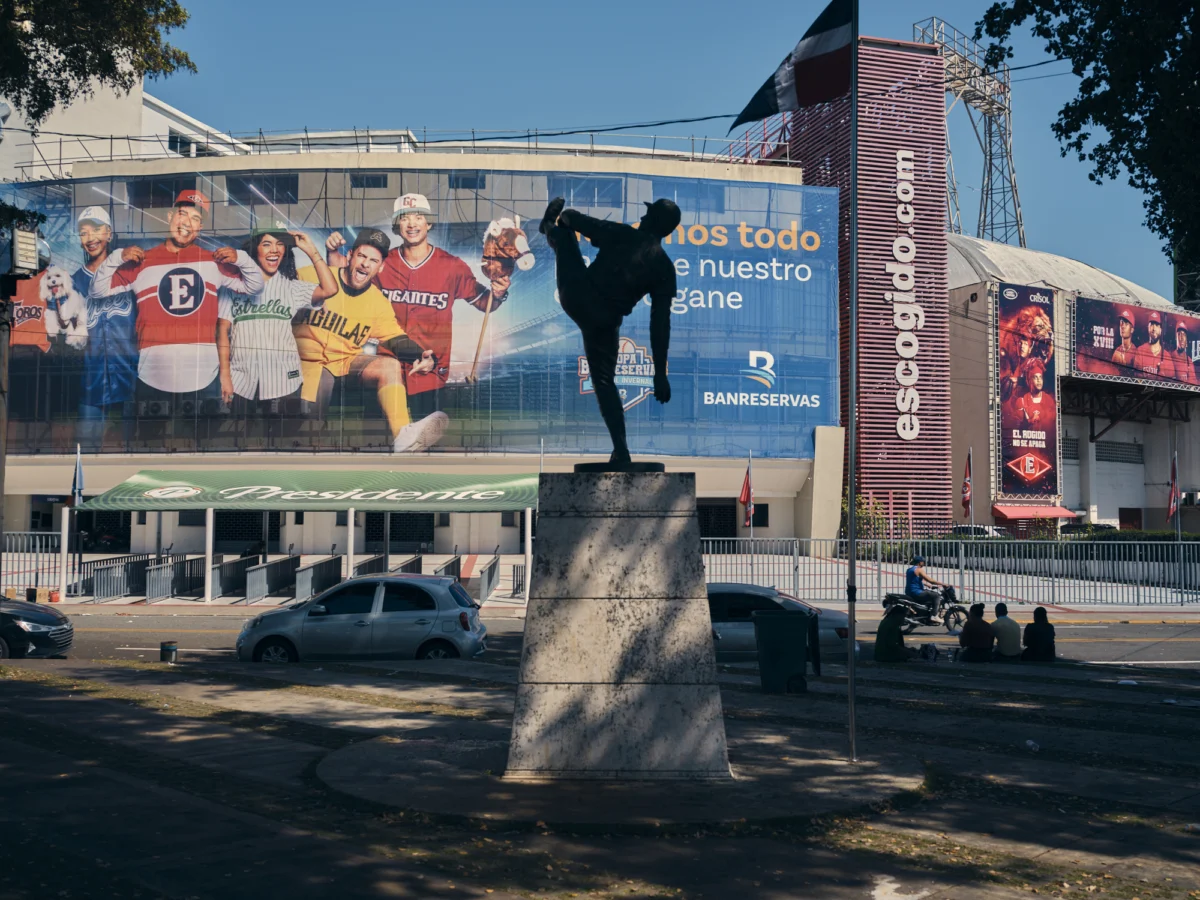
ProPublica, a Pulitzer Prize-winning independent investigative news organization, has embarked on a comprehensive series of reports shedding light on the intricate and often exploitative landscape surrounding Major League Baseball’s talent pipeline in the Dominican Republic. This deep dive aims to expose systemic issues that impact thousands of young, aspiring athletes and their families in a nation where baseball is not merely a sport but a pervasive cultural cornerstone and a primary avenue for socio-economic mobility. The investigation, which has already uncovered abusive moneylending practices, seeks active engagement from the Dominican community, establishing a dedicated WhatsApp channel to gather critical insights and experiences from those directly affected by the sport’s often unforgiving industry.
The Dominican Republic stands as an unparalleled global hub for baseball talent, second only to the United States in the number of players signed annually by Major League Baseball teams. This deep-rooted connection to the sport is evident in nearly every facet of Dominican life; from bustling urban centers to remote rural villages, baseball fields are ubiquitous, serving as training grounds for children as young as four years old. Over months of extensive reporting, ProPublica journalists have consistently observed that virtually every Dominican citizen holds some personal connection to baseball, whether through a sibling, uncle, or son who dreams of professional play, or one who once harbored such aspirations. This pervasive dream, however, often masks a harsher reality, where industry practices can inflict significant harm on young players and their families.
The path to professional baseball for Dominican youth is fraught with unique pressures and challenges. According to dozens of trainers and players interviewed by ProPublica, adolescents in the Dominican Republic are routinely expected to achieve performance levels far exceeding those demanded of their counterparts in other countries, and are often pushed into contractual agreements with professional teams at remarkably early ages. This accelerated timeline, driven by intense competition and the allure of life-changing wealth, creates a fertile ground for exploitation. The urgency to sign a contract can compel desperate families and young players into precarious financial arrangements, as evidenced by ProPublica’s recent exposé on predatory moneylending practices that have proliferated within this high-stakes system. These loans, often secured against future earnings or signing bonuses, can trap families in cycles of debilitating debt, effectively mortgaging a child’s potential future.
The Dominican Republic: A Baseball Heartland and Its Socio-Economic Drivers
Baseball’s indelible mark on the Dominican Republic dates back to the late 19th century, introduced by Cuban immigrants fleeing the Ten Years’ War. Over time, it evolved from a pastime into a national obsession, intrinsically linked to the nation’s identity and a powerful symbol of hope. The country’s warm climate allows for year-round training, contributing to a continuous stream of talent. Historically, the economic realities of the Dominican Republic, characterized by high rates of poverty and limited educational and employment opportunities, have amplified baseball’s appeal. For many families, sending a son to play in the MLB is seen not just as a dream, but as the only viable path to escape poverty and secure financial stability for generations.
This fervent pursuit of baseball excellence has resulted in an extraordinary output of talent. As of opening day 2023, Dominicans constituted the largest contingent of foreign-born players in MLB, with over 100 individuals on active rosters, representing more than 10% of all players. Iconic figures like Juan Marichal, Pedro Martinez, Albert Pujols, and David Ortiz have not only achieved legendary status but have also served as beacons of hope, inspiring countless youngsters to emulate their success. The financial impact of these players is substantial; signing bonuses alone can inject millions of dollars into the local economy annually, and the salaries of established MLB stars contribute significantly through remittances and investments back home.
The Complex Ecosystem of Talent Development and the Rise of Buscones
The journey for a young Dominican prospect typically begins in informal community leagues, progressing to highly structured, often private, training academies. A pivotal figure in this ecosystem is the buscón (literally "searcher"), an independent trainer or agent who identifies promising young players, provides them with training, housing, nutrition, and often schooling, all with the ultimate goal of preparing them for MLB tryouts. Buscones play a complex role; while many are dedicated mentors who genuinely invest in their players’ development, others operate with less ethical intentions, prioritizing personal gain over the well-being of the adolescents under their charge.
The financial model of the buscón system is predicated on a percentage of a player’s future signing bonus, typically ranging from 20% to 35%. This high-stakes commission structure can incentivize buscones to push players relentlessly, sometimes to the detriment of their health and education. It also fuels intense competition among buscones to identify and secure the most promising talent at increasingly younger ages. MLB teams, while operating their own formal academies, also heavily rely on buscones to scout and cultivate raw talent from the vast, informal network of youth baseball. This dual system creates a challenging environment for oversight and regulation, making it difficult to differentiate between beneficial mentorship and exploitative practices.
Early Ambitions, High Stakes: The Pressure on Young Players
The original article highlights that Dominican players face expectations "never asked of their peers from other countries." This pressure manifests in several ways. Young Dominicans are often encouraged, or even coerced, to specialize in baseball at extremely young ages, sacrificing formal education for intensive training regimes. Scouts begin evaluating players as early as 12 or 13, creating immense pressure to perform and mature physically at an accelerated rate. This intense scrutiny, combined with the desperate hopes of their families, can lead to:
- Physical Burnout and Injury: Over-training and early specialization can lead to chronic injuries, especially in developing bodies, prematurely ending careers.
- Use of Performance-Enhancing Drugs (PEDs): The immense pressure to gain strength and speed quickly can push some young players towards PEDs, risking their health and future eligibility.
- Educational Neglect: The focus on baseball often means formal schooling is deprioritized or abandoned, leaving players with limited career options if their baseball dreams do not materialize.
- Emotional and Psychological Strain: The constant pressure to succeed, the fear of failure, and the weight of family expectations can take a severe toll on the mental health of these young athletes.
The international signing period for MLB typically begins on January 15th, when players turn 16. However, informal agreements and commitments can be made much earlier, locking players into relationships with buscones or even specific MLB organizations years before they are officially eligible to sign. This pre-market maneuvering further complicates the landscape, limiting players’ autonomy and bargaining power.
The Shadow Economy: Abusive Moneylending Practices
ProPublica’s recent story, referenced in the original article, specifically details the emergence of abusive moneylending practices. This critical issue stems directly from the early signing age and the high financial stakes involved. Families, often living in poverty, face significant costs associated with a son’s baseball development, including training fees, equipment, nutrition, and even medical care. Lacking access to traditional credit, they often turn to informal lenders who offer high-interest loans, sometimes at exorbitant rates, with the player’s anticipated signing bonus serving as collateral.
These loans, often for relatively small sums by Western standards, can quickly balloon due to compounding interest and hidden fees. If a player fails to sign a contract, or signs for less than anticipated, families can find themselves in insurmountable debt. The lenders, sometimes connected to the buscón network, exert immense pressure, creating a cycle of dependency and fear. This predatory lending undermines the very promise of baseball, transforming a dream of liberation into a potential financial trap, impacting not just the player but their entire extended family.
ProPublica’s Deep Dive: A Call for Community Engagement
Recognizing the multifaceted nature of these challenges and the profound impact on local communities, ProPublica has strategically launched an open call for information, seeking to amplify the voices of those directly affected. The organization’s mission is to produce investigative journalism with moral force, and to do so effectively, it relies heavily on firsthand accounts and community collaboration. This commitment is particularly vital in contexts where vulnerable populations might fear speaking out due to potential retribution or lack of trust in official channels.
To facilitate this crucial dialogue, ProPublica has established a dedicated WhatsApp line, recognizing its prevalence as a primary communication tool in the Dominican Republic, offering free international messaging. This innovative approach lowers barriers to communication, making it easier for individuals to share their stories securely and confidentially. By texting "baseball" to +1-917-207-6447, individuals can initiate contact with the investigative team. For those who do not use WhatsApp, traditional email contact is also available. ProPublica also advises alternative methods for secure communication, emphasizing flexibility to accommodate various preferences and security needs.
How to Connect with the Investigation: A Guide for the Community
Upon contacting the WhatsApp line, users will receive a link to ProPublica’s latest stories on the Dominican baseball series, providing immediate access to the published findings. The team will then prompt individuals to share their connection to baseball and any experiences or tips they believe warrant further investigation. This initial interaction is designed to be open-ended, allowing individuals to share what they feel is most important. With explicit permission, ProPublica also plans to send occasional updates on the series, keeping contributors informed about the progress and new developments.
ProPublica is keen to receive information on a broad spectrum of baseball-related issues and experiences, extending beyond the already reported moneylending practices. This includes concerns related to finances, health, education, player welfare, ethical conduct of buscones, issues within MLB academies, and the broader socio-economic implications of the baseball industry. The investigative team is particularly interested in hearing from anyone with a direct link to the sport, including:
- Current or former players
- Trainers and buscones
- Parents of aspiring players
- Doctors or medical professionals who treat athletes
- Individuals working for MLB teams (current or former)
- Anyone else with pertinent experiences or insights into Dominican baseball
The organization encourages even those without a direct connection to baseball but who wish to follow the investigation to sign up for updates. Furthermore, ProPublica urges individuals who know someone with a connection to the sport to share information about the series and the WhatsApp contact method, underscoring the critical need to reach as wide an audience as possible to gather comprehensive data and diverse perspectives.
Protecting Sources and Ensuring Integrity: ProPublica’s Unwavering Commitment
A cornerstone of ProPublica’s journalistic integrity is its unwavering commitment to source protection and privacy. The organization explicitly states that it will read every submission received and will follow up with individuals if further questions arise or if their shared information is deemed valuable for inclusion in the ongoing investigations. Recognizing that many potential sources may fear retribution, ProPublica has built a reputation on safeguarding those who speak out. Individuals have the option to speak "on background," meaning their identity would not be revealed in published stories. The organization unequivocally states that it will not sell any personal information to third parties, reinforcing its ethical framework and commitment to journalistic independence.
This dedication to privacy is paramount in environments where powerful interests might seek to silence critics. By ensuring confidentiality, ProPublica aims to create a safe space for individuals to share sensitive information, thereby enabling a more thorough and impactful investigation into these complex and often hidden practices.
Broader Implications and the Path Forward
ProPublica’s investigation into Dominican baseball carries significant implications, not only for the players and their families but also for Major League Baseball and the broader sporting world. The findings could spur increased scrutiny of international signing practices, potentially leading to reforms in player development programs, improved oversight of buscones, and greater protections against predatory lending. It highlights the ethical responsibilities of professional sports organizations to ensure fair play extends beyond the field to the fundamental human rights and well-being of their future talent pool.
This series serves as a crucial examination of the ethical dilemmas inherent in the globalized business of sports, particularly when talent acquisition intersects with socio-economic disparities. By bringing these issues to the forefront, ProPublica aims to foster a dialogue that can ultimately lead to a more equitable and humane system for the thousands of young Dominican athletes who dedicate their lives to the dream of baseball. The success of this investigative endeavor hinges on the courageous contributions of the Dominican community, whose stories are essential to driving meaningful change and ensuring that the pursuit of a dream does not come at an unconscionable cost.




 Joko Widodo
 Jia Lissa
 Pevita Pearce
 admin
admin