
 Pevita Pearce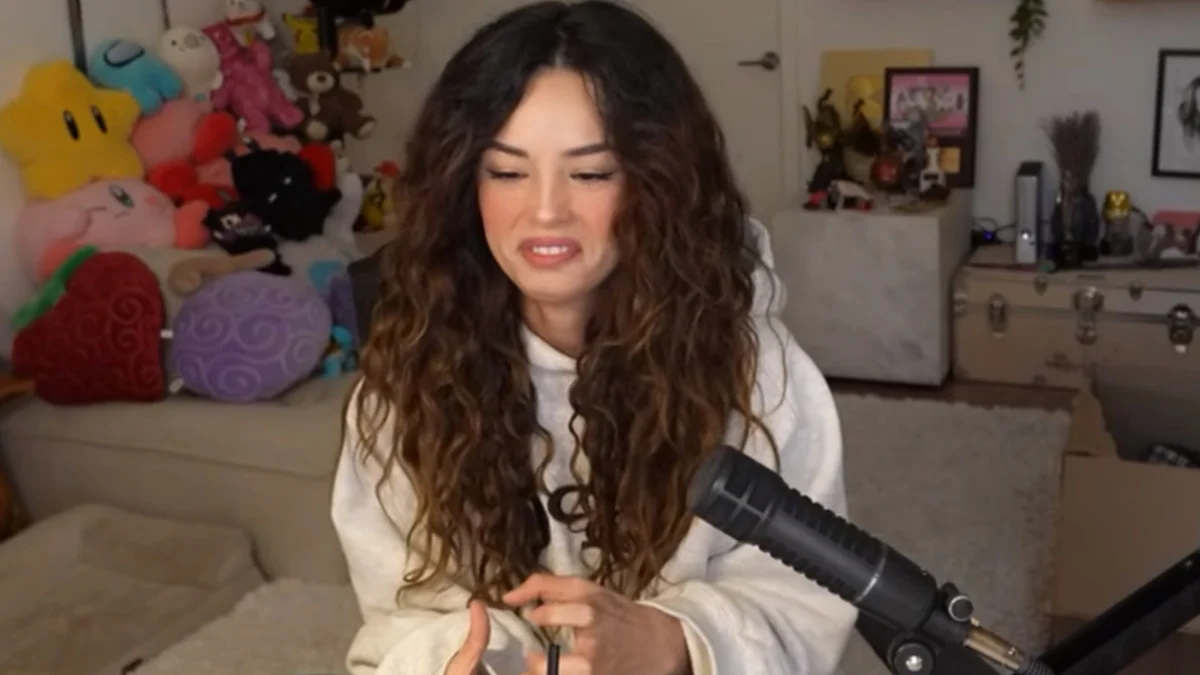
The digital landscape of creator-fan relations reached a new point of friction this week as Rachell "Valkyrae" Hofstetter, one of the most prominent figures in the global streaming industry, took the decisive step of blocking a high-profile fan update account on the social media platform X. The incident, which centered on a public disagreement regarding Hofstetter’s streaming schedule and her commitment to her community, has reignited a broader conversation within the creator economy concerning parasocial relationships, fan entitlement, and the evolving professional responsibilities of modern influencers. The dispute began when the account, operating under the handle ValkyHub, publicly criticized Hofstetter for what it perceived as a lack of solo content on her primary YouTube channel, arguing that her frequent collaborations on other creators’ broadcasts do not satisfy the needs of her dedicated audience.
The conflict escalated rapidly after ValkyHub, a verified account that utilized Hofstetter’s branding, posted a statement asserting that collaborative appearances should not be classified as "streaming" in the traditional sense. The account argued that if a creator is not live on their own specific channel, they are merely a guest, leaving their own community underserved. "It sucks being a Valkyrae fan sometimes because she never streams," the account wrote, a sentiment that Hofstetter later characterized as a form of "guilt-tripping." Following the public fallout and Hofstetter’s subsequent block, the ValkyHub account was deactivated, marking the end of one of the most visible fan-led documentation efforts for her career.
A Chronology of the Dispute and the Streamer’s Response
The tension between Hofstetter and the update account came to a head during a recent livestream, where the 100 Thieves co-owner addressed the situation with uncharacteristic bluntness. While Hofstetter has historically utilized the "mute" function to handle online negativity, she explained to her viewers that this specific instance required a more permanent severance. She stated that the decision to block the account was intended to set a clear precedent regarding boundaries. Hofstetter expressed particular grievance over the fact that the account was verified and used her branding, which she felt created a misleading impression that the account was an official arm of her business or that the operator was an employee.
During the broadcast, Hofstetter articulated her frustration with the narrative that she is "never" streaming. She pushed back against the notion that her appearances on other channels—often involving high-production collaborations with fellow top-tier creators—should be discounted by her community. The streamer’s reaction was also fueled by a sense of personal embarrassment; she noted that the public nature of the complaint led to inquiries from her peers, further complicating her professional image. The incident highlights a growing trend where fan-run update accounts, which often gain significant following and influence, begin to exert pressure on the creators they cover, sometimes transitioning from supportive hubs to platforms for editorialized criticism.
The Business of Being Valkyrae: Beyond the Stream
Central to Hofstetter’s defense is the reality of her current professional portfolio, which has expanded significantly since her early days as a Twitch streamer. Now a primary partner for YouTube Gaming and a co-owner of the lifestyle and gaming organization 100 Thieves, Hofstetter emphasized that her time is divided among numerous corporate and creative ventures. One of the most significant factors in her reduced streaming schedule is her leadership of HiHi Studios, her media and animation company. Hofstetter revealed during her response that she currently manages a team of approximately 30 employees, a responsibility that requires substantial administrative and creative oversight.
"I’ve got a team of like 30 people to feed," Hofstetter told her audience, framing her career not just as a solo entertainer, but as a CEO with fiduciary and professional obligations. This shift reflects a broader trend in the creator economy where top-tier talent, such as MrBeast, Pokimane, and Logan Paul, have moved toward a "founder-led" business model. In this model, the "streamer" is merely one facet of a multi-platform media mogul. Hofstetter’s assertion that she is "not just a streamer" serves as a direct rebuttal to the expectation of daily, long-form broadcasts that defined the industry during its formative years. She urged viewers who expect a traditional, high-frequency streaming schedule to reconsider their expectations, suggesting that her career has entered a new phase of maturity.
Longevity and the Evolution of the Creator Lifecycle
The dispute also touched upon the physical and mental demands of a decade-plus career in the public eye. Hofstetter, who will turn 35 in January, noted that she has been active in the streaming industry for 12 years. This longevity is rare in a field often characterized by high burnout rates and short relevance cycles. Data from the streaming industry suggests that the "grind culture"—the practice of streaming for 40 to 80 hours a week—is increasingly being replaced by strategic content creation as veteran streamers age and diversify their interests.
Market analysis of the streaming sector shows that as creators reach "legacy" status, their value to platforms like YouTube and Twitch shifts from pure hours-watched metrics to brand equity and cross-platform influence. Hofstetter’s move from Twitch to an exclusive contract with YouTube in 2020 was a pivotal moment in this transition, allowing her more flexibility while maintaining her status as a "face" of the platform. However, this transition often creates a disconnect with long-term fans who grew accustomed to her more frequent, solo broadcasts during the 2018–2021 period, which saw a massive surge in streaming viewership due to global lockdowns.
Addressing Parasocial Entitlement and Community Management
The incident with ValkyHub is not an isolated event in Hofstetter’s history of community management. She has previously been vocal about the "parasocial" nature of modern fandom, a psychological phenomenon where audience members develop a one-sided sense of intimacy and ownership over a public figure. In a previous instance, Hofstetter revealed she had blocked upwards of "a million" viewers across various platforms to combat toxic behavior and aggressive demands in her chat. This latest move against a prominent fan account signals a tightening of her digital borders.
The "entitlement" Hofstetter referenced is a recurring theme for high-profile female creators in particular, who often face more intense scrutiny regarding their time management and personal lives than their male counterparts. Industry observers note that update accounts, while often started out of genuine fandom, can become echo chambers for community grievances. When these accounts are verified on platforms like X—where the verification badge can now be purchased—the line between a fan’s opinion and an official statement becomes blurred, leading to the type of brand confusion that Hofstetter cited as a primary reason for the block.
Broader Implications for the Creator Economy
The fallout from the ValkyHub incident carries several implications for the future of creator-fan interactions and the management of "stan" (obsessive fan) culture. First, it underscores the necessity for creators to protect their intellectual property and branding. The fact that an update account could cause "embarrassment" for a creator among their professional peers suggests that these accounts have reached a level of influence that requires more formal oversight or distancing.
Second, the incident serves as a case study in the "maturation" of the streamer. As the first generation of superstar streamers enters their mid-30s, the industry must grapple with the reality that these individuals will no longer provide the same volume of content that built their initial fame. The transition from "content creator" to "business executive" is a necessary step for career longevity, but it requires a recalibration of the "social contract" between the creator and the consumer.
Finally, the deactivation of ValkyHub following Hofstetter’s public rebuke highlights the power dynamics at play. While fans provide the foundation for a creator’s success, the creator ultimately holds the power to define the terms of the engagement. By publicly rejecting the "guilt-trip" narrative, Hofstetter has signaled to her broader community that her professional growth and mental well-being take precedence over the demands of hyper-engaged fans.
Conclusion
The decision by Valkyrae to block a major fan update account marks a significant moment in her 12-year career, representing a firm stance against the perceived entitlement of the digital age. As she moves toward her mid-30s and continues to expand the reach of HiHi Studios and 100 Thieves, the incident serves as a reminder that the world of professional streaming is no longer just about the "live" button. It is a complex ecosystem of business management, brand protection, and the constant negotiation of personal boundaries. For Hofstetter’s community, the message is clear: the era of the 24/7 solo streamer is evolving into something more corporate, more diverse, and more protective of the individual behind the screen. As the creator economy continues to professionalize, the boundaries set by figures like Hofstetter will likely become the new standard for veteran talent across all digital platforms.



 Yuyun Lusiyani
 Joko Widodo
 Jia Lissa
 admin
admin
