
 Pevita Pearce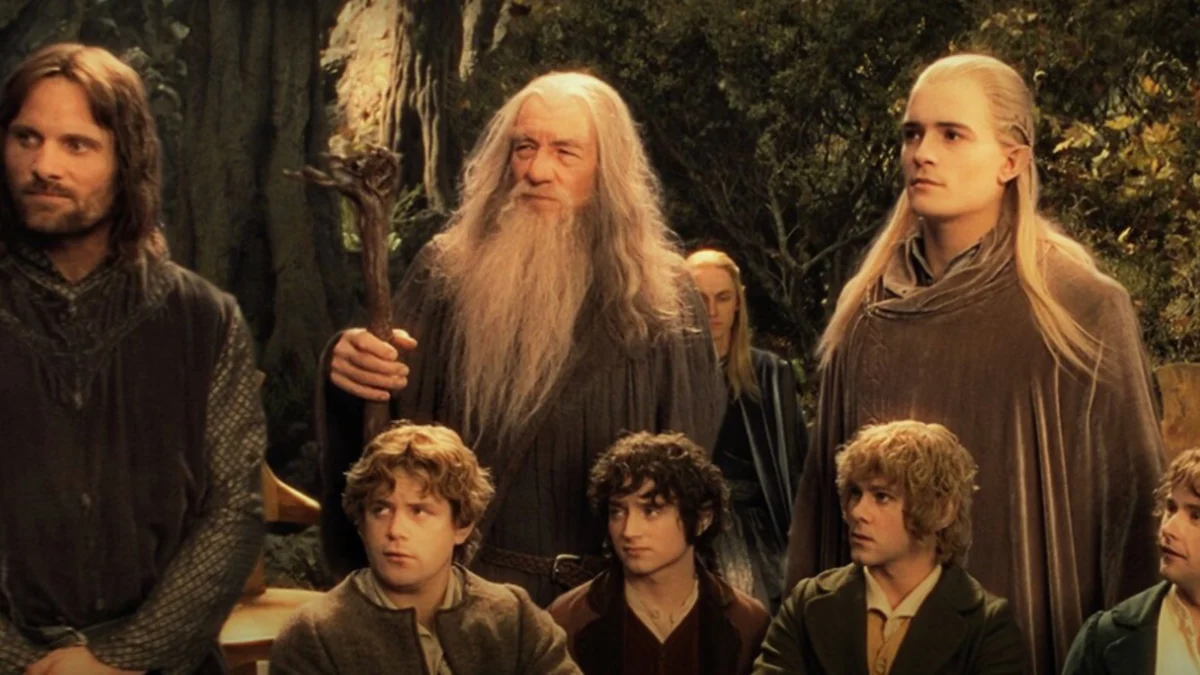
The recent experience of a Google TV user who was denied a refund after the disappearance of a purchased digital movie collection has reignited a global conversation regarding the precarious nature of digital media ownership. The incident, which involves the removal of a high-profile film trilogy from a customer’s library, highlights the complex legal frameworks governing digital storefronts and the often-overlooked distinctions between purchasing a physical product and licensing a digital file. As streaming services and digital marketplaces continue to dominate the entertainment landscape, this case serves as a poignant reminder that the "Buy" button may not provide the permanent access that consumers have come to expect.
The controversy began when a user, identified on social media as ugoindownsaka1, sought assistance from Google’s support services after discovering that the extended editions of Peter Jackson’s Lord of the Rings trilogy were no longer accessible in their Google TV library. Despite having paid for the content in 2022, the user was informed by a live support agent that the titles had been removed from the platform’s active catalog. When the user requested a refund for the lost content, Google denied the claim, citing a policy that limits refund eligibility to 120 days from the original date of purchase. The interaction, documented through screenshots shared on Reddit, has since gone viral, drawing attention to the fine print of digital service agreements that govern millions of users worldwide.
The Chronology of the Dispute and the Support Interaction
The timeline of the event illustrates a growing friction between consumer expectations and corporate policy. The user purchased the Lord of the Rings Extended Editions in 2022 through what was then known as Google Play Movies & TV. For nearly two years, the content remained accessible. However, in mid-2024, the user discovered the movies were missing from their library. Upon contacting Google’s live support, the user was met with a technical explanation that the content was no longer available due to licensing shifts or catalog changes.
The support representative’s refusal to issue a refund was based strictly on the 120-day window stipulated in Google’s Terms of Service. This window is designed to protect the company from fraudulent claims or buyer’s remorse long after a transaction has occurred. However, the user argued that the 120-day rule should not apply when the product itself—the digital access—is revoked by the seller. The Reddit thread, though eventually deleted by moderators, became a hub for similar grievances, with many users expressing that they felt "stolen from" by a system that allows a retailer to keep the funds while withdrawing the goods.
The Evolution of Google TV and the Digital Marketplace
Google TV, which evolved from the rebranding of Google Play Movies & TV in 2020, operates as a Transactional Video on Demand (TVOD) service. Unlike subscription-based models like Netflix or Disney+, where users pay a monthly fee for a rotating library of content, TVOD services allow users to "rent" or "buy" specific titles. The branding of the "Buy" button has long been a point of contention among digital rights advocates.
From a technical and legal standpoint, when a consumer clicks "Buy" on a platform like Google TV, Apple TV (formerly iTunes), or Amazon Prime Video, they are not purchasing the film in the traditional sense. Instead, they are purchasing a non-transferable, limited license to access that content for as long as the provider has the rights to distribute it. If the licensing agreement between the platform (Google) and the content owner (in this case, Warner Bros. Discovery) expires or is terminated, the platform may lose the right to host that content, even for users who have already "purchased" it.
The Legal Reality of Digital Licensing vs. Ownership
The core of the issue lies in the Digital Millennium Copyright Act (DMCA) and the End User License Agreements (EULA) that consumers agree to—often without reading—when they create an account. These agreements typically state that the service provider reserves the right to modify or discontinue the service and the content therein at any time.
In the United States and the European Union, the legal distinction between a "sale" and a "license" is frequently debated in courts. In most jurisdictions, digital goods are treated as licenses. This means the consumer does not have the "right of first sale," which is the legal principle that allows someone who buys a physical book or DVD to sell it, lend it, or keep it forever regardless of the publisher’s wishes. Because digital files are not physical objects, they are governed by contract law rather than traditional property law.
Historical Precedents and Industry-Wide Trends
The Google incident is not an isolated case. In late 2023, Sony’s PlayStation Store announced that it would be removing over 1,200 titles published by Discovery from users’ libraries due to "content licensing arrangements." This meant that users who had paid for seasons of shows like MythBusters or Shark Week would lose access entirely, with no mention of refunds. Following a massive public outcry and legal threats, Sony eventually reached a new deal to keep the content available for existing owners, but the event underscored the fragility of digital collections.
Similarly, Amazon faced backlash years ago when it remotely deleted copies of George Orwell’s 1984 from Kindle devices due to a copyright dispute with the publisher. While Amazon issued refunds in that specific instance, the ability of a corporation to reach into a consumer’s private device and remove "owned" content set a chilling precedent for the digital age.
Consumer Advocacy and Legislative Responses
The recurring nature of these incidents has prompted legislative action. In California, Governor Gavin Newsom recently signed Assembly Bill 2426, which aims to protect consumers from deceptive marketing in digital sales. The law, which will take effect in 2025, prohibits digital storefronts from using terms like "Buy" or "Purchase" unless they clearly disclose that the consumer is receiving a license that may expire. The law also requires platforms to provide a plain-language explanation of the limitations of digital ownership.
Consumer advocacy groups argue that if a platform cannot guarantee permanent access, the transaction should be labeled as a "long-term rental" rather than a sale. Data from consumer sentiment surveys suggest a growing "digital fatigue," where users are becoming increasingly wary of digital-only ecosystems. According to a 2023 report on media consumption, while digital sales continue to grow, there has been a 15% uptick in the sale of physical 4K Ultra HD Blu-rays among cinephiles who prioritize ownership and high-fidelity quality over the convenience of streaming.
Broader Implications for the Future of Media
The implications of the Google refund denial extend beyond the loss of a few movies. It touches upon the preservation of culture and the rights of the individual in an increasingly digitized economy. When content is removed from digital stores, it often disappears from public access entirely, especially if the title is not available on physical media or other streaming platforms.
Furthermore, this incident highlights a "support gap" in the tech industry. As companies like Google rely more heavily on automated systems and rigid policy frameworks, the ability for a human agent to exercise common sense—such as issuing a refund for a product that was essentially repossessed—is diminished. The frustration expressed by the Reddit community reflects a broader dissatisfaction with "bot-led" customer service that prioritizes policy adherence over customer retention.
Conclusion: The Case for Physical Media and Clearer Standards
As the dust settles on this specific dispute, the takeaway for consumers is one of caution. The convenience of Google TV and similar platforms comes with a hidden cost: the lack of true ownership. For many, the solution is a return to physical media. A 4K Blu-ray disc cannot be deleted by a licensing update, and its "refund window" is irrelevant once the product is in the consumer’s home.
For the industry, the path forward likely involves greater transparency. As more regions consider legislation similar to California’s AB 2426, digital retailers may be forced to overhaul their interfaces to better reflect the legal reality of their transactions. Until then, the case of the missing Lord of the Rings movies serves as a cautionary tale for the digital era: in the world of online media, you may pay for the content, but you only ever rent the right to view it.




 Yuyun Lusiyani
 Joko Widodo
 Eva Lovia
 admin
admin
 Lina Irawan