
 Pevita Pearce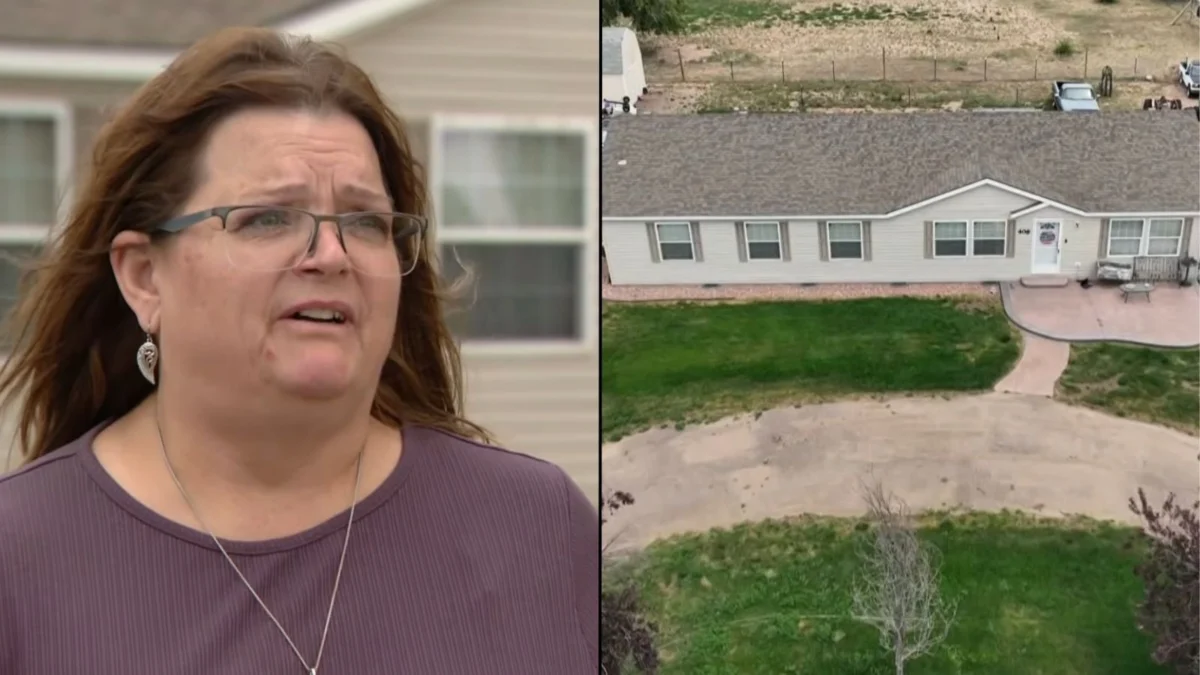
A real estate listing in Colorado has captured the attention of millions across social media platforms, sparking a heated discussion regarding property rights, the complexities of the foreclosure process, and the risks associated with "sight unseen" real estate transactions. The property, a three-bedroom residence valued at over $215,000, was thrust into the spotlight after being featured by the popular social media account "ZillowGoneWild" on X (formerly Twitter). The listing carries a stark warning that has both fascinated and alarmed prospective buyers: the property is being sold occupied, and the buyer will be responsible for the legal and physical removal of the current inhabitant.
The listing description, which has since been shared and analyzed by thousands, provides an unusually blunt assessment of the situation. "This property is being sold occupied/sight-unseen/no access. DO NOT DISTURB THE OCCUPANTS," the text reads. It further clarifies that the listing agent has had no access to the interior of the home and cannot speak to its current condition or structural integrity. Perhaps most significantly, the listing explicitly states, "NO SHOWINGS and NO PROPERTY ACCESS for inspections or otherwise. NO TRESPASSING. Buyer will be responsible for obtaining possession of the property upon closing."
This unconventional approach to a residential sale highlights a volatile intersection of real estate law and human drama. While "as-is" sales are common in the industry, the requirement that a buyer must initiate a potentially lengthy and costly eviction process to inhabit their own purchase is a scenario most retail buyers avoid. However, for the current occupant, the listing represents the latest chapter in a legal battle that has spanned more than a decade.
The Occupant’s Perspective and a History of Loss
The resident of the home has been identified as Tori McMechan, who has resided in the property for years. In an interview with Denver-based news outlet 9News, McMechan described the Zillow listing as "unreal" and made her intentions clear: she does not plan to leave the property without a fight. "It’s going to be pretty difficult; I’m not leaving willingly," she stated. "I’m staying. They can come on in, but I’m not leaving."
McMechan’s resolve is rooted in a tragic and legally complex history. According to a 2010 report from the Greeley Tribune, her husband, James McMechan, was killed in a car crash following an altercation with town board members. Since his passing, Tori McMechan has been fighting a multi-year battle to maintain ownership of the home. Court documents reveal that the property deed is currently held by Deutsche Bank, which asserts that the mortgage on the house defaulted in 2010—the same year as James McMechan’s death.
McMechan has contended that the financial institutions involved have been "unwilling" to work with her to resolve the debt. Central to her legal defense is the argument that there is no clear "paper trail" or chain of title regarding the transfer of the loan between various lenders over the years. This argument, often referred to as the "produce the note" defense, became a common strategy for homeowners facing foreclosure following the 2008 financial crisis. Despite her efforts, McMechan has sued lenders twice, and on both occasions, judges dismissed the lawsuits, allowing the foreclosure process to proceed toward the current attempted sale.
The Legal Mechanics of Occupied Real Estate Sales
Selling a property "occupied" is a practice most frequently seen in the context of foreclosure auctions or REO (Real Estate Owned) sales. When a property owner defaults on their mortgage, the lender eventually takes ownership of the asset. In many jurisdictions, including Colorado, the lender may choose to sell the property quickly to recoup losses rather than investing time and capital into a formal eviction process.
For a prospective buyer, this type of transaction presents a high-risk, high-reward scenario. Properties sold with occupants are often priced significantly below market value to account for the legal hurdles and the unknown condition of the interior. However, the "sight unseen" nature of the sale means the buyer is essentially gambling on the state of the home’s plumbing, electrical systems, and structural health.
Furthermore, the legal process of "obtaining possession"—as mentioned in the Colorado listing—is rarely a simple task. In Colorado, this typically involves filing a Forcible Entry and Detainer (FED) action. If the occupant refuses to leave, as McMechan has vowed, the new owner must go to court to obtain a judgment for possession. Only after a court order is issued can a sheriff’s deputy physically remove the occupant and their belongings. This process can take months and cost thousands of dollars in legal fees, all while the buyer is responsible for property taxes and mortgage payments on a home they cannot enter.
Chronology of the Standoff
The timeline of the McMechan property dispute reflects the systemic delays often found in the American foreclosure system:
- 2010: James McMechan dies in a fatal vehicle accident. The mortgage on the Colorado property enters default status.
- 2010–2022: A series of legal maneuvers and ownership transfers occur. Tori McMechan remains in the home, challenging the validity of the foreclosure based on a lack of clear documentation from lenders.
- 2022–2023: McMechan files two separate lawsuits against the lenders. Both cases are dismissed by the court, clearing the way for the bank to move forward with a sale.
- 2024: The property is listed on Zillow for approximately $215,000 with the "occupied/sight unseen" disclaimer. The listing goes viral, drawing national attention to the case.
- Present: McMechan maintains her residence in the home, stating she hopes to force an eviction proceeding to finally secure a jury trial regarding the ownership of the property.
Financial and Systemic Implications
The viral nature of this listing highlights a broader issue within the U.S. housing market: the lingering effects of the 2008 housing bubble and the subsequent shifts in how banks manage distressed assets. While the $215,000 price tag may seem attractive in a state like Colorado, where the median home price often exceeds $500,000, the "hidden costs" are substantial.
Industry experts warn that buying an occupied property is not for the faint of heart. Beyond the eviction costs, there is the risk of "spite damage," where an outgoing tenant or former owner damages the property before being removed. Because the buyer cannot inspect the property, they have no recourse if the interior has been gutted or neglected for over a decade.
Additionally, obtaining traditional financing for such a property is nearly impossible. Most mortgage lenders require a professional appraisal and inspection before releasing funds. A "no access" listing effectively limits the pool of buyers to cash-heavy investors or "fix-and-flip" companies who have the liquidity to handle the legal and renovation risks.
Reaction from the Real Estate Community
The real estate community has reacted to the listing with a mixture of dark humor and genuine concern for the ethics of the industry. On social media, users have debated the morality of purchasing a home knowing it requires the forced removal of a widow who has lived there for decades. Others point out that the bank has a fiduciary responsibility to its shareholders to liquidate the asset after 14 years of non-payment.
The listing agent, while facing criticism for the bluntness of the post, is operating within the legal requirements of disclosure. By stating clearly that there is no access and an occupant remains, the agent is protecting themselves and the seller from future lawsuits claiming misrepresentation. However, the situation serves as a stark reminder of the "human element" that often gets lost in the data-driven world of real estate investment.
Broader Impact on Colorado’s Housing Market
Colorado has seen a significant increase in housing costs over the last decade, leading to a tighter market where even distressed properties attract significant interest. The McMechan case illustrates the lengths to which some may go to secure a foothold in an expensive market, as well as the desperation of those fighting to stay in their homes amidst rising costs and legal pressures.
The outcome of this specific listing remains to be seen. If a buyer is found, the ensuing legal battle between the new owner and Tori McMechan will likely be monitored closely by legal experts and housing advocates. McMechan’s desire for a jury trial highlights a deep-seated distrust in the judicial handling of foreclosure cases—a sentiment shared by many who felt the system favored large financial institutions during the previous decade’s housing crisis.
For now, the three-bedroom house in Colorado stands as a viral monument to the complexities of property law. It serves as a cautionary tale for prospective homeowners: in the world of real estate, if a price looks too good to be true, it often comes with a set of complications that no Zillow photo can fully capture. As the listing remains active, the standoff continues, leaving the future of the home and its long-term resident in a state of legal and social limbo.




 Yuyun Lusiyani
 Joko Widodo
 Eva Lovia
 admin
admin
 Lina Irawan