
 Nila Kartika Wati
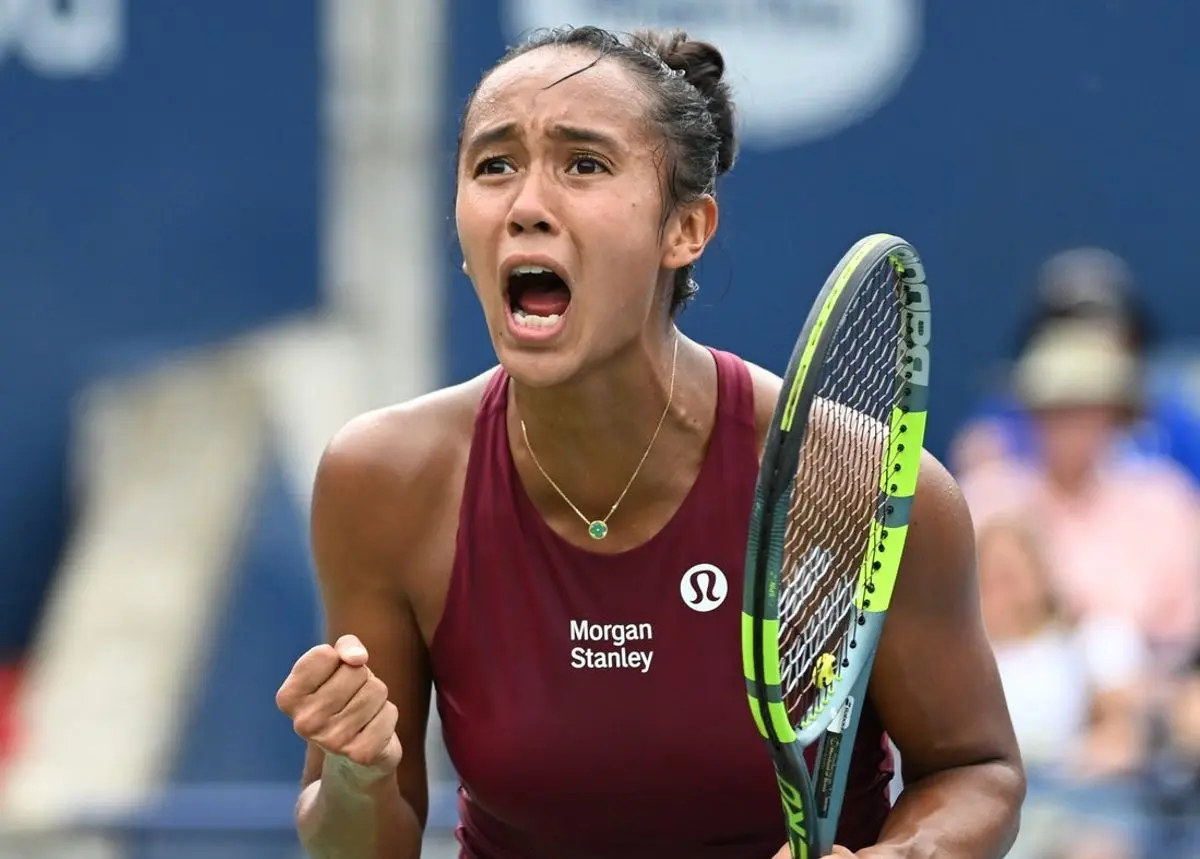
The Toray Pan Pacific Open in Tokyo is poised for a compelling final on Sunday, featuring a highly anticipated clash between the No. 3 seed Diana Shnaider of Russia and Canada’s own Leylah Fernandez. Both athletes showcased remarkable resilience and clutch performance in their respective semifinal matches on Saturday, setting the stage for a potentially thrilling championship decider. Meanwhile, across Asia, the Guangzhou Open also culminates on Sunday with Britain’s Harriet Dart and Austria’s Lilli Tagger, the fourth seed, earning their spots in the final through contrasting semifinal victories.
Toray Pan Pacific Open: A Tale of Comebacks and Grit
The Tokyo event, a prestigious WTA 500 tournament, has provided a platform for emerging talent and established contenders alike. This year’s edition has been particularly notable for the tenacity displayed by the finalists.
In her semifinal encounter, Diana Shnaider faced a stern test against Slovakian teenager Mia Pohankova. The match, which lasted one hour and 46 minutes, saw Shnaider emerge victorious with a hard-fought 6-4, 7-6 (7) scoreline. The pivotal moments arrived in the second-set tiebreaker, where the 18-year-old Pohankova held a precarious 6-5 lead, seemingly on the cusp of forcing a decider. However, Shnaider demonstrated exceptional composure under pressure, winning four of the final five points to secure her passage to the championship match. This marks Shnaider’s first final appearance of the 2026 season, underscoring a significant achievement in her burgeoning career. Throughout the grueling match, Shnaider displayed remarkable defensive prowess, saving an impressive five out of six break points, a testament to her mental fortitude.
On the other side of the draw, Leylah Fernandez also navigated a challenging semifinal against Uzbekistan’s Kamilla Rakhimova. The Canadian star, known for her dynamic playing style and fighting spirit, overcame an early deficit to win 7-5, 6-3. Fernandez found herself trailing 3-1 in the opening set, a situation that could have easily derailed her momentum. However, she mounted a significant comeback, ultimately clinching the first set. The second set presented another hurdle, with Fernandez dropping the first two games. Undeterred, she once again rallied, demonstrating the mental resilience that has become her hallmark. Her offensive game was on full display, as evidenced by her nine aces during the one-hour and 54-minute contest. This victory propels Fernandez into her third final of the 2026 season, highlighting a consistently strong performance year.
Supporting Data and Context:
The Toray Pan Pacific Open, established in 1973, is one of Asia’s premier women’s tennis tournaments. Its return to the calendar has been a significant boost for the sport in the region. For Shnaider, reaching a WTA 500 final is a significant step in her development. At just 22 years old, she has already established herself as a formidable force on the tour, with this being her first final appearance of the current season. Fernandez, a former Grand Slam finalist herself, continues to build on her impressive career trajectory. Her presence in a third final this year indicates a sustained level of high performance and her ongoing quest for major titles. The contrasting paths to the final – Shnaider’s near-miss in the tiebreaker and Fernandez’s fightbacks from behind – suggest a final that will likely be characterized by intense rallies and crucial turning points.
Guangzhou Open: A Study in Contrasting Journeys to the Final
In China, the Guangzhou Open, another WTA 250 event, will see Great Britain’s Harriet Dart face off against the tournament’s fourth seed, Lilli Tagger of Austria, in Sunday’s final. Their semifinal victories presented starkly different narratives, highlighting the diverse ways players can achieve success on the tour.
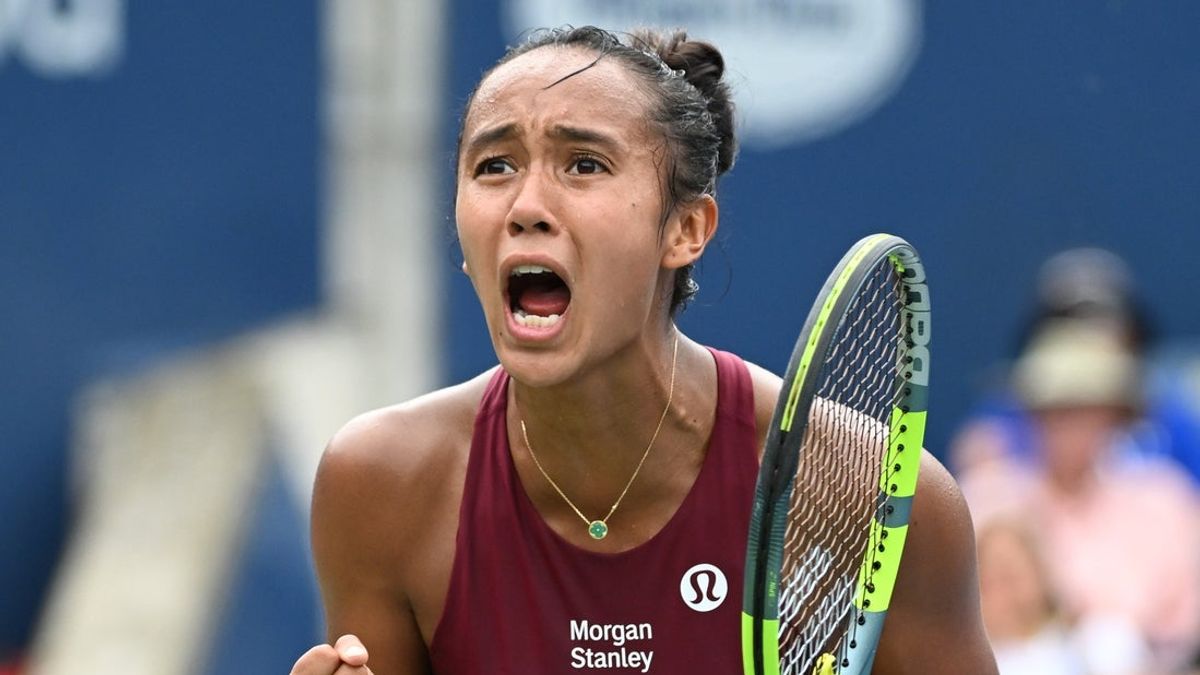
Harriet Dart’s path to the final was a marathon of grit and determination. She battled back from a set down to defeat the young Chinese prospect, 16-year-old Xinran Sun, in a grueling encounter that lasted two hours and 29 minutes, with a final score of 5-7, 7-6 (1), 6-0. The match was a true test of endurance and nerve. Dart found herself staring down elimination in the second set, facing three match points in the tenth game. However, she displayed remarkable composure, saving all three and then dominating the tiebreaker, winning it convincingly 7-1. This momentum carried over into the deciding set, where Dart’s relentless pressure proved too much for Sun, whose game ultimately faltered.
In stark contrast, Lilli Tagger’s semifinal performance was a masterclass in efficiency. She dispatched Spain’s Kaitlin Quevedo in a mere 52 minutes, securing a commanding 6-2, 6-0 victory. Tagger’s dominance was absolute, as she won every single point on her first serve, including five aces. She never conceded a single break point, a testament to her commanding service game and focused play. This effortless display of tennis ensured Tagger advanced to the final without expending excessive energy, potentially giving her a significant advantage in the championship match.
Supporting Data and Context:
The Guangzhou Open, a staple on the WTA calendar, often serves as a platform for players to build momentum and gain valuable ranking points. For Harriet Dart, reaching a WTA final is a significant achievement, showcasing her persistence and ability to perform under pressure. Her comeback victory in the semifinal is a testament to her mental toughness, a quality that will be crucial in the final. Lilli Tagger’s dominant performance, on the other hand, signals her strong form and her intent to claim the title. Her impeccable serving statistics in the semifinal are particularly noteworthy, indicating a high level of confidence and execution. The disparity in the length and nature of the semifinal matches suggests a final that could be dictated by Tagger’s aggressive play or potentially swayed by Dart’s proven ability to grind out wins and capitalize on opportunities.
Broader Implications and Future Outlook
The performances of these athletes at both the Toray Pan Pacific Open and the Guangzhou Open underscore the dynamic and competitive nature of professional women’s tennis. The emergence of young talents like Mia Pohankova and Xinran Sun, alongside the continued success of established players like Leylah Fernandez and Diana Shnaider, bodes well for the future of the sport.
For Fernandez and Shnaider, the Tokyo final represents an opportunity to add another significant title to their 2026 resumes. Their contrasting semifinal journeys suggest a final that will be a battle of wills as much as a display of skill. Shnaider’s consistent defensive play and ability to save break points will be tested by Fernandez’s aggressive baseline game and potent serve.
In Guangzhou, the final pits Dart’s hard-won resilience against Tagger’s dominant efficiency. Tagger’s flawless serving performance in the semifinal will be a major factor, but Dart has proven her ability to absorb pressure and find ways to win, even when facing adversity.
These finals also provide valuable ranking points and boost player confidence as the season progresses. For the WTA tour, these events highlight the depth of talent and the exciting storylines that emerge throughout the year, captivating fans and inspiring the next generation of tennis stars. The performances in Tokyo and Guangzhou are indicative of the ongoing evolution of women’s tennis, with players consistently raising the bar in terms of skill, athleticism, and mental fortitude. The outcomes of these finals will undoubtedly shape the narratives and trajectories of these players as they continue their pursuit of tennis excellence.




 Eva Lovia

 Lina Irawan

 Yuyun Lusiyani

 Ana Megawati

 Joko Widodo
