
 Lina Irawan
A Synthesis of Industrial Heritage and Modern Aesthetics
The collaboration between Zenith and USM is rooted in a shared historical timeline and a mutual dedication to modularity and engineering excellence. While the two companies operate in vastly different sectors—luxury timepieces and high-end modular furniture—their paths converged during the mid-20th century. USM’s hallmark Haller system, a modular steel-frame furniture concept, was patented in 1965. Merely four years later, in 1969, Zenith achieved two of its most significant milestones: the launch of the original Defy collection and the debut of the El Primero movement, the world’s first integrated automatic high-frequency chronograph.
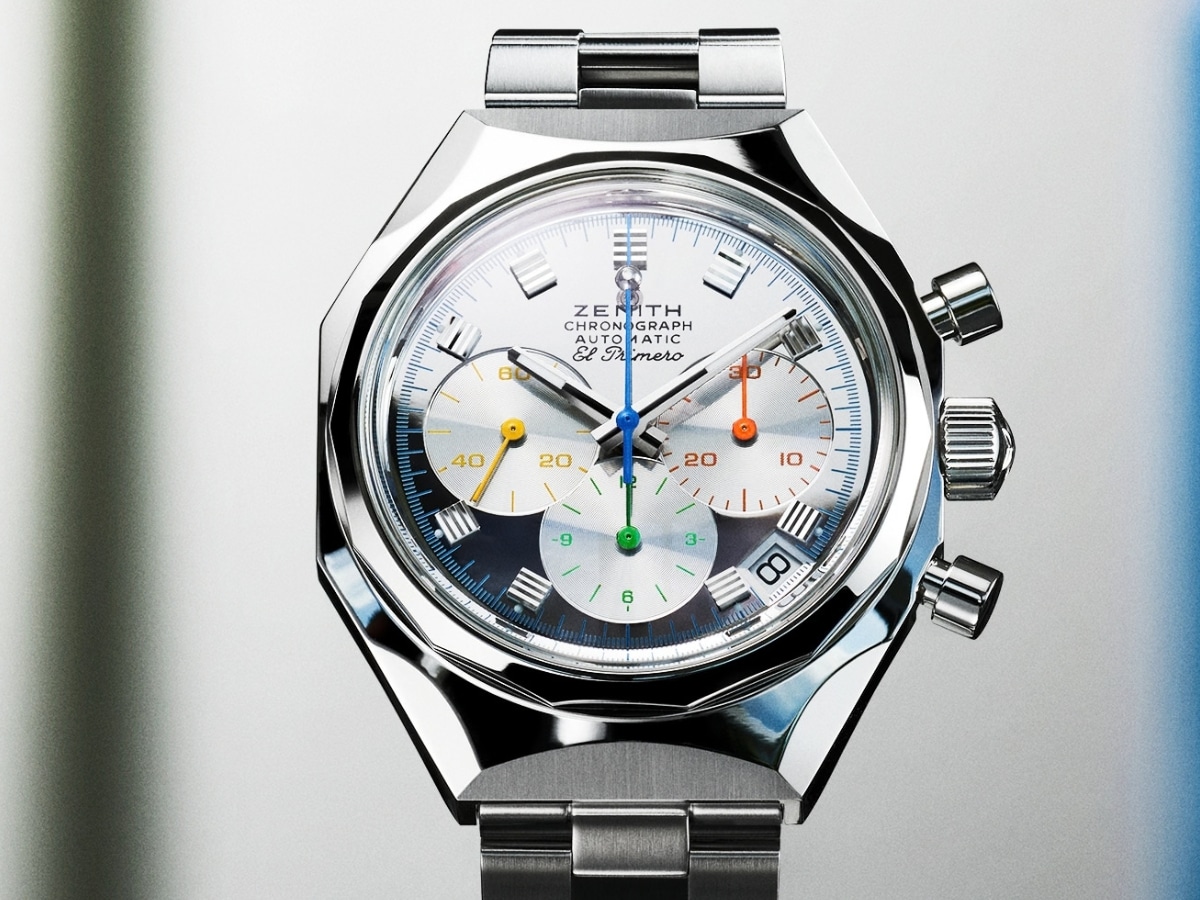
This historical synchronicity serves as the foundation for the Zenith Defy Chronograph USM – TimeForArt Unique Piece. The design language of the watch mirrors the industrial minimalism of the Haller system, emphasizing clean lines, structural integrity, and the use of high-quality materials. Following a successful initial collaboration in September 2025—which featured four limited-edition references in USM’s signature colors—this unique piece elevates the concept by introducing a mirror-polished aesthetic that reflects the architectural surroundings of the wearer.

Technical Specifications and Design Nuances
The Zenith Defy Chronograph USM – TimeForArt Unique Piece is housed in a 37-mm stainless-steel case, a dimension that pays homage to the original 1969 Defy references while remaining contemporary in its appeal. The case is paired with Zenith’s iconic "ladder" bracelet, a design originally conceived by the famed bracelet manufacturer Gay Frères to provide both comfort and a distinct, airy aesthetic.
The centerpiece of the watch is its mirror-polished dial. Unlike the vibrant, solid-colored dials of the 2025 collection, the mirror finish allows the watch to interact dynamically with its environment. Light, shadow, and movement are reflected on the dial’s surface, ensuring that the timepiece presents a different visual profile depending on the setting. However, the dial does not entirely abandon the USM identity; it incorporates the furniture brand’s signature palette through subtle, high-precision detailing.
The dial features three overlapping azuré chronograph counters. These sub-dials are accented with USM Golden Yellow, USM Pure Orange, and USM Green. A minute track in USM Gentian Blue surrounds the dial, providing a cohesive frame for the multi-colored accents. Furthermore, the central chronograph hand is finished in blue and features a unique counterweight shaped like a miniature USM Haller ball joint—the patented sphere that serves as the core of the USM modular system.

The hands and indices are rhodium-plated and faceted, coated with SuperLuminova SLN C1 to ensure legibility in low-light conditions. A date window is positioned at the 4:30 mark, a traditional placement for El Primero-equipped watches that maintains the balance of the three-register layout.
The El Primero 400 Calibre: A Legacy of Precision
Powering the unique piece is the El Primero 400, an automatic high-frequency column-wheel chronograph movement that remains a benchmark in the watchmaking industry. Operating at a frequency of 36,000 vibrations per hour (5Hz), the movement is capable of measuring time with 1/10th of a second accuracy.
The El Primero 400 consists of 278 components and offers a power reserve of approximately 50 to 55 hours. The movement’s architecture is visible through a sapphire crystal display caseback, which has been specially engraved for this edition. The oscillating weight is decorated with a Cotes de Genève motif and bears a dual logo representing both Zenith and USM. The use of a column-wheel mechanism ensures smooth engagement of the chronograph functions, a hallmark of high-tier Swiss chronographs.

The Bespoke USM Haller Sideboard
In a departure from traditional watch packaging, the Zenith Defy Chronograph USM – TimeForArt Unique Piece is accompanied by a custom-made USM Haller sideboard. This piece of furniture is designed to serve as a high-capacity watch storage solution, reflecting the mirror-polished finish of the timepiece.
The sideboard features a glass top, allowing the first layer of a watch collection to be displayed prominently. Beneath the display layer, a lockable compartment opens to reveal a specialized drawer system capable of housing up to 24 watches. This integration of a luxury timepiece with a significant piece of modernist furniture underscores the "lifestyle" aspect of the collaboration, appealing to collectors who value industrial design as much as horological complexity. The sideboard is not merely an accessory but a functional extension of the watch’s design philosophy, embodying the "Form Follows Function" mantra that has guided both brands for decades.
Timeline of the Zenith and USM Collaboration
The trajectory of this partnership illustrates a deliberate and phased approach to brand integration:

- 1965: USM patents the Haller modular system, revolutionizing office and residential furniture.
- 1969: Zenith launches the El Primero movement and the Defy watch collection, setting new standards for durability and precision.
- September 2025: Zenith and USM announce their first official collaboration, releasing 100 sets of four watches, each featuring a dial in one of USM’s signature colors (Yellow, Orange, Blue, and Green).
- October 2026: The announcement of the Zenith Defy Chronograph USM – TimeForArt Unique Piece, featuring the first-ever mirror-polished dial in the series.
- December 5, 2026: The unique piece and its accompanying sideboard are scheduled to be auctioned at Phillips in New York City.
The TimeForArt Auction and the Swiss Institute
TimeForArt is the first benefit watch auction dedicated to supporting contemporary art. Organized by the Swiss Institute (SI) in collaboration with Phillips, the event gathers unique timepieces from the world’s leading watch brands. The proceeds from the auction, including the buyer’s premium, are directed entirely to the Swiss Institute, a New York-based non-profit organization.
The Swiss Institute serves as a platform for experimental art, providing artists with the resources to create works that challenge traditional boundaries. By participating in TimeForArt, Zenith and USM align themselves with the global art community, positioning the Defy Chronograph not just as a tool for timekeeping, but as a work of "wearable art." This year’s auction features 25 brands, with Zenith’s contribution being one of the most anticipated due to the inclusion of the large-scale USM furniture piece.
Market Analysis and Broader Implications
The release of the Zenith Defy Chronograph USM – TimeForArt Unique Piece reflects several growing trends in the luxury market. First, it highlights the increasing overlap between the worlds of high-end horology and industrial design. Collectors are increasingly seeking products that tell a story of engineering and "Total Design," where every element of a lifestyle—from the watch on the wrist to the furniture in the home—shares a common aesthetic DNA.
Second, the "Unique Piece" model for charity auctions continues to be a powerful marketing and philanthropic tool. Events like TimeForArt allow brands to experiment with avant-garde designs that might be too daring for mass production, while simultaneously building brand equity through association with prestigious non-profit institutions.
Industry analysts expect the unique Zenith-USM lot to significantly exceed the retail pricing of the 2025 collection. While the previous four-watch sets retailed for approximately AUD $18,400 per watch, the provenance of the TimeForArt auction, combined with the one-of-a-kind mirror dial and the custom sideboard, is expected to drive bidding into the high five-figure or low six-figure range.
Conclusion
The Zenith Defy Chronograph USM – TimeForArt Unique Piece is more than a commemorative timepiece; it is a celebration of Swiss industrial excellence. By combining the high-frequency performance of the El Primero movement with the modular versatility of the USM Haller system, Zenith has created a lot that resonates with a broad spectrum of collectors—from horological purists to aficionados of mid-century modern design. As the auction date approaches, the piece stands as a testament to the enduring relevance of 1960s design principles and their ability to be reimagined for a modern, art-focused audience. Through this partnership, Zenith and USM have successfully demonstrated that when two masters of their respective crafts collaborate, the result is a synergy that transcends the sum of its parts.


 Yuyun Lusiyani
 Ana Megawati
 Joko Widodo
 Eva Lovia
 Jia Lissa
 Pevita Pearce