
 Lina Irawan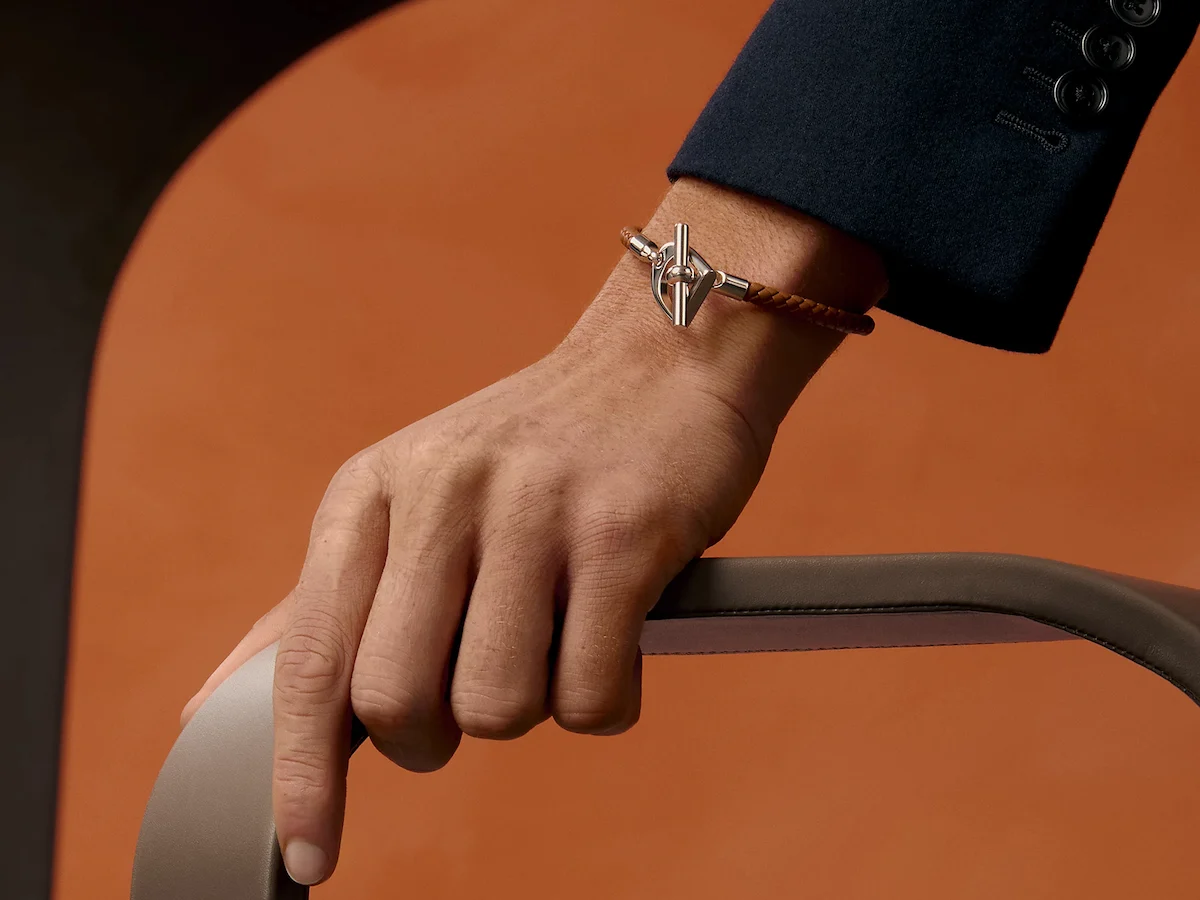
The global men’s jewellery market has undergone a significant transformation over the past decade, evolving from a niche segment into a multi-billion-dollar powerhouse. According to market analysis reports from 2023 and 2024, the men’s luxury accessory sector is projected to maintain a compound annual growth rate (CAGR) of over 5%, driven by a shift in cultural perceptions and the increasing influence of "gender-neutral" fashion. Within this burgeoning market, the bracelet has emerged as the primary entry point for men looking to expand their sartorial repertoire beyond the traditional wristwatch.
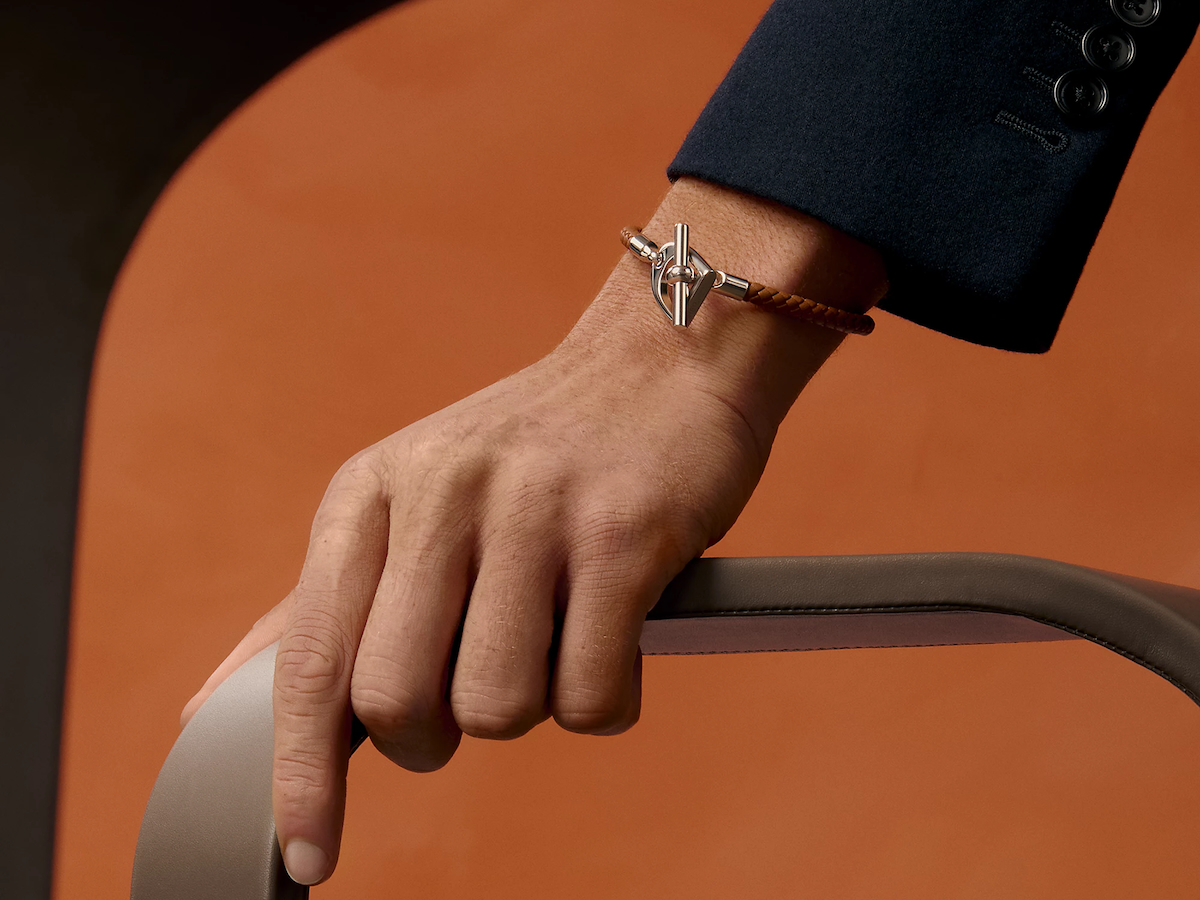
As the northern and southern hemispheres transition into their respective warmer seasons, the demand for wristwear increases alongside the prevalence of short-sleeved attire. Modern men’s bracelets now span a vast spectrum of designs, from industrial-inspired sterling silver chains to artisanal leather wraps and high-investment luxury bangles. This guide examines thirteen of the most significant pieces currently defining the market, balancing technical craftsmanship with aesthetic versatility.
The Evolution of the Masculine Wrist Accessory
Historically, men’s bracelets served functional or status-oriented purposes, ranging from the leather bracers of ancient warriors to the ID bracelets popularised during World War II. However, the contemporary landscape is defined by the "mix-and-match" philosophy. Industry experts note that the "wrist stack"—the practice of wearing multiple bracelets alongside a timepiece—has become a standard styling technique in both casual and formal menswear.

The chronology of this trend can be traced back to several pivotal moments, including the 1969 debut of the Cartier Love Bracelet, which challenged traditional notions of how jewellery is worn and secured. More recently, the rise of independent Australian labels and European industrial ateliers has democratised the sector, offering high-quality materials like recycled silver and gold vermeil to a broader demographic.
Industrial Minimalism and Utility-Driven Design
For many men, the appeal of a bracelet lies in its construction and the "utility" of its aesthetic. This category is currently dominated by brands that draw inspiration from hardware, climbing equipment, and architectural structures.
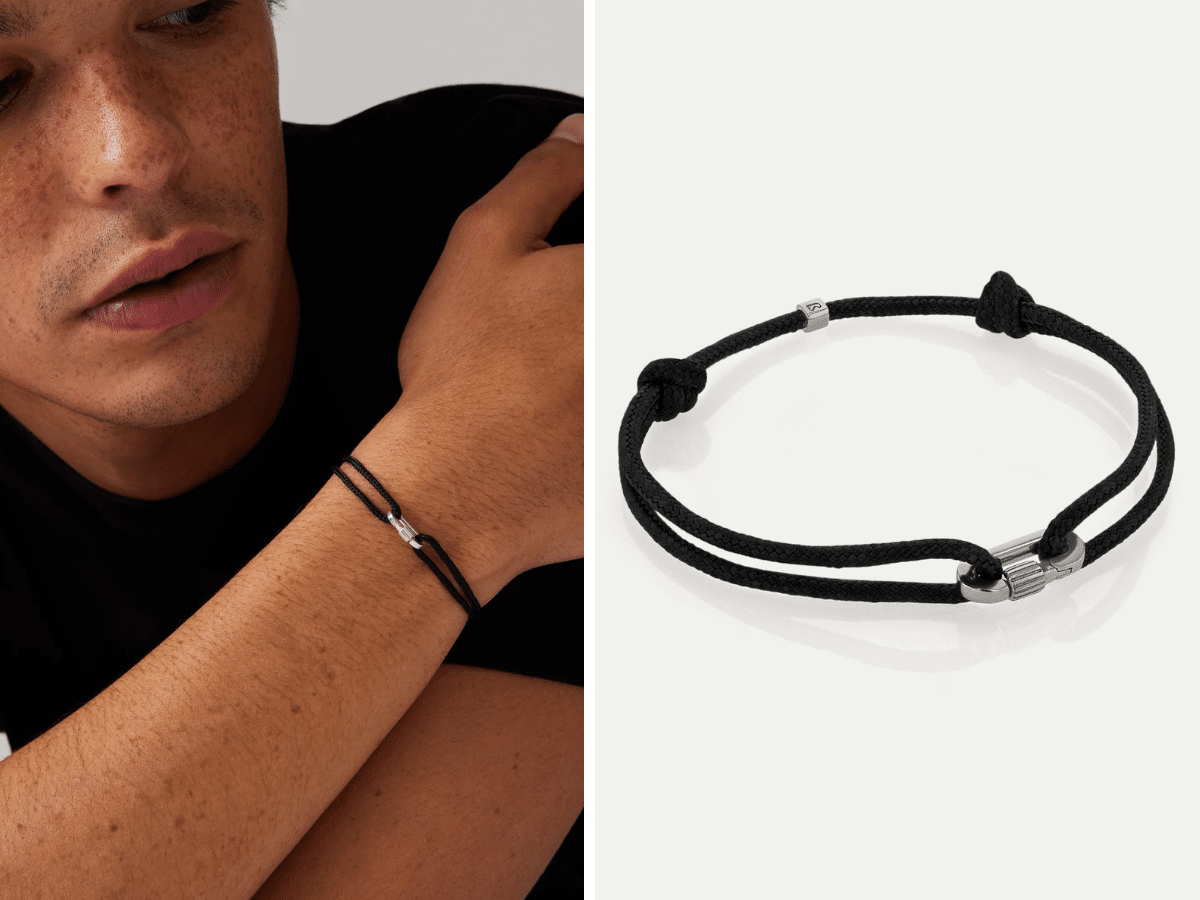
1. Sarah & Sebastian: The Lock Cord Bracelet
Sydney-based fine jewellery studio Sarah & Sebastian has gained international acclaim for its "Submariner" and "Utility" collections. The Lock Cord Bracelet is a prime example of this ethos. By pairing a durable fabric cord with a sterling silver carabiner motif, the piece references mountain climbing gear. This design choice is not merely aesthetic; the use of high-tensile cord ensures the bracelet can withstand the rigours of an active outdoor lifestyle, making it a staple for summer beach culture.
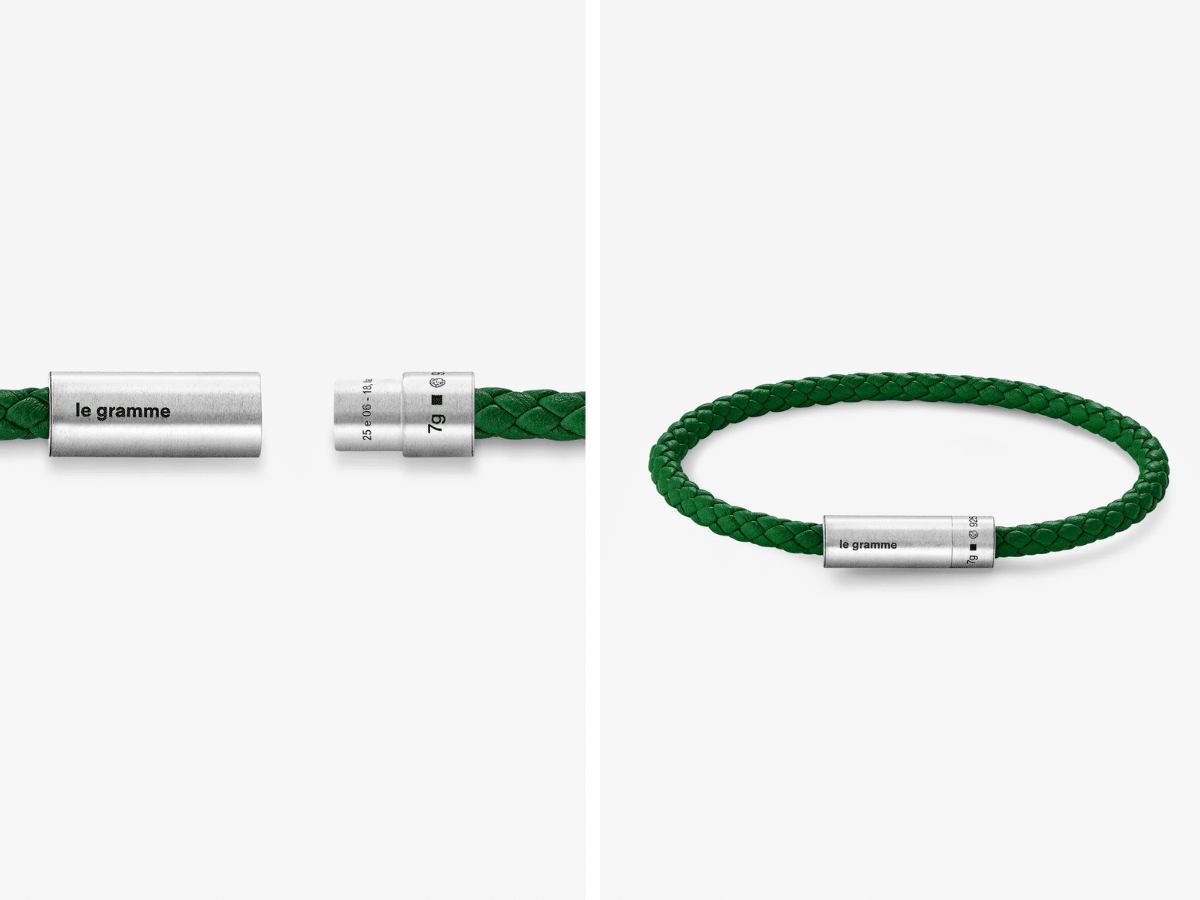
2. Le Gramme: 7g Brushed Silver and Green Leather Cable
French atelier Le Gramme operates on a unique premise: every piece is named after its weight in grams. The 7g Cable Bracelet is inspired by the structural cables used in suspension bridges. The engineering involved in the cylindrical screw-clasp reflects the brand’s obsession with industrial precision. By combining brushed sterling silver with braided leather, Le Gramme provides a tactile contrast that appeals to enthusiasts of minimalist design.
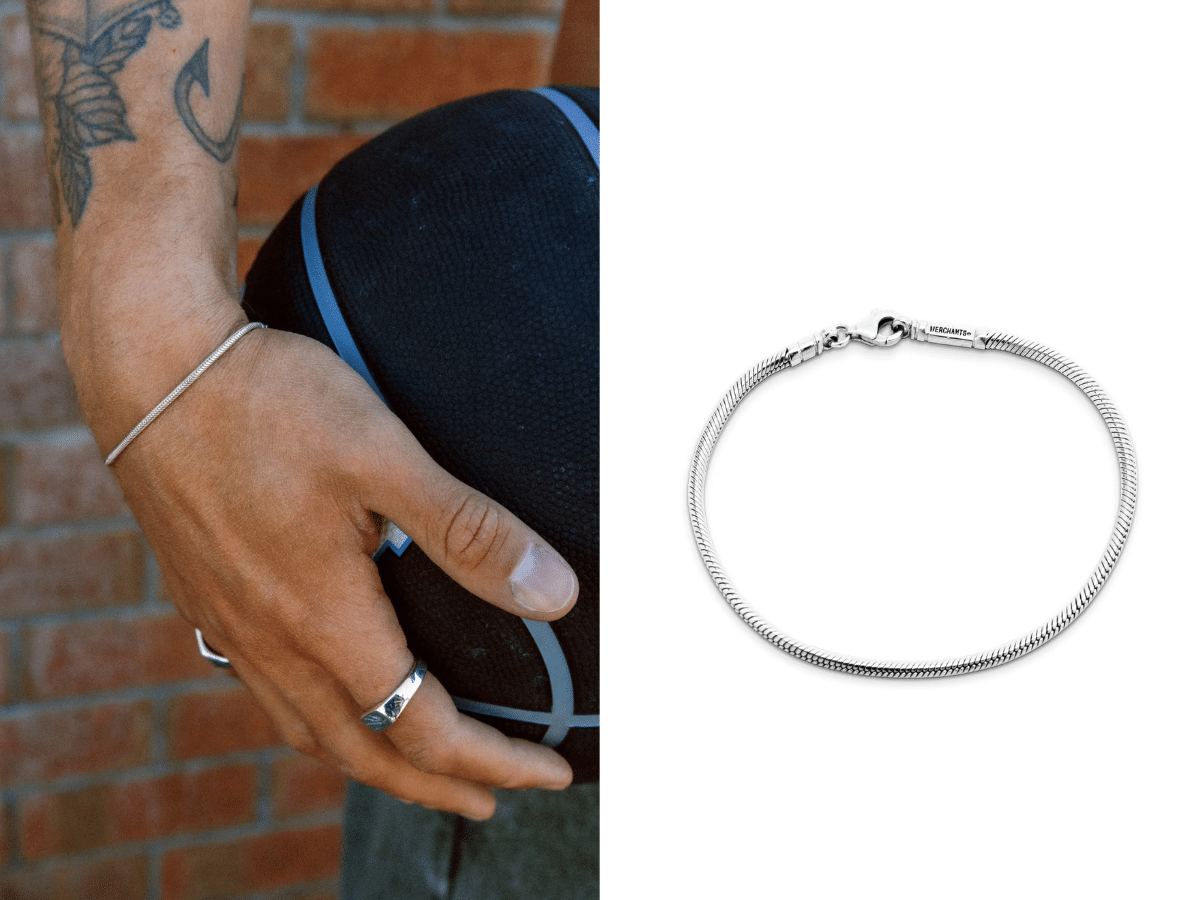
3. Apoma: The Cable Bracelet
Based in Melbourne, Apoma focuses on the raw, handmade nature of metalwork. Their Cable Bracelet features 2mm thick sterling silver links that are individually formed and cut by hand. This labour-intensive process results in a "solid" feel that machine-made chains often lack, appealing to consumers who value the "maker’s mark" in their accessories.
The Rise of Sustainable Australian Artistry
Australia has become a significant hub for men’s jewellery, with a focus on sustainable sourcing and "raw" finishes that reflect the continent’s rugged landscape.
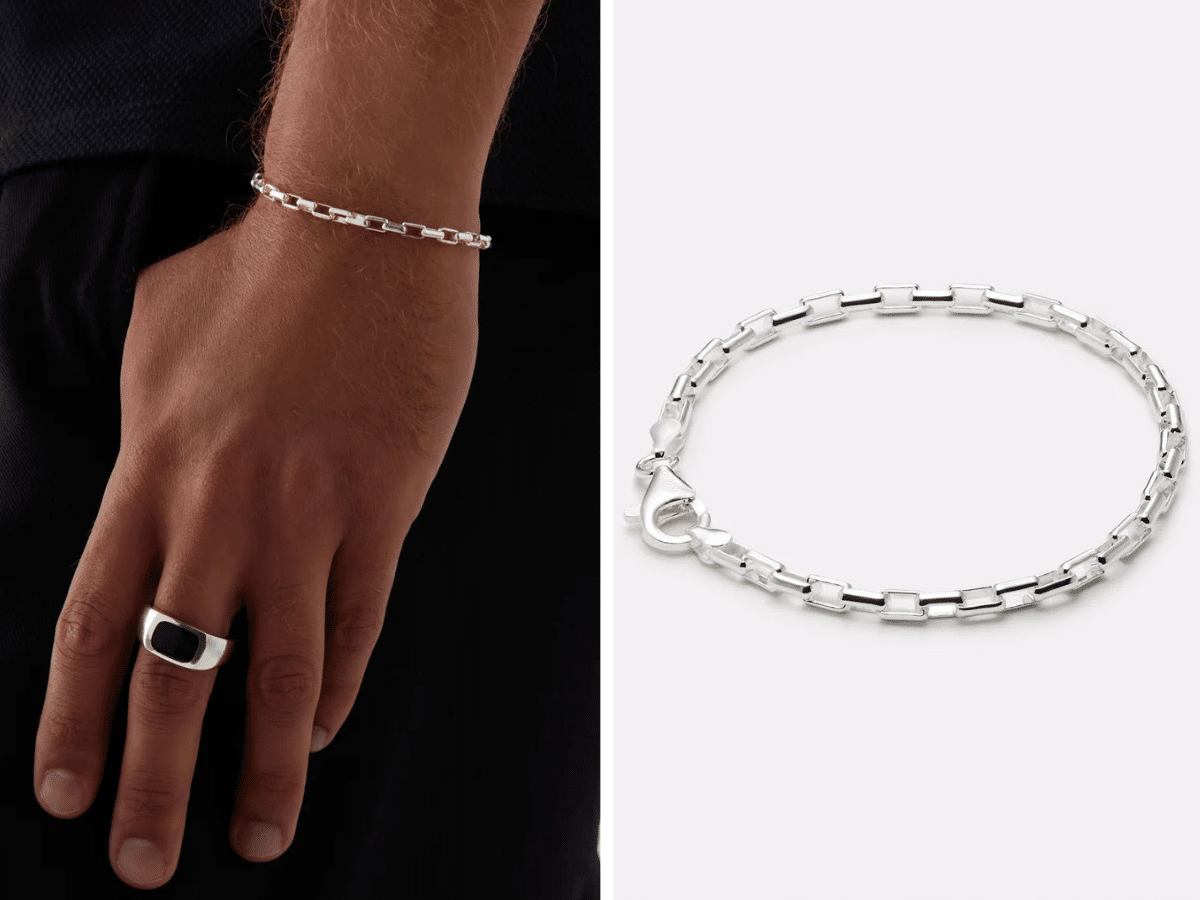
4. Merchants of the Sun: Dusk Chain
Operating out of the Gold Coast, Merchants of the Sun has positioned itself as a leader in sustainable luxury. The Dusk Chain is forged from 100 per cent recycled sterling silver, a response to the growing consumer demand for ethical manufacturing. The simple, classic link design is intended to serve as an "anchor piece," providing a foundation for those beginning their jewellery collection.
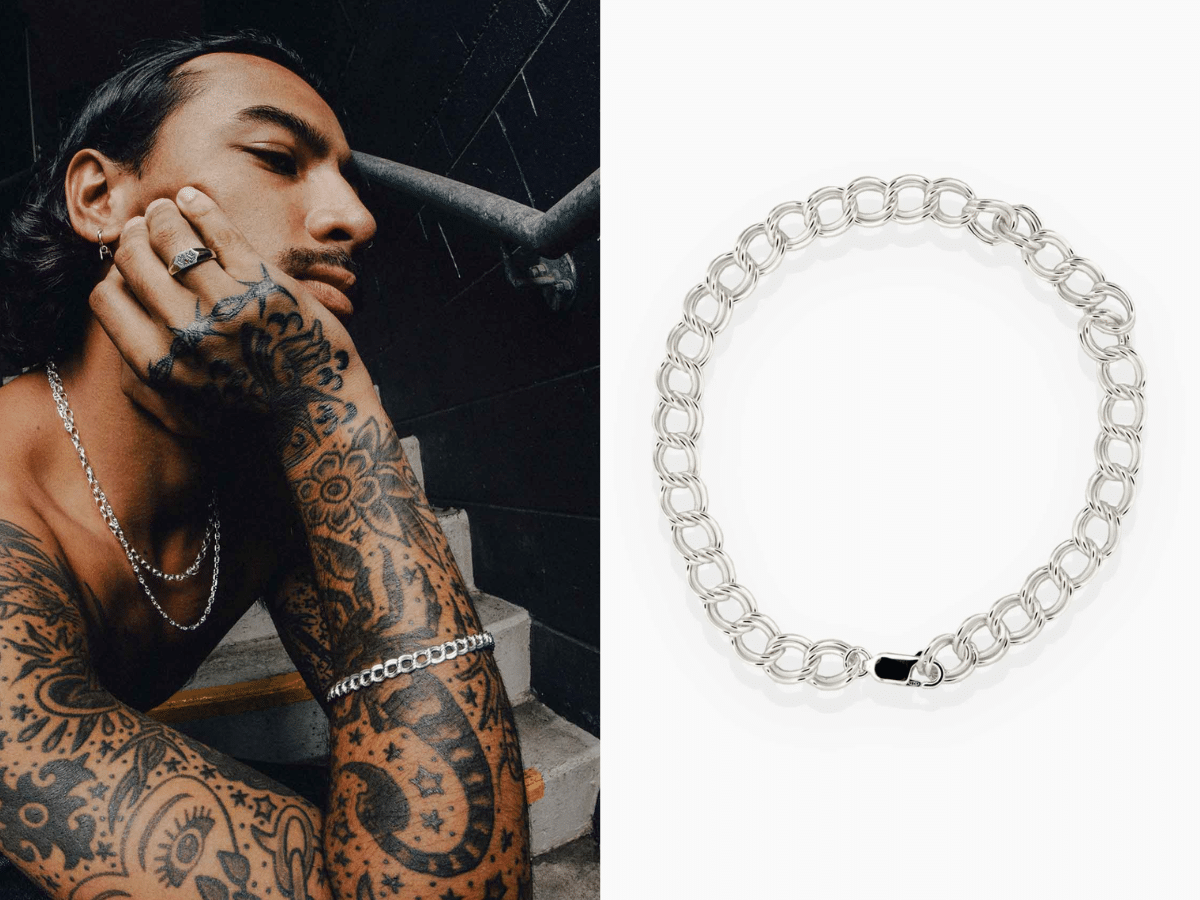
5. Sue The Boy: Dual Chain
Byron Bay’s Sue The Boy leans into a more "weathered" aesthetic. The Dual Chain features two parallel 7mm wide chains, offering significant visual weight without the excessive mass of a single heavy curb link. This piece is handcrafted from recycled silver, catering to the "neo-bohemian" style prevalent in coastal fashion hubs.
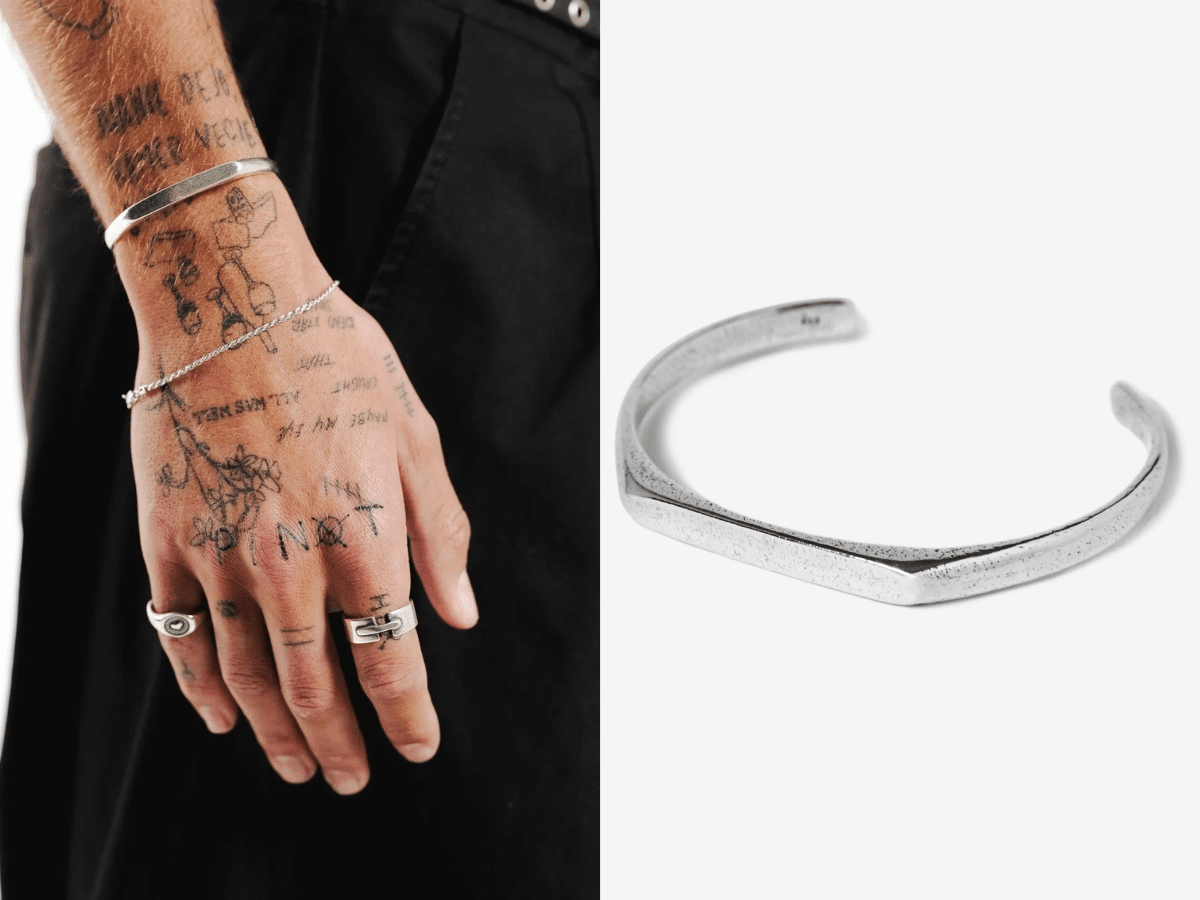
6. Billie Jo: Echo Cuff
The Burleigh Heads-based brand Billie Jo specialises in minimalist accessories designed for durability. The Echo Cuff is specifically engineered to be "saltwater friendly," catering to the surfing and maritime communities. Its ergonomic, flush-fitting design minimises the risk of snagging, a common complaint with traditional chain bracelets.
Technical Analysis of Materials: Silver vs. Gold Vermeil
Understanding the material composition is crucial for any prospective buyer. The current market is bifurcated between solid precious metals and high-quality plated alternatives.
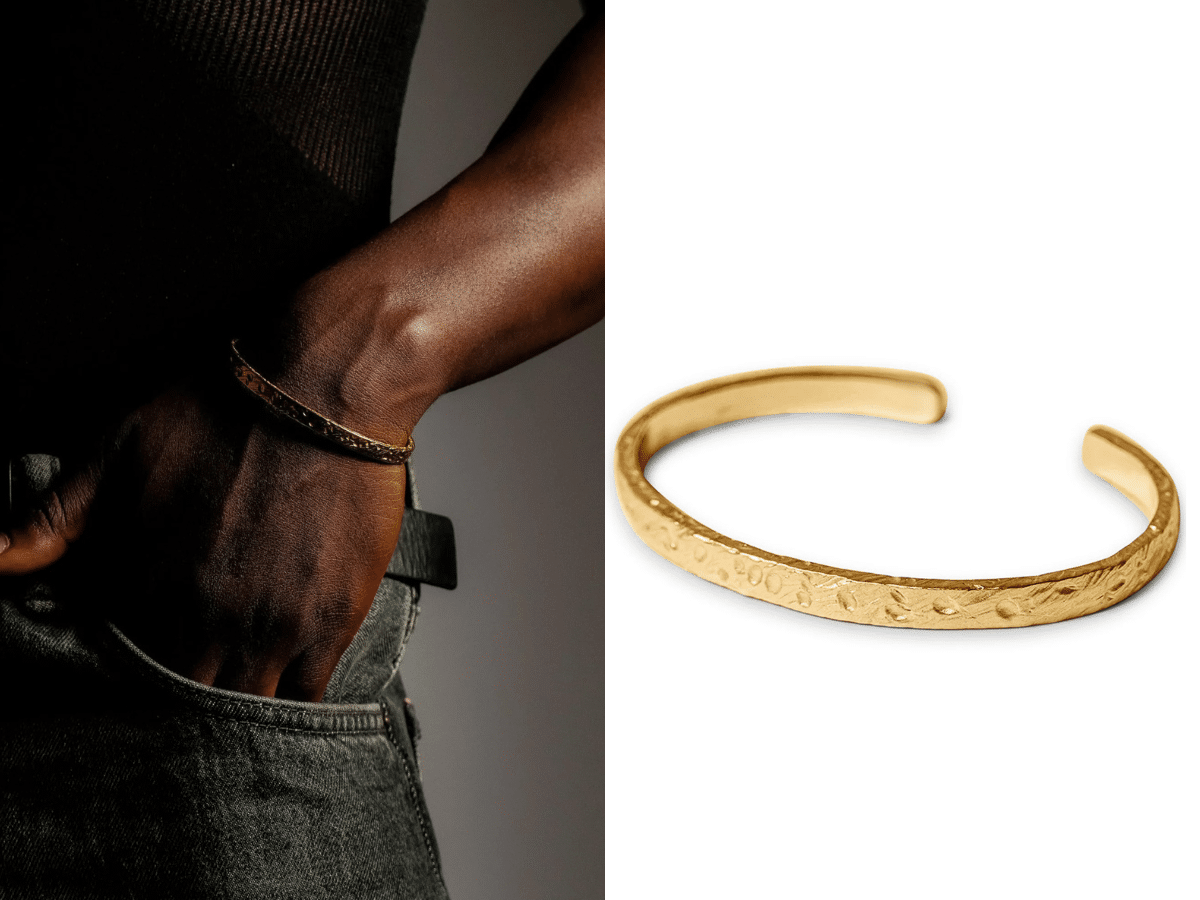
7. Rawninety: Mickey Cuff in Gold
Melbourne label Rawninety utilizes 18K gold vermeil for its Mickey Cuff. To qualify as vermeil, a piece must have a sterling silver base coated in a gold layer at least 2.5 microns thick. Rawninety exceeds this with a 3.5-micron coating, ensuring longevity. The combination of polished surfaces and sandblasted textures provides a sophisticated look that mimics solid gold at a fraction of the cost.
8. Najo: Veneto Silver Chain
Designed in Australia and manufactured in Bassano del Grappa, Italy, the Najo Veneto chain highlights the importance of geometry in jewellery design. Unlike standard rounded curb links, these links are flattened, creating a sharp, architectural profile. This geometry allows the bracelet to sit flat against the skin, making it more comfortable for wear under tailored shirt cuffs.
The Heritage Luxury Investment
For the high-end consumer, heritage brands offer pieces that function as both style statements and "portable wealth." These items often hold their value or even appreciate in the secondary market.
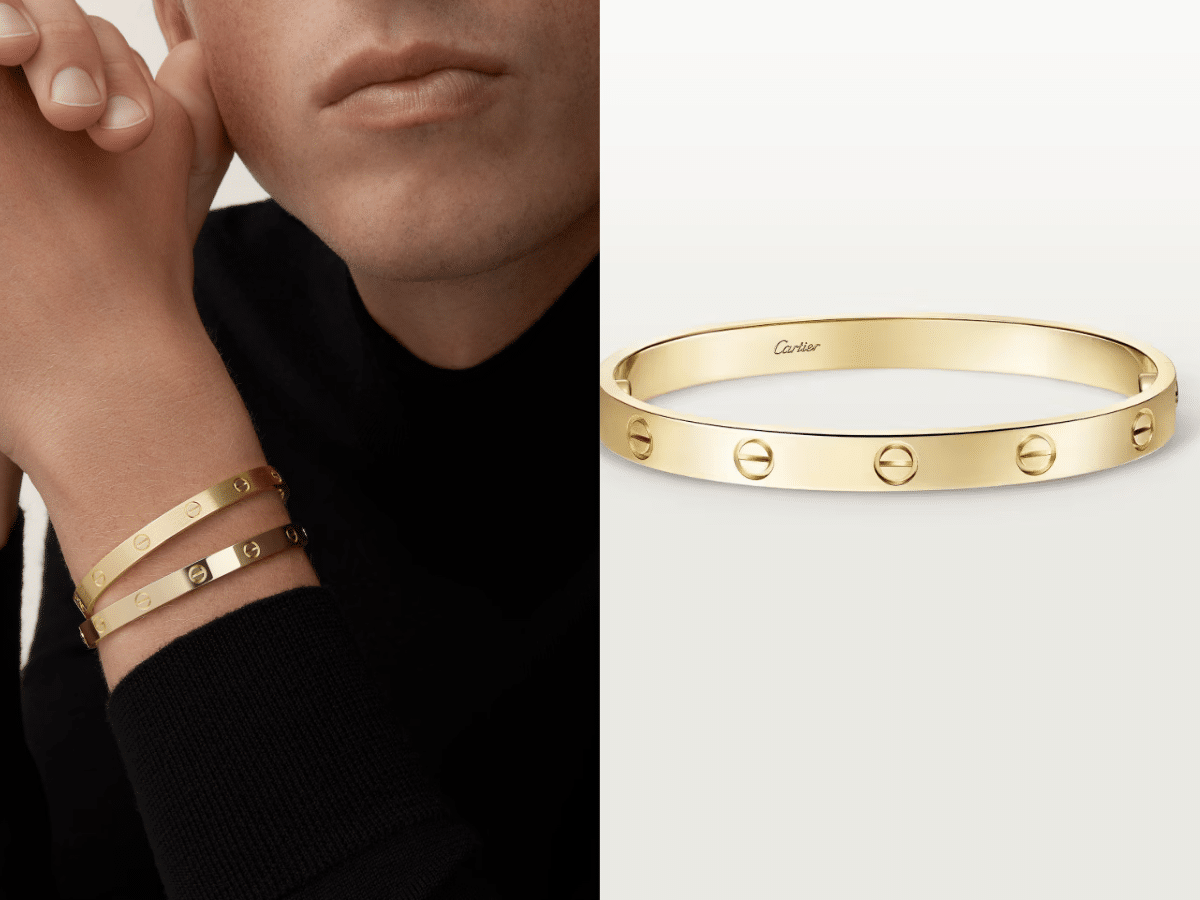
9. Cartier: Love Bracelet
Designed by Aldo Cipullo in 1969, the Cartier Love Bracelet is arguably the most famous piece of wrist jewellery in history. Its unique locking mechanism—requiring a specific screwdriver—was originally marketed as a modern "chastity belt" for the wrist, symbolizing permanent commitment. In 18K yellow gold, it remains a flagship of the luxury industry, with prices often exceeding $10,000 USD.
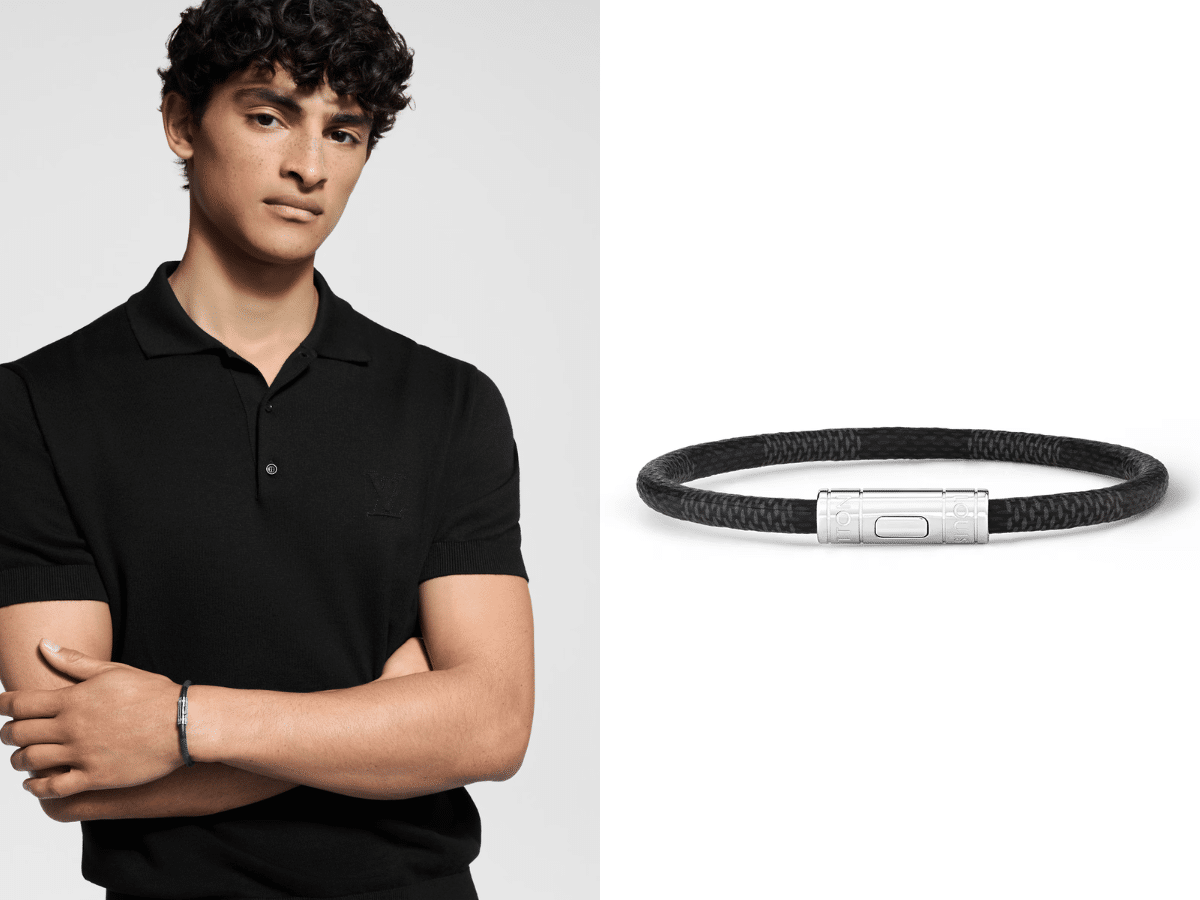
10. Louis Vuitton: Keep It Bracelet
The Keep It Bracelet utilizes Louis Vuitton’s signature Damier Graphite canvas. This piece represents the "entry-level" luxury segment, providing brand recognition through its monogrammed material and engraved silver-tone lock. It is particularly popular among younger professionals who prefer a "designer" aesthetic that remains understated.
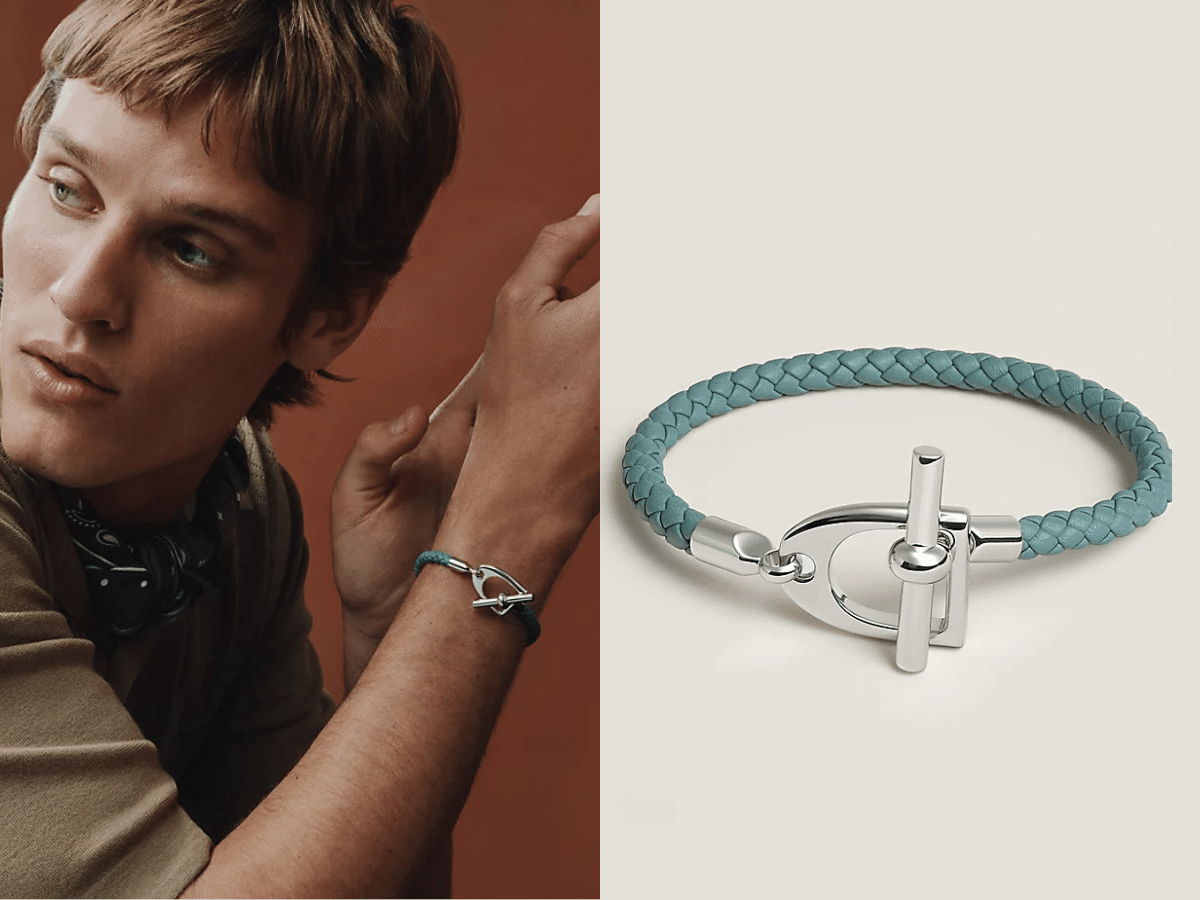
11. Hermès: Étrier H Bracelet
Hermès’ history as a master saddler is evident in the Étrier H Bracelet. Made from Swift calfskin—a leather known for its softness and ability to take dye—the bracelet features a stirrup-shaped palladium-plated clasp. This equestrian heritage provides a narrative depth that many contemporary fashion brands cannot replicate.
12. Bottega Veneta: Intrecciato Leather Snap Bracelet
Bottega Veneta is synonymous with the Intrecciato weave, a technique developed in the 1960s to make thin leathers more durable. This nappa leather bracelet uses that same signature weave, fastened with a sterling silver snap. It offers an organic, earthy alternative to the coldness of all-metal cuffs.
Innovative Aesthetics and Gemstone Integration
A recent trend in the men’s market is the subtle integration of gemstones, moving away from the "iced out" look toward more refined, precision-set stones.
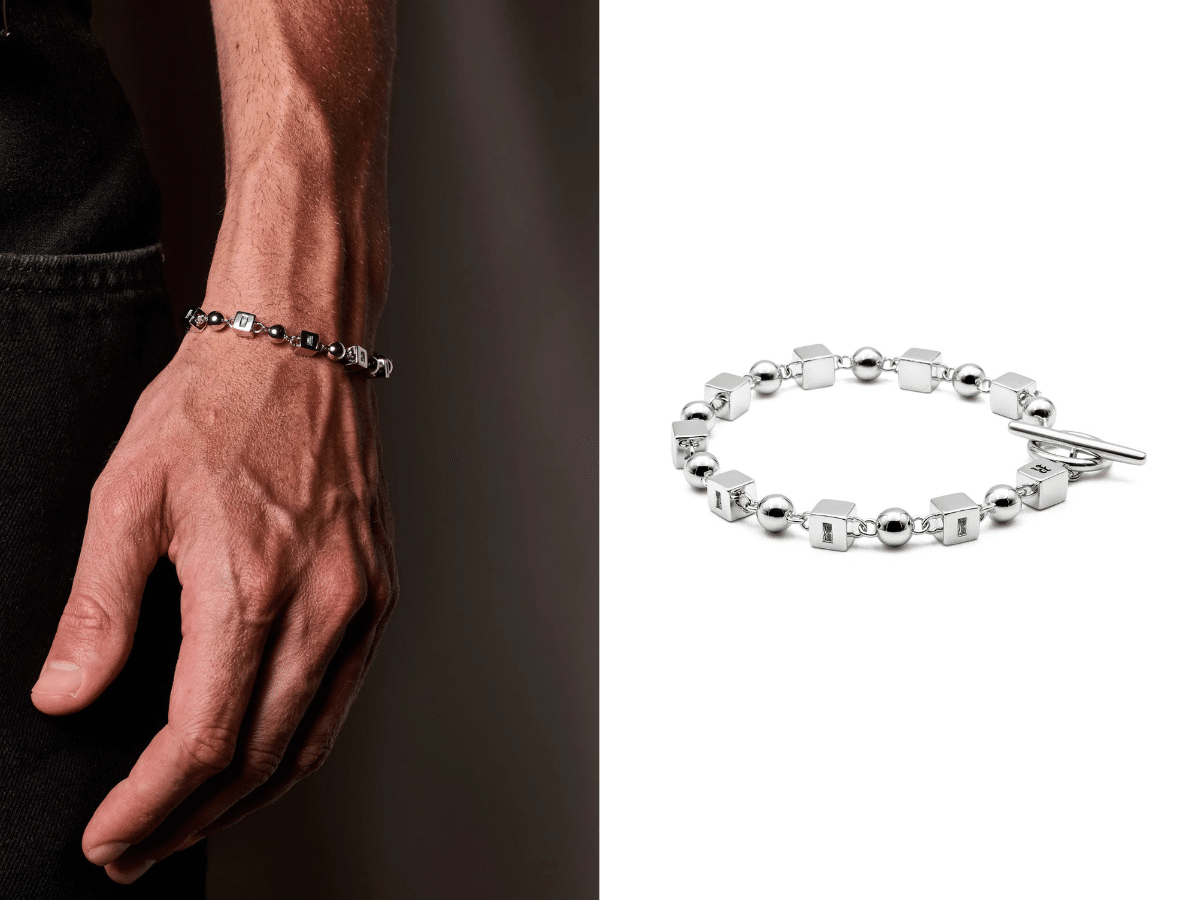
13. Rawninety: Topaz Ball Bearing Bracelet
This piece breaks from traditional link styles by alternating between 6mm solid ball bearings and precision-cut cubes. Each cube is set with a blue topaz, providing a "pop" of colour that mimics the hues of the ocean. This use of rhodium-plated sterling silver ensures a high-shine finish that resists tarnishing.
Maintenance and Longevity: A Technical Overview
The longevity of a men’s bracelet is largely dependent on post-wear care. While sterling silver is highly durable, it is susceptible to chemical reactions.
- Salinity and Chlorine: Saltwater and pool chemicals act as oxidising agents. Experts recommend rinsing any silver jewellery in fresh water immediately after exposure to prevent "fire scale" or deep tarnishing.
- Gold Vermeil Care: Because vermeil is a thick plating, it should never be cleaned with abrasive polishing cloths, which can strip the gold layer over time. A soft, damp microfibre cloth is the industry-standard recommendation.
- Leather Conditioning: High-end leather bracelets from houses like Hermès or Bottega Veneta require occasional conditioning with pH-neutral leather creams to prevent the hide from cracking due to sweat and UV exposure.
Broader Impact and Market Implications
The diversification of the men’s bracelet market reflects a broader societal shift toward self-expression. As professional dress codes continue to relax globally, the "corporate uniform" is increasingly being accessorised with personal tokens.
Financial analysts suggest that the "resale value" of men’s jewellery is becoming a significant factor in purchasing decisions. Pieces from Cartier and Louis Vuitton maintain high liquidity on platforms like Sotheby’s and The RealReal, transforming these accessories into "hard assets." Meanwhile, the rise of independent Australian brands highlights a shift toward "locavore" luxury, where consumers are willing to pay a premium for transparency in the supply chain and artisanal production.
Ultimately, whether it is a $50 nylon cord bracelet or a $13,000 gold bangle, the men’s bracelet has solidified its place as a permanent fixture in the modern wardrobe. As the industry moves toward 2025 and beyond, the focus is expected to remain on material innovation, sustainability, and the blurring of lines between industrial tool and fine ornament.




 Yuyun Lusiyani
 Joko Widodo
 Eva Lovia
 Pevita Pearce
 admin
admin