
 Lina Irawan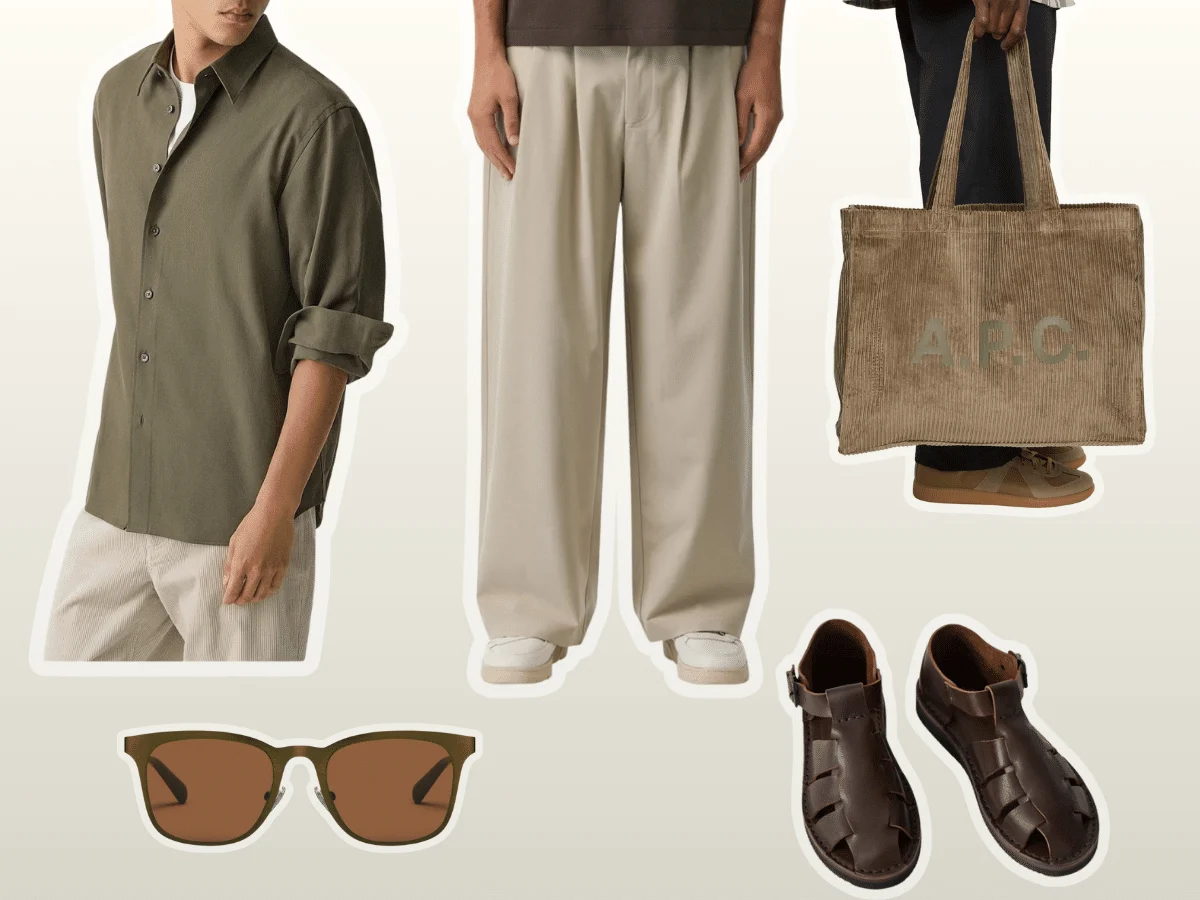
The arrival of the Australian summer presents a perennial challenge for the modern professional: the reconciliation of a sharp, authoritative aesthetic with the physiological demands of extreme heat and humidity. As the Bureau of Meteorology (BOM) continues to record record-breaking temperatures across the continent, with some regions experiencing their hottest September on record as a precursor to a grueling summer season, the traditional corporate uniform is undergoing a necessary evolution. For the white-collar worker, the morning commute often involves navigating 30-degree temperatures and high humidity before entering a commercial environment where air-conditioning systems are frequently set to "arctic" levels. This thermal whiplash requires a strategic approach to wardrobing that prioritizes moisture management, airflow, and versatile layering.
The Meteorological Context and the Productivity Gap
To understand the necessity of specialized summer office wear, one must look at the shifting climate data. According to recent climate summaries, Australia has seen an increase in the frequency and intensity of heatwave events over the last decade. Data indicates that temperatures in major metropolitan hubs like Sydney, Melbourne, and Brisbane are reaching peak levels earlier in the season, extending the period during which "standard" tailoring becomes a liability rather than an asset.
Furthermore, the impact of thermal discomfort on professional performance is well-documented. Research into occupational health and ergonomics suggests that cognitive performance begins to decline when ambient temperatures exceed 25 degrees Celsius (77 degrees Fahrenheit). For employees commuting via public transport or walking between meetings, the heat-induced fatigue and the "sweat-through" effect can significantly impact confidence and perceived professionalism. Consequently, the selection of appropriate fabrics and silhouettes is no longer merely a matter of style, but a tactical requirement for maintaining workplace efficiency.
The Science of Summer Fabrics: Natural vs. Synthetic
The foundation of any heat-resistant wardrobe lies in the textile composition. Fashion historians and textile scientists agree that the industrial shift toward synthetic fibers—such as polyester, nylon, and acrylic—has exacerbated the discomfort of the summer commute. Synthetics are essentially plastic-based; they trap heat and repel moisture, creating a greenhouse effect against the skin.
In contrast, a professional summer wardrobe must be built on natural, breathable fibers. Linen, derived from the flax plant, remains the gold standard for high-temperature environments. Its molecular structure allows for rapid moisture absorption and evaporation, while its characteristic "slubby" texture provides a natural gap between the fabric and the skin. However, because pure linen is prone to significant wrinkling, many modern professionals are turning to linen-cotton blends. These hybrids offer the cooling properties of flax with the structural integrity and crease-resistance of cotton.

Another critical inclusion is lightweight Merino wool, specifically "CoolWool" or "Fresco" weaves. Despite its association with winter, Merino wool is a natural temperature regulator. Its fibers can absorb up to 35% of their weight in moisture without feeling damp, making it an ideal choice for trousers and unstructured blazers in corporate environments that still demand traditional tailoring.
Footwear and the Airflow Imperative
The choice of footwear is often where summer outfits fail. Encasing the feet in heavy, non-breathable leather Oxfords and thick cotton socks creates a localized heat trap that raises the body’s core temperature. To mitigate this, style experts recommend a tiered approach based on office formality.
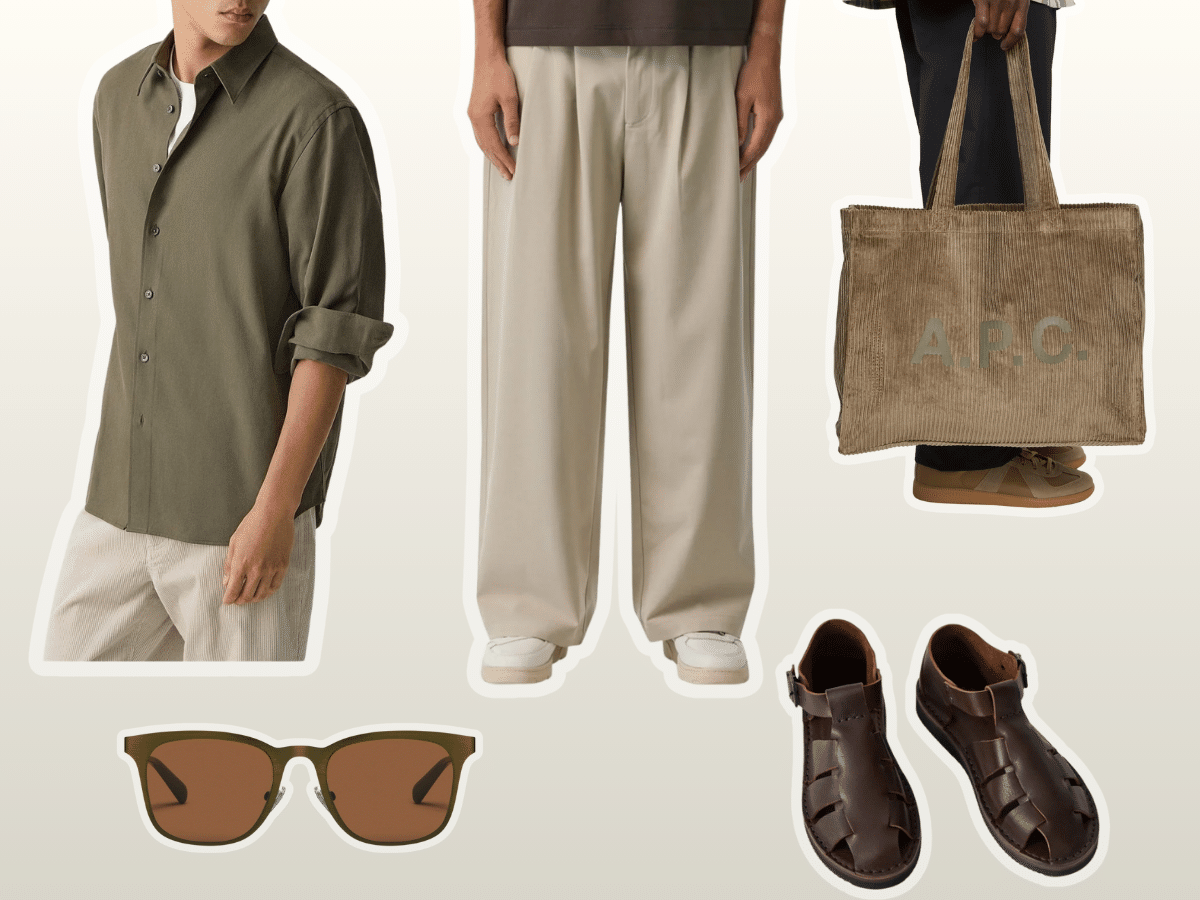
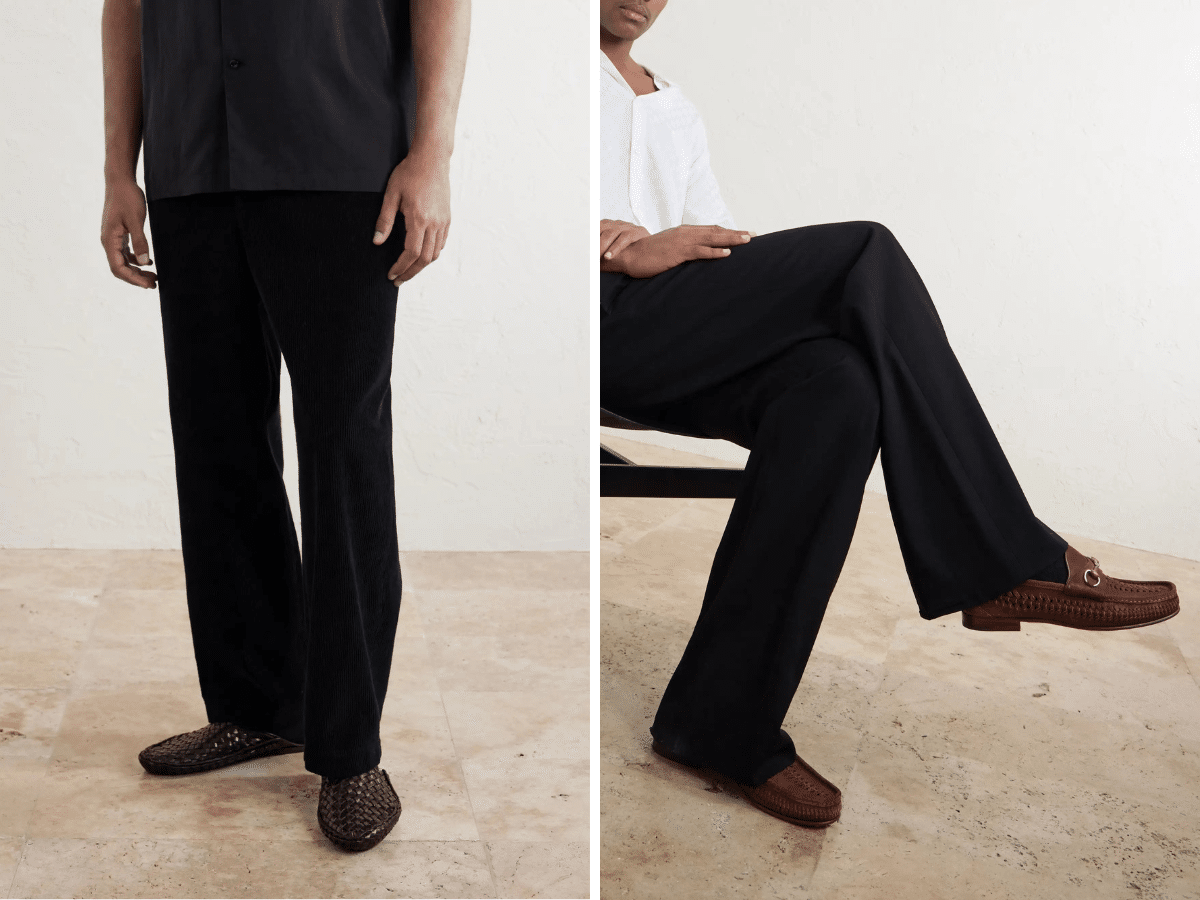
In creative and tech-oriented workplaces, the move toward "smart" sandals and woven loafers has gained significant traction. Woven leather loafers, featuring a braided construction, provide hundreds of micro-apertures for airflow while maintaining the silhouette of a formal shoe. Suede mules and canvas slip-ons are also increasingly acceptable, offering a relaxed yet polished aesthetic.
For more traditional sectors, such as law and finance, the "no-show" sock is a vital tool. By exposing the ankle, the body can more effectively shed heat. When full-length dress socks are mandatory, the transition from heavy cotton to fine-gauge bamboo or silk-wool blends is essential. These materials offer superior wicking properties, ensuring that the foot remains dry even during prolonged periods of activity.
The Evolution of Trousers: Room to Breathe
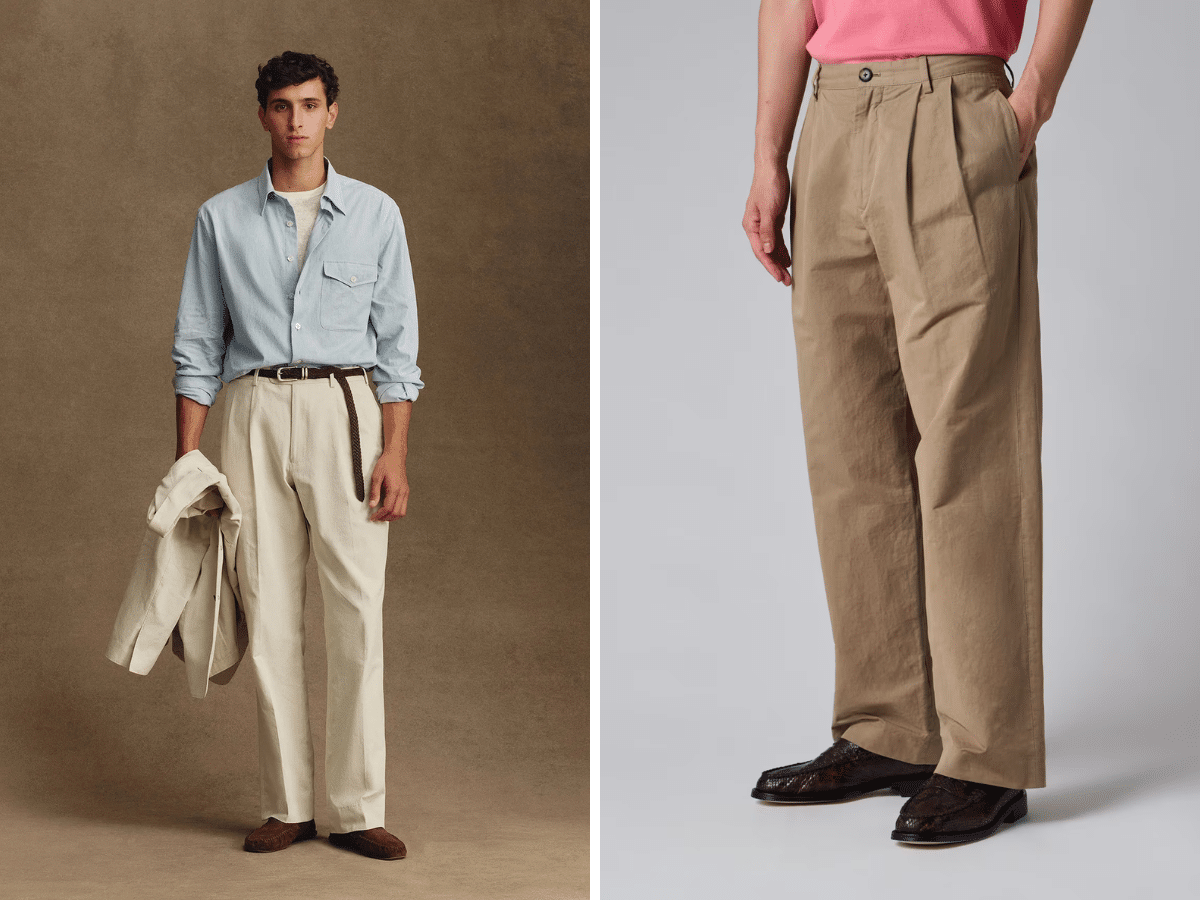
The "slim-fit" trend that dominated the 2010s is increasingly viewed as a hindrance in the Australian summer. Tight-fitting trousers prevent air circulation and cause fabric to cling to the skin, leading to visible sweat patches. The current shift toward relaxed silhouettes, specifically single- and double-pleated trousers, serves both a stylistic and functional purpose.
Pleats provide additional fabric at the hip and thigh, allowing the garment to drape away from the body. This creates a chimney effect, where air can move vertically through the trouser leg. Furthermore, the replacement of rigid leather belts with side-adjusters or drawstring waists reduces the amount of heat trapped at the midsection. Side-adjusters, often found on bespoke tailoring, allow for a cleaner line and greater comfort as the body fluctuates in temperature throughout the day.
Shifting Silhouettes: Camp Collars and Open Knits
The traditional button-down shirt is being supplemented by more breathable alternatives. The "camp-collar" or "resort-collar" shirt has transitioned from weekend wear to the office environment. By laying flat against the collarbone, the camp collar eliminates the heat-trapping "necktie zone," allowing for immediate cooling of the carotid arteries. When rendered in muted tones like navy, olive, or charcoal, these shirts maintain a level of sophistication suitable for most smart-casual settings.
Additionally, the rise of open-knit and crochet-style polos represents a significant innovation in office attire. These garments utilize a mesh-like structure that provides maximum ventilation while offering more texture and visual interest than a standard piqué polo. For the most formal days, the "oversized" linen shirt, worn with a crisp tuck, remains the ultimate defense against a 35-degree afternoon.
The Air-Conditioning Paradox and Layering Strategies
A unique challenge of the Australian workplace is the "Air-Conditioning Paradox." While the external temperature may be sweltering, the internal office environment is often cooled to levels that induce shivering. Dressing solely for the heat outside leaves the professional vulnerable to the "arctic" office.
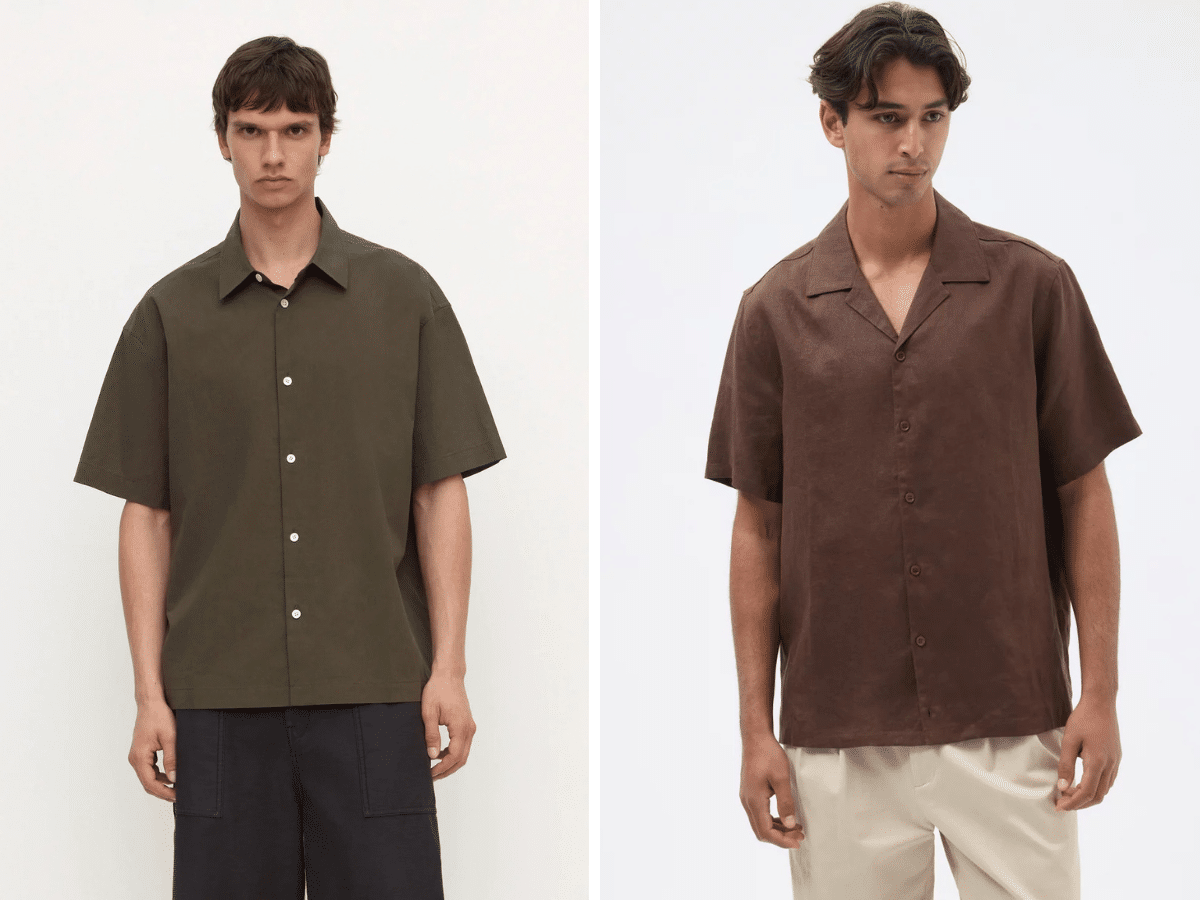
The solution is the unstructured blazer. Unlike traditional suit jackets, an unstructured blazer lacks shoulder padding and internal lining. This makes it as light and breathable as a shirt, yet it provides enough insulation to combat office drafts. For more casual environments, the linen chore jacket serves a similar purpose, offering a rugged yet professional outer layer. Keeping a neutral, fine-gauge Merino sweater at one’s desk is also a recommended "insurance policy" for days when the HVAC system is set to its maximum output.
A Tiered Guide to Summer Office Outfits
To assist professionals in navigating various workplace cultures, the following blueprints offer failproof combinations for the summer months:
1. The Creative and Tech Blueprint
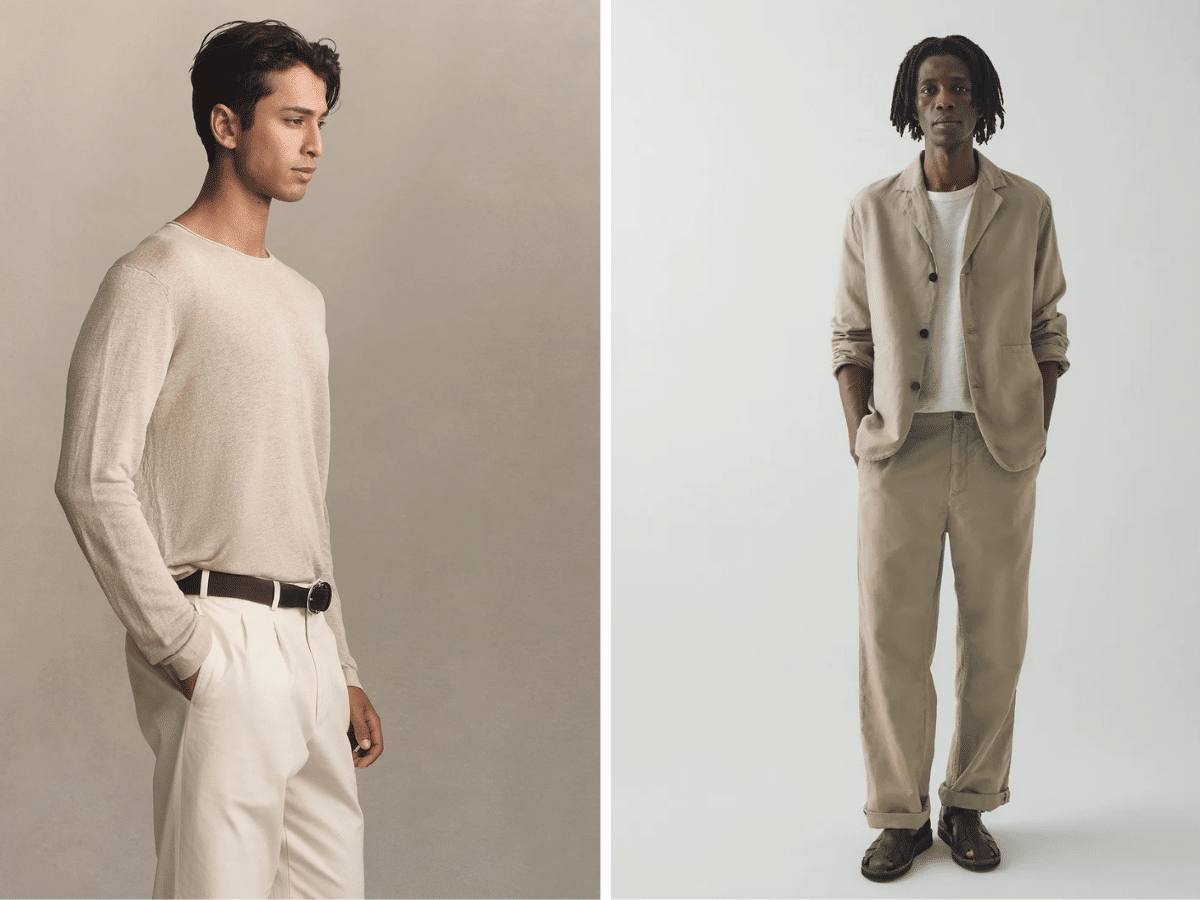
- The Fit: Oversized linen button-down (untucked or half-tucked), relaxed-fit cotton-linen chinos, and high-quality leather sandals or minimal white leather sneakers.
- The Logic: This outfit prioritizes movement and maximum airflow. The use of an unlined chore jacket as a "desk layer" ensures comfort during long hours in an air-conditioned studio.
2. The Smart-Casual Blueprint
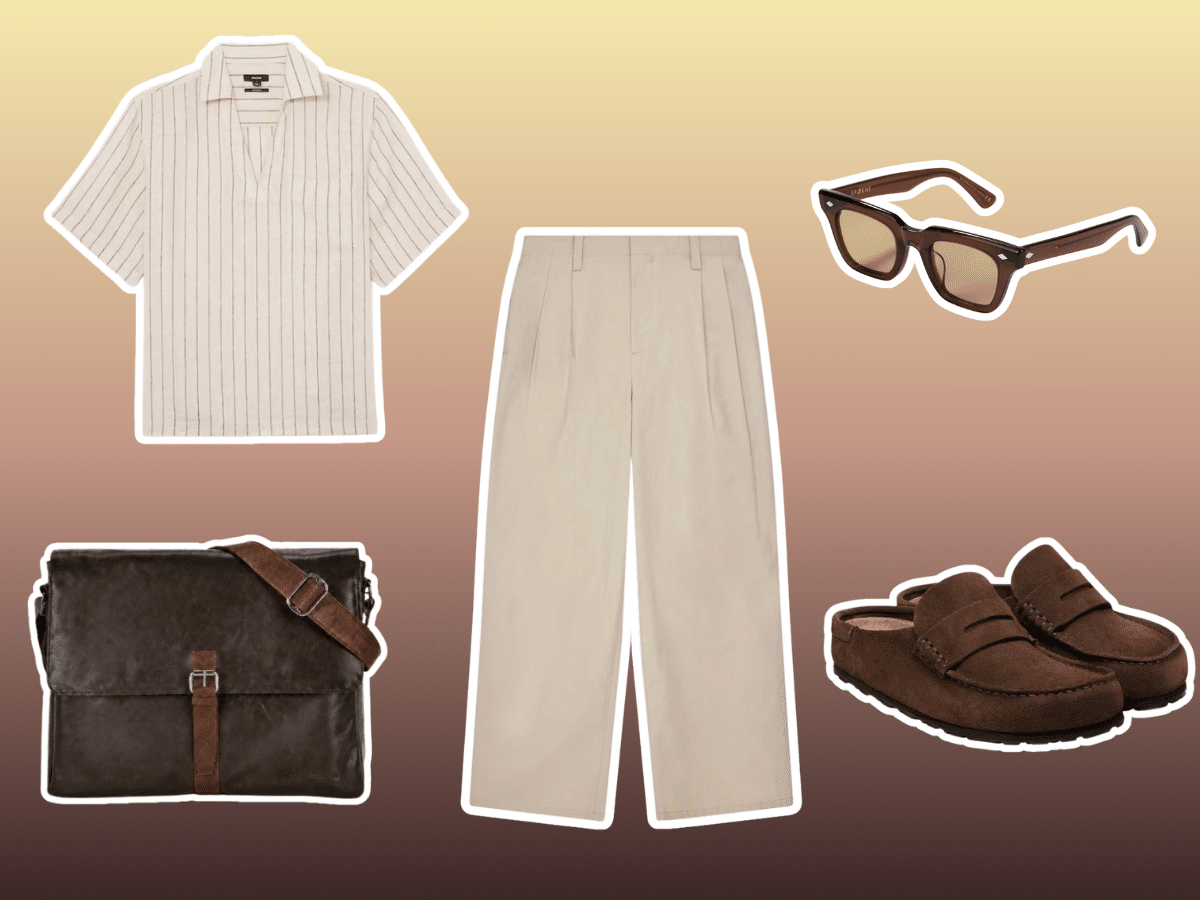
- The Fit: Patterned camp-collar shirt in a breathable weave, single-pleat trousers in a stone or tan shade, and suede loafers with no-show socks.
- The Logic: This strikes a balance between personality and professionalism. The pleats provide comfort for desk work, while the suede loafers offer a cooler alternative to polished leather.
3. The Modern Professional Blueprint
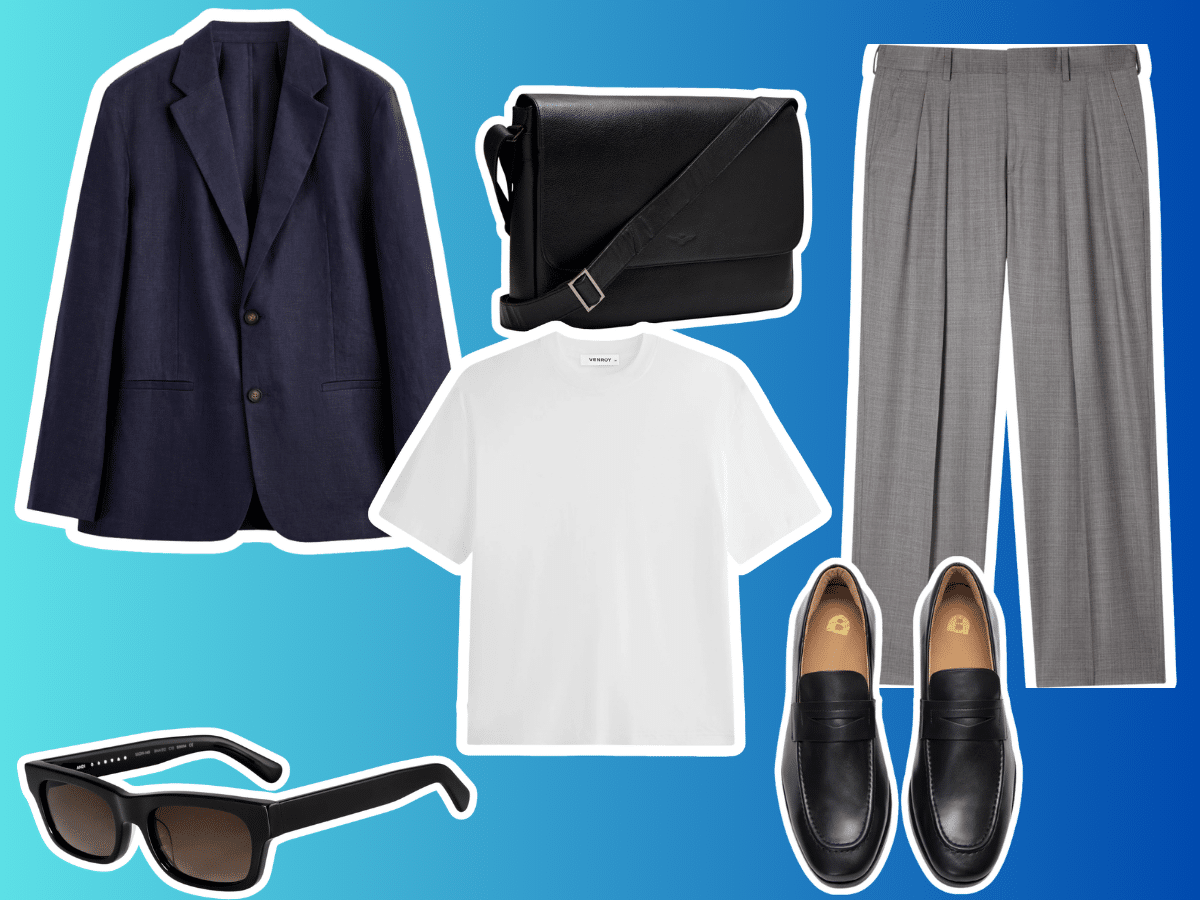
- The Fit: Unstructured navy blazer, premium heavyweight white T-shirt, wide-leg lightweight wool trousers, and black leather penny loafers.
- The Logic: This ensemble challenges the necessity of the collared shirt. A high-quality tee under a blazer maintains a sharp silhouette while significantly reducing the number of fabric layers around the neck.
4. The Corporate and Finance Blueprint
- The Fit: Unstructured linen-blend suit in light grey or navy, lightweight Oxford shirt (top button undone), and leather dress loafers.
- The Logic: Even in the most conservative environments, the "half-lining" or "zero-lining" suit is becoming standard. By removing the polyester lining usually found in suits, the wearer allows the wool or linen to perform its natural cooling function.
Strategic Color Palettes and Sweat Management
While light colors like sky blue and pale grey are traditionally associated with summer, they are technically the most dangerous for the perspiring professional. These shades highlight moisture instantly.
A more tactical approach involves "dark neutrals." Deep navy, forest green, and chocolate brown are exceptionally effective at masking sweat marks. For those who prefer lighter tones, textured fabrics such as seersucker or slubby linen are preferable, as the uneven surface of the fabric breaks up the visual impact of moisture.
The Tactical Commute: Pre-Office Logistics
Beyond the clothes themselves, the "pre-game" of the commute is vital. Industry experts recommend several behavioral adjustments to preserve the integrity of the outfit:
- The "Undershirt" Strategy: Wearing a moisture-wicking, ultra-thin undershirt can act as a sacrificial layer, absorbing sweat before it reaches the expensive dress shirt.
- The Bag Commute: On particularly extreme days, professionals are increasingly opting to carry their work shirt in a garment bag, commuting in a high-tech athletic tee and changing upon arrival.
- Hydration and Timing: Core temperature management begins internally. Maintaining high levels of hydration and, where possible, timing the commute to avoid the 8:30 AM humidity peak can significantly reduce "transit stress."
Broader Implications for Corporate Policy
The increasing severity of Australian summers is beginning to influence corporate policy. Some forward-thinking firms are implementing "Summer Dress Codes" that officially sanction the removal of ties and jackets, or even the introduction of tailored shorts in specific contexts. This shift reflects a broader understanding that employee comfort is directly linked to retention and productivity. As climate patterns continue to shift, the ability to dress "thermally smart" will become a hallmark of the modern Australian professional.




 Yuyun Lusiyani
 Joko Widodo
 Eva Lovia
 Pevita Pearce
 admin
admin