
 Eva Lovia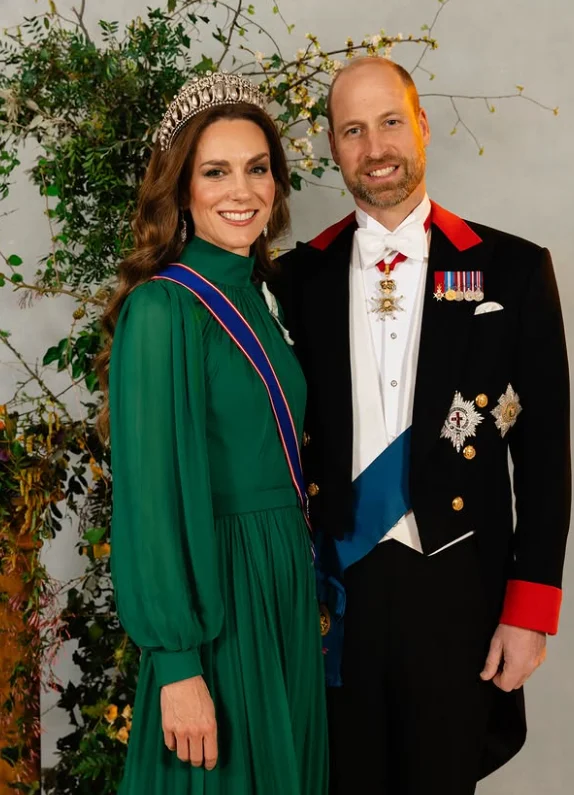
Just as the echoes of a glittering State Banquet at Windsor Castle began to fade, the Prince and Princess of Wales have artfully reaffirmed a burgeoning royal tradition with the release of a captivating new portrait. The striking image, captured shortly before the formal dinner held in honour of Nigeria’s President Bola Tinubu, emerged nearly 24 hours after the conclusion of the significant diplomatic event. This deliberate unveiling, following a period where the customary pre-banquet photograph was notably absent, has solidified a new precedent for the couple’s engagement in high-profile state visits.
The tradition of the Prince and Princess of Wales releasing a formal portrait ahead of a State Banquet had been observed during the last three state visits. However, the recent State Visit of President Tinubu and his delegation to the United Kingdom presented a departure from this established pattern, leading to a period of speculation regarding its continuation. The eventual release of the portrait on the second day of the visit served not only to confirm the continuation of this practice but also to underscore the couple’s commitment to marking such occasions with a visual statement. This strategic timing suggests a conscious effort to manage public perception and reinforce their role within the United Kingdom’s diplomatic efforts.
A particularly poignant element of this year’s photographic tradition was the selection of a British Nigerian photographer, Christianah Ebenezer, to capture the official portrait. This choice transcends mere artistic preference; it serves as a powerful symbol of cultural bridge-building and a deliberate nod to the nation being honored. Ebenezer, an artist whose work has graced the halls of the National Portrait Gallery, expressed her profound honour at being entrusted with this significant commission. Her statement highlighted the collaborative spirit behind the creation of the portrait, emphasizing the seamless integration of artistic vision and the formal requirements of a royal occasion. “Blending our shared creativity with elements of classic portraiture and nature, the team worked seamlessly to capture this moment ahead of the Nigerian State Banquet – something I’m deeply humbled to have seen come together so beautifully,” Ebenezer remarked, underscoring the thoughtful execution of the project.
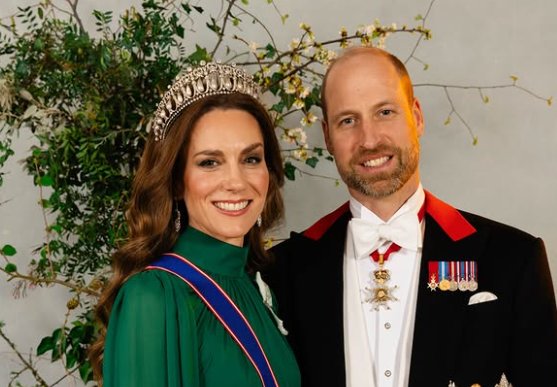
The portrait itself presents a compelling visual narrative. The Princess of Wales, Catherine, is resplendent in a striking emerald green gown by the esteemed designer Andrew Gn. This sartorial choice is widely interpreted as a subtle yet significant homage to the Nigerian flag, which features green and white. Her ensemble was further elevated by the inclusion of the iconic Lover’s Knot Tiara, a piece rich in royal history and adorned with pearls and diamonds. This deliberate pairing of the gown and tiara not only showcases classic royal elegance but also subtly reinforces diplomatic messaging through colour symbolism. This thoughtful attention to detail in wardrobe choices has become a hallmark of the Princess’s public engagements.
Earlier in the day, during the ceremonial welcome of President Tinubu and his wife, First Lady Remi Tinubu, at Windsor Castle, the Princess of Wales had already made a notable fashion statement. She opted for a sophisticated coat dress designed by Tolu Coker, a British Nigerian designer. This earlier choice further cemented the theme of celebrating Nigerian heritage and talent within the context of the State Visit, demonstrating a consistent and layered approach to diplomatic dressing. The choice of Coker, whose work often explores themes of identity and heritage, provided an early indication of the cultural considerations underpinning the visit’s sartorial diplomacy.
The Significance of State Visits
State Visits are among the most formal and significant diplomatic events undertaken by a monarch and their representatives. They are designed to strengthen bilateral relations between countries, foster deeper economic ties, and enhance cultural exchange. For the United Kingdom, State Visits offer an opportunity to project its global standing and reinforce its alliances. The hosting of President Bola Tinubu marked a significant moment in UK-Nigeria relations, a relationship characterized by deep historical ties, substantial trade, and a large Nigerian diaspora within the UK. Nigeria, as Africa’s most populous nation and largest economy, holds considerable geopolitical and economic importance.
The State Visit typically involves a carefully orchestrated itinerary, including ceremonial welcomes, private meetings between leaders, political discussions, and cultural engagements. A State Banquet, held in honour of the visiting head of state, is the pinnacle of the ceremonial events. It is a grand affair attended by members of the royal family, government officials, foreign dignitaries, and prominent figures from various sectors of society. The presence and active participation of the Prince and Princess of Wales at such events are crucial, as they represent the future of the monarchy and play an increasingly important role in the United Kingdom’s soft power projection.
A New Royal Photographic Tradition
The release of formal portraits by the Prince and Princess of Wales ahead of State Banquets appears to have become a relatively recent but significant development in royal protocol. While official photographs have always been part of major royal events, the specific timing and public release of a dedicated portrait of the couple, taken just prior to the banquet, seems to have emerged as a distinct practice. This allows for a curated glimpse into the behind-the-scenes preparations and a formal presentation of the couple in their ceremonial roles.
The previous three State Visits where such portraits were released include:
- June 2019: State Visit of President Donald Trump and Melania Trump. A formal portrait of the Prince and Princess of Wales was released.
- October 2019: State Visit of His Majesty King Willem-Alexander and Her Majesty Queen Máxima of the Netherlands. A portrait of the Prince and Princess of Wales was shared.
- November 2022: State Visit of President Cyril Ramaphosa of South Africa. The couple released a portrait taken before the State Banquet.
The expectation that a similar portrait would be released for President Tinubu’s visit was therefore well-founded. The delay in its release, and its eventual appearance, therefore, generated considerable interest. This suggests that the couple, or their Kensington Palace communications team, are strategically using these photographic moments to convey a sense of continuity and engagement with diplomatic traditions. The decision to release it a day after the banquet could also be interpreted as a way to extend the narrative of the State Visit and ensure continued media attention.
The Role of the Photographer
Christianah Ebenezer’s background and artistic style are integral to understanding the impact of the portrait. Her work, often drawing inspiration from cinematic aesthetics, brings a contemporary yet timeless quality to her subjects. Her mention of "blending our shared creativity with elements of classic portraiture and nature" suggests a deliberate approach to capturing not just likeness, but also mood and character. The setting for the portrait, likely within the grandeur of Windsor Castle, would have provided a backdrop that complements both the formality of the occasion and Ebenezer’s artistic sensibilities. Her previous exhibitions at prestigious institutions like the National Portrait Gallery lend significant weight to her credentials and the importance of her contribution to this royal event.
The successful collaboration between the royal couple and their chosen photographer underscores the evolving nature of royal representation. While retaining the gravitas of traditional portraiture, there is an increasing emphasis on engaging with contemporary artists and embracing modern photographic techniques. This approach helps to make the monarchy more relatable and relevant to a wider audience, particularly younger generations.
Broader Implications and Analysis
The release of this portrait, and the accompanying narrative, carries several implications:
- Reinforcement of Diplomatic Roles: By participating actively in State Visits and marking them with formal portraits, the Prince and Princess of Wales visibly demonstrate their commitment to the UK’s foreign policy objectives. This strengthens their position as key figures in the nation’s international relations.
- Cultural Diplomacy: The choice of a British Nigerian photographer and the subtle sartorial nods to Nigeria highlight the importance of cultural exchange in diplomatic relations. This approach fosters goodwill and mutual understanding, moving beyond purely political and economic discussions.
- Brand Building for the Monarchy: The carefully curated images and statements contribute to the ongoing narrative of the modern monarchy. They present the Prince and Princess of Wales as a capable and engaged couple, ready to embrace their future roles. This is crucial for maintaining public support and relevance in a changing world.
- Setting Precedents: The establishment of this new tradition of pre-banquet portraits signifies a deliberate effort to create identifiable markers for significant royal engagements. This provides a consistent framework for public engagement with these events.
- Economic Impact and Support for the Arts: By commissioning artists like Christianah Ebenezer and designers like Tolu Coker, the Royal Family provides significant exposure and support to the British creative industries. This not only benefits individual artists and designers but also contributes to the broader cultural and economic landscape of the UK.
The State Visit of President Bola Tinubu was a multifaceted event, with the release of this striking portrait serving as a memorable coda. It signifies more than just a photograph; it represents a carefully orchestrated blend of tradition, diplomacy, and contemporary artistry, reinforcing the enduring relevance and adaptive nature of the British monarchy in the 21st century. The Prince and Princess of Wales, through such deliberate actions, continue to shape their public image and their role within the evolving landscape of royal duties.


 Yuyun Lusiyani
 Joko Widodo
 Pevita Pearce
 admin
admin
 Lina Irawan