
 Ana Megawati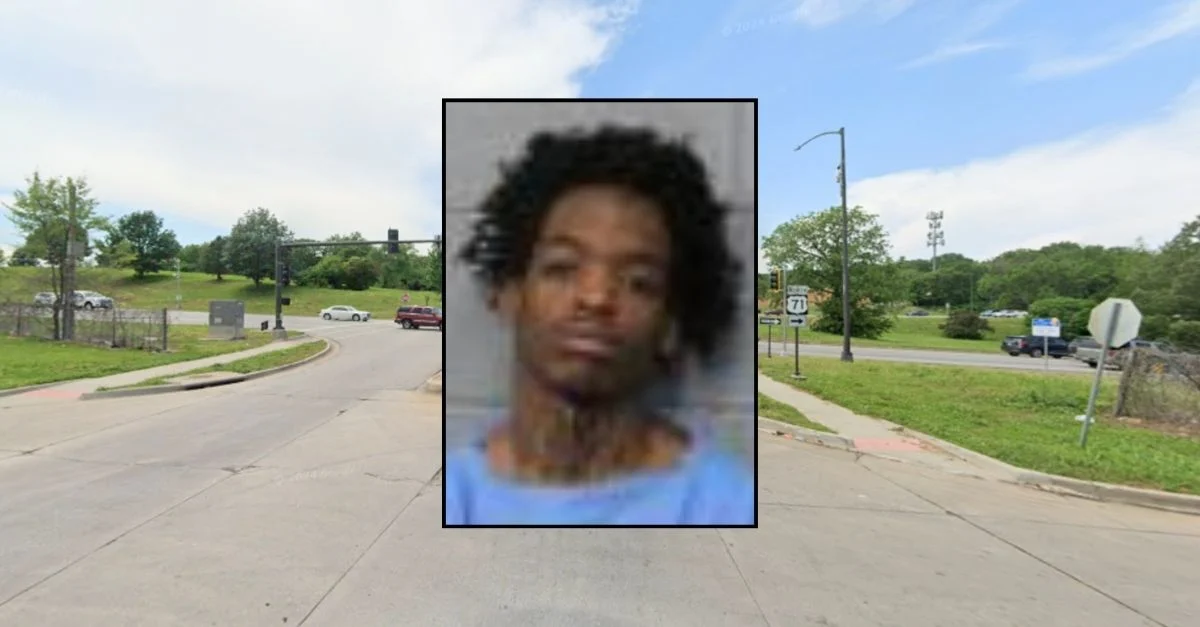
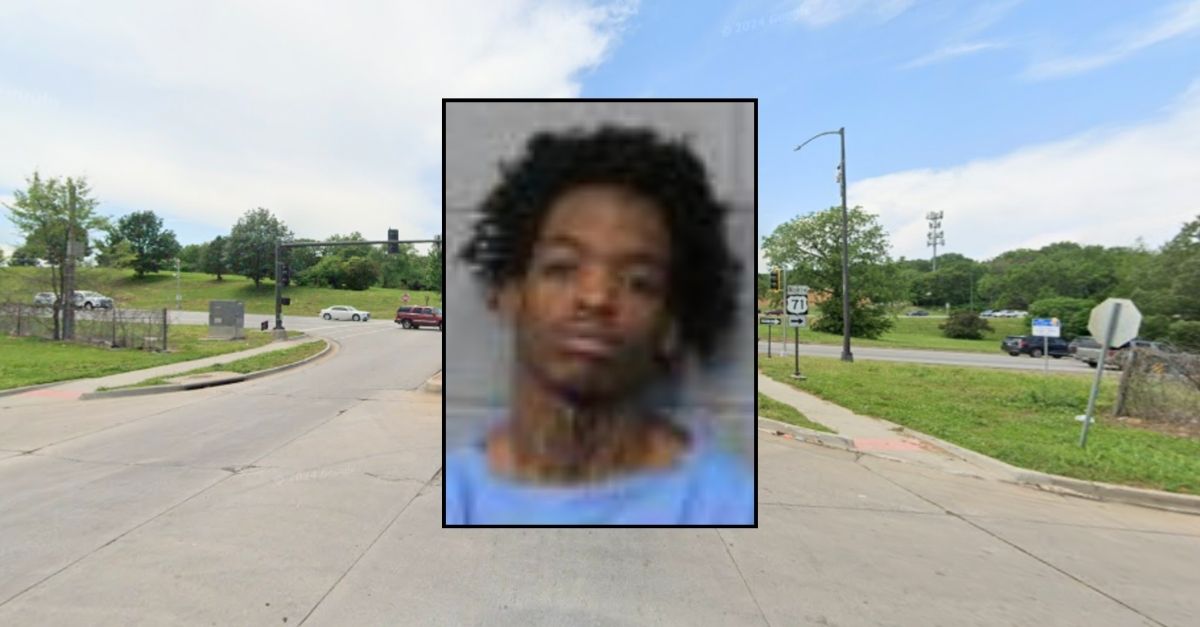
In a tragic escalation of a "sour" relationship, Ke’Montae Phillips, a 19-year-old resident of Kansas City, Missouri, stands accused of fatally shooting his sister’s ex-boyfriend with an "automatic" rifle equipped with a red laser. The victim, whose identity has not been publicly released, reportedly died while heroically shielding his mother from the barrage of gunfire on March 10. The incident has sent ripples through the community, highlighting the devastating consequences when personal disputes turn deadly and adding to Kansas City’s ongoing battle against gun violence.
The Allegations: A Brother’s Vengeance and a Mother’s Horror
According to a probable cause affidavit filed by authorities, Ke’Montae Phillips is charged with second-degree murder and armed criminal action in connection with the fatal shooting. The document outlines a chilling narrative where Phillips allegedly targeted the victim following the termination of his relationship with Phillips’ sister. The confrontation culminated in a hail of bullets, with at least 35 shell casings later recovered at the scene. The victim’s mother, a key witness to the horrific event, recounted to police the terrifying moments leading up to and during the attack, emphasizing her son’s final, selfless act. This deeply disturbing incident underscores the profound and often irreversible impact of interpersonal conflicts when they spiral into violence, leaving families shattered and communities grappling with loss.
Second-degree murder in Missouri carries a potential sentence of 10 to 30 years or life imprisonment, while armed criminal action, a separate felony, can add 3 to 15 years to any sentence, emphasizing the grave nature of the charges Phillips faces. The charges reflect the prosecution’s assertion that Phillips knowingly caused the death of the victim or acted with the purpose of causing serious physical injury that resulted in death, and that a deadly weapon was used in the commission of the felony.
A Relationship Turns Deadly: The Precursors
The tragic events of March 10 were not an isolated incident but the culmination of a simmering dispute. The probable cause affidavit details an "ongoing issue" that had plagued the victim since he ended his relationship with Phillips’ sister. Approximately a week before the fatal shooting, Phillips allegedly confronted the victim directly while the latter was walking with his mother. During this initial encounter, Phillips reportedly made "several statements toward her son regarding the relationship going sour with his sister," signaling a clear intent to intervene and express his displeasure over the breakup. This prior confrontation served as a dark prelude, demonstrating Phillips’ alleged involvement and animosity well before the fatal incident.
The victim, sensing a growing threat, reportedly became increasingly apprehensive. His mother told investigators that on the day of the shooting, her son appeared "scared," confiding in her with fragmented statements such as "they are following me." While she struggled to piece together a "cohesive story" from his distressed words, it was evident that the victim felt he was being pursued or targeted. This sense of impending danger paints a grim picture of the victim’s last days, living under the shadow of a perceived threat that would soon materialize with devastating force.
Adding another layer of complexity to the narrative, the affidavit notes that the victim "had a rifle tucked into his pants" on the day of the shooting. The presence of this weapon raises questions about the victim’s state of mind and whether he was anticipating a confrontation or was attempting to protect himself. However, there is no indication in the initial police reports or the affidavit that the victim’s rifle was ever drawn or used during the encounter, nor is it suggested to have provoked Phillips’ alleged actions. This detail, while significant, remains an ambiguous element in the unfolding tragedy, primarily serving to highlight the heightened tensions and perceived dangers on both sides leading up to the fatal confrontation.
The Fatal Encounter on March 10: A Public Execution
The events of March 10 unfolded in broad daylight near the intersection of 55th Street and Chestnut Avenue, close to 71 Highway in Kansas City, Missouri—a residential area that was suddenly transformed into a crime scene. As the victim and his mother walked together, their path was allegedly intercepted by Phillips. The affidavit recounts how Phillips, identified as "the same male… from the week prior," approached them on foot. The encounter quickly escalated from verbal confrontation to deadly violence.
Phillips allegedly initiated the final, fatal exchange with a provocative question directed at the victim: "you clutching?" This phrase, commonly understood as asking if someone is carrying a weapon, immediately preceded Phillips allegedly producing a "rifle-style weapon with a red laser light." Without warning, Phillips then "began firing an automatic weapon at her and her son." The description of the weapon as "automatic" suggests a high rate of fire, characteristic of modified or certain types of semi-automatic rifles, capable of discharging numerous rounds rapidly. The inclusion of a red laser sight indicates a deliberate targeting mechanism, further underscoring the premeditated nature of the alleged attack.
In a profound act of courage and selflessness, the victim immediately responded to the onslaught by shielding his mother as they both attempted to flee. Despite his efforts, he was struck by the ensuing gunfire. The mother, witnessing her son fall, began performing CPR in a desperate attempt to save his life. Her frantic efforts drew the attention of numerous neighbors, who emerged from their homes to watch the horrifying scene unfold and offer assistance, testament to the public nature of the tragedy. The chaotic aftermath, with the mother tending to her dying son amidst concerned onlookers, painted a vivid picture of the sheer terror and immediate grief that engulfed the scene. Police investigators later found at least 35 spent shell casings scattered across the area, indicating the ferocity and extensive nature of the gunfire.
Unraveling the Crime: A Thorough Investigation
The swift and comprehensive investigation conducted by the Kansas City Police Department (KCPD) played a crucial role in identifying and apprehending Phillips. Law enforcement leveraged a range of modern investigative tools, including an extensive network of surveillance cameras and dashcam footage. These critical pieces of evidence captured not only the shooting itself but also the events leading up to it, providing investigators with a clear visual timeline of Phillips’ alleged actions. Surveillance footage reportedly showed a sedan, from which Phillips was allegedly seen exiting and entering, circling the area where the shooting occurred. This vehicle was also observed seemingly following the victim and his mother as they walked, suggesting a deliberate pursuit prior to the attack.
Further aiding the investigation, automated license plate readers (ALPRs) were reportedly utilized to track the movements of the sedan. ALPR technology, which captures images of license plates and records their location and time, proved instrumental in corroborating the vehicle’s presence in the vicinity and tracing its movements before and after the shooting. This technological assistance provided vital leads, allowing detectives to narrow down suspects and ultimately identify Phillips.
Following his arrest, Phillips was subjected to an interrogation where detectives presented him with photographs and screen grabs derived from the video evidence, clearly depicting him at the scene. Initially, Phillips denied any involvement, attempting to deflect by claiming the person in the photo "looked like his twin," a common tactic employed by suspects attempting to evade identification. However, his demeanor and subsequent statements quickly undermined this denial. When detectives showed Phillips a photograph of the victim, without explicitly stating the individual’s status, Phillips allegedly made a crucial, unprompted admission: "that’s the guy that got murdered prior to detectives telling him that was the victim." This unsolicited statement, recorded in the affidavit, strongly suggests Phillips possessed knowledge of the victim’s fate that would only be known to someone involved in the incident, significantly strengthening the prosecution’s case.
Legal Framework and Charges: The Path to Justice
Ke’Montae Phillips is currently being held on a $250,000 cash-only bond, a reflection of the severe nature of the charges and the flight risk assessment. A cash-only bond means the full amount must be paid for release, without the option of a bail bond agent. A bond review hearing was scheduled for Wednesday, offering Phillips’ legal team an opportunity to argue for a reduced bond, while prosecutors would likely oppose such a motion given the gravity of the alleged crime. Phillips is also slated to appear in court on April 15 for his preliminary hearing. This crucial stage in the legal process will involve a judge determining whether there is sufficient probable cause to believe that a crime was committed and that Phillips committed it, thus allowing the case to proceed to trial.
The charges of second-degree murder and armed criminal action are among the most serious felonies in Missouri. Second-degree murder, as defined by Missouri law, typically involves causing the death of another person knowingly or with the purpose of causing serious physical injury that results in death, or recklessly engaging in conduct that creates a grave risk of death and thereby causes death. While not requiring the premeditation of first-degree murder, it still implies a high degree of culpability. Armed criminal action is a charge appended when a deadly weapon is used to commit another felony, in this case, the murder. The stacking of these charges means Phillips faces substantial potential prison time if convicted, reflecting society’s condemnation of violent acts committed with firearms. The Jackson County Prosecutor’s Office, known for its rigorous pursuit of justice in violent crime cases, is expected to pursue a robust prosecution, leveraging the extensive evidence gathered by KCPD.
Kansas City’s Struggle with Gun Violence: A Broader Context
The tragic incident involving Ke’Montae Phillips is not an isolated event but rather a stark reminder of Kansas City’s persistent struggle with gun violence. For years, the city has grappled with alarmingly high homicide rates, often driven by firearm-related incidents and interpersonal disputes. In 2023, Kansas City recorded 185 homicides, marking another year of significant violent crime, although slightly down from the record 202 in 2020. While the exact motives behind every act of violence vary, a common thread often involves disputes escalating rapidly, with firearms readily available to turn arguments into fatalities.
Community leaders, law enforcement agencies, and city officials have repeatedly expressed deep concern over the pervasive nature of gun violence. The KCPD, in collaboration with federal partners like the FBI and ATF, continuously works on initiatives aimed at curbing gun crime, including targeted enforcement against violent offenders, gun buyback programs, and community engagement efforts. However, the sheer volume of firearms in circulation and the complex socio-economic factors contributing to violence present ongoing challenges. Incidents like the one involving Phillips underscore the urgent need for multifaceted solutions, from conflict resolution programs to stricter gun control measures and addressing underlying societal issues that contribute to a culture of violence.
The Broader Implications: Shattered Lives and Community Impact
Beyond the immediate legal proceedings, the fatal shooting carries profound and lasting implications for all involved. For the victim’s family, especially his mother, the trauma of witnessing such a violent act and losing a loved one in such a tragic manner is immeasurable. The victim’s act of shielding his mother, while heroic, leaves a legacy of immense grief and a painful reminder of his sacrifice. His ex-girlfriend, Phillips’ sister, also faces the harrowing reality that a personal relationship dispute spiraled into fatal violence involving her brother and former partner.
For Ke’Montae Phillips and his family, the future is uncertain, marked by the looming threat of a lengthy prison sentence and the societal stigma associated with such grave charges. The case serves as a stark warning about the irreversible consequences of resorting to violence to resolve conflicts, particularly among young adults.
On a broader community level, incidents of this nature erode the public’s sense of safety and trust. Residents in the Kansas City neighborhoods where such events occur often live with heightened fear and anxiety, impacting their quality of life. The constant cycle of violence reinforces the need for sustained community-based interventions, mental health support, and proactive measures to mediate disputes before they escalate. As the legal process against Ke’Montae Phillips unfolds, the Kansas City community will undoubtedly watch closely, hoping that justice is served and that lessons can be learned to prevent similar tragedies in the future. The case stands as a somber testament to the fragility of peace and the profound cost of unchecked anger and readily available firepower.

 Yuyun Lusiyani
 Joko Widodo
 Jia Lissa
 Pevita Pearce
 admin
admin
