
 Eva Lovia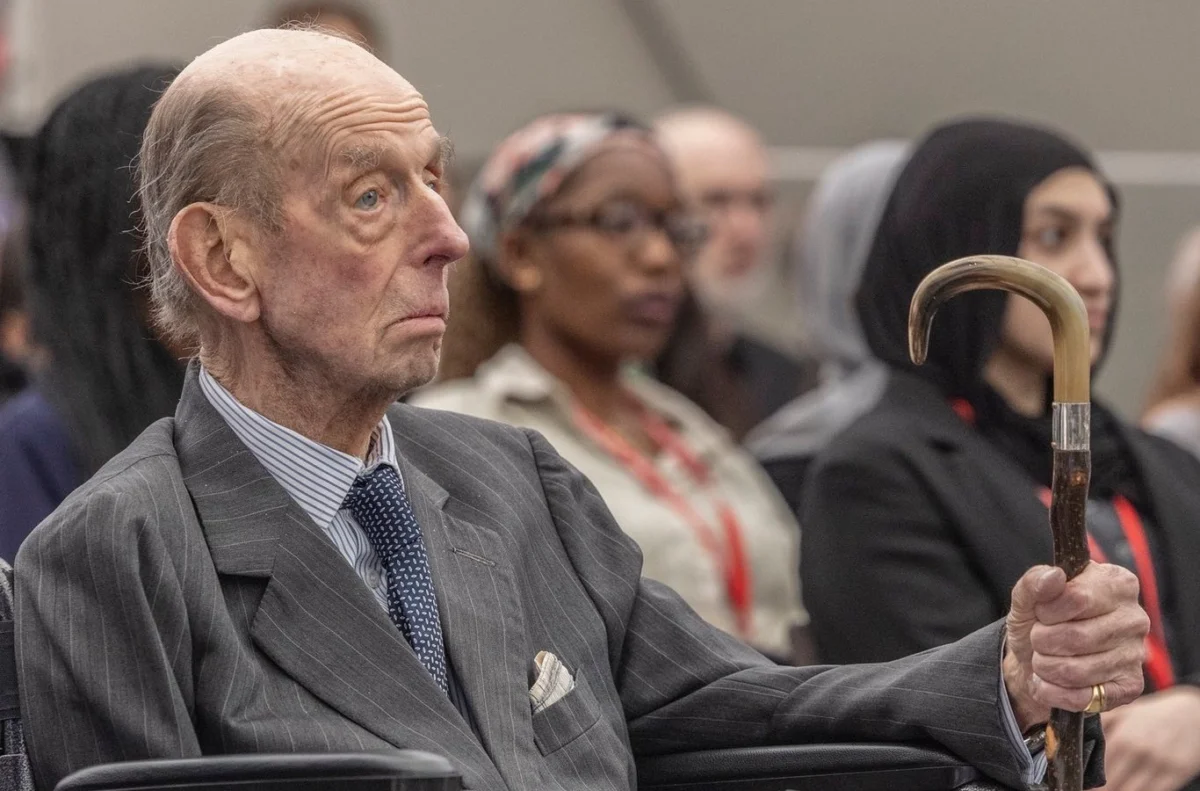
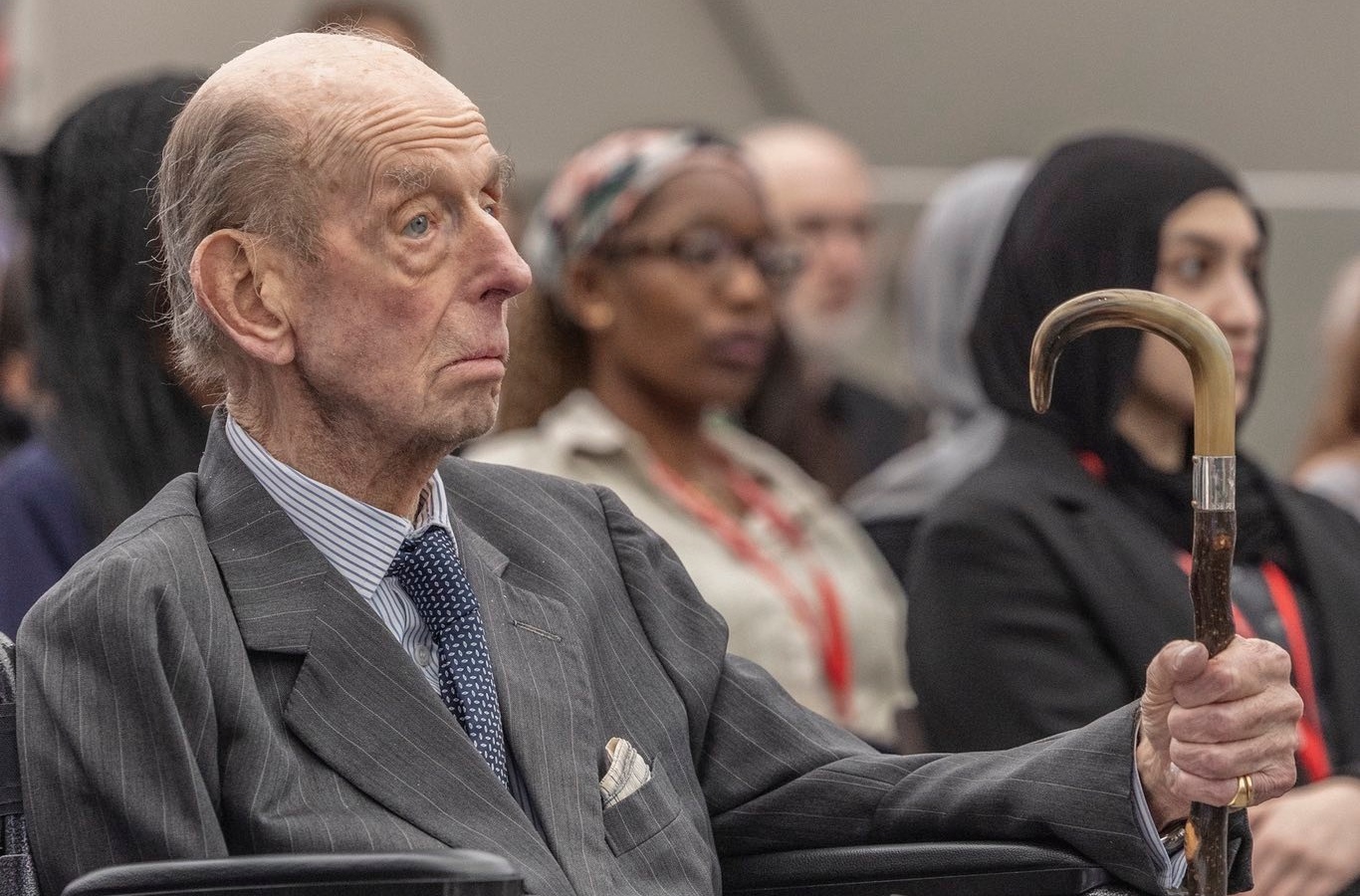
His Royal Highness The Duke of Kent recently undertook a significant visit to Bletchley Park, the historic site synonymous with World War II codebreaking, to commemorate thirty years of his dedicated support as its Royal Patron. The visit, which took place on an undisclosed date, underscored the enduring legacy of the wartime intelligence hub and its vital role in Allied victory. At 90 years old, The Duke’s continued public service, particularly his commitment to this significant historical institution, highlights a deep personal connection to the site and the individuals who shaped its extraordinary past.
A Legacy of Royal Support
The Duke of Kent’s association with Bletchley Park began in 1996 when he officially opened the visitor attraction, marking the beginning of a three-decade-long patronage. This significant milestone was celebrated with a special event at the site, bringing together veterans and dignitaries to reflect on the park’s journey from a clandestine wartime operation to one of the nation’s foremost heritage attractions. Bletchley Park, now a museum and heritage centre, plays a crucial role in educating the public about the groundbreaking intelligence work that is widely credited with shortening World War II by an estimated two to four years, saving countless lives.
During his visit, The Duke had the profound opportunity to meet with some of the few remaining veterans of Bletchley Park. These encounters provided a deeply personal dimension to the anniversary, allowing the Duke to hear firsthand accounts from the very individuals whose clandestine efforts were instrumental in achieving victory. Their work, shrouded in secrecy for decades, involved deciphering enemy codes and communications, providing invaluable intelligence that guided Allied military strategy. This direct engagement with the veterans serves as a powerful reminder of the human element behind the historical narrative, connecting the present day with the sacrifices and triumphs of the past.
Intergenerational Connections and the Princess of Wales
The visit also brought to light a remarkable intergenerational connection to Bletchley Park. It was revealed that among the esteemed codebreakers who worked at the site was the late Valerie Glassborow. Her granddaughter, Catherine, now Her Royal Highness The Princess of Wales, has demonstrated her own keen interest in Bletchley Park’s history. The Princess has visited the site on two occasions since her marriage to Prince William, seeking to gain a deeper understanding of her grandmother’s wartime contributions and the broader impact of the work carried out there. This personal connection further emphasizes the enduring relevance of Bletchley Park and its legacy across generations of the Royal Family.
Embracing the Future: The Age of AI
The Duke’s visit was not solely focused on the past. He also engaged with the forward-looking initiatives at Bletchley Park, notably touring an exhibition titled "The Age of AI." This exhibition explores the fascinating parallels and connections between the groundbreaking computational work undertaken at Bletchley Park during World War II and the burgeoning field of Artificial Intelligence today. The site, which was at the forefront of early computing and information processing, is now exploring how AI can further enhance its mission of education and preservation. This forward-thinking approach underscores Bletchley Park’s commitment to remaining at the cutting edge of technological understanding, linking its historical significance to contemporary advancements. The Duke’s interest in this exhibition highlights the institution’s dual role: honouring its past while actively shaping its future.
A Packed Schedule of Royal Duties
This visit to Bletchley Park is the latest in a series of public engagements undertaken by The Duke of Kent, demonstrating his unwavering dedication to public service even as he approaches his 91st birthday. In recent months, he has been actively involved in various capacities, including fulfilling several military roles and receiving the Ambassador from Germany to discuss his work with the Dresden Trust. The Dresden Trust, established to support the reconstruction and cultural heritage of Dresden, a city heavily impacted by war, further illustrates the Duke’s long-standing commitment to post-conflict reconciliation and the preservation of historical memory.
The Duke’s recent schedule has also included poignant personal moments. Just days before his Bletchley Park visit, he attended a performance by the Bach Choir held in memory of his late wife, HRH The Duchess of Kent. The Duchess passed away in September at the age of 92, and her funeral at Westminster Cathedral was attended by King Charles III, along with The Prince and Princess of Wales, underscoring the widespread respect and affection for the late Duchess. These personal tributes, alongside his public duties, paint a picture of a Royal who continues to serve with dignity and dedication.
The Duke’s Personal Connection to World War II
The Duke of Kent’s connection to World War II is deeply personal. He was only four years old when the conflict began and tragically lost his father, Prince George, Duke of Kent, in a plane crash while on active service in 1942. This early experience of loss and the profound impact of the war on his family undoubtedly inform his lifelong commitment to supporting veterans and preserving the memory of those who served. His patronage of Bletchley Park, therefore, represents more than just a ceremonial role; it is a deeply felt dedication to honouring the sacrifices of a generation and ensuring their stories are never forgotten.
Bletchley Park: From Secretive Hub to Heritage Icon
The transformation of Bletchley Park from a highly classified wartime centre to a globally recognised heritage attraction is a testament to decades of dedicated effort. Established in 1938, its primary function during World War II was to house the Government Code and Cypher School (GC&CS). Here, brilliant minds, including mathematicians, linguists, and cryptanalysts, worked tirelessly to break the codes used by enemy forces. The most famous of these was the Enigma machine, used by the German military, and the even more complex Lorenz cipher.
The intelligence derived from these decrypted messages, codenamed "Ultra," provided the Allies with critical insights into enemy movements, intentions, and capabilities. This intelligence is credited with playing a pivotal role in key battles and campaigns, including the Battle of the Atlantic, the Normandy landings, and the wider European theatre. The secrecy surrounding this work meant that for many years, the contributions of Bletchley Park remained largely unknown to the public.
The establishment of the Bletchley Park Trust in the early 1990s marked a turning point. The site was acquired to preserve its historical significance, and the painstaking work of restoring huts and developing exhibitions began. The opening of the visitor attraction in 1996, officially inaugurated by The Duke of Kent, was a crucial step in making the story accessible to a wider audience.
Supporting Data and Broader Implications
The impact of Bletchley Park’s work on the course of World War II is a subject of extensive historical analysis. While precise figures are difficult to quantify, historians generally agree that the intelligence gained from Bletchley Park significantly shortened the war and saved millions of lives. For instance, in the Battle of the Atlantic, Ultra intelligence helped Allied forces track and intercept German U-boats, crucial for maintaining supply lines to Britain. The success in breaking the Lorenz cipher, a more sophisticated code, provided vital information about German high command’s strategic thinking.
The "Age of AI" exhibition at Bletchley Park is particularly significant in today’s rapidly evolving technological landscape. The computational advancements made at Bletchley Park, driven by the necessity of codebreaking, laid some of the foundational principles for modern computing. The exhibition draws a direct line from these early efforts to today’s AI technologies, highlighting how the pursuit of intelligence in wartime spurred innovation that continues to shape our world. This educational approach ensures that Bletchley Park remains relevant, not just as a historical monument, but as a site that inspires future technological and intellectual exploration.
The continued patronage of a senior member of the Royal Family like The Duke of Kent provides Bletchley Park with invaluable support and recognition. It ensures that the site receives the attention and resources necessary to maintain its operations, continue its restoration efforts, and expand its educational programmes. This royal endorsement also helps to attract a wider audience, both nationally and internationally, further cementing Bletchley Park’s status as a world-renowned heritage attraction.
A Legacy of Courage and Ingenuity
The Duke of Kent’s visit serves as a powerful reminder of the extraordinary courage, ingenuity, and dedication displayed by the men and women of Bletchley Park. Their story is one of intellectual brilliance under immense pressure, of collaboration that transcended societal divisions, and of a profound commitment to a cause greater than themselves. As Bletchley Park continues to tell its vital story, the enduring support of figures like The Duke of Kent ensures that this legacy of wartime heroism and groundbreaking innovation will be preserved and celebrated for generations to come. The ongoing work at the site, from preserving historical artefacts to exploring the future of artificial intelligence, reflects a dynamic commitment to understanding the past and shaping a more informed future.




 Yuyun Lusiyani
 Joko Widodo
 Pevita Pearce
 admin
admin
 Lina Irawan