
 Eva Lovia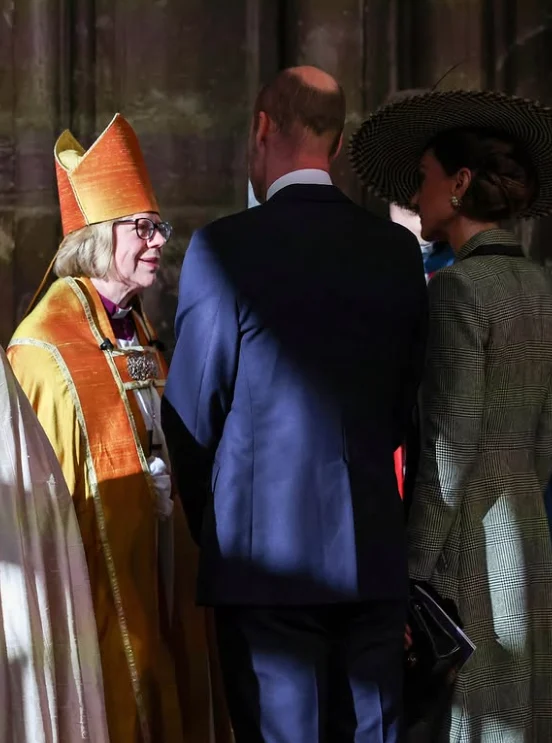
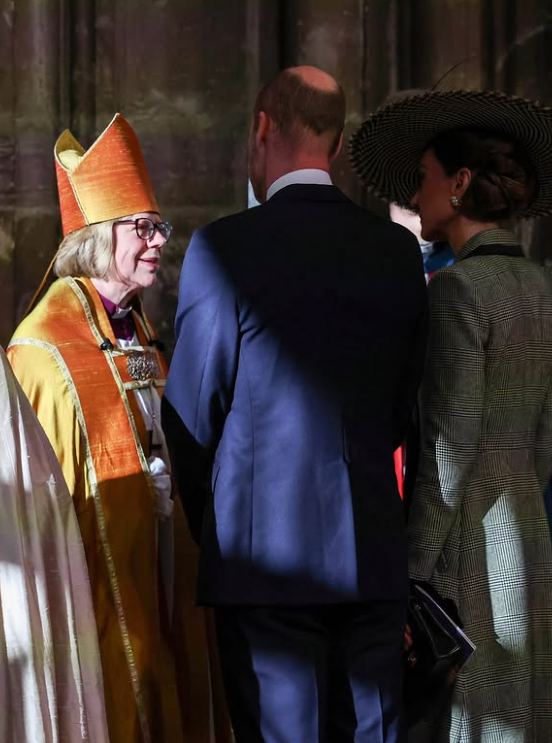
The Prince and Princess of Wales’ presence at the recent enthronement of the new Archbishop of Canterbury on March 25th marked a significant moment, underscoring the deep-rooted connection between the British monarchy and the Church of England. This attendance, while steeped in tradition, also highlighted the evolving role of the Royal Family in contemporary society and the enduring significance of faith institutions. Prince William, as the heir to the throne, fulfilled a long-standing custom whereby the future monarch, rather than the reigning sovereign, participates in this pivotal ecclesiastical ceremony. This tradition ensures a continuity of royal engagement with the Church, even as the specific individuals representing the Crown shift through generations.
The enthronement ceremony, held within the hallowed walls of Canterbury Cathedral, a site that has witnessed centuries of spiritual leadership, was not merely a religious observance but a national event of considerable import. The appointment of a new Archbishop of Canterbury is a momentous occasion for the Church of England and the wider Anglican Communion, representing a new chapter in its leadership and direction. The Prince and Princess of Wales, as prominent figures at the forefront of the Royal Family, demonstrated a reaffirmation of the constitutional and spiritual ties that bind the Crown to the Church. Their attendance served as a visible symbol of this enduring relationship, offering a sense of stability and continuity in a rapidly changing world.
A Tradition of Royal Engagement
The involvement of the heir to the throne in the enthronement of the Archbishop of Canterbury is a practice that predates the modern era. Historically, the monarch, as the Supreme Governor of the Church of England, holds ultimate authority. However, the physical presence of the heir at such a ceremony serves a dual purpose. It allows the monarch to delegate a significant ceremonial duty, while simultaneously providing the future sovereign with direct experience and understanding of the Church’s governance and its place within the nation’s fabric. This custom ensures that the transition of leadership within the Church is met with the visible support of the future head of state, fostering a seamless integration and acknowledgment of new authority.
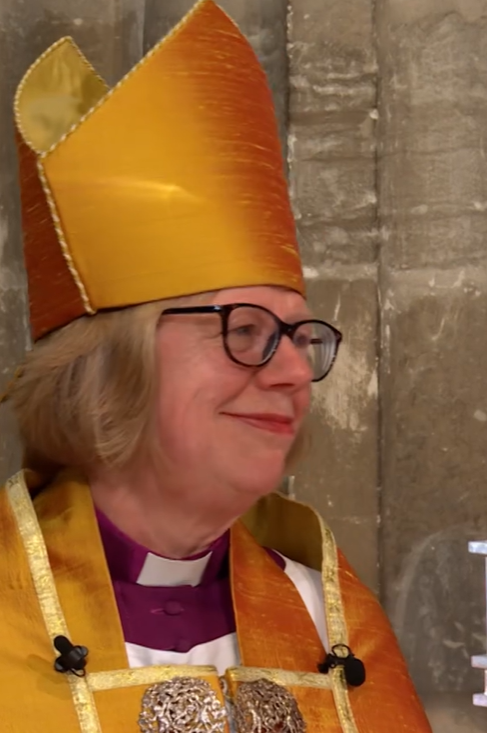
King Charles III, prior to this enthronement, had already established a connection with the new Archbishop, Sarah Mullally, by being the first member of the Royal Family to formally welcome her following her confirmation. This gesture foreshadowed the deeper engagement that would follow. The subsequent visit by the Prince and Princess of Wales to Dame Sarah at Lambeth Palace, the official residence of the Archbishop, further cemented this relationship. Lambeth Palace, a historic edifice in its own right, has been the administrative and spiritual heart of the Archbishopric for centuries, serving as a constant reminder of the office’s long and influential history.
The Installation Ceremony: Tradition and Renewal
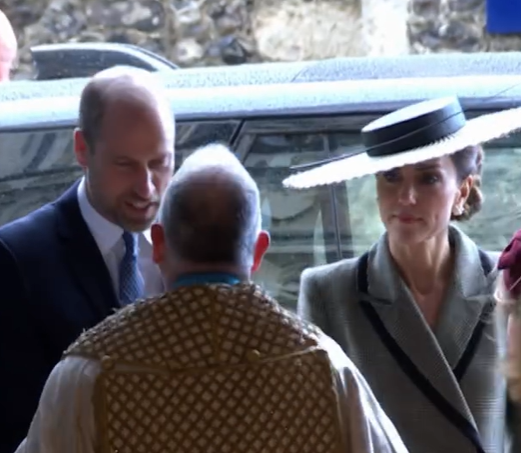
The day’s events commenced with the symbolic arrival of the Prince and Princess of Wales at Canterbury Cathedral. Reports from the scene described blustery weather conditions, with the Princess of Wales, Catherine, seen holding onto her wide-brimmed hat as she navigated the approach to the cathedral. This small, human detail offered a glimpse into the personal side of a highly public occasion.
Inside the cathedral, the ceremony unfolded with a series of ancient rituals designed to signify the commencement of the new Archbishop’s tenure. A pivotal moment involved the new Archbishop approaching the sealed doors of the cathedral, symbolically knocking to request entry. This act represents the Church’s plea for spiritual leadership and the Archbishop’s humble petition for acceptance and authority. Upon gaining entry, she was greeted by a group of children, to whom she introduced herself as Sarah, stating her purpose to serve the Lord. This touching interaction underscored the Church’s commitment to its future generations and the Archbishop’s pastoral mission.
The service was characterized by a joyful atmosphere, which reportedly reflected the diverse career and life experiences of Dame Sarah Mullally, including her significant background in nursing. This element of her personal journey was anticipated to resonate with many, offering a relatable dimension to her spiritual leadership.
A Sermon of Faith and a Forward-Looking Vision
During the enthronement, attendees listened attentively to the sermon delivered by the new Archbishop. Her address was said to be positive and energetic, drawing from her personal faith journey. She recounted her own path to the Church, noting her conversion as a teenager, a narrative that likely resonated with many in the congregation and beyond who have experienced their own spiritual awakenings. Her sermon offered insights into her personal convictions and her vision for the future of the Church of England.
However, the significance of this enthronement was also underscored by the acknowledgment of the challenges ahead. Sarah Mullally is the first woman to hold the position of Archbishop of Canterbury. This historic appointment, while celebrated by many within the Church and society, also presents a point of contention for some, particularly in regions of the Anglican Communion where there remains strong opposition to women in clerical roles. The sermon and the ceremony itself, therefore, carried the weight of both progressive change and the need for reconciliation and continued dialogue within a global communion.
The Historical Context of Canterbury Cathedral
Canterbury Cathedral, as the mother church of the Church of England and the seat of the Archbishop of Canterbury, holds immense historical and spiritual significance. Founded in 597 AD, it has been the focal point of English Christianity for over 1,400 years. Its architecture, a breathtaking testament to centuries of Gothic design, has witnessed countless pivotal moments in the nation’s religious and political history, including the martyrdom of Thomas Becket in 1170, which transformed the cathedral into a major pilgrimage site.
The enthronement ceremony, traditionally held at this venerable site, is one of the most crucial events in the life of the Anglican Communion. The installation of a new Archbishop is more than a religious milestone; it is a national event that draws attention from across the United Kingdom and internationally. The ceremony itself is a rich tapestry of ancient rituals, meticulously preserved to emphasize continuity, the solemnity of authority, and the profound responsibility of service inherent in the Archbishop’s role. The very stones of Canterbury Cathedral bear witness to the unbroken line of spiritual leadership, reinforcing the sense of history and tradition that underpins the institution.
Prince William’s Evolving Faith and Royal Duty
The presence of the Prince of Wales at the enthronement carried particular weight, given his position as heir to the throne. The sovereign’s role as Supreme Governor of the Church of England is a fundamental aspect of the British constitution. While his late grandmother, Queen Elizabeth II, was renowned for her unwavering Christian faith, and his father, King Charles III, is known for his spiritual depth and interest in interfaith dialogue, Prince William’s personal beliefs have been a subject of more private contemplation.
Recent reports, including insights from sources close to the Prince published in The Sunday Times, have suggested that Prince William possesses a "quiet faith" and is committed to upholding his responsibilities to the Church of England. His attendance at this significant ceremony can be interpreted as a public affirmation of these commitments, demonstrating his readiness to embrace the spiritual duties that will one day fall upon him as monarch. This period of transition, with a new monarch and a new Archbishop, marks a significant moment for both the Crown and the Church, and Prince William’s active participation signals his dedication to this integral aspect of his future reign.
Royal Engagement in a Modern Era
The participation of senior members of the Royal Family in key ecclesiastical ceremonies is a long-standing practice, serving to represent the Crown and uphold the relationship between the state and the Church. By attending the enthronement, the Prince and Princess of Wales reinforced this historical connection, demonstrating a commitment to continuity in an era of societal evolution.
Simultaneously, their attendance also reflected the evolving nature of royal engagement in the 21st century. Both Prince William and Catherine have cultivated reputations for their ability to connect with diverse communities and to champion causes that resonate with contemporary societal concerns. Their presence at the enthronement served to highlight the continued relevance of faith institutions in addressing pressing modern issues, such as social cohesion, mental health awareness, and community support initiatives. It underscored a shared aspiration between the monarchy and the Church to remain meaningful and accessible to the public in a rapidly changing global landscape.
A Symbol of Transition and Hope
The enthronement ceremony on March 25th was not solely an exercise in preserving tradition; it was also a powerful symbol of renewal and forward momentum. The appointment of a new Archbishop of Canterbury brings fresh perspectives, innovative ideas, and new priorities to one of the most influential religious offices in the United Kingdom. In this context, the Prince and Princess of Wales, representing a younger generation within the Royal Family, embodied a parallel sense of transition and progression. Their attendance suggested a recognition of the importance of supporting new leadership while simultaneously honoring established customs and historical lineage.
Furthermore, their participation played a crucial role in elevating the public profile of the event. Royal attendance at significant national occasions invariably draws widespread media attention and, consequently, broader public interest and engagement. In this instance, it served to underscore the enduring significance of the Church of England within the national consciousness, even as societal patterns of belief and practice continue to evolve. It signaled that established institutions, when led with vision and embraced by figures who bridge heritage and future aspirations, can maintain their relevance and impact.
The choice of Canterbury Cathedral as the venue for the enthronement further enriched the occasion. As the historic seat of the Archbishop of Canterbury, it has been the backdrop for countless pivotal moments in English religious history, from the dramatic events surrounding Thomas Becket to the pronouncements of reformers and the affirmations of faith by generations of Archbishops. Hosting this modern enthronement within its ancient walls connected the present ceremony to a long and distinguished lineage of spiritual leadership, powerfully reinforcing the sense of continuity that defines both the Church and the monarchy.
In summation, the attendance of the Prince and Princess of Wales at the enthronement of the new Archbishop of Canterbury on March 25th represented a profound expression of unity between tradition and modernity. Their presence not only reaffirmed the enduring bond between the monarchy and the Church of England but also reflected a shared commitment to serving the contemporary needs of society. The occasion served as a potent reminder that historic institutions, when infused with new leadership and supported by figures who embody both heritage and the promise of the future, can continue to adapt, thrive, and remain deeply relevant in the modern world. The event marked a new chapter for both the Church and the Crown, signaling a continued dedication to shared values and national well-being.




 Yuyun Lusiyani
 Joko Widodo
 Pevita Pearce
 admin
admin
 Lina Irawan