
 Eva Lovia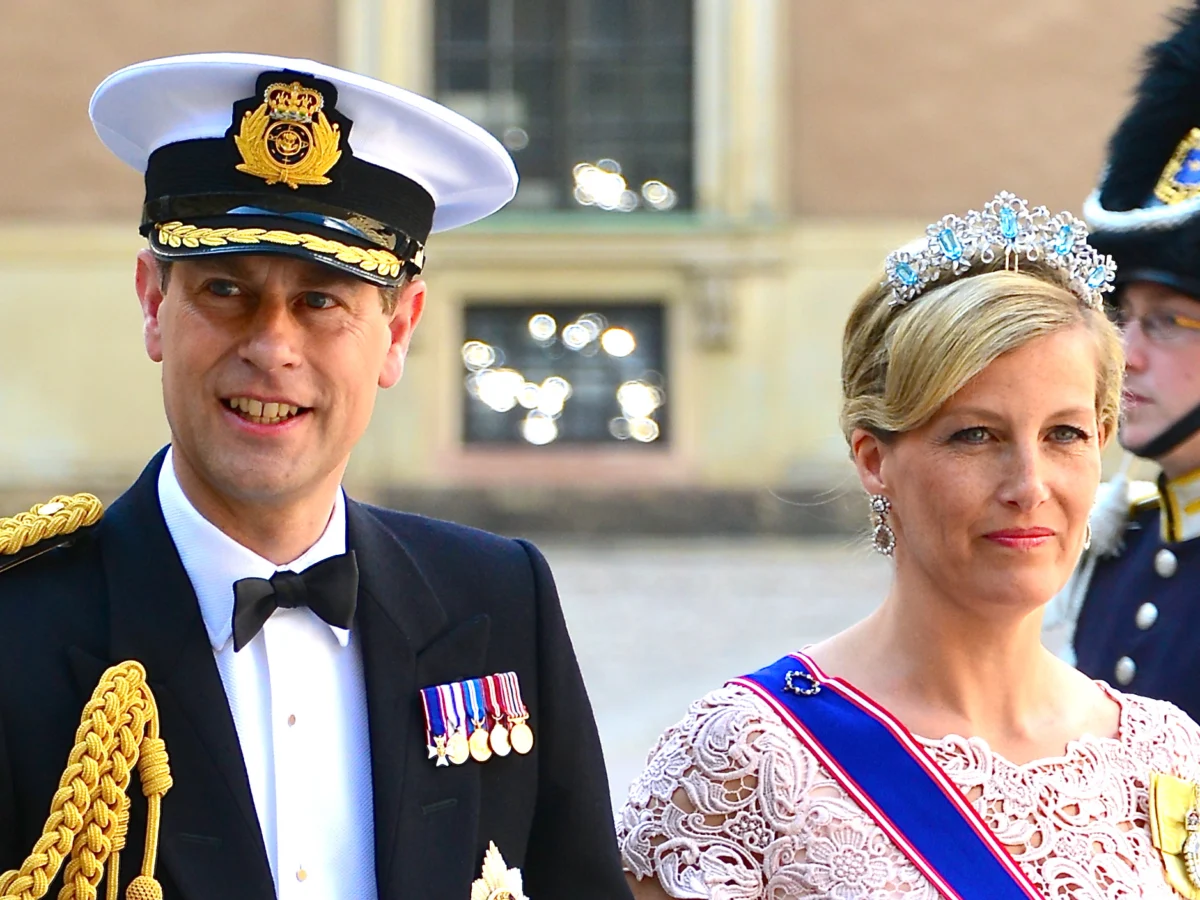
The royal circles of Europe are abuzz with anticipation as King Carl XVI Gustaf of Sweden prepares to celebrate a significant milestone: his 80th birthday. Scheduled for April 30, 2026, the occasion promises to be a grand affair, drawing a constellation of monarchs, queens, princes, and princesses to Stockholm for a glittering gala dinner at the Royal Palace. This landmark birthday for the longest-reigning monarch on the continent is not merely a personal celebration but a significant diplomatic and social event within the interconnected world of European royalty, prompting keen speculation about attendance, particularly from the British House of Windsor.
A Milestone Celebration for a Long-Reigning Monarch
King Carl XVI Gustaf ascended to the Swedish throne on September 15, 1973, at the age of 27, following the death of his grandfather, King Gustaf VI Adolf. His reign of over five decades makes him the most experienced active monarch in Europe. The upcoming 80th birthday is being marked with a series of events, with the gala dinner on April 30 serving as the centerpiece. This event is expected to underscore the enduring ties and shared traditions among European royal houses, many of which boast centuries-old lineages and intricate intermarriages. The Swedish Royal Court has extended invitations to numerous royal families, and while many have confirmed their attendance, the presence of senior members of the British Royal Family remains a subject of considerable interest and conjecture.

Confirmed Royal Attendees and Familial Bonds
The Scandinavian royal families, known for their close relationships, have been among the first to confirm their attendance. King Frederik X and Queen Mary of Denmark are expected to be present, a significant appearance for Queen Mary, who has recently experienced personal bereavement. The Danish delegation will also include Frederik’s mother, the beloved former Queen Margrethe II, whose abdication in January 2024 marked the end of an era for the Danish monarchy. Similarly, King Harald V and Queen Sonja of Norway are also slated to attend, further solidifying the strong familial and diplomatic ties between the Nordic kingdoms. These confirmations highlight the importance of the Swedish monarch’s milestone and the deep-seated respect and affection that binds these royal houses.
The close proximity and historical interconnections between the Danish, Norwegian, and Swedish royal families make their attendance a natural and expected aspect of such a significant celebration. This familial solidarity has often been a hallmark of royal gatherings, reinforcing a sense of shared heritage and mutual support.
The British Royal Family: A Question Mark Amidst Diplomatic Schedules
The crucial question for many observers is whether members of the British Royal Family will grace the Swedish capital with their presence. King Carl XVI Gustaf enjoys broad connections across European royalty, cultivated over his extensive reign. Historically, similar high-profile royal celebrations have witnessed comprehensive attendance from various monarchies. However, the current diplomatic calendars present a complex logistical puzzle for the House of Windsor.
King Charles III and Queen Camilla are anticipated to be concluding a State Visit to the United States around the time of the Swedish King’s birthday. This significant diplomatic engagement necessitates their full attention and presence in North America. Consequently, their attendance at the Stockholm gala appears highly improbable. This situation raises the possibility that the British monarchy might opt to send representatives rather than their reigning King and Queen, a common practice when direct attendance is not feasible due to prior commitments.
The Duke and Duchess of Edinburgh: A Tradition of Representation
In past decades, the Duke and Duchess of Edinburgh, Prince Edward and his wife Sophie, have frequently served as the primary representatives of the British Royal Family at major European royal events. Throughout the 2000s and 2010s, they were consistent attendees at significant royal occasions, including the weddings of King Carl Gustaf’s three children. Notably, they were present at the 2010 wedding of Crown Princess Victoria, the heir to the Swedish throne, and at the 80th birthday celebrations for King Harald V of Norway in 2017, demonstrating a long-standing tradition of their engagement with European royal diplomacy.
However, current information suggests that the Duke and Duchess of Edinburgh may also be unable to attend the Swedish King’s 80th birthday celebrations. Official royal engagement diaries, as published on the royal family’s website, indicate pre-existing commitments for both Prince Edward and Sophie on April 30, 2026. This development further complicates the potential representation from the UK, leaving a notable gap in what has traditionally been a strong presence from the Windsor family at such events.

Potential for a Windsor Heir Apparent
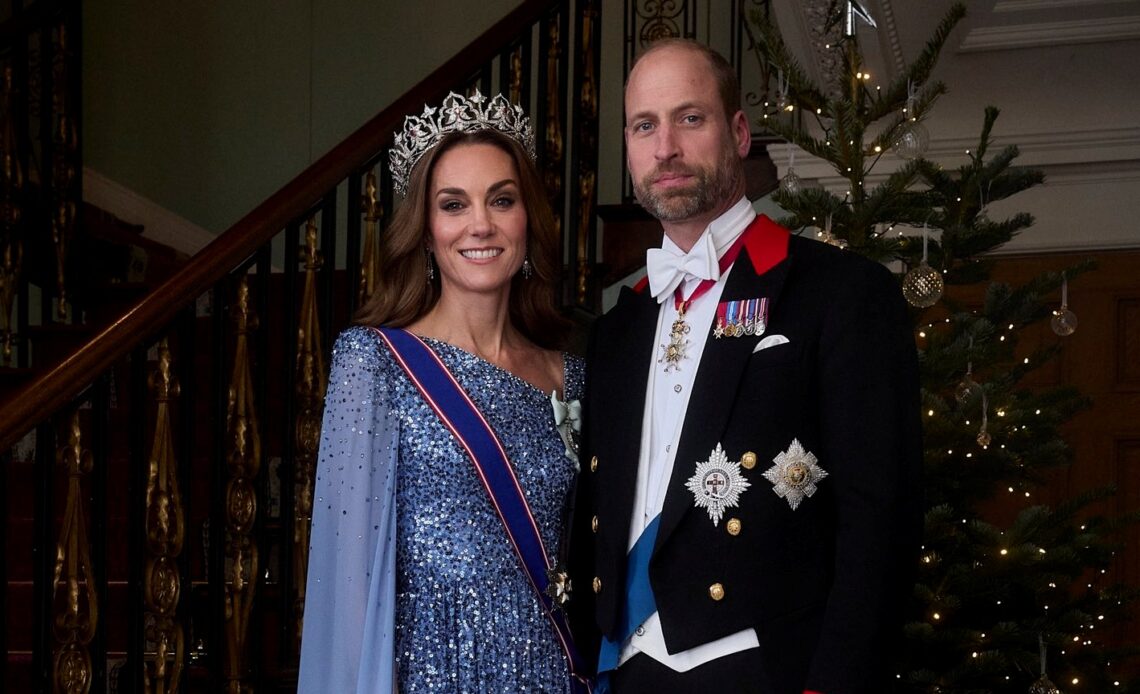
With the reigning monarch and the Duke and Duchess of Edinburgh likely unavailable, attention turns to the Prince and Princess of Wales, William and Catherine. If a pattern of sending the monarch or their heir apparent to major pan-European royal events were to hold true, then Prince William and Kate would be the most logical choice to represent the United Kingdom. Their position as the future King and Queen makes their attendance at such significant gatherings strategically important for maintaining diplomatic ties and projecting the continuity of the British monarchy.
The presence of the Prince and Princess of Wales would signal a continued commitment to European royal relations, despite the logistical challenges posed by other engagements. Their participation would undoubtedly add a significant element of prestige and draw to the celebrations in Stockholm.
Broader Implications of Royal Attendance
The attendance, or indeed absence, of key royal figures at such events carries broader implications. For the host nation, a strong turnout from European monarchies serves as a testament to the enduring influence and relevance of the institution of monarchy in contemporary society. It underscores shared values, historical connections, and a collective commitment to tradition and stability.

For the participating royal houses, these gatherings are opportunities to strengthen bilateral relationships, engage in informal diplomatic exchanges, and project a united front. In an era where the role of monarchy is continually debated, these visible displays of solidarity can be crucial in reinforcing public perception and support. The Swedish monarchy, with its long and stable reign, serves as a vital anchor in the European royal landscape, and its celebrations are therefore keenly observed.
The Role of Monarchy in Modern Diplomacy
The continued relevance of monarchy in the 21st century is often debated, yet these high-profile royal events demonstrate that these institutions continue to play a significant role in international relations and soft diplomacy. The intricate web of relationships, historical ties, and familial connections that bind European royal families provides a unique platform for fostering goodwill and understanding between nations. While state visits and formal diplomatic channels remain paramount, the personal connections and shared traditions facilitated by royal gatherings offer a distinct layer of engagement.
The Swedish King’s 80th birthday celebration in Stockholm is more than just a party; it is a microcosm of the enduring power and intricate dynamics of European royalty. As the date approaches, the final guest list will undoubtedly provide further insights into the current state of inter-royal relations and the strategic considerations that guide the participation of each royal house on the continent. The sparkle and grandeur of the gala dinner will be amplified by the symbolic weight of who chooses to attend, reinforcing the enduring legacy and evolving role of monarchy in the modern world.



 Yuyun Lusiyani
 Joko Widodo
 Pevita Pearce
 admin
admin
 Lina Irawan