
 Ana Megawati
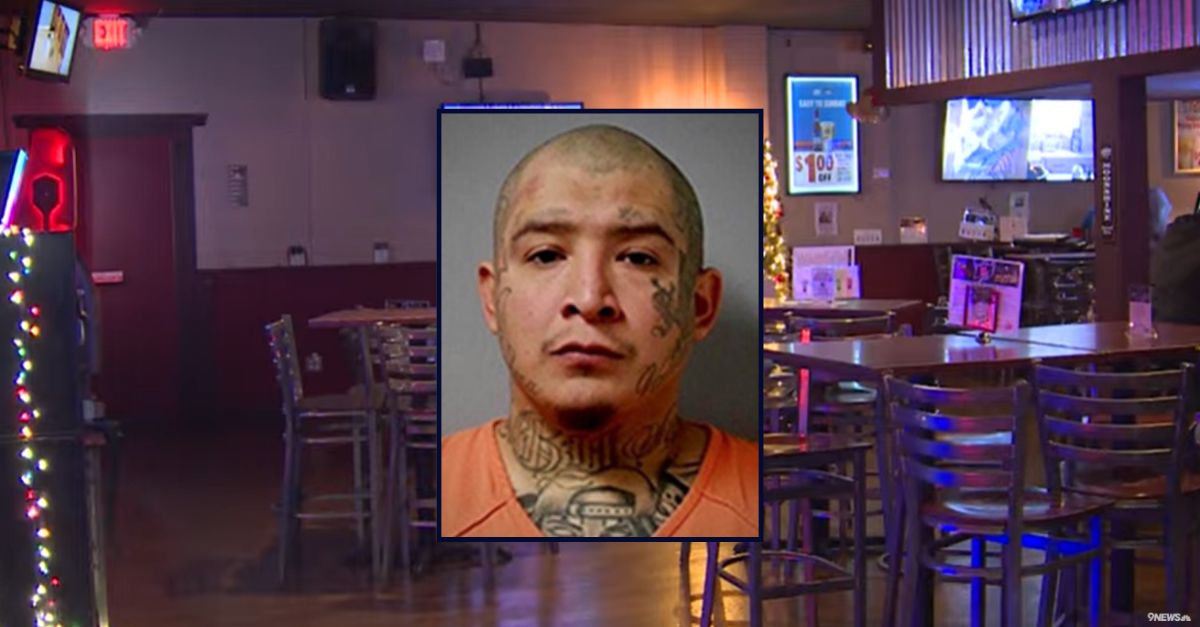
A Weld County District Court judge has delivered a formidable sentence of 96 years in prison to Jimmy Cazares, a 33-year-old man, following his conviction for a violent outburst at a Greeley establishment where he fired 59 shots into Wyler’s Pub and Brew, striking a bartender in the neck and injuring another woman. The severe penalty, handed down on Wednesday, underscores the gravity of the crime and the judicial system’s resolute stance against indiscriminate gun violence in public spaces, particularly when fueled by personal vendetta. Cazares’s actions, stemming from his ejection from the bar due to a fight, transformed a routine night into a scene of terror, leaving lasting physical and psychological scars on the victims and sending ripples of concern through the local community.
The Incident: A Night of Violence in Greeley
The harrowing events unfolded on November 30, 2024, at Wyler’s Pub and Brew, a local establishment situated in Greeley, Colorado, approximately 60 miles northeast of Denver. According to official reports from the Weld County District Attorney’s Office and subsequent police investigations, Jimmy Cazares had been present at the pub earlier that evening. His presence, however, was marked by disruptive behavior, culminating in a physical altercation. As a direct consequence of his involvement in a fight, employees of Wyler’s Pub and Brew exercised their right to maintain a safe environment for their patrons and staff, expelling Cazares from the premises. This standard procedure, intended to de-escalate conflict and ensure order, instead ignited a dangerous rage within Cazares, setting the stage for a retaliatory attack of shocking intensity.
Approximately 40 minutes after his expulsion, Cazares returned to Wyler’s Pub and Brew, not to seek re-entry or reconciliation, but armed with a firearm and a clear intent to inflict harm. From outside the building, he unleashed a barrage of gunfire, discharging his weapon an astonishing 59 times into the pub. The sheer volume of shots transformed the lively atmosphere of the bar into a chaotic and life-threatening environment. Bullets pierced the building’s facade, shattering glass, splintering wood, and tearing through the interior.
Among those caught in the indiscriminate spray of bullets was a bartender, who sustained multiple gunshot wounds, including a critical injury to the neck. Her injuries were severe, placing her life in immediate peril. Another woman present in the establishment, while not directly struck by a bullet, suffered injuries due to being "in the direct line of fire," as prosecutors later described, highlighting the expansive danger posed by Cazares’s reckless actions. The arrival of Greeley police officers at the scene was met with a chaotic aftermath, as they discovered the wounded bartender and began the immediate process of securing the area and initiating life-saving measures. The rapid response of emergency services was crucial in stabilizing the victim and beginning the extensive investigation that would follow.
The Investigation and Legal Proceedings
Following the immediate emergency response, a meticulous investigation was launched by the Greeley Police Department. Detectives worked tirelessly to piece together the sequence of events, collect forensic evidence, and identify the perpetrator. The initial discovery of numerous shell casings outside the pub, coupled with witness testimonies and surveillance footage, quickly pointed to Cazares as the prime suspect. The 40-minute interval between his ejection and return proved to be a critical element in establishing premeditation and intent, a key factor in the eventual attempted murder charges.
The collection of evidence was extensive, involving ballistics analysis to confirm the number of shots fired and the weapon used, as well as forensic examination of the crime scene to map bullet trajectories and assess the full extent of the damage. Witness interviews were paramount, capturing the terror experienced by patrons and staff, and corroborating the sequence of Cazares’s actions leading up to the shooting. The swift identification and apprehension of Cazares were vital steps in assuring the community that law enforcement was effectively addressing the violent incident.
In February, after a thorough legal process, Jimmy Cazares was brought to justice. He was convicted by a jury on a multitude of charges that reflected the severity and complexity of his crime. These included two counts of attempted murder, specifically targeting the bartender and the other woman who was in the direct line of fire. The prosecution successfully argued that Cazares’s intent, fueled by anger and a desire for retaliation, met the legal threshold for attempted murder, despite no fatalities occurring. Crucially, Cazares was also convicted of possession of a weapon by a previous offender, a charge that significantly escalated the potential penalties due to his criminal history. This particular charge underscored the broader societal concern regarding individuals with past offenses gaining access to firearms and subsequently engaging in violent acts. Additionally, he was found guilty of criminal mischief for the extensive damage inflicted upon the property, and drug-related charges, further illustrating a pattern of criminal behavior.
The Sentencing: A Decisive Message from the Bench
The sentencing hearing, presided over by Weld County District Court Judge Annette Kundelius, was a pivotal moment in the legal process, bringing together the full weight of the justice system to address Cazares’s actions. The prosecution, led by Deputy District Attorney Lacy Wells, presented a compelling case for a severe sentence, emphasizing the deliberate nature of the attack and the profound impact on the victims and the community. Wells highlighted the near-fatal consequences of Cazares’s rampage, stating, "It’s only by the grace of God that no one was killed that night. He gunned down two women at a local, community establishment and clearly has no respect for human life." This statement powerfully encapsulated the prosecution’s view of Cazares’s disregard for human life and public safety.
Judge Kundelius’s decision to sentence Cazares to 96 years in prison reflected a comprehensive consideration of the charges, the evidence presented during the trial, and the victim impact statements. While Cazares faced a maximum potential sentence of up to 134 years, the 96-year term is nonetheless exceptionally stringent, designed to ensure that he will spend the vast majority, if not all, of his remaining life incarcerated. This sentence serves multiple purposes: to punish Cazares for his egregious crimes, to deter others from similar acts of violence, and to protect society from a demonstrably dangerous individual.
The judge’s decision also takes into account the charge of possession of a weapon by a previous offender. In Colorado, individuals with felony convictions are prohibited from possessing firearms. Cazares’s violation of this statute, coupled with his use of the weapon in a mass shooting attempt, significantly aggravated his sentence. The judicial system often imposes harsher penalties on repeat offenders or those who violate parole/probation conditions, recognizing the heightened risk they pose to public safety. This aspect of the sentencing sends a clear message about the consequences of repeat offenses, particularly those involving firearms.
Victim Impact: A Life Forever Changed
Perhaps the most poignant and impactful moments of the sentencing hearing came from the victims themselves. Their statements offered a raw and unfiltered glimpse into the devastating, long-term consequences of Cazares’s actions. One of the victims, whose identity was protected, delivered a powerful testimony, articulating the profound trauma she endured: "My life changed forever that night. I never could have imagined I was being shot at. I firmly believe I died for a brief moment." This statement powerfully conveys the terror and near-death experience she suffered, underscoring the severe psychological toll that such violence exacts.
The physical injuries sustained by the bartender, particularly the gunshot wound to the neck, undoubtedly required extensive medical treatment and rehabilitation. Such injuries can lead to chronic pain, nerve damage, and long-term disabilities, forever altering a person’s quality of life and ability to perform daily tasks or return to their previous occupation. Beyond the visible wounds, the invisible scars of trauma, anxiety, and post-traumatic stress disorder (PTSD) often persist for years, if not a lifetime. Victims of gun violence in public spaces frequently experience a loss of safety and security, making it difficult to return to normal life or trust public environments again.
Deputy District Attorney Lacy Wells eloquently summarized this lasting impact during her closing remarks, stating, "Damage didn’t stop when the bullets stopped. These victims of this horrific and senseless crime will live with the mental, emotional and physical damage the rest of their lives." This statement encapsulates the enduring burden carried by survivors of such violence, emphasizing that the immediate physical cessation of the attack does not signify the end of suffering. The psychological and emotional wounds often run deeper and take longer to heal, requiring ongoing support, therapy, and resilience. The incident at Wyler’s Pub and Brew serves as a stark reminder of the profound and far-reaching consequences of gun violence on individual lives and the broader community fabric.
Broader Implications: Gun Violence, Public Safety, and Community Resilience
The shooting at Wyler’s Pub and Brew is not an isolated incident but rather a sobering reminder of the pervasive issue of gun violence in public spaces across the United States. While the motivations behind such acts can vary, the underlying themes of anger, retaliation, and easy access to firearms often remain consistent. Incidents like this raise critical questions about public safety in community establishments, the efficacy of security measures, and the psychological impact on residents.
For businesses like Wyler’s Pub and Brew, such an event can have devastating economic and social repercussions. Beyond the immediate physical damage, there is the challenge of rebuilding trust with patrons, ensuring the safety of staff, and overcoming the stigma associated with being the site of a violent crime. Community establishments are often seen as safe havens, places for relaxation and social interaction. When these spaces are violated by such violence, it erodes the collective sense of security and can lead to increased anxiety among residents.
The case also highlights the complexities surrounding gun control and the enforcement of existing laws. Cazares’s status as a "previous offender" underscores the challenge of preventing individuals with a history of criminal behavior from acquiring firearms. Discussions around background checks, red flag laws, and enhanced penalties for illegal firearm possession often gain renewed urgency in the wake of such high-profile incidents. While Colorado has various firearm regulations, the fact that a prohibited individual was able to carry out such an attack prompts further examination of enforcement mechanisms.
Moreover, the incident prompts reflection on the role of anger management and de-escalation techniques in preventing violence. Cazares’s rage, triggered by his ejection from the bar, quickly escalated to an extreme act of violence. This points to the need for continued efforts in mental health support, conflict resolution training, and community resources aimed at addressing underlying issues that can lead to such dangerous outbursts.
Conclusion: Justice Served and Lessons Learned
The 96-year sentence handed down to Jimmy Cazares is a definitive statement from the Weld County judicial system: acts of extreme violence, particularly those involving firearms in public places, will be met with severe consequences. It represents a commitment to upholding public safety and delivering justice for victims. The trial and sentencing process provided a platform for the victims to voice their pain and for the community to witness the accountability for such a heinous crime.
While the legal proceedings have concluded, the ripple effects of Cazares’s actions will continue to resonate. The victims will continue their journey of healing, both physically and psychologically. The community of Greeley will grapple with the memory of the event, reinforcing its commitment to safety and support for its establishments and residents. This case serves as a stark reminder of the fragility of peace in public spaces and the profound responsibility of the justice system to protect its citizens from wanton acts of violence. The emphasis on victim impact throughout the proceedings underscores a growing recognition that true justice extends beyond mere punishment, encompassing the acknowledgment of suffering and the long road to recovery for those whose lives are irrevocably altered by such senseless acts.

 Yuyun Lusiyani
 Joko Widodo
 Jia Lissa
 Pevita Pearce
 admin
admin
